




-
TL;DR: U.S. Navy’s FY27 shipbuilding plan prioritizes domestic production but seeks limited permission to use allied shipyards for auxiliary vessels and non-sensitive components to ease capacity and labor constraints. The approach keeps U.S. firms in control of design while leveraging foreign manufacturing if timelines slip, sparking debate amid political emphasis on strengthening domestic industry. The plan also confirms a nuclear-powered Trump-class battleship program with a delayed 2036 debut and outlines a broader push toward a 450-platform fleet by 2031, blending traditional ships, support vessels, and unmanned systems.
FY27 plan seeks limited overseas shipbuilding authority
The U.S. Navy’s Fiscal Year 2027 Shipbuilding Plan asks Congress to allow a limited use of allied shipyards for auxiliary vessels and selected components of combatant ships, framing the move as a way to supplement domestic capacity rather than replace it.
According to the plan, building and maintaining ships in the United States remains central to President Donald Trump’s shipbuilding agenda and to efforts to strengthen the U.S. industrial base. But the document says the Navy will assess overseas options if the domestic industry cannot meet the required schedules.
Foreign yards proposed for non-sensitive modules
Under the proposal, U.S. prime contractors would receive greater flexibility to subcontract certain work to foreign partners, particularly for “non-sensitive modules” such as hull structures for surface combatants. The Navy said this would let it preserve U.S.-led ship designs, including destroyer programs, while taking advantage of advanced manufacturing capacity in allied yards.
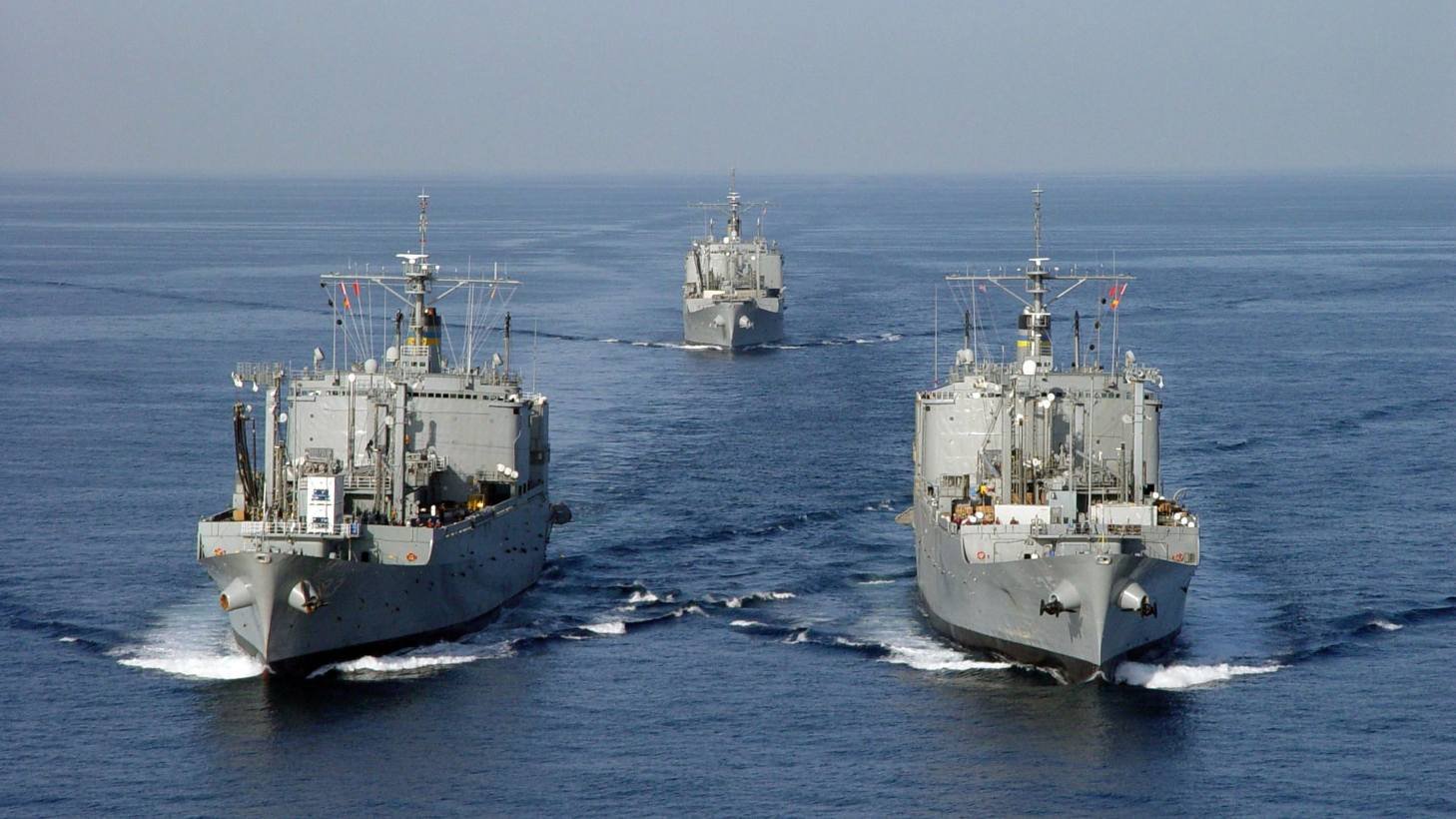
The plan separately raises the possibility of building a small number of auxiliary ships overseas. Those vessels support combat operations by carrying fuel, ammunition, and other supplies to front-line naval forces.
Debate follows earlier public comments
The new plan follows comments made at the Sea-Air-Space exposition in April by then-Navy Secretary John Phelan, who said the service was examining foreign shipyards for both auxiliary and combatant work. He cited U.S. labor shortages as a contributing factor.
At the same event, Office of Management and Budget Director Russ Vought said the government would look to alternative shipyards if traditional suppliers could not deliver ships on time and on budget. Subsequent reporting said Trump opposed the idea of building Trump-class battleships abroad, reflecting broader administration messaging that U.S. naval expansion should reinforce domestic shipyards.
Battleship program details confirmed
The shipbuilding plan also confirms that the future Trump-class battleship will be nuclear-powered. The Navy’s long-range objective is an inventory of 15 battleships by 2056, with the first ship scheduled for delivery in 2036.
That timeline is notably later than the 2028 delivery target Trump had previously sought for the class. The plan does not indicate that the lead battleship would be built overseas.
Funding and fleet expansion goals
For FY27, the Navy is requesting $65.8 billion for shipbuilding, matching the service’s budget submission released in April and aligning the proposal with Trump’s “Golden Fleet Initiative.”
Over the longer term, the plan calls for expanding the Navy’s inventory to 450 platforms by 2031. That total includes battle force ships, auxiliary vessels, and unmanned systems, indicating that future fleet growth is expected to rely on a mix of traditional manned warships, logistical support ships, and autonomous platforms.
The proposal now places Congress at the center of the next decision: whether to preserve an almost entirely domestic build model or give the Navy narrow authority to use allied shipyards to ease production constraints while keeping U.S. shipbuilding as the stated priority.
Recommended Comments