




-
TL;DR: The U.S. Army is testing a heavy-lift drone capable of evacuating wounded soldiers, aiming to reduce risk to personnel in contested areas where traditional medevac is unsafe. Demonstrated during a major NATO exercise, the system highlights a broader push toward autonomous logistics and battlefield support, though its lack of onboard medical care limits use to specific scenarios. If developed further, such drones could reshape casualty evacuation and resupply in high-threat environments.
Army Evaluates Drone for Casualty Evacuation
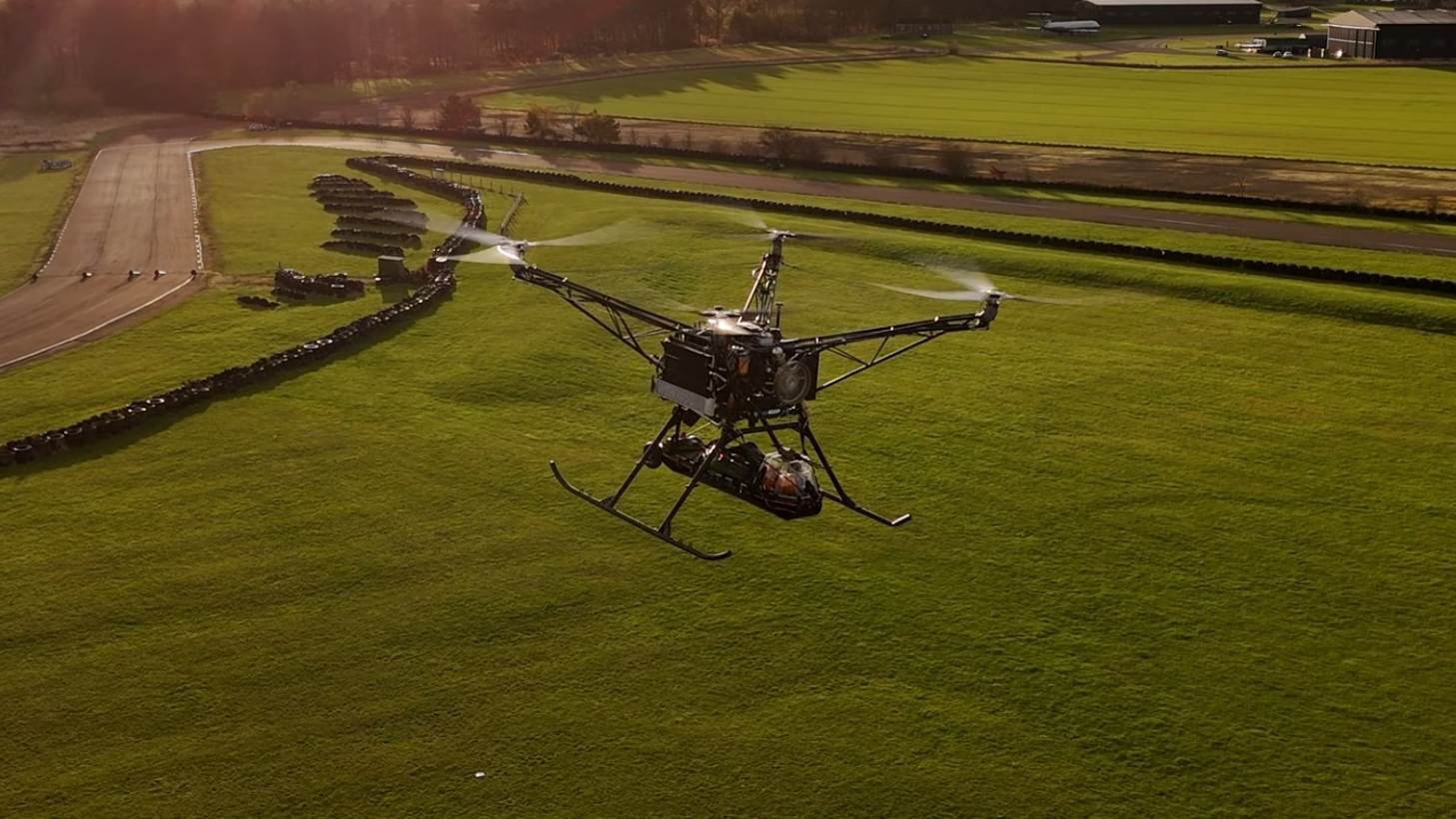
The U.S. Army has tested an unmanned aircraft designed to transport wounded troops, expanding a drone portfolio that already includes systems used for reconnaissance, strike missions, and delivery of medical supplies to frontline forces. The demonstration centered on Flowcopter’s FC-100, a heavy-lift drone capable of carrying up to 1,400 pounds.
During the trial, operators strapped a test dummy onto the aircraft and prepared it for flight in front of observing troops. The event highlighted a possible future role for unmanned systems in casualty evacuation from contested areas where traditional medical evacuation helicopters may face high risk or be unable to operate safely.
Exercise Context and Units Involved
The test took place during Saber Strike, a large Army exercise involving more than 15,000 U.S. and NATO personnel training on air defense, counter-drone operations, and battlefield coordination across Eastern Europe.
Among those observing were soldiers from the Vilseck, Germany-based 2nd Cavalry Regiment. The regiment has been involved in Army efforts to test emerging autonomous technologies through initiatives including Transforming in Contact and Project Flytrap.
The Army has increasingly used large exercises to expose operational units to new systems under realistic conditions, particularly technologies intended for large-scale combat environments where logistics and medical support may be disrupted.
Medical Role Under Review
Army officials said the effort is tied to broader work on improving battlefield medical support and decision-making. Capt. James Yu of the 75th Innovation Command said in an Army video that the service is examining technologies that can strengthen both combat effectiveness and care for soldiers in future large-scale operations.
The Army has already spent years experimenting with drones that can deliver blood bags and other lifesaving supplies to the front. The FC-100 test extended that concept by examining whether an unmanned aircraft could also remove casualties from danger without sending additional soldiers or medics into threatened areas.
That approach could be particularly relevant in situations where airspace is heavily contested, landing zones are exposed, or crewed aircraft cannot be committed without significant risk.
FC-100 Design and Performance
Unlike smaller electric commercial-style drones, the FC-100 uses a hydraulic-powered engine. The aircraft operates through a combination of preplanned flight paths, autonomous navigation, and remote piloting that allows operators to supervise the mission and make adjustments in flight.
According to Flowcopter, the drone can remain airborne for up to 11 hours while carrying 110 pounds. With a 330-pound payload, endurance drops to about five hours. At a 220-pound load, the company says the aircraft can travel more than 60 miles.
Those specifications suggest the platform could support multiple roles beyond evacuation, including supply, delivery, and recovery missions in areas with limited access.
Remaining Limits and Next Steps
The concept also presents clear medical limitations. Unlike conventional medevac helicopters, which carry trained medical personnel and equipment, an unmanned aircraft cannot provide treatment during transport. That means its usefulness would depend on the casualty’s condition, distance to care, and the availability of follow-on medical support.
The Army has not announced whether Flowcopter will advance to additional prototyping or broader trials. Even so, the demonstration provided a practical look at how autonomous evacuation and resupply systems could become a more common feature of future battlefield operations.
Recommended Comments