




-
TL;DR: Lockheed Martin’s expanded $1.9B Aegis Guam program aims to build a land-based, multi-service missile defense network linking Navy, Army, and joint systems into a unified, real-time battle architecture against ballistic, cruise, and hypersonic threats. Designed to protect the strategically vital but highly exposed hub of Guam, the system emphasizes sensor-sharing, coordinated intercepts, and 360-degree coverage, while broader base hardening and infrastructure upgrades support resilience. Despite its sophistication, effectiveness will hinge on interceptor capacity, network survivability, and performance under saturation attacks, making it a critical test case for future integrated defense in high-end conflicts.
Contract Expansion for Guam Defense
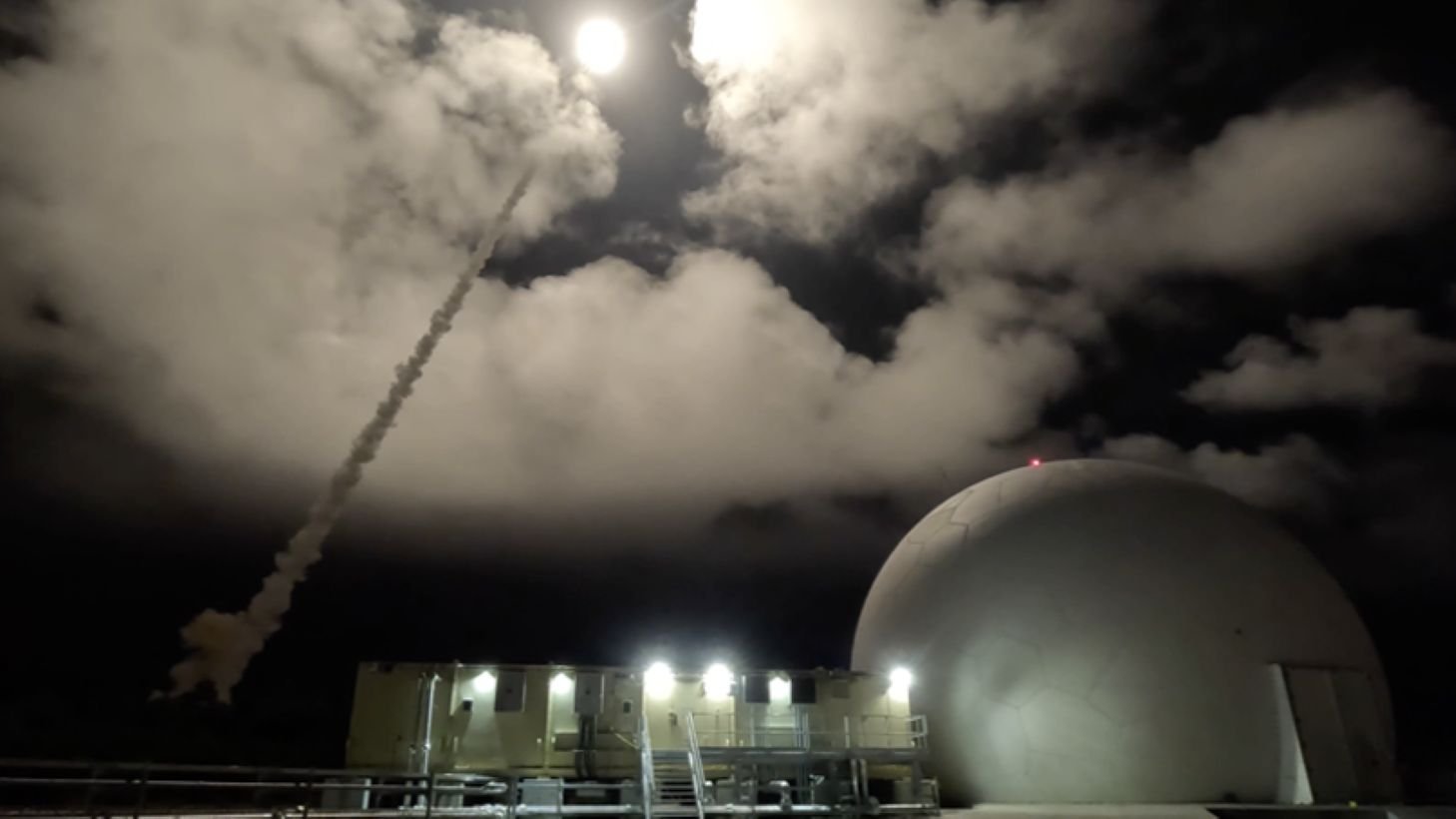
The U.S. Missile Defense Agency on May 7 awarded Lockheed Martin a $407.16 million contract modification to continue development of the Aegis Guam System, raising the program’s cumulative value from $1.528 billion to $1.935 billion. The award extends work through December 2029 and funds engineering, software integration, certification, testing, logistics, and sustainment for Guam’s future integrated air and missile defense network.
According to the contract notice, work will be performed in Moorestown, New Jersey, and Guam. Fiscal 2026 obligations at award include $76.16 million in research, development, test, and evaluation funds and $2.60 million in procurement funds. The contract was issued on a sole-source basis because Lockheed Martin is the manufacturer of the Aegis combat system and controls its core software architecture.
Multi-Service Battle Network
The Aegis Guam System is being built as a land-based, distributed command-and-control architecture rather than a standalone interceptor site. Its role is to connect Navy, Army, and joint sensors and weapons into a single battle-management network able to assign interceptors, fuse tracking data, sequence engagements, and coordinate fire control against ballistic missiles, cruise missiles, and maneuvering hypersonic threats.
The system is intended to integrate Aegis Ballistic Missile Defense, SM-3 and SM-6 interceptors, THAAD, and Patriot PAC-3 MSE. Associated sensors and networks include SPY-1, SPY-6, TPY-6, Sentinel A4, the Missile Defense Agency’s C2BMC system, and the Army’s Integrated Battle Command System. That arrangement is designed to allow one radar or sensor to support another service’s interceptor in real time and provide persistent 360-degree coverage.
Strategic Role of Guam
Pentagon planning increasingly treats Guam as a critical operating hub and a likely target in a major Indo-Pacific conflict. Andersen Air Force Base and Naval Base Guam are central to bomber operations, submarine sustainment, logistics, and reinforcement flows west of Hawaii. Guam lies about 3,000 kilometers from China’s coastline and within reach of several Chinese missile systems, including DF-26 intermediate-range ballistic missiles, DF-21 variants, DF-17 hypersonic systems, and air- and sea-launched cruise missiles.
U.S. planning assumes the island could face coordinated saturation attacks involving ballistic and cruise missiles, hypersonic glide vehicles, decoys, and electronic warfare aimed at airfields, fuel storage, ports, and command infrastructure.
Broader Hardening and Infrastructure Effort
The missile defense program is part of a wider effort to harden and disperse U.S. bases on Guam. The Pentagon’s fiscal 2023 five-year military construction plan allocated nearly $7.3 billion for Guam-related projects, including about $1.7 billion tied to integrated air and missile defense infrastructure.
Recent work has included runway and fuel-storage upgrades at Andersen, logistics and sustainment expansion at Naval Base Guam, and development linked to Camp Blaz, which is receiving nearly 4,000 Marines relocated from Okinawa under a U.S.-Japan agreement. Civilian infrastructure is also being upgraded. The Port Authority of Guam has identified fuel pier replacement, terminal expansion, and new gantry cranes as priorities; the commercial port handles roughly 90 percent of island imports.
Limits and Long-Term Significance
The Aegis Guam System is intended to improve survivability and operational continuity, not guarantee protection against every large-scale attack. Its effectiveness will still depend on interceptor inventories, radar survivability, network resilience, battle-management speed, and resistance to electronic warfare during saturation strikes. Guam’s fixed geography also remains a constraint.
Even with those limits, the program is significant as a test case for a scalable, multi-service missile defense architecture tailored for contested bases in a potential peer conflict.
Recommended Comments