




-
TL;DR: Pentagon scrapped a long-planned deployment of a Fort Drum missile battalion to Germany and halted a separate Poland rotation, disrupting a key piece of the Army’s emerging long-range fires strategy in Europe. The unit was slated to field advanced systems like Tomahawk and hypersonic weapons under a NATO-focused buildup, but the move was canceled amid a broader U.S. force posture review that includes withdrawing thousands of troops from Germany. The decision leaves the newly activated battalion’s mission and future basing uncertain and adds to tensions around U.S.-Germany defense coordination.
Deployment Reversed for Fort Drum Missile Battalion
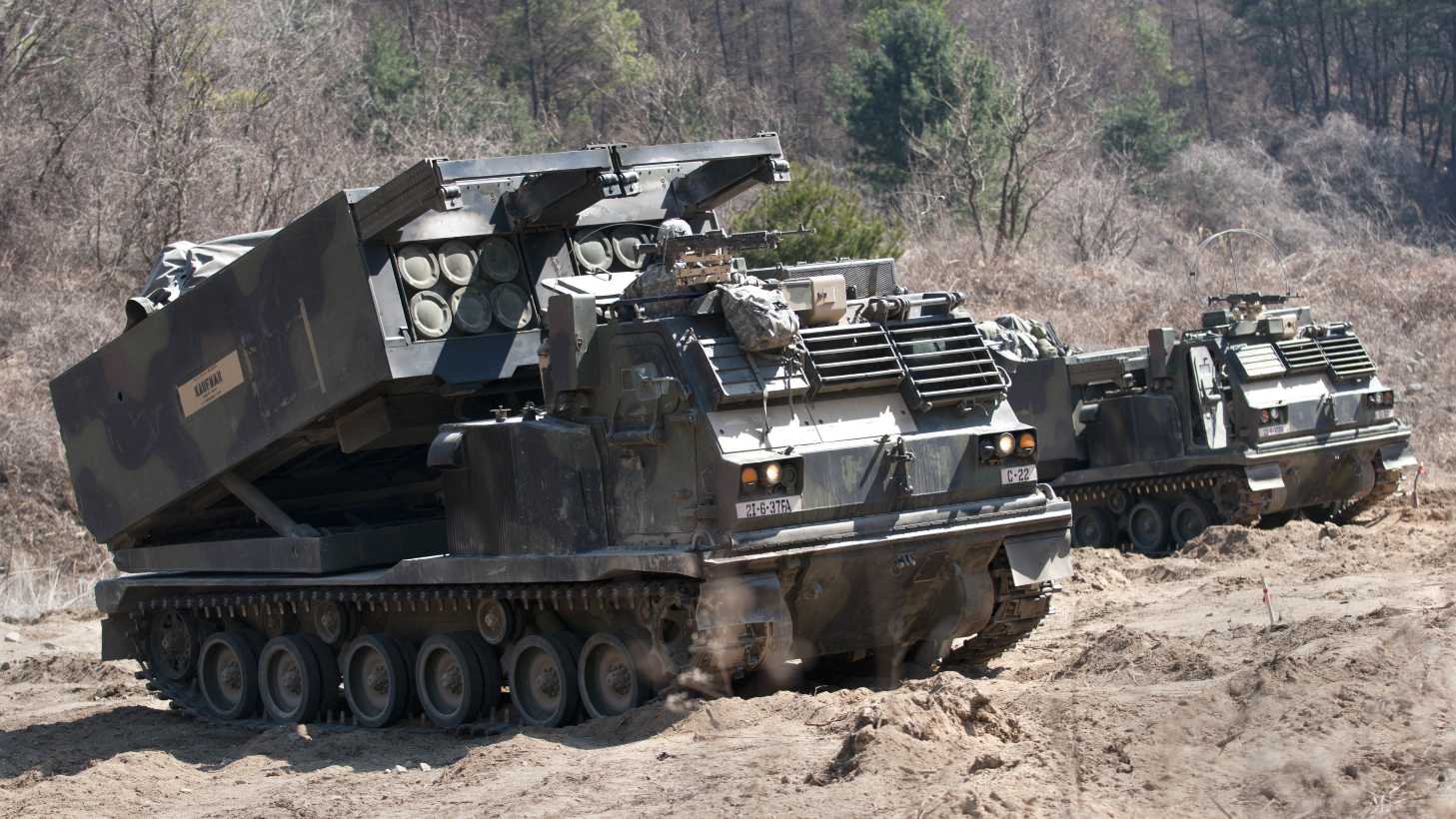
The Pentagon has canceled a planned deployment of the Army’s 3rd Battalion, 12th Field Artillery Regiment to Germany, reversing a move that had been in development for roughly two years. A defense official confirmed the decision after earlier reporting by CNN, which cited a May 1 memo that also halted the rotational deployment of about 4,000 soldiers from the 2nd Armored Brigade Combat Team, 1st Cavalry Division, to Poland.
The 3rd Battalion, 12th Field Artillery Regiment, based at Fort Drum, New York, had been scheduled to deploy later this year. The battalion includes more than 500 soldiers, and the cancellation leaves the unit’s near-term mission unresolved.
Role in Long-Range Fires Plan
The battalion had been expected to support the Army’s expanding long-range fires presence in Europe under the 2nd Multi-Domain Task Force, which is based in Germany. Under plans announced by the United States and Germany in July 2024, the U.S. military was set to begin episodic deployments of long-range fires capabilities to Germany in 2026 as part of a broader effort that could eventually lead to permanent stationing.
According to those plans, the unit would have operated advanced strike capabilities, including Tomahawk and SM-6 missile systems, alongside hypersonic weapons associated with the Army’s long-range modernization efforts. The deployment was intended to strengthen the Army’s ability to project long-range precision fires in support of NATO.
Part of Broader Force Review in Europe
The cancellation comes amid a wider reassessment of U.S. military posture in Europe. Since 2022, following Russia’s full-scale invasion of Ukraine, the United States has increased its presence in central and eastern Europe through rotational deployments under Operation Atlantic Resolve.
On May 1, the Pentagon said it would withdraw 5,000 troops from Germany over the following six to 12 months as part of a broader review of American forces on the continent. The same memo that affected the artillery battalion also canceled the Poland rotation for the 2nd Armored Brigade Combat Team, even as hundreds of soldiers from that unit had already arrived for a transfer of authority with the outgoing force.
German Response and Diplomatic Context
Before the cancellation was confirmed, German officials had signaled that the long-range fires deployment remained uncertain but not yet terminated. Earlier this month, Germany’s defense ministry said there had been no “definitive cancellation” of the missile unit’s move to Europe.
The shift also comes during a period of diplomatic friction between the Trump administration and German leadership. Tensions rose after Germany’s chancellor criticized the U.S. and Israeli military campaign against Iran, though the Pentagon has publicly tied the troop reductions to its ongoing force posture review.
Battalion Activation and Future Questions
The 3rd Battalion, 12th Field Artillery Regiment was formally activated in October 2025 as part of the 2nd Multi-Domain Task Force and the Army Transformation Initiative, which aims to expand long-range precision strike capabilities. At the activation ceremony, the battalion’s commander described the unit as a formative element in turning an emerging concept into a combat-ready force.
Army plans had called for the battalion to eventually be stationed in Germany. With the deployment now canceled, the timeline and location for that long-term basing plan are unclear, as is the immediate next step for the soldiers assigned to the unit.
Recommended Comments