




-
TL;DR: The U.S. Air Force Special Operations Command has introduced the OA-1K Skyraider II, an innovative addition designed to support special operations with close air support, precision strikes, and armed ISR missions. Inspired by the historic A-1 Skyraider, this aircraft is praised for its affordability and adaptability, enabling it to operate in diverse scenarios, including contested zones. Its tailwheel configuration facilitates short take-offs and landings from rugged airfields. Commanders emphasize the Skyraider II's unique operational solutions and its capacity to impact conflicts across various global hotspots, with deployment scheduled for 2025 at Hurlburt Field.
US Air Force Unveils OA-1K Skyraider II Attack Aircraft
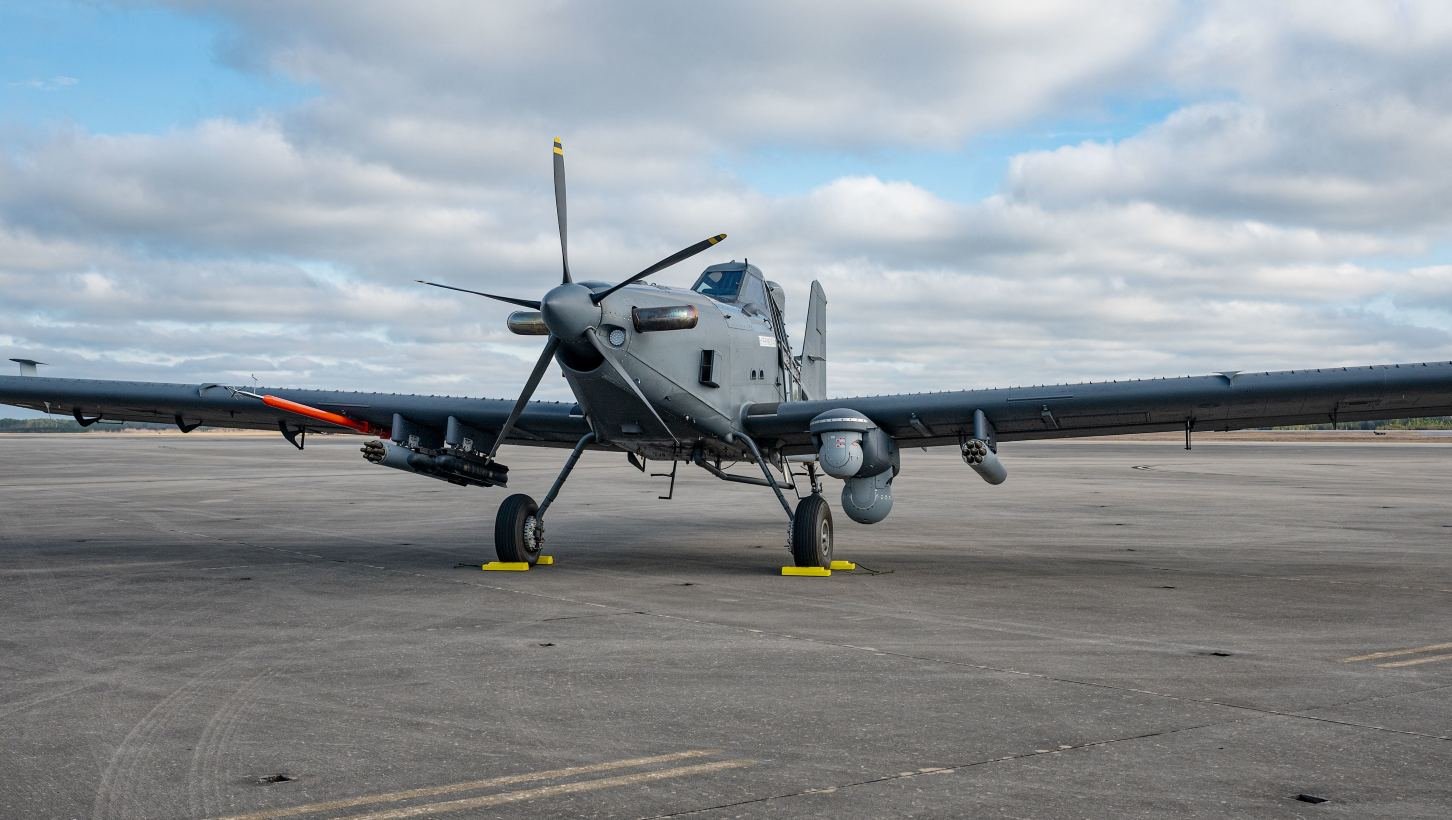
The U.S. Air Force Special Operations Command (AFSOC) has officially announced the arrival of its latest aircraft, the OA-1K Skyraider II. The designation is a tribute to the iconic A-1 Skyraider, active from 1946 to the early '80s. The announcement was made during the Special Air Warfare Symposium, illuminating the anticipated role of the aircraft in upcoming special operations.
Skyraider II: A Powerful Ally for Special Operations
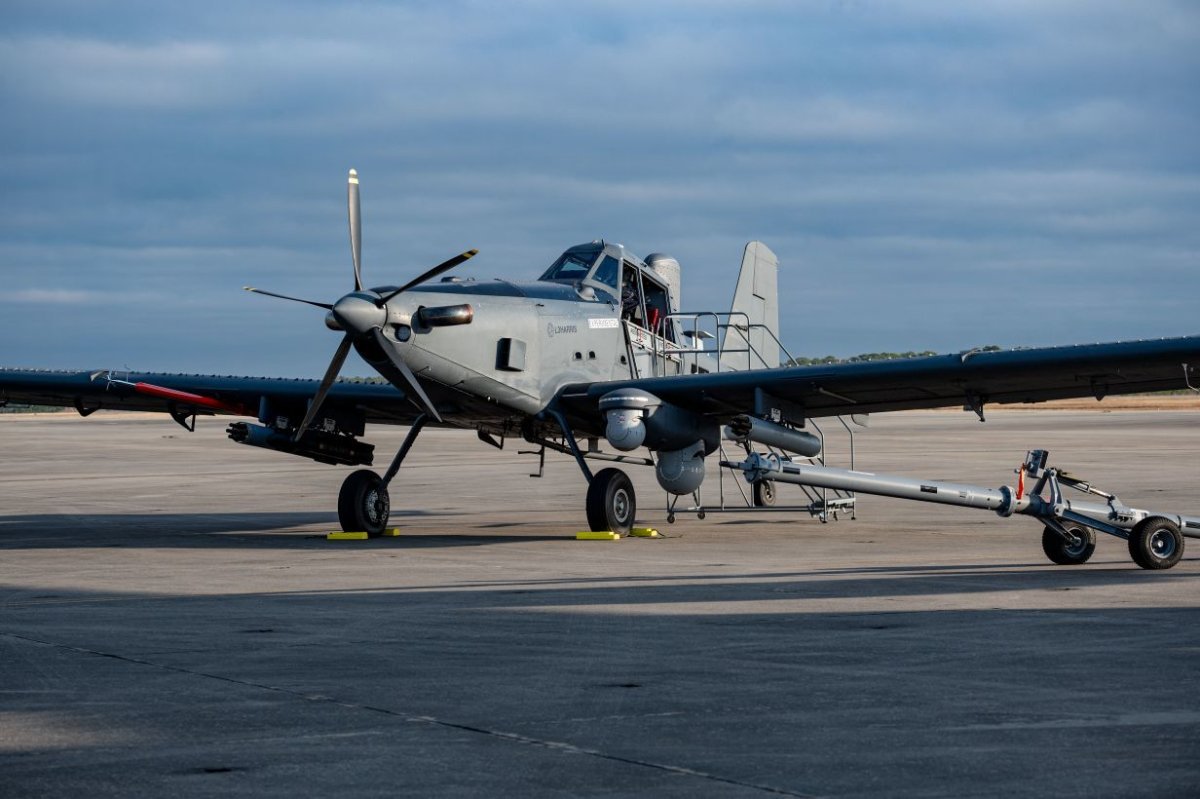
AFSOC commander Lt. Gen. Michael Conley characterized the Skyraider II as a unique capability designed to meet evolving operational demands. He emphasized the aircraft's potential to deliver crucial support to special operations forces and the extended Joint Force with close air support, precise strikes, and armed intelligence, surveillance, and reconnaissance missions.
AFSOC authorities commended the aircraft's affordable and flexible design, highlighting its capacity to operate in diverse combat scenarios. Brig. Gen. Craig Prather, AFSOC’s Director of Strategic Plans, Programs, and Requirements, noted that while the Skyraider II is not intended for high-end aerial combat, its capability to deliver precise impact in contested zones deems it a precious resource.
One of the aircraft’s standout characteristics is its tailwheel configuration, a trait reminiscent of the famed aircraft it's named after. This design allows the Skyraider II to conduct short take-offs and landings, thereby enabling operations from austere and unimproved airfields.
The Skyraider II: Distinctive Capabilities and Incoming Deployment
Lt. Gen. Michael Conley voiced excitement about the Skyraider II, expressing confidence in its ability to provide unique solutions, which might currently be unnoticed requirements for the nation.
The Skyraider II, in addition to being cost-effective, is an adaptable crewed aircraft geared to operate across a wide spectrum of conflicts. Brig. Gen. Prather emphasized the Skyraider II's capacity to deliver scalable and precise effects where needed, from countries like Africa to regions like the southwest border.
The Skyraider has a history of proving its toughness and firepower during the Korean and Vietnam Wars, providing robust support for Air Commando combat operations. The first Skyraider II is expected to touch down at Hurlburt Field in the spring of 2025.
Recommended Comments