




-
TL;DR: USS Gerald R. Ford is returning to Norfolk after a 324-day deployment—one of the longest since Vietnam—spanning NATO operations in the High North, multiple Middle East missions, and a SOUTHCOM presence tied to Venezuela, highlighting both the Navy’s ability to sustain a carrier globally and the steep cost in wear and maintenance, with estimates pointing to roughly 30% additional repair demands after months beyond a standard deployment cycle.
Ford Set to Return After 324 Days Underway
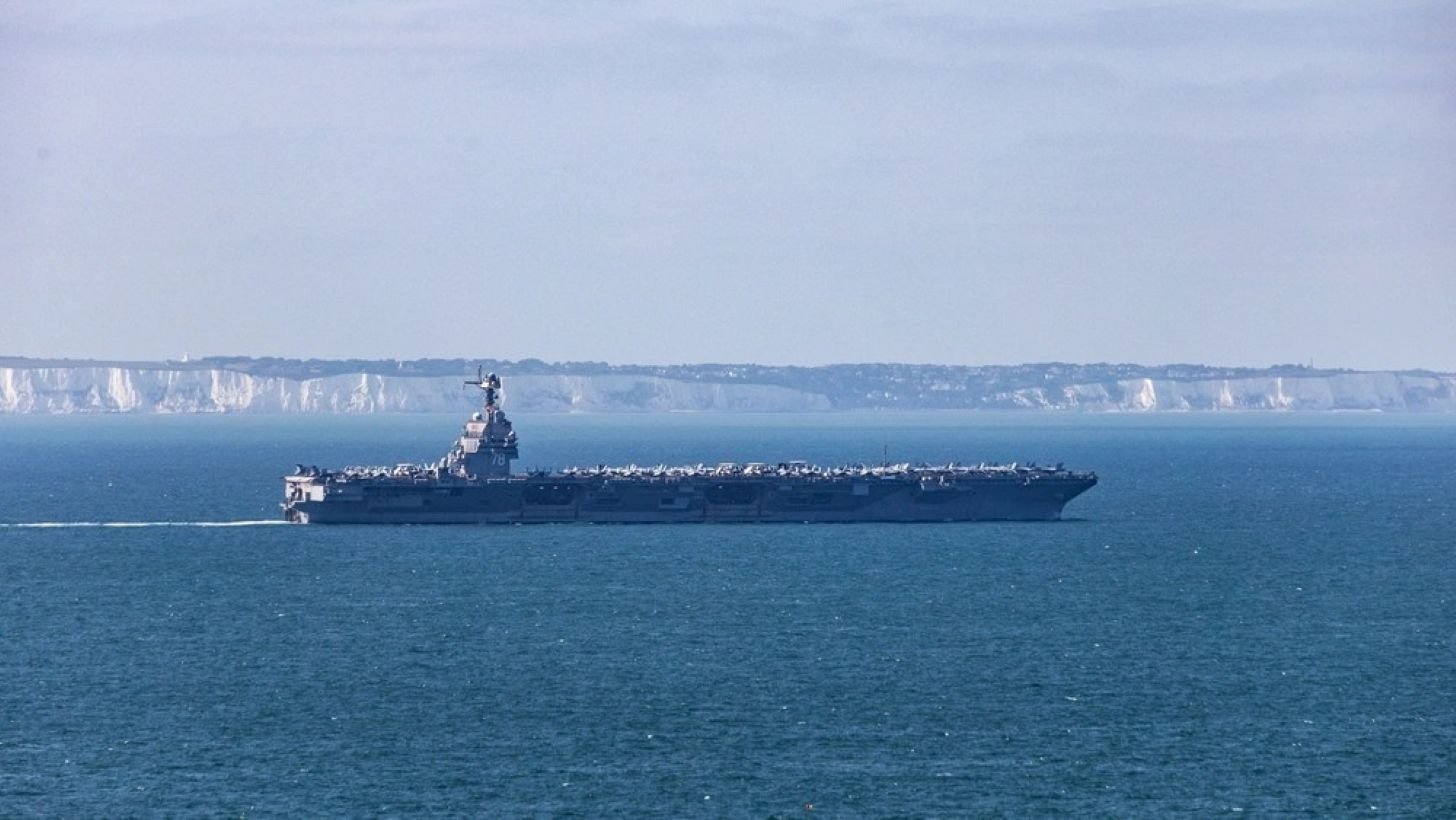
The aircraft carrier USS Gerald R. Ford is scheduled to return to Naval Station Norfolk on Saturday, concluding one of the longest U.S. carrier deployments in decades. Chief of Naval Operations Adm. Lisa Franchetti said the ship will come home after 324 days at sea, following its departure on June 24, 2025.
Aircraft assigned to Carrier Air Wing 8, which deployed aboard Ford, returned to their home naval air stations on Monday, according to the Navy. The carrier’s homecoming will formally close an extended cruise that far exceeded the Navy’s typical seven-month deployment model.
Modern Record Among U.S. Carrier Deployments
Ford’s 324 days underway surpass the 294-day deployment completed by USS Abraham Lincoln in 2019 and 2020, making it the longest U.S. aircraft carrier deployment since the Vietnam War era, according to USNI News’ carrier deployment database.
Its length approaches major Vietnam-era cruises, including USS Coral Sea’s 329-day deployment and USS Midway’s 332-day deployment. Those comparisons place Ford’s cruise among the longest sustained carrier operations in modern U.S. naval history.
Operations Spanned Multiple Theaters
During the deployment, Ford operated in the High North alongside NATO allies before shifting to the Eastern Mediterranean. The carrier later moved to the U.S. Southern Command area as part of a broader naval buildup ordered by the Trump administration ahead of Venezuelan leader Nicolás Maduro’s removal in January.
Ford subsequently repositioned again to support operations in the Middle East, including Operation Epic Fury, alongside Abraham Lincoln. Reports from the deployment indicate the carrier completed five transits of the Suez Canal while operating in and around the region.
Air Wing and Strike Group Activity
Carrier Air Wing 8 provided the embarked aviation component throughout the deployment, enabling the ship’s operations across Europe, the Mediterranean, SOUTHCOM, and the Middle East. The return of the air wing’s aircraft ahead of the carrier’s arrival is a standard indicator that final redeployment procedures are underway.
Although the Navy did not release a detailed sortie count in the latest update, the air wing’s early return highlights the end of a mission set that required sustained flight operations across several geographically separate theaters.
Maintenance Demands Expected to Rise
Navy officials have said the unusually long period underway will likely create a heavier post-deployment maintenance burden than a standard cruise. Acting Secretary of the Navy Hung Cao told lawmakers on the House Appropriations Committee that each additional 30 days of deployment adds roughly 6 percent to maintenance requirements.
Using that estimate, Cao said a deployment extended by about five months would generate approximately 30 percent more maintenance demand. That added workload is expected to shape Ford’s post-deployment schedule as the Navy assesses wear from the prolonged operations.
Strategic and Readiness Implications
Ford’s return closes a deployment defined by repeated theater shifts and sustained operational demand. The cruise demonstrated the Navy’s ability to keep a carrier strike group on station for an extended period, but it also underscored the readiness and maintenance costs associated with keeping a capital ship deployed well beyond normal timelines.
With the ship due back in Norfolk on Saturday, attention is expected to shift quickly from deployment milestones to recovery, maintenance planning, and the long-term effects of one of the service’s most demanding post-Cold War carrier cruises.
Recommended Comments