




-
TL;DR: USS Nimitz has entered the Caribbean during a transit to its new homeport, boosting U.S. naval presence alongside other forces and signaling a show of force amid escalating pressure on Cuba, including sanctions and indictments of senior officials. The move marks the region’s first carrier presence in months and comes as Washington hints at potential military action. The aging carrier, recently extended in service through 2027, has been conducting multinational engagements across South America en route.
Carrier Enters Caribbean Following South Atlantic Operations
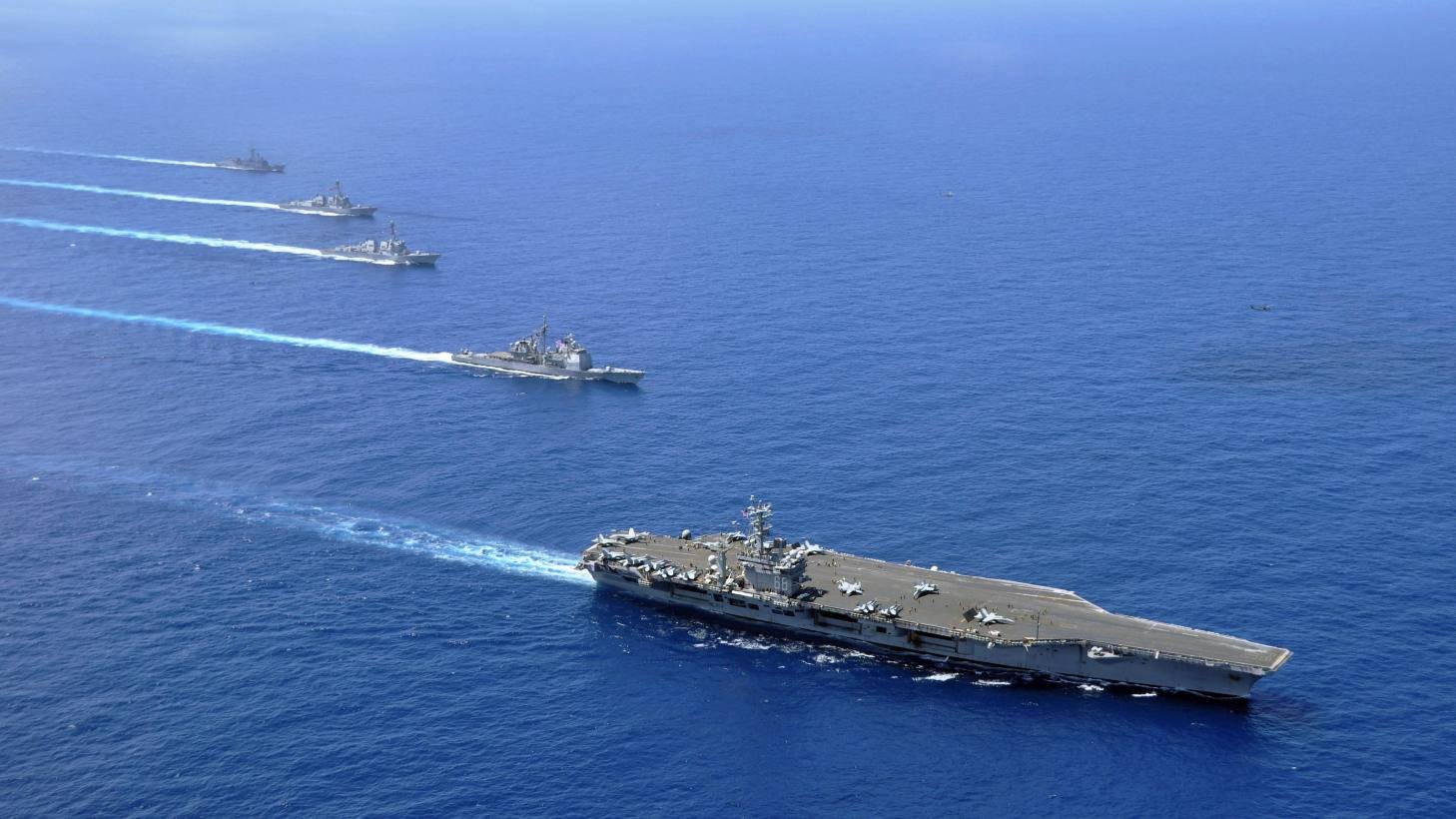
The aircraft carrier USS Nimitz entered the Caribbean this week, expanding the U.S. naval presence in Latin American waters as Washington increases pressure on Cuba. U.S. Southern Command said the carrier and elements of its strike group moved into the region after conducting operations with Brazil.
The deployment includes the destroyer USS Gridley, the oiler USS Patuxent, and Carrier Air Wing 17 embarked aboard Nimitz. SOUTHCOM confirmed the movement in social media posts on Wednesday.
Nimitz is operating during a transit from the Pacific to its new home port at Naval Station Norfolk, Virginia. The ship has been sailing around Central and South America as part of that move.
First Carrier Presence Since Ford Redeployment
The arrival marks the first reported U.S. carrier presence in the Caribbean since February, when USS Gerald R. Ford was redirected to the Middle East. Ford later took part in combat operations against Iran during an 11-month deployment, leaving no carrier in the region.
Nimitz joins other U.S. naval forces that have remained in or near the Caribbean since the second half of 2025. Those include the Iwo Jima Amphibious Ready Group and its embarked 22nd Marine Expeditionary Unit. USNI News fleet tracking has also listed the guided-missile cruiser USS Lake Erie and the littoral combat ship USS Billings operating in regional waters.
Deployment Coincides With Cuba Pressure Campaign
The carrier’s arrival comes the same week the Justice Department announced indictments against several Cuban officials, including former Cuban President Raúl Castro. The Trump administration has tightened sanctions on Havana and moved to restrict oil shipments to the island, steps that have compounded Cuba’s energy crisis.
The New York Times, citing a U.S. official, reported that Nimitz is expected to remain in the area for several days as part of a show of force. President Donald Trump has also publicly raised the possibility of military action against Cuba, adding to scrutiny of the carrier’s timing and location.
Long-Serving Nuclear Carrier on Extended Final Transit
USS Nimitz (CVN-68), the lead ship of its class, was commissioned in 1975 and is the Navy’s oldest active aircraft carrier. Earlier this month, it became the longest-serving U.S. carrier, surpassing the service life of USS Enterprise.
The ship departed Naval Base Kitsap in March for what was initially described as its final voyage before decommissioning. Four days after departure, however, the Navy extended Nimitz’s service through March 2027 to help maintain the statutory 11-carrier force while USS John F. Kennedy continues preparations for active service.
Route Includes Southern Seas Engagements
As part of its transit, Nimitz has participated in Southern Seas 2026 activities and conducted engagements with partner nations, including Panama and Ecuador. Earlier in the voyage, it rounded Cape Horn and carried out bilateral training with Argentina.
The carrier is named for Fleet Admiral Chester W. Nimitz and remains one of the largest warships in the world. Its current movement into the Caribbean adds a high-end naval aviation and strike capability to an already substantial U.S. maritime posture in the region.
Recommended Comments