




-
TL;DR: Cuba is reportedly expanding its military posture with Russian and Iranian drones, exploring asymmetric strike options near U.S. territory, and leveraging its proximity for intelligence operations tied to foreign powers. While not seen as a conventional threat, U.S. officials are increasingly concerned about the strategic risk posed by drone capabilities, espionage infrastructure, and lessons Cuba has drawn from Russia’s war in Ukraine, prompting warnings from Washington amid broader tensions and potential policy consequences.
Reported Military Procurement
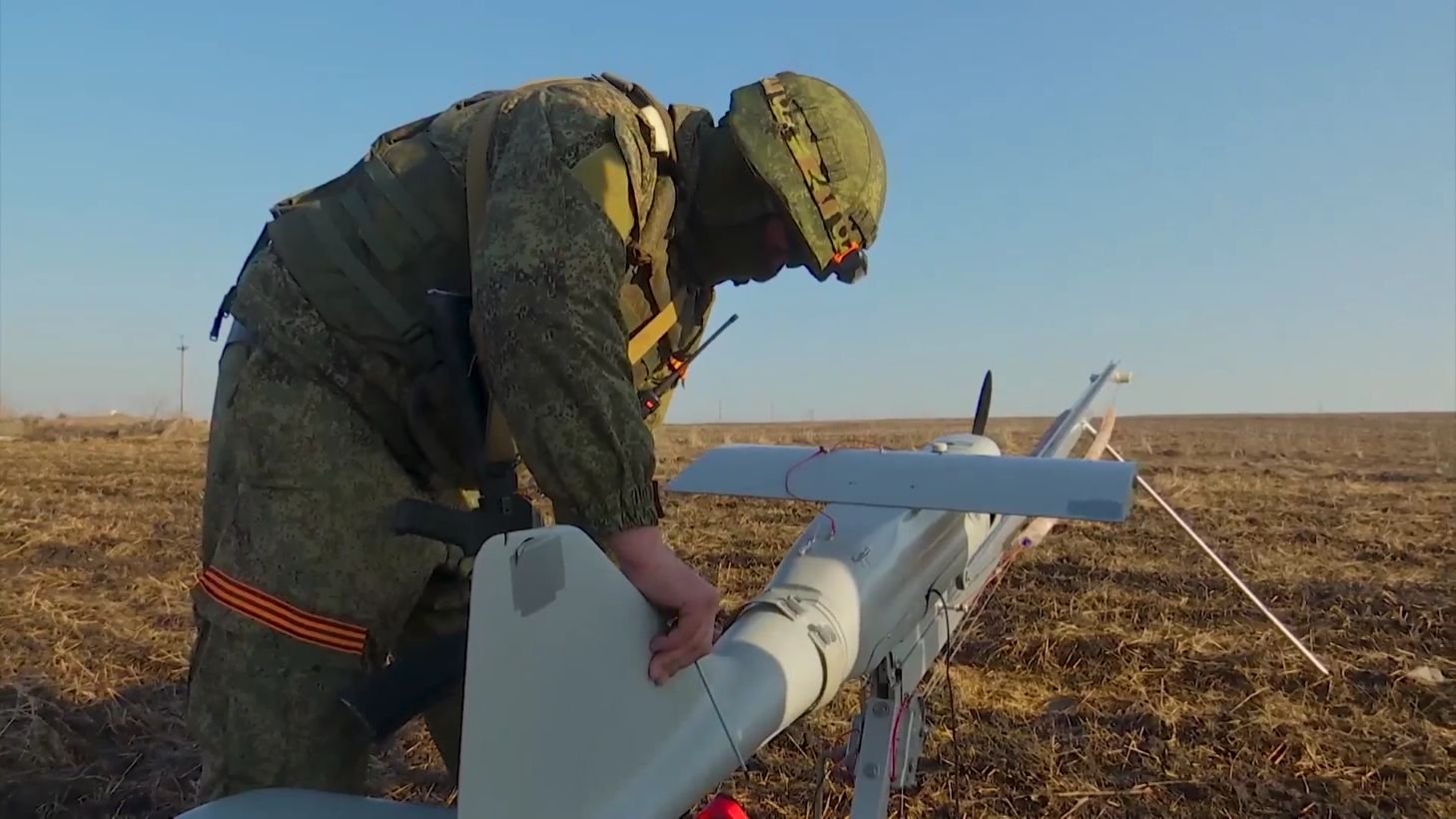
Cuba has sought to acquire drones and other military equipment from Russia within the past month, according to an Axios report published May 17 citing unnamed U.S. officials. The same report said Cuban officials have discussed possible attacks on the U.S. naval base at Guantanamo Bay, targets in Key West, and U.S. military vessels.
A senior U.S. official told Axios that Cuban authorities are also studying how Iran has withstood sustained U.S. military pressure during recent strikes. U.S. officials presented those discussions as part of a broader Cuban effort to evaluate asymmetric military options close to U.S. territory.
Existing Drone Stockpile and Intelligence Role
According to the report, Havana has already purchased more than 300 Russian and Iranian drones of “varying capabilities” and dispersed them to storage sites across the island. U.S. officials did not publicly detail the models or operational status of the systems.
Axios also reported that Cuba continues to host espionage facilities used to collect signals intelligence for China and Russia. U.S. officials cited the island’s proximity to the United States as a central concern, arguing that drone technology and intelligence infrastructure positioned roughly 90 miles from Florida increase strategic risk even if Cuba’s conventional military capabilities remain limited.
U.S. Warning Following Ratcliffe Visit
The issue reportedly featured in CIA Director John Ratcliffe’s May 14 visit to Cuba. A CIA official told Axios that Washington used the visit to warn Havana against military escalation and to signal that U.S. sanctions relief would require political change and an end to Cuba’s role as a platform for foreign adversaries.
The official said Ratcliffe’s message was that Cuba should no longer enable hostile activity in the Western Hemisphere. U.S. officials nonetheless indicated they do not currently view Cuba as a major direct military threat. One senior official told Axios that concerns are centered less on conventional aircraft or large-scale force projection and more on the island’s location and its links to Russia and Iran.
Links to Russia’s War in Ukraine
U.S. officials also told Axios that Cuba has contributed about 5,000 soldiers to Russia’s war against Ukraine. They said Cuban participation has exposed Havana to lessons from drone warfare and Iranian-backed tactics used by Russian forces.
Ukraine downgraded diplomatic relations with Cuba in October and closed its embassy in Havana, citing the significant number of Cuban nationals recruited to fight for Russia in the full-scale war. U.S. officials portrayed that battlefield exposure as one factor shaping Cuba’s growing interest in unmanned systems.
Potential U.S. Response and Raul Castro Case
Axios reported that the intelligence gathered on Cuba’s military activity could inform future U.S. policy decisions, particularly amid the reported presence of Iranian military advisers in Havana. No formal U.S. action was announced.
Separately, the U.S. Department of Justice is expected to unseal an indictment against Raúl Castro tied to the 1996 downing of civilian aircraft, according to the report. Although Castro stepped down as president in 2018 and left the Communist Party leadership in 2021, he remains widely regarded as one of Cuba’s most influential political figures.
Recommended Comments