




-
TL;DR: A drone strike ignited a fire near the UAE’s Barakah nuclear plant without causing injuries or radiation leaks, highlighting the vulnerability of critical infrastructure as regional tensions escalate. While defenses intercepted most incoming drones, the incident—amid strained relations involving Iran, Israel, and the U.S.—underscores the risk of proxy attacks and fragile ceasefire conditions. Despite the strike, plant operations remained stable under strict safety protocols, contrasting with broader nuclear disputes in the region and signaling a potentially dangerous shift toward targeting high-stakes energy facilities.
Drone strike hits edge of Barakah site
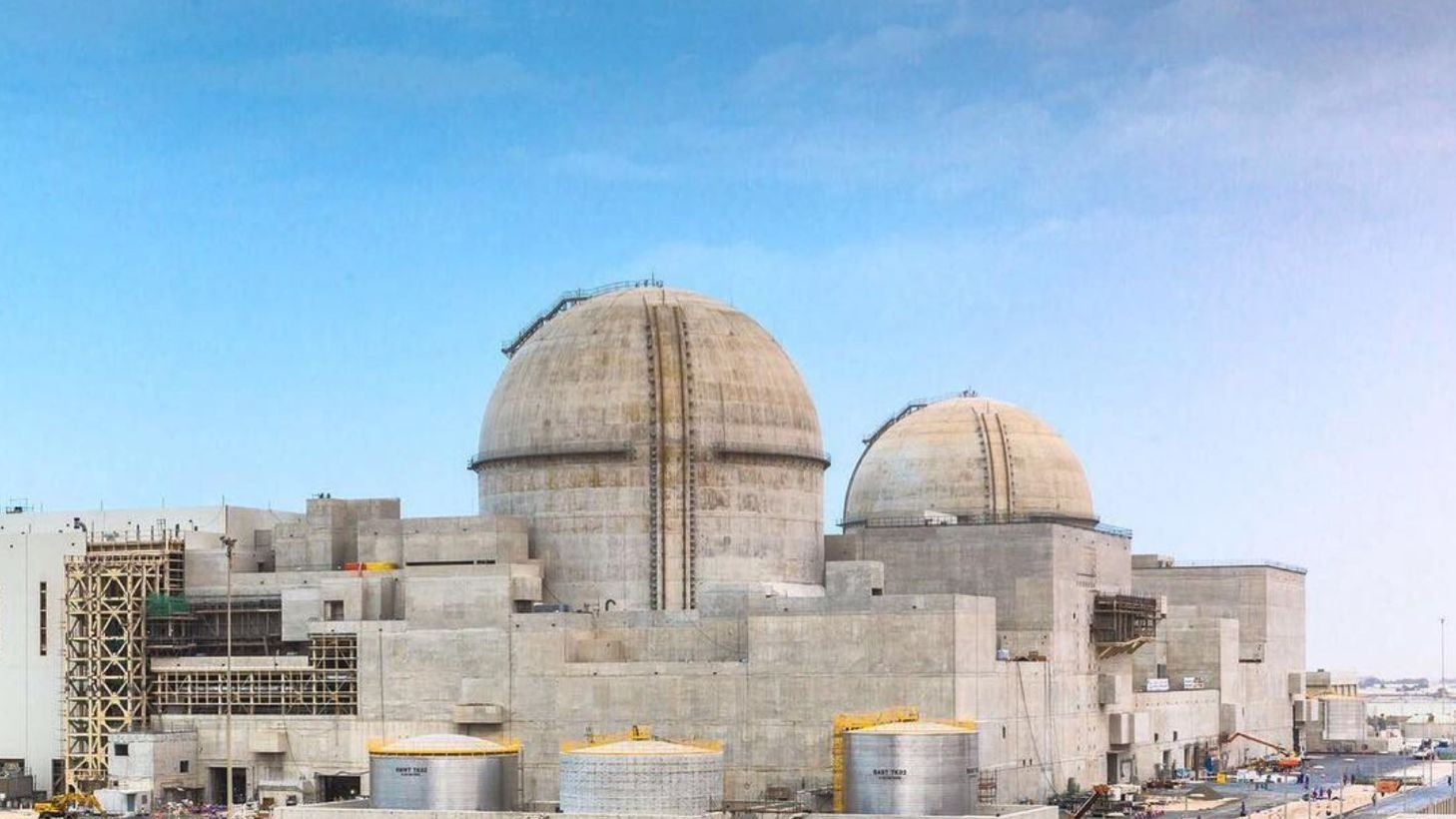
A drone strike sparked a fire Sunday on the edge of the United Arab Emirates’ Barakah nuclear power plant, the country’s only nuclear facility, in what UAE authorities described as an “unprovoked terrorist attack.” No group immediately claimed responsibility, and officials did not assign blame.
The UAE Defense Ministry said three drones crossed the country’s western border with Saudi Arabia. Two were intercepted, while the third struck near the plant. Saudi Arabia separately condemned the attack and later said it had intercepted three drones that entered from Iraqi airspace.
Per the AP report, there were no reported injuries and no radiological release.
Safety systems remained operational
The UAE’s nuclear regulator said the fire did not affect plant safety and that “all units are operating as normal.” The International Atomic Energy Agency said the strike caused a fire in an electrical generator and that one reactor was being powered by emergency diesel generators.
Barakah is a four-reactor facility built with South Korean assistance at a reported cost of $20 billion. It began operating in 2020 and is the only nuclear power plant in the Arab world. The station can supply roughly one-quarter of the UAE’s electricity needs.
The attack marked the first known wartime strike on Barakah itself. Yemen’s Iran-backed Houthi movement claimed in 2017 that it had targeted the plant while it was still under construction, a claim Abu Dhabi denied at the time.
Regional tensions frame the incident
The strike came amid rising tension around the Strait of Hormuz and a fragile ceasefire in the wider conflict involving Iran, Israel and the United States. The UAE has hosted Israeli air defenses and personnel and has recently accused Iran of launching drone and missile attacks.
Anwar Gargash, a diplomatic adviser to the UAE president, said the attack, “whether carried out by the principal actor or through one of its proxies, represents a dangerous escalation.” Iran and allied Shiite militias in Iraq have previously launched drone attacks against Gulf Arab states during the war.
Shortly after speaking with Israeli Prime Minister Benjamin Netanyahu, U.S. President Donald Trump posted that Iran should move “FAST.” In Tehran, Mohsen Rezaei, a military adviser to Iran’s supreme leader, said on state television that Iran’s armed forces were ready while diplomacy continued.
Different nuclear programs, different safeguards
The UAE’s nuclear program operates under a strict U.S. “123 agreement,” under which Abu Dhabi agreed not to enrich uranium domestically or reprocess spent fuel. Its uranium is imported, a structure intended to reduce proliferation concerns.
That framework differs sharply from Iran’s nuclear program, which remains at the center of long-running disputes with Washington and Israel. Iran says its program is peaceful, but it has enriched uranium near weapons-grade levels and has faced scrutiny over past military dimensions and limits on U.N. inspections. Israel is widely believed to be the region’s only nuclear-armed state, though it has neither confirmed nor denied possessing such weapons.
Ceasefire shows further signs of strain
The latest strike underscored the vulnerability of nuclear infrastructure in conflict zones, a risk also seen during Russia’s invasion of Ukraine and in reported attacks near Iran’s Bushehr plant.
Two people familiar with the matter, including an Israeli military officer, told the AP that Israel is coordinating with the United States on a possible resumption of attacks. Speaking to his Cabinet, Netanyahu said Israel was “prepared for any scenario.”
On Iranian state television, presenters on at least two channels appeared armed during live broadcasts, including one segment in which a host received basic firearms instruction from a masked Revolutionary Guard member. The broadcasts added to signs that, despite the ceasefire, the confrontation remains unstable.
Recommended Comments