




-
TL;DR: Israel is set to deploy the Iron Beam, a laser-based air defense system designed to complement existing missile interceptors by targeting drones and small projectiles with rapid, low-cost laser strikes. Developed over a decade, this technology aims to address weaknesses revealed in recent conflicts, where traditional missile defenses failed to fully prevent attacks. Iron Beam represents a strategic innovation in layered air defense, offering near-instantaneous response and negligible firing costs, though challenges like weather impact remain. As the world’s first operational high-energy laser air defense system, its performance could redefine future missile defense strategies globally.
Israel Announces Imminent Deployment of 'Iron Beam' Laser Air Defense System
The Israeli Ministry of Defense has confirmed the completion of its pioneering "Iron Beam" laser-based interception system, with rollout to the Israel Defense Forces (IDF) expected by the end of December. Officials emphasize that the new technology represents a significant innovation in the country’s layered air defense strategy.
System Overview and Capabilities
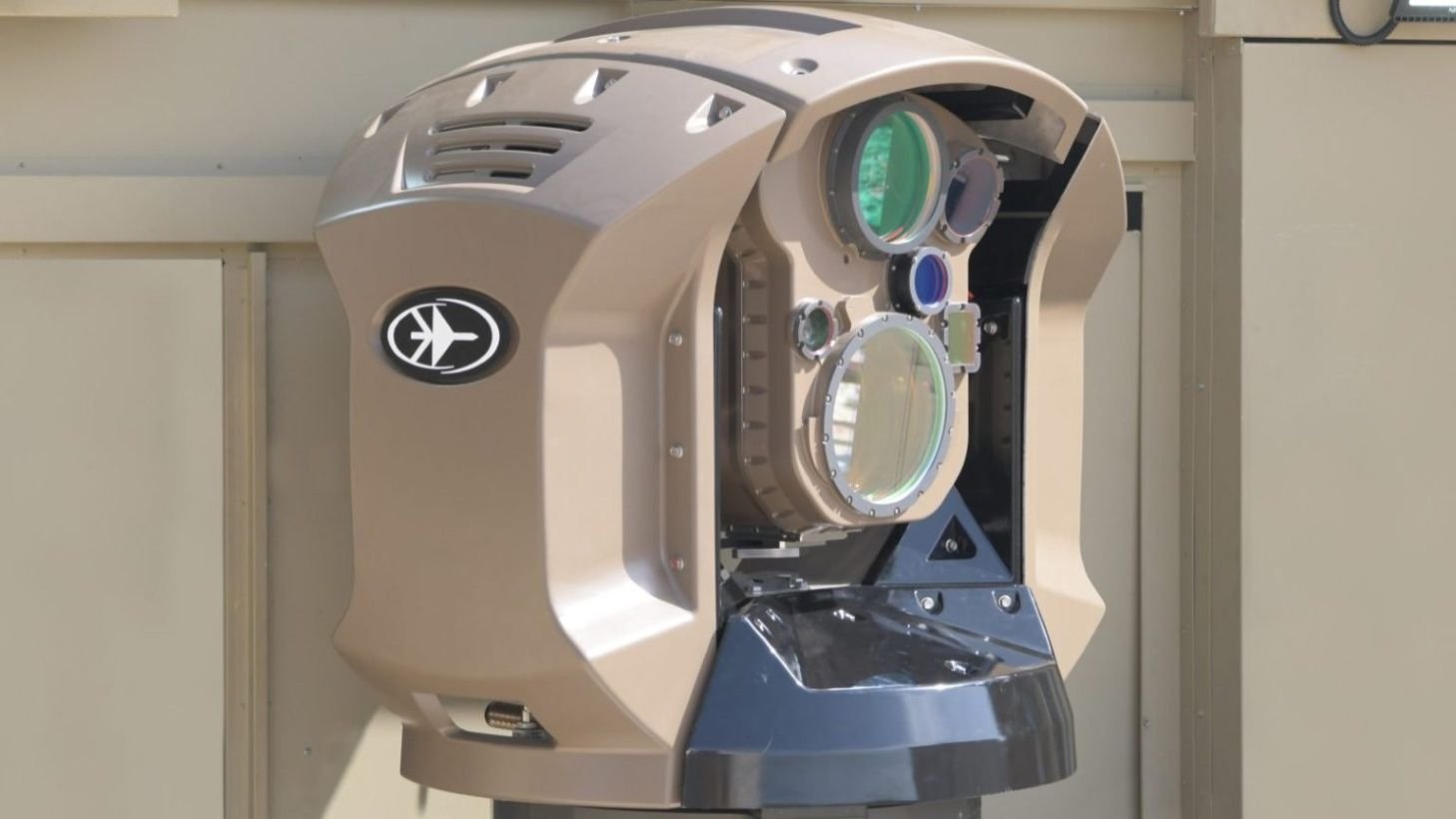
Developed jointly by the state-owned Rafael Advanced Defense Systems and Elbit Systems, the Iron Beam project has spanned over a decade of research and development. According to Daniel Gold, head of the Ministry of Defense's research directorate, the system has passed a comprehensive testing program and is ready for "initial operational capability" before the year concludes.
Iron Beam uses a high-energy laser to neutralize aerial threats, particularly targeting drones and small projectiles that have challenged conventional interceptor systems. Rafael described the system as a “ground-based high-power laser air defense system,” noting its ability to "rapidly neutralize threats using laser technology at negligible cost" compared to traditional missile interceptors.
Context: Evolving Security Challenges
The deployment comes at a time of elevated security concerns in Israel, with ongoing military confrontations along the northern border against Hezbollah and the aftermath of recent hostilities with Iran. Despite the existence of a ceasefire with Hezbollah established a year ago, Israeli military operations targeting the group have intensified.
Iron Beam’s introduction is partly driven by lessons learned during the 12-day conflict with Iran in June. During that period, Israel's missile defense apparatus—including systems such as Iron Dome, David's Sling, and Arrow—failed to intercept all incoming projectiles, resulting in over 50 missile strikes and 28 reported fatalities. These shortcomings have accelerated interest in supplementary technologies capable of countering diverse and increasingly sophisticated aerial threats.
Integration with Existing Defense Systems
Iron Beam is intended to complement, rather than replace, established Israeli air defense systems. The Iron Dome, highly effective against rockets and short-range missiles, and the David's Sling and Arrow systems, which target longer-range and ballistic missiles, comprise Israel's multi-tiered missile shield. The laser system addresses the need for an economical and rapid-response solution to saturating attacks by low-cost, fast-moving munitions.
While Iron Dome has demonstrated consistent performance, particularly in intercepting rockets from Gaza, its reliance on costly interceptor missiles has prompted the search for alternatives that can be deployed more broadly and engaged more frequently.
Strategic and Technological Implications
The adoption of a laser weapon system represents a conceptual shift in air defense doctrine. Iron Beam's strengths include negligible firing costs, near-instantaneous interception capabilities, and the potential for continuous operation against multiple incoming threats. However, operational limitations—such as effectiveness in adverse weather conditions—remain under study.
Israeli defense officials have been circumspect regarding deployment specifics, and the Ministry of Defense, when contacted by media, declined to elaborate further on the timeline or initial fielding plans for Iron Beam.
Looking Ahead
The entry of Iron Beam into active service is viewed as a milestone in modern air defense, with Israel becoming the first country globally to field a high-energy laser system for operational use. If proven effective in combat scenarios, Iron Beam may offer a model for future systems worldwide, potentially reshaping the economics and strategies of missile defense for years to come.
Recommended Comments