




-
TL;DR: Navy completing a month‑long review of the Ford‑class to decide if design, systems (notably EMALS), and full life‑cycle costs justify changes before buying CVN‑82/83; review seeks to validate claimed billions in savings and a roughly 30% sortie‑rate gain using USS Gerald R. Ford operational data. Findings will shape procurement approach and timelines (CVN‑82 eyed for FY2029) but do not signal abandoning carriers as a core naval capability.
Navy Review Targets Next Ford-class Carrier Design
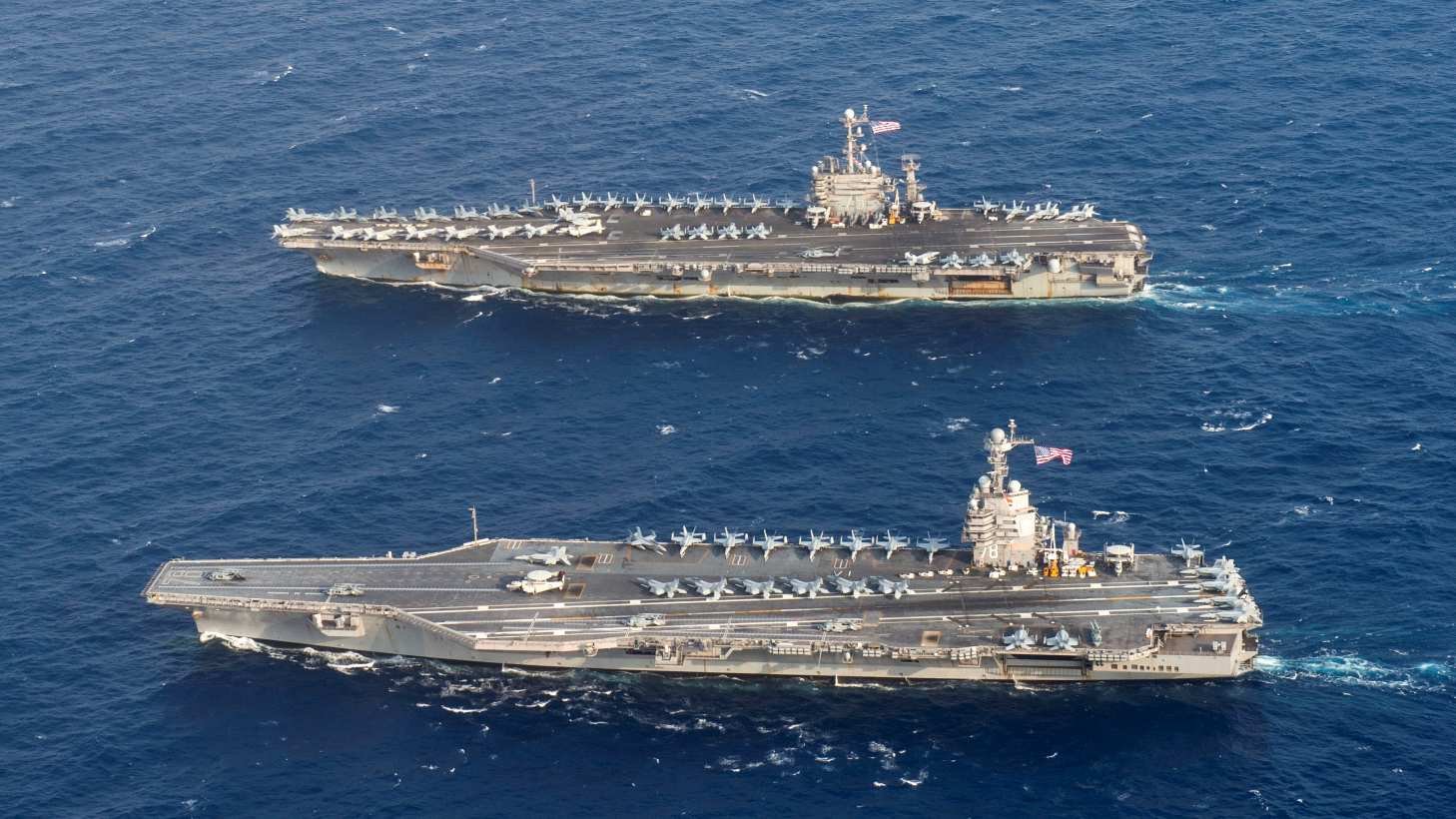
Per a USNI report, the U.S. Navy is completing a study of the Ford-class aircraft carrier program that could shape the design and procurement approach for CVN-82 and CVN-83, the next two ships planned in the class. Secretary of the Navy John Phelan said the review is examining cost, design, and onboard systems to determine whether changes are needed before future contract decisions.
Speaking during a media roundtable at the Navy League’s Sea-Air-Space symposium, Phelan said the assessment is intended to ensure the ships align with future force design requirements and remain practical given their share of the Navy budget. He said President Donald Trump is aware of the review and that the effort is expected to conclude within about a month.
Focus on Cost, Systems, and Long-Term Value
Phelan said the review is not limited to acquisition cost. It is also evaluating the full life-cycle burden of the ships, including maintenance expenses over decades of service. He described the effort as a check on whether the Ford-class is delivering the savings and operational benefits long associated with the design.
A central issue is whether the class’s newer systems justify their expense. The review includes scrutiny of the Electromagnetic Aircraft Launch System, or EMALS, and whether it has produced the expected reductions in manpower and maintenance costs. Phelan said Navy claims of billions in projected savings need to be validated.
Sortie Rate Data Under Examination
Another major line of inquiry is sortie generation rate, a key performance measure for aircraft carriers. The original Ford-class concept promised a roughly 30 percent increase in sortie generation compared with the Nimitz class. Phelan said the Navy is reviewing the performance of USS Gerald R. Ford (CVN-78), the lead ship, to better understand whether that advantage is being realized in practice.
He also said the Navy is monitoring broader aircraft and launch-system data, including questions about whether EMALS reduces stress on airframes compared with legacy steam catapults. The service has previously argued that the electromagnetic system is less taxing on aircraft, but Phelan indicated the department wants firmer evidence.
Navy Officials Cite Operational Results
At the Pentagon during the Fiscal Year 2027 budget rollout, Rear Adm. Ben Reynolds, the deputy assistant secretary of the Navy for budget, pointed to Ford’s current deployment spanning U.S. Southern Command and the Middle East as evidence of the class’s operational value. He said the ship’s sortie rate would prove “eye-watering,” though he did not provide figures.
In a February release, the Navy said preliminary results from the sortie generation test program showed the flight deck design, EMALS, and Advanced Arresting Gear had increased sortie generation relative to a Nimitz-class carrier. The service did not disclose by how much.
Procurement Timeline and Next Steps
A Navy official said the ongoing review will inform decisions on how to buy and build CVN-82 and CVN-83. The official described the Ford class as a battle-proven design and said the current review of the CVN-82 baseline is intended to further increase lethality.
Reynolds said the timing is appropriate because the Navy is now far enough into operating the class to identify changes worth making. The Fiscal Year 2027 five-year budget outlook projects procurement of CVN-82 in Fiscal Year 2029.
Phelan said it is too early to say whether the review will alter the broader program, but added that carriers will remain part of the fleet. “We will have carriers,” he said, calling them an important component of U.S. naval force structure.
Recommended Comments