




-
TL;DR: CSIS estimates U.S. and partner forces used more than half of prewar stocks of key interceptors during the 39‑day Iran campaign — roughly 1,060–1,430 of ~2,330 Patriots and 190–290 of ~360 THAAD rounds — plus heavy use of Tomahawks (>850), JASSMs (>1,000), PrSM (40–70), SM‑3 (130–250) and SM‑6 (190–370). While current inventories can sustain the present conflict, the report warns depleted missile‑defense and long‑range strike stocks leave the U.S. vulnerable in high‑end contingencies such as a Western Pacific war, because ballistic missile defense has few viable substitutes. Rebuilding to prewar levels will take years even with planned production increases (Patriot and THAAD delivery timelines measured in ~42–53 months; PAC‑3 contracts ~29 months to start manufacturing), constraining near‑term allied support—notably for Ukraine’s Patriot needs.
CSIS Estimates Heavy U.S. Air Defense Expenditure in Iran Conflict
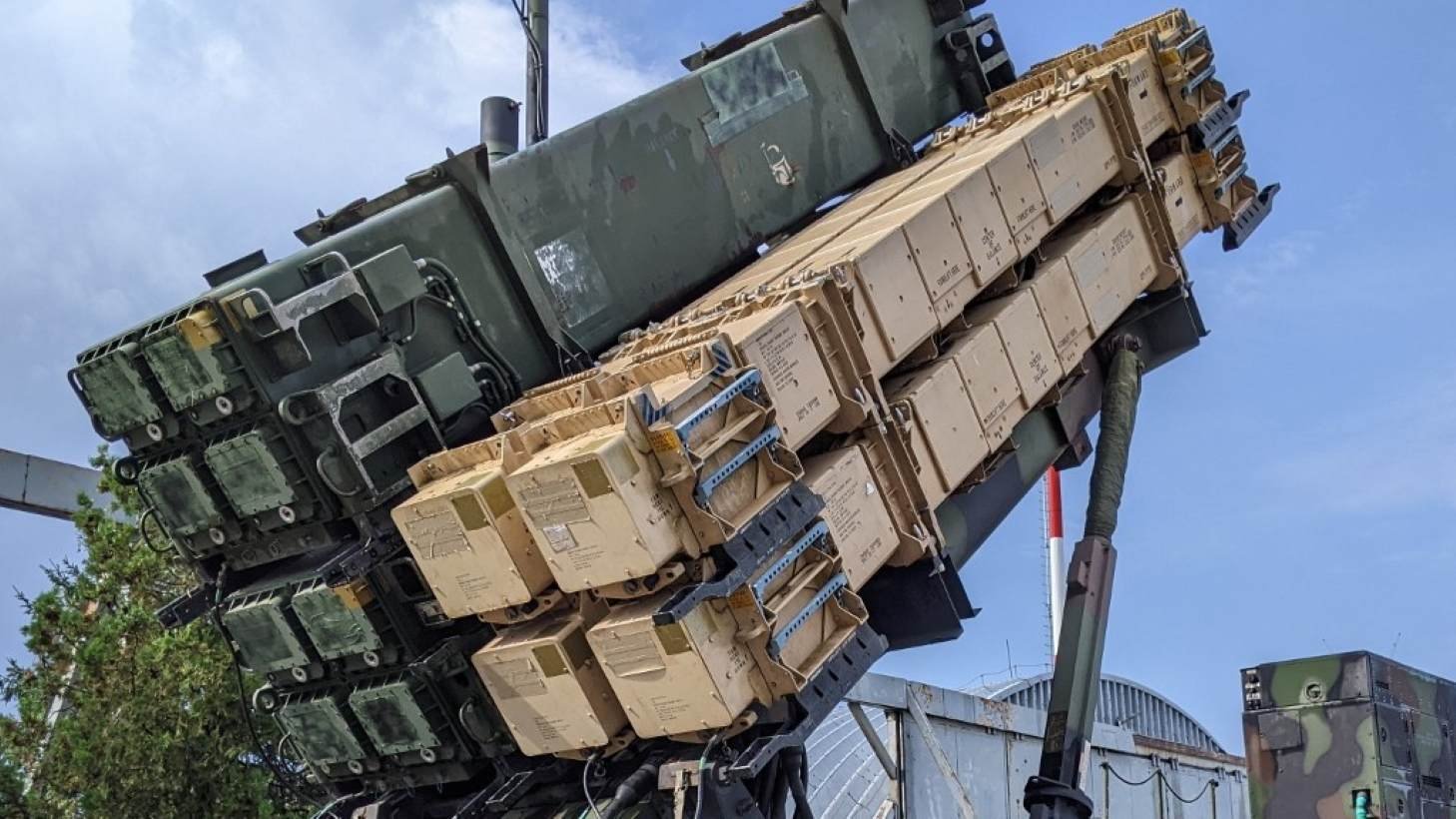
A new Center for Strategic and International Studies analysis, published April 21, estimates that the United States and its partners have consumed more than half of the available stocks of two key missile defense interceptors during the Iran war. CSIS assessed prewar U.S. inventories at roughly 2,330 Patriot interceptors and 360 THAAD interceptors, with wartime use estimated at 1,060 to 1,430 Patriots and 190 to 290 THAAD rounds.
The report examined seven critical munitions used during the campaign before a ceasefire pause took hold after 39 days of major air and missile operations. CSIS said four of those seven munitions may have fallen below half of prewar inventory levels. Other estimated expenditures included more than 850 Tomahawks, more than 1,000 JASSMs, 40 to 70 Precision Strike Missiles, 130 to 250 SM-3s, and 190 to 370 SM-6s.
Current War Sustainable, Future Risk Increased
CSIS concluded that U.S. forces still retain enough missiles to continue the present conflict under plausible scenarios. The larger concern, it said, is the effect on future contingencies, particularly a Western Pacific war requiring many of the same long-range strike and missile defense systems.
The report argues that inventories were already considered insufficient for a peer conflict before the Iran campaign. Rebuilding stocks to prewar levels is expected to take one to four years as missiles already in procurement are delivered, while expanding beyond those levels will take longer.
Limited Substitutes for Ballistic Missile Defense
For strike missions and some drone defense roles, the U.S. military has lower-cost alternatives, including JDAMs, Small Diameter Bombs, APKWS rockets, and interceptor drones. CSIS said those options helped reduce demand for the most expensive long-range munitions as Iranian air defenses weakened and attack volumes fell.
That substitution is far less feasible for ballistic missile defense. Patriot, THAAD, and Standard Missiles remain the primary tools against ballistic threats, and CSIS identified no effective replacement for those systems in that role. THAAD was described as especially constrained because of its low interceptor inventory, limited battery count, and dependence on AN/TPY-2 radars.
Implications for Ukraine and Other Buyers
The findings carry implications for Ukraine, which relies on Patriot systems to counter Russian ballistic missiles such as the Iskander-M and Kinzhal. Kyiv has repeatedly criticized the use of Patriot interceptors against Iranian Shahed drones in the Middle East, arguing that those rounds are needed more urgently for high-end missile defense.
Ukraine has expanded cheaper anti-drone options, including domestically developed interceptor drones, but remains dependent on outside supply of PAC-3-class interceptors for ballistic missile defense. CSIS also said reduced U.S. inventories will affect supply decisions for Ukraine and other allies seeking Patriot, THAAD, and PrSM deliveries.
Production Expansion Will Take Time
Industry has announced plans to raise output, but near-term relief appears limited. Lockheed Martin aims to increase PAC-3 MSE production to 2,000 missiles annually by 2030, while THAAD interceptor capacity is planned to rise to 400 per year from 96. Raytheon is also expanding Patriot GEM-T production in Germany, though those lines are not yet operational.
Even with additional funding, delivery timelines remain long. CSIS estimates total delivery time at about 42 months for Patriot and 53 months for THAAD. For PAC-3 MSE specifically, the report says contracts take about 29 months to move from appropriation to the start of manufacturing, underscoring that replenishment will be measured in years rather than months.
Recommended Comments