

Uncrowned Guard
-
Posts
1,109 -
Joined
-
Last visited
Content Type
Profiles
Uncrowned Armory News
Prepping Cookbook
Conspiracy Theories
Uncrowned Tactical Sports News
Prepping
Forums
Events
Everything posted by Uncrowned Guard
-

 Springfield Armory Introduces 1911 Operator AOS Threaded Pistols Springfield Armory has expanded its well-regarded line of 1911 handguns with the launch of the Operator AOS Threaded series, designed specifically to meet the rising demand for suppressor-ready pistols. This new offering reflects a growing trend among firearm enthusiasts, who increasingly seek compatibility with muzzle devices such as suppressors and compensators. Enhanced Features for Modern Shooters The 1911 Operator AOS Threaded model arrives chambered in .45 ACP, a classic caliber with enduring popularity. It features a 5.75-inch forged stainless steel threaded barrel (.578 x 28), making it adaptable for various muzzle attachments. The slide and frame are both forged from carbon steel and treated with Cerakote finishes, providing increased durability against abrasions and adverse weather conditions. In addition to robust construction, the new model comes optics-ready and is equipped with tritium front sights paired with a black serrated rear, allowing for improved sight acquisition in a range of lighting conditions. The pistol maintains the traditional GI-style recoil system and includes VZ Grips G10, enhancing shooter control and overall handling. Color Options and Specifications Springfield Armory offers the 1911 Operator AOS Threaded in four colorways: Black, Coyote Brown, OD Green, and Tungsten Gray. Regardless of finish, each pistol shares the same manufacturer's suggested retail price (MSRP) of $1,289. Other specifications include two 8-round magazines, an overall weight of 42 ounces, a length of 8.6 inches, and a height of 5.25 inches. This standardization provides buyers with multiple aesthetic choices without compromising core performance or pricing. Manufacturer’s Perspective Steve Kramer, Vice President of Marketing for Springfield Armory, emphasized the Operator AOS Threaded’s position within the company’s broader portfolio. "The 1911 Operator AOS Threaded .45 adds a new dimension of performance to the proven Operator line of pistols," Kramer stated. He highlighted the customizable finishes and the suppressor-ready configuration as key enhancements aimed at discerning 1911 enthusiasts. Adapting to Changing Preferences The introduction of the Operator AOS Threaded series marks Springfield Armory’s continued adaptation to evolving shooter preferences. As suppressor use becomes more widespread among civilian and professional users, firearms manufacturers are responding by integrating compatibility as a standard feature. With its classic design, modernized features, and versatility in both appearance and function, the 1911 Operator AOS Threaded is positioned to appeal to long-time fans of the platform as well as new users seeking a reliable and customizable .45 ACP handgun.
 -
Springfield Armory Introduces 1911 Operator AOS Threaded Pistols Springfield Armory has expanded its well-regarded line of 1911 handguns with the launch of the Operator AOS Threaded series, designed specifically to meet the rising demand for suppressor-ready pistols. This new offering reflects a growing trend among firearm enthusiasts, who increasingly seek compatibility with muzzle devices such as suppressors and compensators. Enhanced Features for Modern Shooters The 1911 Operator AOS Threaded model arrives chambered in .45 ACP, a classic caliber with enduring popularity. It features a 5.75-inch forged stainless steel threaded barrel (.578 x 28), making it adaptable for various muzzle attachments. The slide and frame are both forged from carbon steel and treated with Cerakote finishes, providing increased durability against abrasions and adverse weather conditions. In addition to robust construction, the new model comes optics-ready and is equipped with tritium front sights paired with a black serrated rear, allowing for improved sight acquisition in a range of lighting conditions. The pistol maintains the traditional GI-style recoil system and includes VZ Grips G10, enhancing shooter control and overall handling. Color Options and Specifications Springfield Armory offers the 1911 Operator AOS Threaded in four colorways: Black, Coyote Brown, OD Green, and Tungsten Gray. Regardless of finish, each pistol shares the same manufacturer's suggested retail price (MSRP) of $1,289. Other specifications include two 8-round magazines, an overall weight of 42 ounces, a length of 8.6 inches, and a height of 5.25 inches. This standardization provides buyers with multiple aesthetic choices without compromising core performance or pricing. Manufacturer’s Perspective Steve Kramer, Vice President of Marketing for Springfield Armory, emphasized the Operator AOS Threaded’s position within the company’s broader portfolio. "The 1911 Operator AOS Threaded .45 adds a new dimension of performance to the proven Operator line of pistols," Kramer stated. He highlighted the customizable finishes and the suppressor-ready configuration as key enhancements aimed at discerning 1911 enthusiasts. Adapting to Changing Preferences The introduction of the Operator AOS Threaded series marks Springfield Armory’s continued adaptation to evolving shooter preferences. As suppressor use becomes more widespread among civilian and professional users, firearms manufacturers are responding by integrating compatibility as a standard feature. With its classic design, modernized features, and versatility in both appearance and function, the 1911 Operator AOS Threaded is positioned to appeal to long-time fans of the platform as well as new users seeking a reliable and customizable .45 ACP handgun. View full article
-
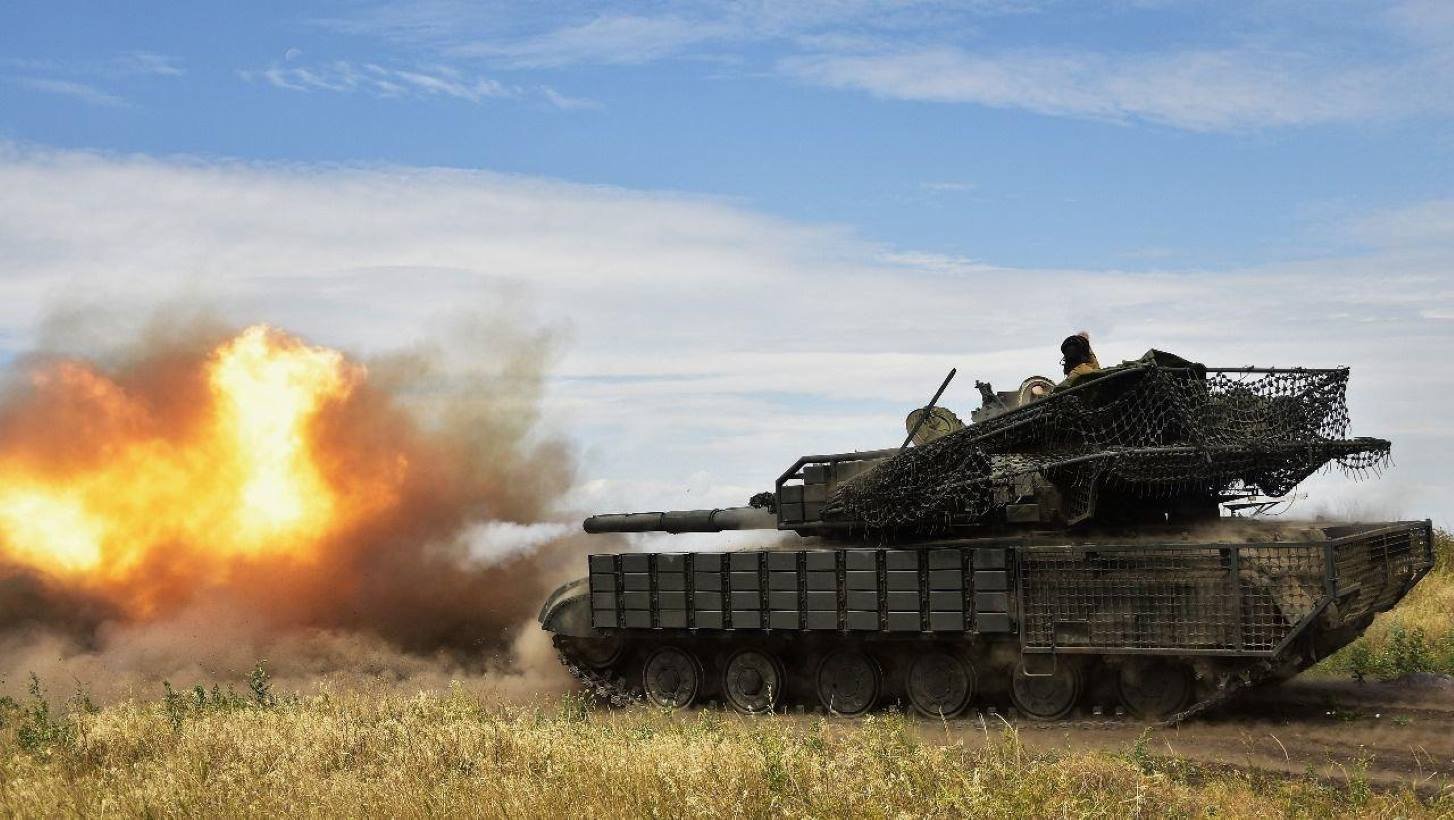 Intense Clash in Sumy Oblast Reported by Ukrainian Intelligence A major confrontation erupted in Ukraine’s Sumy Oblast as Ukrainian special forces reportedly repelled a large-scale Russian attack, resulting in significant Russian casualties, according to the country’s main intelligence agency. The Hostility marks a pivotal moment along a contested stretch of northeastern Ukraine, highlighting ongoing volatility in the region. Claims of Heavy Russian Losses Amid Failed Advance Ukraine’s military intelligence agency (HUR) stated that its special operations unit successfully thwarted an attempt by Russian troops to advance deeper into Sumy Oblast. In an official statement released on August 5, HUR claimed that over eight Russian companies were destroyed during the clash, estimating at least 334 Russian personnel killed and more than 550 wounded. To support these assertions, the agency included video footage purporting to show Ukrainian soldiers engaged in close-quarters combat, along with drone and artillery strikes targeting Russian positions. The intelligence service further alleged that the Tymur Special Unit, operating behind enemy lines, disrupted Russian logistics by targeting supply lines and ammunition depots. HUR also cited intercepted communications suggesting hesitancy among Russian soldiers to confront the Ukrainian special forces directly. Escalation in the Northeastern Border Region This episode follows a broader Russian push into Sumy Oblast, a region that has experienced renewed hostilities since Russian forces consolidated control in adjacent Kursk Oblast. Moscow has publicly expressed its aim to create a "buffer zone" along the border, escalating military activity in the area since June as part of its summer campaign. In response, Ukrainian forces assert that they have not only contained the advance but also reclaimed several contested settlements. Notably, Ukraine’s military announced the retaking of Kindrativka village on July 27, shortly after recapturing Andriivka—a sign, they say, of weakening Russian momentum. Verification and the Evolving Situation While the Ukrainian government has released video and communication intercepts related to these events, the specific timing and location of the major skirmish remain undisclosed. Independent media outlets, including The Kyiv Independent, have not been able to fully verify the claims regarding Russian casualties and the extent of battlefield successes. Currently, Russia maintains control over a number of villages near the border in Sumy Oblast. However, Ukrainian President Volodymyr Zelensky has expressed optimism, noting the gradual progress made by Ukrainian forces in reclaiming territory from Russian control. Looking Ahead: Tension Remains High The situation along the Sumy Oblast border continues to develop rapidly. Ukrainian claims of successful defensive operations underscore both the scale of the ongoing conflict and the persistent uncertainty regarding the real-time status of the front lines. As hostilities persist throughout the summer, independent verification and further developments will be critical in assessing the true impact of these reported clashes.
 -
Intense Clash in Sumy Oblast Reported by Ukrainian Intelligence A major confrontation erupted in Ukraine’s Sumy Oblast as Ukrainian special forces reportedly repelled a large-scale Russian attack, resulting in significant Russian casualties, according to the country’s main intelligence agency. The Hostility marks a pivotal moment along a contested stretch of northeastern Ukraine, highlighting ongoing volatility in the region. Claims of Heavy Russian Losses Amid Failed Advance Ukraine’s military intelligence agency (HUR) stated that its special operations unit successfully thwarted an attempt by Russian troops to advance deeper into Sumy Oblast. In an official statement released on August 5, HUR claimed that over eight Russian companies were destroyed during the clash, estimating at least 334 Russian personnel killed and more than 550 wounded. To support these assertions, the agency included video footage purporting to show Ukrainian soldiers engaged in close-quarters combat, along with drone and artillery strikes targeting Russian positions. The intelligence service further alleged that the Tymur Special Unit, operating behind enemy lines, disrupted Russian logistics by targeting supply lines and ammunition depots. HUR also cited intercepted communications suggesting hesitancy among Russian soldiers to confront the Ukrainian special forces directly. Escalation in the Northeastern Border Region This episode follows a broader Russian push into Sumy Oblast, a region that has experienced renewed hostilities since Russian forces consolidated control in adjacent Kursk Oblast. Moscow has publicly expressed its aim to create a "buffer zone" along the border, escalating military activity in the area since June as part of its summer campaign. In response, Ukrainian forces assert that they have not only contained the advance but also reclaimed several contested settlements. Notably, Ukraine’s military announced the retaking of Kindrativka village on July 27, shortly after recapturing Andriivka—a sign, they say, of weakening Russian momentum. Verification and the Evolving Situation While the Ukrainian government has released video and communication intercepts related to these events, the specific timing and location of the major skirmish remain undisclosed. Independent media outlets, including The Kyiv Independent, have not been able to fully verify the claims regarding Russian casualties and the extent of battlefield successes. Currently, Russia maintains control over a number of villages near the border in Sumy Oblast. However, Ukrainian President Volodymyr Zelensky has expressed optimism, noting the gradual progress made by Ukrainian forces in reclaiming territory from Russian control. Looking Ahead: Tension Remains High The situation along the Sumy Oblast border continues to develop rapidly. Ukrainian claims of successful defensive operations underscore both the scale of the ongoing conflict and the persistent uncertainty regarding the real-time status of the front lines. As hostilities persist throughout the summer, independent verification and further developments will be critical in assessing the true impact of these reported clashes. View full article
-
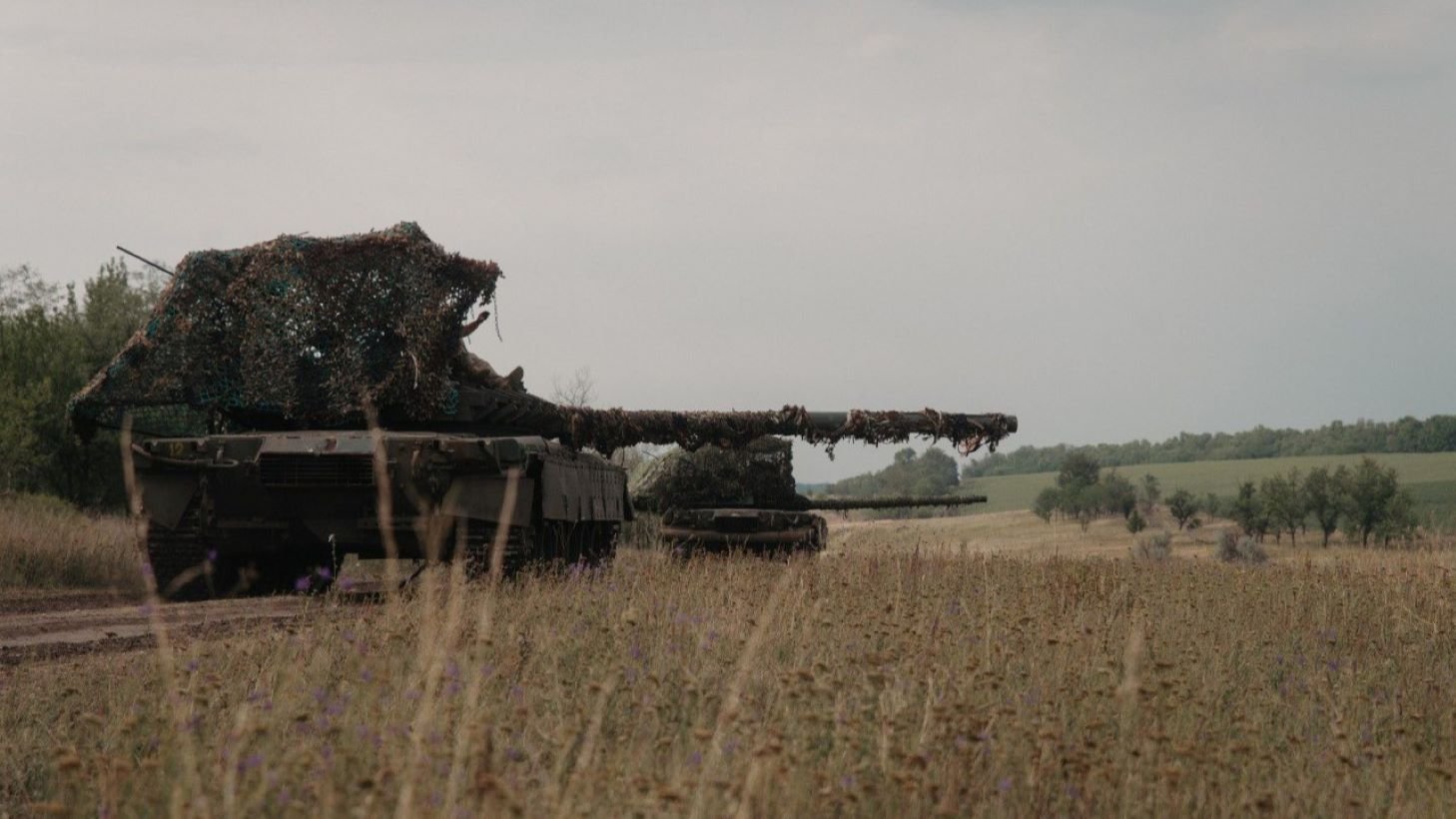 Russian Forces Regroup Near Dnipro River Amid Shifting Tactics in Kherson Oblast Russian military forces have reduced the frequency of direct assault operations in the Kherson region over the past 24 hours, according to statements from Ukrainian military spokespeople. This tactical pause appears linked to preparations for renewed maneuvers across the island zones of the Dnipro River, a key front in the ongoing conflict. A Strategic Pause in Assault Activity Serhii Bratchuk, spokesperson for Ukraine's Southern Defense Forces, explained that despite a reduction in active assaults, Russian forces remain entrenched on the left bank of the Dnipro. From these positions, they have continued to target Ukrainian-held territory, including persistent strikes on the city of Kherson and adjacent areas. “The decrease in the number of assault operations is related to the regrouping of Russian units,” Bratchuk noted, emphasizing that Russian troops appear to be consolidating before renewing offensives against the island zones situated near the right bank of Kherson Oblast. Although combat activity on the islands continues, Ukrainian military officials do not interpret the regrouping as a sign of an imminent large-scale offensive. “There is currently no indication that the Russians have amassed a force capable of launching a major military operation in the region,” Bratchuk said, reiterating that the current maneuvers primarily point to localized tactical objectives. Persistent Pressure on Civilian Areas While ground assaults have temporarily lessened, Ukrainian officials highlight that Russian attacks on civilian infrastructure and residential areas remain intense. According to Bratchuk, Russian shelling continues with significant frequency, incorporating artillery, guided aerial bombs, and an estimated 200 to 250 FPV (first-person-view) drone strikes daily against communities on the Dnipro’s right bank. These patterns reflect ongoing efforts to disrupt daily life and undermine population morale in liberated Ukrainian territories, despite reduced direct military engagement on the islands. Patterns of Engagement and Defensive Probing Further clarification came from Vladyslav Voloshyn, spokesperson for Ukraine's Southern Armed Forces, who noted that the current lull follows a period of heightened Russian military activity throughout the river's island zones. Over the past week, Russian units reportedly conducted operations on islands such as Zabych and Nestyha, as well as near key infrastructure points like the Antonivsky railway bridge. These actions involved limited-scale combat engagements, typically one or two per location, suggesting a strategy focused more on reconnaissance and probing than on seizing territory. Voloshyn suggested these operations were intended to test Ukrainian defenses, map minefields, and assess engineering obstacles, rather than initiate a sustained offensive. Kherson Remains a Critical Battleground Kherson Oblast continues to hold strategic significance as it borders occupied Crimea and serves as a point of contest along the Dnipro River. Ukrainian forces regained the river’s right bank in November 2022, but Russian positions on the left bank have allowed continued shelling and occasional incursions. Most recently, on August 2, Russian forces targeted a vital bridge in Kherson with two guided bomb strikes, damaging infrastructure that connects the city center with the Korabel neighborhood. The attack prompted local authorities to issue evacuation appeals to residents in response to escalating risks. Outlook: Tensions Persist Amid Tactical Repositioning The current reduction in large-scale Russian assaults in Kherson Oblast indicates a phase of tactical reassessment rather than a cessation of hostilities. Ukrainian officials remain vigilant, tracking both the massing of Russian units near the Dnipro’s island zones and the ongoing threat to civilian populations from long-range strikes and drone attacks. As the “island war” continues along this contested stretch of the Dnipro, the region remains a focal point in the broader conflict, with both sides adapting their operational approaches amidst an evolving battlefield landscape.
 -
Russian Forces Regroup Near Dnipro River Amid Shifting Tactics in Kherson Oblast Russian military forces have reduced the frequency of direct assault operations in the Kherson region over the past 24 hours, according to statements from Ukrainian military spokespeople. This tactical pause appears linked to preparations for renewed maneuvers across the island zones of the Dnipro River, a key front in the ongoing conflict. A Strategic Pause in Assault Activity Serhii Bratchuk, spokesperson for Ukraine's Southern Defense Forces, explained that despite a reduction in active assaults, Russian forces remain entrenched on the left bank of the Dnipro. From these positions, they have continued to target Ukrainian-held territory, including persistent strikes on the city of Kherson and adjacent areas. “The decrease in the number of assault operations is related to the regrouping of Russian units,” Bratchuk noted, emphasizing that Russian troops appear to be consolidating before renewing offensives against the island zones situated near the right bank of Kherson Oblast. Although combat activity on the islands continues, Ukrainian military officials do not interpret the regrouping as a sign of an imminent large-scale offensive. “There is currently no indication that the Russians have amassed a force capable of launching a major military operation in the region,” Bratchuk said, reiterating that the current maneuvers primarily point to localized tactical objectives. Persistent Pressure on Civilian Areas While ground assaults have temporarily lessened, Ukrainian officials highlight that Russian attacks on civilian infrastructure and residential areas remain intense. According to Bratchuk, Russian shelling continues with significant frequency, incorporating artillery, guided aerial bombs, and an estimated 200 to 250 FPV (first-person-view) drone strikes daily against communities on the Dnipro’s right bank. These patterns reflect ongoing efforts to disrupt daily life and undermine population morale in liberated Ukrainian territories, despite reduced direct military engagement on the islands. Patterns of Engagement and Defensive Probing Further clarification came from Vladyslav Voloshyn, spokesperson for Ukraine's Southern Armed Forces, who noted that the current lull follows a period of heightened Russian military activity throughout the river's island zones. Over the past week, Russian units reportedly conducted operations on islands such as Zabych and Nestyha, as well as near key infrastructure points like the Antonivsky railway bridge. These actions involved limited-scale combat engagements, typically one or two per location, suggesting a strategy focused more on reconnaissance and probing than on seizing territory. Voloshyn suggested these operations were intended to test Ukrainian defenses, map minefields, and assess engineering obstacles, rather than initiate a sustained offensive. Kherson Remains a Critical Battleground Kherson Oblast continues to hold strategic significance as it borders occupied Crimea and serves as a point of contest along the Dnipro River. Ukrainian forces regained the river’s right bank in November 2022, but Russian positions on the left bank have allowed continued shelling and occasional incursions. Most recently, on August 2, Russian forces targeted a vital bridge in Kherson with two guided bomb strikes, damaging infrastructure that connects the city center with the Korabel neighborhood. The attack prompted local authorities to issue evacuation appeals to residents in response to escalating risks. Outlook: Tensions Persist Amid Tactical Repositioning The current reduction in large-scale Russian assaults in Kherson Oblast indicates a phase of tactical reassessment rather than a cessation of hostilities. Ukrainian officials remain vigilant, tracking both the massing of Russian units near the Dnipro’s island zones and the ongoing threat to civilian populations from long-range strikes and drone attacks. As the “island war” continues along this contested stretch of the Dnipro, the region remains a focal point in the broader conflict, with both sides adapting their operational approaches amidst an evolving battlefield landscape. View full article
-
 Boeing Defense Workers Launch First St. Louis Strike Since 1996 Approximately 3,200 members of the International Association of Machinists and Aerospace Workers (IAM) in St. Louis began a strike against Boeing’s defense unit early Monday, a move set to directly affect the production of the F/A-18 Super Hornet, F-15EX, and other key military assets. This labor action, notably the first in St. Louis for Boeing workers since 1996, signals heightened tensions between the defense giant and its skilled workforce over contract negotiations. Production of Key Military Platforms Disrupted The St. Louis facility is recognized as a linchpin in Boeing’s defense operations, responsible for producing advanced fighter aircraft, the Joint Direct Attack Munition, the MQ-25 autonomous tanker drone, and the T-7A Red Hawk trainer. Looking ahead, the site is slated for the sixth-generation F-47 fighter program, following a recent contract award. The current strike raises concerns over delivery schedules and sustained production for these high-priority defense programs. Contract Talks Stall Over Wages, Conditions Sunday’s union vote to reject Boeing’s latest contract proposal marked a breakdown in negotiations. While the company’s revised offer included improvements to retirement plans and removed an unpopular alternative workweek, it did not raise wages beyond the original figure. IAM District 837 leaders argued that the terms failed to adequately reflect the workforce’s skills and vital national defense role. “Our members have spoken loud and clear—they deserve fairness and respect,” stated Tom Boelling, the union’s directing business representative. Boeing executives expressed disappointment over the outcome. Dan Gillian, senior executive for the St. Louis site, highlighted that the package on the table offered average wage growth of 40% as well as modifications to work schedules. The company has activated contingency measures to maintain partial operations using non-striking staff. Broader Implications for Boeing and Defense Supply Chain The industrial action comes as labor unions across the aerospace and automotive sectors have gained momentum, achieving notable gains in pay and benefits amid a tight labor market influenced by the pandemic’s economic aftermath. Analysts note that for Boeing, a protracted work stoppage could impact recent improvements in the division’s financial health, potentially disrupting delivery on several high-value government contracts. Boeing CEO Kelly Ortberg, while acknowledging the strike’s significance, asserted that its overall impact would be more limited compared to last year’s two-month machinist walkout in Seattle, which involved around 30,000 workers and cost the company, suppliers, and clients nearly $10 billion collectively. “We’ll manage through this. I wouldn’t worry too much about the implications of the strike,” Ortberg commented last week, aiming to reassure stakeholders. Looking Ahead The situation remains fluid as both Boeing management and IAM leadership signal their readiness for further negotiations but also brace for a potentially extended standoff. Observers note that a swift resolution will be critical for averting broader disruptions in U.S. defense procurement and maintaining stability in Boeing’s defense manufacturing operations.
 -
Boeing Defense Workers Launch First St. Louis Strike Since 1996 Approximately 3,200 members of the International Association of Machinists and Aerospace Workers (IAM) in St. Louis began a strike against Boeing’s defense unit early Monday, a move set to directly affect the production of the F/A-18 Super Hornet, F-15EX, and other key military assets. This labor action, notably the first in St. Louis for Boeing workers since 1996, signals heightened tensions between the defense giant and its skilled workforce over contract negotiations. Production of Key Military Platforms Disrupted The St. Louis facility is recognized as a linchpin in Boeing’s defense operations, responsible for producing advanced fighter aircraft, the Joint Direct Attack Munition, the MQ-25 autonomous tanker drone, and the T-7A Red Hawk trainer. Looking ahead, the site is slated for the sixth-generation F-47 fighter program, following a recent contract award. The current strike raises concerns over delivery schedules and sustained production for these high-priority defense programs. Contract Talks Stall Over Wages, Conditions Sunday’s union vote to reject Boeing’s latest contract proposal marked a breakdown in negotiations. While the company’s revised offer included improvements to retirement plans and removed an unpopular alternative workweek, it did not raise wages beyond the original figure. IAM District 837 leaders argued that the terms failed to adequately reflect the workforce’s skills and vital national defense role. “Our members have spoken loud and clear—they deserve fairness and respect,” stated Tom Boelling, the union’s directing business representative. Boeing executives expressed disappointment over the outcome. Dan Gillian, senior executive for the St. Louis site, highlighted that the package on the table offered average wage growth of 40% as well as modifications to work schedules. The company has activated contingency measures to maintain partial operations using non-striking staff. Broader Implications for Boeing and Defense Supply Chain The industrial action comes as labor unions across the aerospace and automotive sectors have gained momentum, achieving notable gains in pay and benefits amid a tight labor market influenced by the pandemic’s economic aftermath. Analysts note that for Boeing, a protracted work stoppage could impact recent improvements in the division’s financial health, potentially disrupting delivery on several high-value government contracts. Boeing CEO Kelly Ortberg, while acknowledging the strike’s significance, asserted that its overall impact would be more limited compared to last year’s two-month machinist walkout in Seattle, which involved around 30,000 workers and cost the company, suppliers, and clients nearly $10 billion collectively. “We’ll manage through this. I wouldn’t worry too much about the implications of the strike,” Ortberg commented last week, aiming to reassure stakeholders. Looking Ahead The situation remains fluid as both Boeing management and IAM leadership signal their readiness for further negotiations but also brace for a potentially extended standoff. Observers note that a swift resolution will be critical for averting broader disruptions in U.S. defense procurement and maintaining stability in Boeing’s defense manufacturing operations. View full article
-
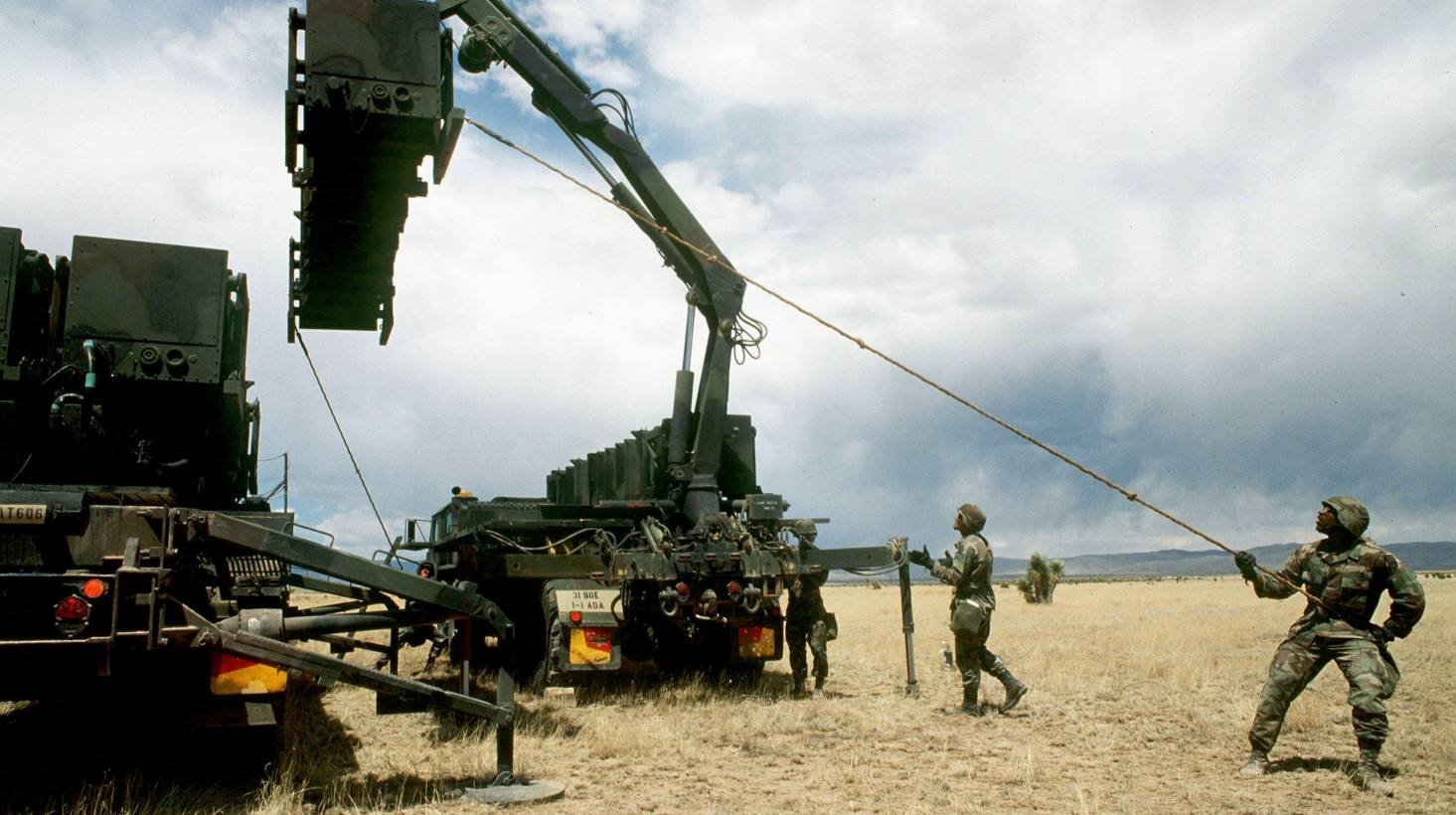 Netherlands Announces Major Military Aid Package for Ukraine The Netherlands has confirmed it will provide a major military aid package to Ukraine, totaling €500 million (approximately $579 million). Dutch Defense Minister Ruben Brekelmans stated on August 4 that the package will consist primarily of U.S.-made weapon systems, including essential Patriot missile components. Focus on Air Defense Amid Intensifying Threats This announcement comes as Ukraine faces a significant rise in Russian air attacks, including a record number of drone and missile strikes targeting both military and civilian infrastructure. Over 6,100 drones were reportedly launched against Ukraine in July alone, and a single night saw 728 drones used in attacks across the country. Responding to these heightened threats, Brekelmans emphasized the urgency of strengthening Ukraine’s air defense: “Ukraine needs more air defense and ammunition now,” he stated on social media. He further highlighted the Netherlands' pioneering role, noting it is the first NATO ally to commit such a package under a new arrangement for delivering U.S. weapon systems. Ukrainian and International Response The Netherlands’ decision was quickly welcomed by President Volodymyr Zelensky, who thanked the Dutch government for its “substantial contribution” to Ukraine’s air defense. Zelensky stressed that reinforcing Ukraine’s defensive capabilities benefits both his country and wider European security. He linked the move to tangible progress made at the recent NATO summit in The Hague, praising the practical outcomes it has generated. Zelensky also expressed gratitude to NATO Secretary General Mark Rutte and Dutch Prime Minister Dick Schoof for their roles in facilitating the aid. NATO Allies Collaborate on Defense Support Scheme The Dutch commitment represents the first delivery under a new initiative enabling NATO member states to purchase advanced U.S. arms for delivery to Ukraine. U.S. Ambassador to NATO Matthew Whitaker described the Netherlands’ announcement as “the first of many,” indicating a wave of forthcoming contributions from other NATO members who are pooling resources to supply armaments and munitions to Ukraine. Germany has also joined these efforts, pledging two additional Patriot air defense launchers with further components expected in the coming months. German Defense Minister Boris Pistorius reassured that these deliveries would not undermine Germany’s NATO commitments, as arrangements have been made to replenish German stockpiles promptly. Continued International Support Expected As Ukraine contends with escalating aerial assaults, support from NATO allies appears set to increase, both in scale and coordination. The Netherlands' latest package underscores the alliance’s evolving strategy of joint procurement and targeted assistance in response to the conflict’s intensifying demands. Further announcements from other NATO countries are anticipated in the near future as collective efforts to bolster Ukraine’s defenses gain momentum.
 -
Netherlands Announces Major Military Aid Package for Ukraine The Netherlands has confirmed it will provide a major military aid package to Ukraine, totaling €500 million (approximately $579 million). Dutch Defense Minister Ruben Brekelmans stated on August 4 that the package will consist primarily of U.S.-made weapon systems, including essential Patriot missile components. Focus on Air Defense Amid Intensifying Threats This announcement comes as Ukraine faces a significant rise in Russian air attacks, including a record number of drone and missile strikes targeting both military and civilian infrastructure. Over 6,100 drones were reportedly launched against Ukraine in July alone, and a single night saw 728 drones used in attacks across the country. Responding to these heightened threats, Brekelmans emphasized the urgency of strengthening Ukraine’s air defense: “Ukraine needs more air defense and ammunition now,” he stated on social media. He further highlighted the Netherlands' pioneering role, noting it is the first NATO ally to commit such a package under a new arrangement for delivering U.S. weapon systems. Ukrainian and International Response The Netherlands’ decision was quickly welcomed by President Volodymyr Zelensky, who thanked the Dutch government for its “substantial contribution” to Ukraine’s air defense. Zelensky stressed that reinforcing Ukraine’s defensive capabilities benefits both his country and wider European security. He linked the move to tangible progress made at the recent NATO summit in The Hague, praising the practical outcomes it has generated. Zelensky also expressed gratitude to NATO Secretary General Mark Rutte and Dutch Prime Minister Dick Schoof for their roles in facilitating the aid. NATO Allies Collaborate on Defense Support Scheme The Dutch commitment represents the first delivery under a new initiative enabling NATO member states to purchase advanced U.S. arms for delivery to Ukraine. U.S. Ambassador to NATO Matthew Whitaker described the Netherlands’ announcement as “the first of many,” indicating a wave of forthcoming contributions from other NATO members who are pooling resources to supply armaments and munitions to Ukraine. Germany has also joined these efforts, pledging two additional Patriot air defense launchers with further components expected in the coming months. German Defense Minister Boris Pistorius reassured that these deliveries would not undermine Germany’s NATO commitments, as arrangements have been made to replenish German stockpiles promptly. Continued International Support Expected As Ukraine contends with escalating aerial assaults, support from NATO allies appears set to increase, both in scale and coordination. The Netherlands' latest package underscores the alliance’s evolving strategy of joint procurement and targeted assistance in response to the conflict’s intensifying demands. Further announcements from other NATO countries are anticipated in the near future as collective efforts to bolster Ukraine’s defenses gain momentum. View full article
-
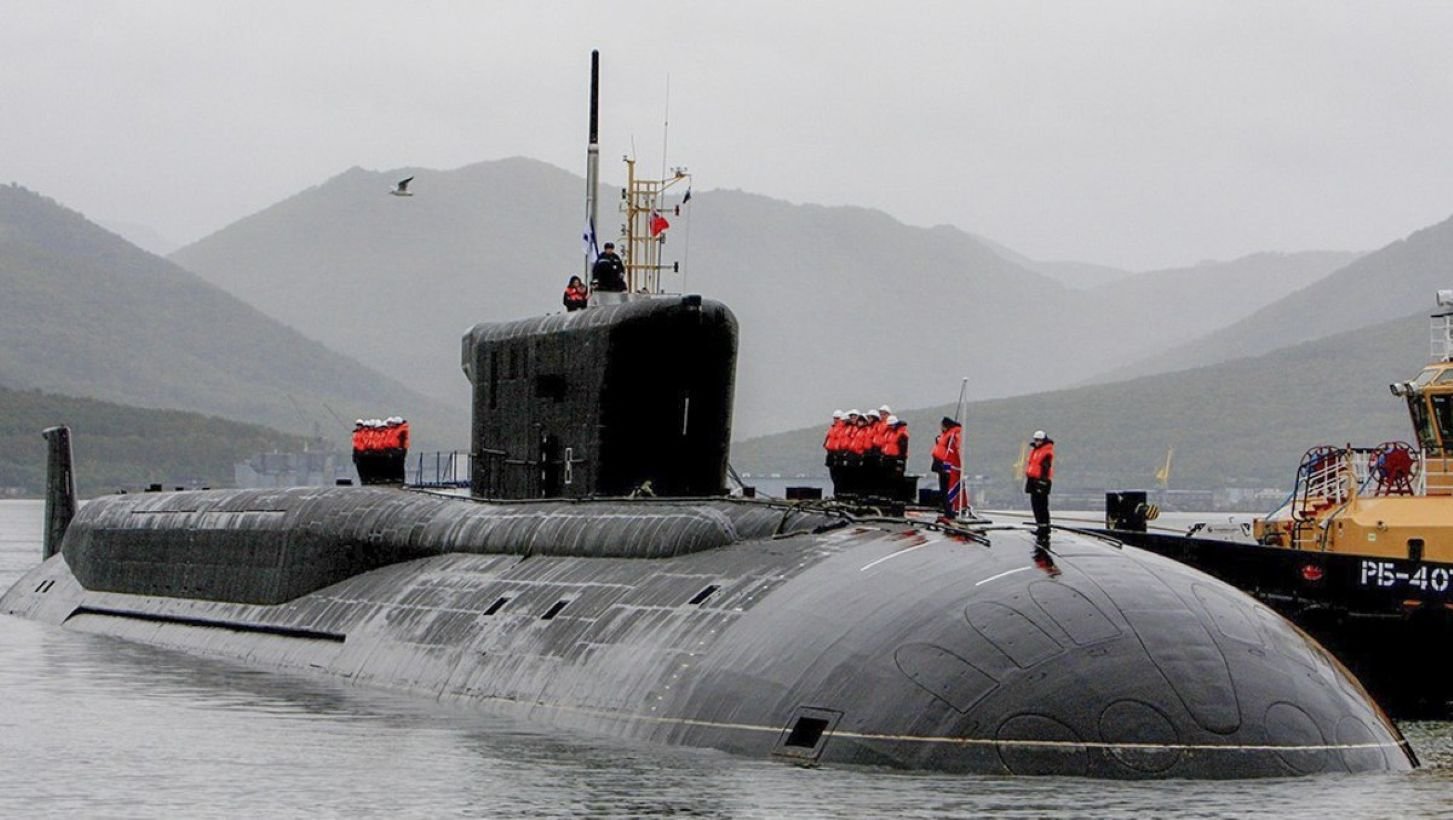 Ukrainian Intelligence Acquires Comprehensive Data on Russia’s Newest Nuclear Submarine The Ukrainian Defense Intelligence Directorate (HUR) has announced the acquisition of in-depth classified documentation related to the Russian Navy’s latest nuclear-powered ballistic missile submarine, “Knyaz Pozharsky.” A flagship of the Project 955A Borei-A class, the vessel reportedly entered service in July 2025 and currently operates out of Gadzhiyevo in the Murmansk region within Russia’s Northern Fleet. Detailed Technical and Operational Documentation Leaked According to the HUR’s August 3 statement, the obtained materials provide a rare glimpse into the inner workings of the Knyaz Pozharsky. The leaks allegedly cover a wide spectrum of sensitive data, including exhaustive crew lists detailing individual roles, qualifications, and fitness standards. Additionally, the documents encompass operational combat manuals, daily routines, and the submarine’s internal structure from a personnel perspective. Technical assets seized in the leak extend to vessel schematics, survivability systems, and engineering protocols. Notably, documented procedures cover casualty evacuation, logistical cargo transfers, and towing operations. The trove also includes an official assessment of a deformed communications buoy, accompanied by a list of responsible organizations and the commission involved. Excerpts from the vessel’s daily schedule book further illuminate the operational cadence aboard the Borei-A class submarine. Borei-A Class: Pillar of Russian Naval Deterrence Commissioned under the supervision of Russian President Vladimir Putin, the “Knyaz Pozharsky” is the latest in Russia’s strategic push to modernize its submarine fleet. Construction commenced in 2016, with trial voyages in 2024 leading up to its 2025 induction as the fifth Borei-A class submarine—and the fourth in regular serial production. Equipped to play a critical role in Russia’s nuclear deterrent, each Borei-A submarine is armed with 16 R-30 Bulava ballistic missile tubes. Each missile possesses the capability to deploy up to 10 independently targetable warheads, underscoring the class’s survivability and strategic reach. The vessel also boasts 533mm torpedo launchers, integrating conventional maritime defense alongside its nuclear mission. Enhanced Stealth and System Upgrades Refinements in the Borei-A design distinguish the Knyaz Pozharsky and her sisters from earlier variants. Modifications to hull shape, bow structure, and sail architecture were implemented to minimize acoustic detection and boost stealth performance. Alongside these structural advances, adjustments to the missile launch complex enhance weapon deployment capabilities, highlighting a trend toward increased survivability for Russia’s submarine force. Ukrainian Analysis and Regional Implications Ukrainian intelligence officials have signaled that the extensive documentation affords unprecedented insight, not only into the latest Russian submarine but also into the broader characteristics and limitations of the Borei-A class as a whole. The revelations are expected to inform assessments of Russia’s naval nuclear deterrent posture and could contribute to strategic recalibrations in the region. This disclosure follows recent milestones in Russian naval modernization, including the delivery of the Yakutsk—an Improved Kilo-class (Project 636.3) diesel-electric submarine—completing the Pacific Fleet’s six-submarine program. Armed with Kalibr missiles and tailored for covert operations, these assets underscore Russia’s ongoing investments in undersea warfare amid heightened regional tensions.
 -
Ukrainian Intelligence Acquires Comprehensive Data on Russia’s Newest Nuclear Submarine The Ukrainian Defense Intelligence Directorate (HUR) has announced the acquisition of in-depth classified documentation related to the Russian Navy’s latest nuclear-powered ballistic missile submarine, “Knyaz Pozharsky.” A flagship of the Project 955A Borei-A class, the vessel reportedly entered service in July 2025 and currently operates out of Gadzhiyevo in the Murmansk region within Russia’s Northern Fleet. Detailed Technical and Operational Documentation Leaked According to the HUR’s August 3 statement, the obtained materials provide a rare glimpse into the inner workings of the Knyaz Pozharsky. The leaks allegedly cover a wide spectrum of sensitive data, including exhaustive crew lists detailing individual roles, qualifications, and fitness standards. Additionally, the documents encompass operational combat manuals, daily routines, and the submarine’s internal structure from a personnel perspective. Technical assets seized in the leak extend to vessel schematics, survivability systems, and engineering protocols. Notably, documented procedures cover casualty evacuation, logistical cargo transfers, and towing operations. The trove also includes an official assessment of a deformed communications buoy, accompanied by a list of responsible organizations and the commission involved. Excerpts from the vessel’s daily schedule book further illuminate the operational cadence aboard the Borei-A class submarine. Borei-A Class: Pillar of Russian Naval Deterrence Commissioned under the supervision of Russian President Vladimir Putin, the “Knyaz Pozharsky” is the latest in Russia’s strategic push to modernize its submarine fleet. Construction commenced in 2016, with trial voyages in 2024 leading up to its 2025 induction as the fifth Borei-A class submarine—and the fourth in regular serial production. Equipped to play a critical role in Russia’s nuclear deterrent, each Borei-A submarine is armed with 16 R-30 Bulava ballistic missile tubes. Each missile possesses the capability to deploy up to 10 independently targetable warheads, underscoring the class’s survivability and strategic reach. The vessel also boasts 533mm torpedo launchers, integrating conventional maritime defense alongside its nuclear mission. Enhanced Stealth and System Upgrades Refinements in the Borei-A design distinguish the Knyaz Pozharsky and her sisters from earlier variants. Modifications to hull shape, bow structure, and sail architecture were implemented to minimize acoustic detection and boost stealth performance. Alongside these structural advances, adjustments to the missile launch complex enhance weapon deployment capabilities, highlighting a trend toward increased survivability for Russia’s submarine force. Ukrainian Analysis and Regional Implications Ukrainian intelligence officials have signaled that the extensive documentation affords unprecedented insight, not only into the latest Russian submarine but also into the broader characteristics and limitations of the Borei-A class as a whole. The revelations are expected to inform assessments of Russia’s naval nuclear deterrent posture and could contribute to strategic recalibrations in the region. This disclosure follows recent milestones in Russian naval modernization, including the delivery of the Yakutsk—an Improved Kilo-class (Project 636.3) diesel-electric submarine—completing the Pacific Fleet’s six-submarine program. Armed with Kalibr missiles and tailored for covert operations, these assets underscore Russia’s ongoing investments in undersea warfare amid heightened regional tensions. View full article
-
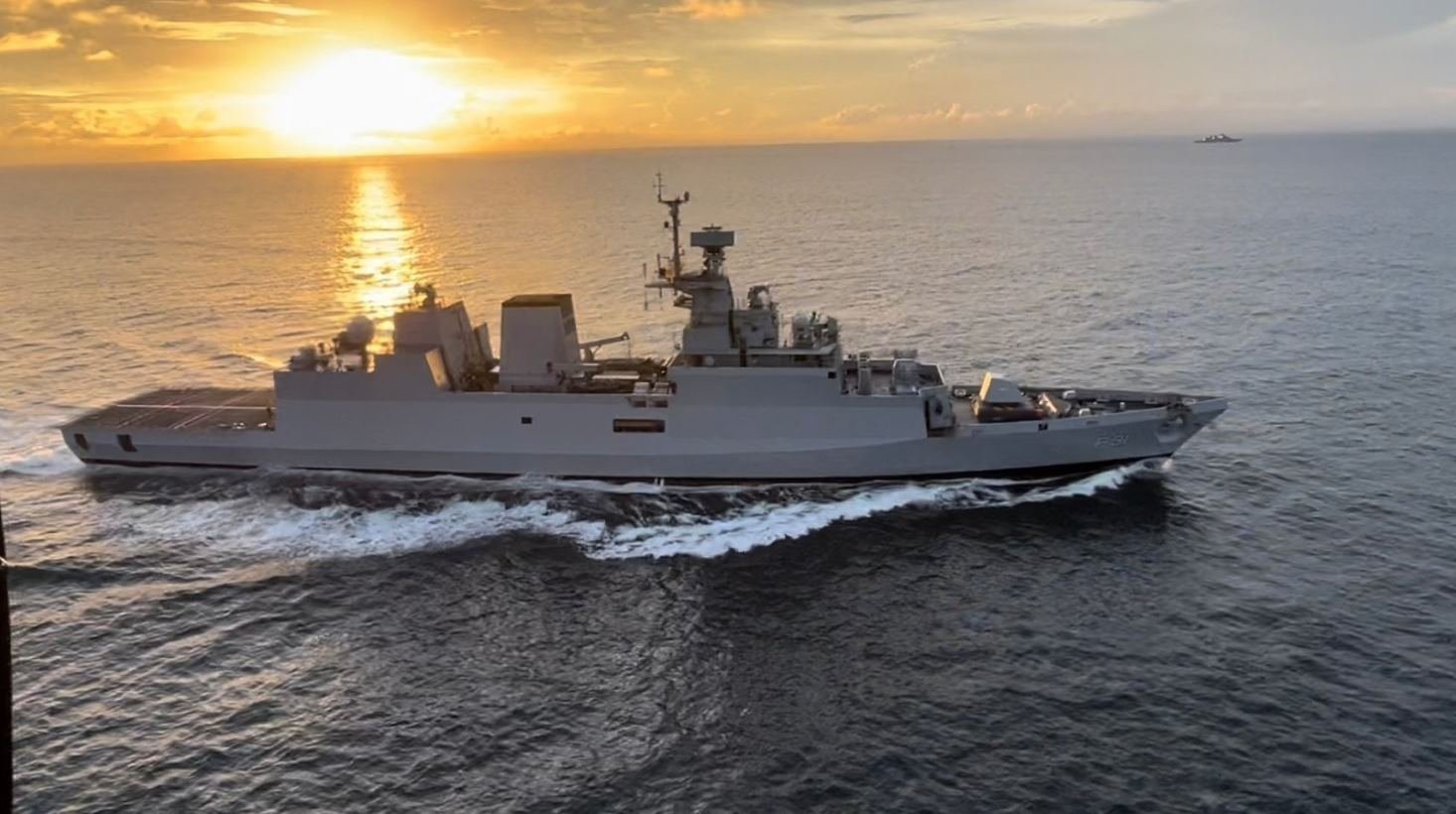 Indian and Philippine Navies Launch Landmark Joint Naval Exercise in Indo-Pacific The Indian and Philippine navies are set to commence their first-ever joint naval exercise in the Indo-Pacific, marking a significant milestone in defense cooperation between the two nations. Three Indian naval vessels—INS Delhi, INS Shakti, and INS Kiltan—arrived in Manila as part of an Eastern Fleet deployment, receiving full ceremonial honors from the Philippine Navy. Rear Admiral Susheel Menon, commanding the Eastern Fleet, underscored the importance of this engagement, noting the shared commitment to maritime security and operational collaboration during a media briefing. Deepening Strategic Maritime Partnership Over the past decade, India and the Philippines have steadily intensified their naval partnership, rooted in a shared vision of a free and rules-based Indo-Pacific. High-level defense dialogues, increased naval visits, and expanded cooperation on training and technology have laid the groundwork for this first Maritime Cooperative Activity (MCA). The conduct of the MCA signifies a move beyond port calls to structured exercises at sea, enabling both navies to test and strengthen their capacity for joint operations. The enhanced collaboration comes amid mutual support for upholding international maritime law, notably the 2016 South China Sea arbitral ruling, reflecting a convergence of strategic interests. Focused Operational Engagements and Interoperability The port call in Manila features a packed agenda aimed at enhancing operational connectivity. Joint planning meetings, subject-matter exchanges, cross-deck interactions, and cultural activities are designed to build understanding and trust between the two navies. With rising maritime tensions in the Indo-Pacific—especially in the West Philippine Sea—such activities are crucial. The focus is on joint preparedness and the ability to respond collectively to challenges such as illegal fishing, piracy, and maritime coercion. Execution of the First Maritime Cooperative Activity Central to this deployment is the bilateral MCA, scheduled for August 3 to 4 near Scarborough Shoal. This exercise will incorporate tactical surface maneuvers, seamanship drills, and coordinated communications to strengthen practical interoperability. The program aims to improve both sides' ability to operate cohesively in contested maritime areas, reaffirming their commitment to upholding peace and stability along critical sea routes. Significance and Strategic Implications A Maritime Cooperative Activity is a tailored, non-combat framework focusing on improving operational coordination against non-traditional maritime threats. Unlike extensive joint drills, the MCA emphasizes real-world mission skills, formation sailing, and rapid response to emergencies. This first MCA between India and the Philippines is a calibrated yet meaningful move, setting the stage for deeper structured naval collaboration in a region where maritime competition is on the rise. Broader Context and Diplomatic Impact India’s naval visit aligns with the country’s Act East policy and the Security and Growth for All in the Region (SAGAR) initiative, signaling a strategic expansion of India's maritime presence into the Western Pacific. The partnership also enhances the Philippines’ security posture by diversifying its defense engagements. Philippine Navy spokesperson Commander John Percie Alcos described the MCA as pivotal for advancing interoperability and fostering regional security collaboration. Taking place ahead of President Ferdinand Marcos Jr’s upcoming state visit to India, the MCA adds diplomatic momentum to ongoing defense ties. Rear Admiral Menon highlighted the endeavor as a step toward institutionalizing bilateral naval cooperation, reaffirming India’s ongoing dedication to collaborative security approaches throughout the Indo-Pacific.
 -
Indian and Philippine Navies Launch Landmark Joint Naval Exercise in Indo-Pacific The Indian and Philippine navies are set to commence their first-ever joint naval exercise in the Indo-Pacific, marking a significant milestone in defense cooperation between the two nations. Three Indian naval vessels—INS Delhi, INS Shakti, and INS Kiltan—arrived in Manila as part of an Eastern Fleet deployment, receiving full ceremonial honors from the Philippine Navy. Rear Admiral Susheel Menon, commanding the Eastern Fleet, underscored the importance of this engagement, noting the shared commitment to maritime security and operational collaboration during a media briefing. Deepening Strategic Maritime Partnership Over the past decade, India and the Philippines have steadily intensified their naval partnership, rooted in a shared vision of a free and rules-based Indo-Pacific. High-level defense dialogues, increased naval visits, and expanded cooperation on training and technology have laid the groundwork for this first Maritime Cooperative Activity (MCA). The conduct of the MCA signifies a move beyond port calls to structured exercises at sea, enabling both navies to test and strengthen their capacity for joint operations. The enhanced collaboration comes amid mutual support for upholding international maritime law, notably the 2016 South China Sea arbitral ruling, reflecting a convergence of strategic interests. Focused Operational Engagements and Interoperability The port call in Manila features a packed agenda aimed at enhancing operational connectivity. Joint planning meetings, subject-matter exchanges, cross-deck interactions, and cultural activities are designed to build understanding and trust between the two navies. With rising maritime tensions in the Indo-Pacific—especially in the West Philippine Sea—such activities are crucial. The focus is on joint preparedness and the ability to respond collectively to challenges such as illegal fishing, piracy, and maritime coercion. Execution of the First Maritime Cooperative Activity Central to this deployment is the bilateral MCA, scheduled for August 3 to 4 near Scarborough Shoal. This exercise will incorporate tactical surface maneuvers, seamanship drills, and coordinated communications to strengthen practical interoperability. The program aims to improve both sides' ability to operate cohesively in contested maritime areas, reaffirming their commitment to upholding peace and stability along critical sea routes. Significance and Strategic Implications A Maritime Cooperative Activity is a tailored, non-combat framework focusing on improving operational coordination against non-traditional maritime threats. Unlike extensive joint drills, the MCA emphasizes real-world mission skills, formation sailing, and rapid response to emergencies. This first MCA between India and the Philippines is a calibrated yet meaningful move, setting the stage for deeper structured naval collaboration in a region where maritime competition is on the rise. Broader Context and Diplomatic Impact India’s naval visit aligns with the country’s Act East policy and the Security and Growth for All in the Region (SAGAR) initiative, signaling a strategic expansion of India's maritime presence into the Western Pacific. The partnership also enhances the Philippines’ security posture by diversifying its defense engagements. Philippine Navy spokesperson Commander John Percie Alcos described the MCA as pivotal for advancing interoperability and fostering regional security collaboration. Taking place ahead of President Ferdinand Marcos Jr’s upcoming state visit to India, the MCA adds diplomatic momentum to ongoing defense ties. Rear Admiral Menon highlighted the endeavor as a step toward institutionalizing bilateral naval cooperation, reaffirming India’s ongoing dedication to collaborative security approaches throughout the Indo-Pacific. View full article
-
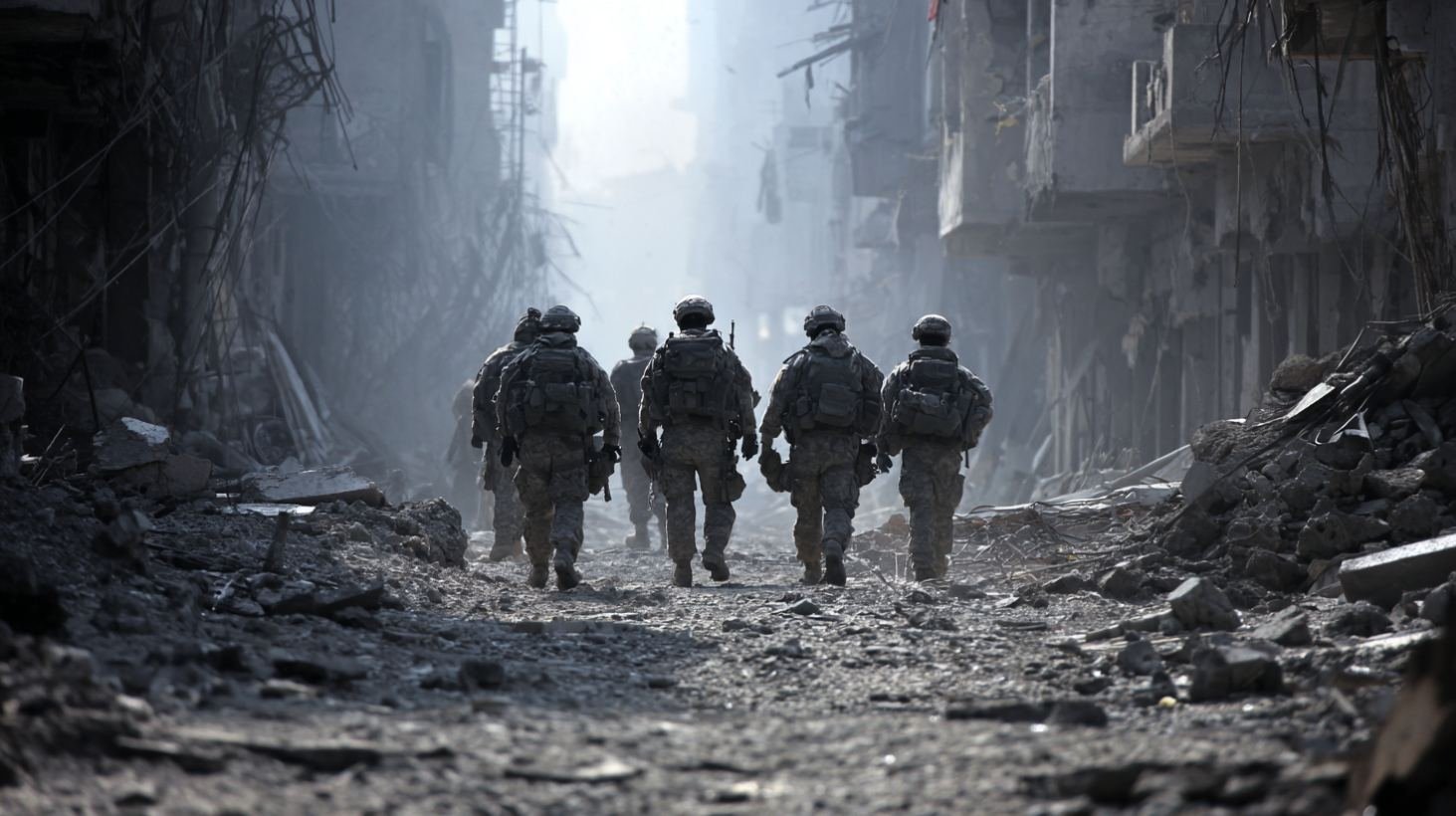 Escalations and Stalemates: A Snapshot of Conflict Hotspots This Week From the entrenched frontlines of Ukraine to the silent, simmering tensions in the Sahel, the past week has underscored the complex tapestry of global conflict. While high-profile wars dominate headlines, lesser-known flashpoints continue to shape lives and regional dynamics. Here is an update on key conflict zones and emerging crises worldwide. The Ukraine War: Attrition and Adaptation In eastern Ukraine, hostilities between defending Ukrainian forces and advancing Russian troops remain fierce. Shelling across the Donetsk and Kharkiv regions intensified, with both sides employing drones for surveillance and targeted strikes. Civilian casualties ticked upward as towns near frontline positions came under periodic bombardment. Meanwhile, diplomatic overtures in Geneva failed to yield breakthroughs, as partners debate further military aid and sanctions amidst signs of battlefield stagnation. The Gaza Strip: Ceasefire Elusive, Humanitarian Risks Mount Gaza endured a particularly fraught week, marked by continued airstrikes and intermittent rocket fire. Negotiations brokered by Egypt and Qatar showed little progress, as demands over hostages and access to aid remained unresolved. United Nations officials voiced alarm at deteriorating humanitarian conditions, warning of escalating malnutrition and disease risks among civilians sheltering in overcrowded areas. This enduring stalemate has stymied reconstruction efforts, pushing regional stability further out of reach. Protracted Tensions in Sudan’s Internal War Sudan’s internal conflict, centered around the capital Khartoum and the Darfur region, showed renewed ferocity as paramilitary Rapid Support Forces clashed with national army units. Reports indicated mass displacement and shortages of essential goods, compounded by communication blackouts in conflict zones. Despite international mediation attempts, both sides appear entrenched, complicating prospects for even a temporary cessation of hostilities. Nicaragua’s Crackdown and Silent Repression In a seldom-reported struggle, political strife in Nicaragua escalated as the government launched a sweep against opposition activists and independent journalists. Though not a conventional warzone, Nicaragua exemplifies the new face of internal conflict, where state repression replaces open warfare but brings comparable trauma and fear to communities. Myanmar’s Shifting Frontlines Armed clashes persisted in northern Myanmar between the military junta and ethnic minority insurgent groups. This week, deadly encounters erupted near the Chinese border, displacing thousands. The Tatmadaw’s use of airpower and the rebels’ guerrilla tactics have led to civilian casualties and a growing refugee crisis, complicating regional relations with neighbors, particularly Thailand and China. The Sahel: Insurgency Below the Radar Across Mali, Burkina Faso, and Niger, violence surged as jihadist groups exploited political instability and resource scarcity. Villages in rural zones faced attacks and forced displacement, with local security forces struggling to maintain order. The international community, preoccupied elsewhere, has left Sahelian states increasingly isolated as they grapple with a rapidly escalating humanitarian emergency. Conclusion: Unseen Suffering, Enduring Impacts While some conflicts garner widespread attention, many more simmer in the shadows, uprooting lives and eroding societies. The week’s developments highlight not just the scale of global warfare, but also the urgent need for humanitarian response and effective diplomacy—even in places too often relegated to the periphery of world news.
 -
Escalations and Stalemates: A Snapshot of Conflict Hotspots This Week From the entrenched frontlines of Ukraine to the silent, simmering tensions in the Sahel, the past week has underscored the complex tapestry of global conflict. While high-profile wars dominate headlines, lesser-known flashpoints continue to shape lives and regional dynamics. Here is an update on key conflict zones and emerging crises worldwide. The Ukraine War: Attrition and Adaptation In eastern Ukraine, hostilities between defending Ukrainian forces and advancing Russian troops remain fierce. Shelling across the Donetsk and Kharkiv regions intensified, with both sides employing drones for surveillance and targeted strikes. Civilian casualties ticked upward as towns near frontline positions came under periodic bombardment. Meanwhile, diplomatic overtures in Geneva failed to yield breakthroughs, as partners debate further military aid and sanctions amidst signs of battlefield stagnation. The Gaza Strip: Ceasefire Elusive, Humanitarian Risks Mount Gaza endured a particularly fraught week, marked by continued airstrikes and intermittent rocket fire. Negotiations brokered by Egypt and Qatar showed little progress, as demands over hostages and access to aid remained unresolved. United Nations officials voiced alarm at deteriorating humanitarian conditions, warning of escalating malnutrition and disease risks among civilians sheltering in overcrowded areas. This enduring stalemate has stymied reconstruction efforts, pushing regional stability further out of reach. Protracted Tensions in Sudan’s Internal War Sudan’s internal conflict, centered around the capital Khartoum and the Darfur region, showed renewed ferocity as paramilitary Rapid Support Forces clashed with national army units. Reports indicated mass displacement and shortages of essential goods, compounded by communication blackouts in conflict zones. Despite international mediation attempts, both sides appear entrenched, complicating prospects for even a temporary cessation of hostilities. Nicaragua’s Crackdown and Silent Repression In a seldom-reported struggle, political strife in Nicaragua escalated as the government launched a sweep against opposition activists and independent journalists. Though not a conventional warzone, Nicaragua exemplifies the new face of internal conflict, where state repression replaces open warfare but brings comparable trauma and fear to communities. Myanmar’s Shifting Frontlines Armed clashes persisted in northern Myanmar between the military junta and ethnic minority insurgent groups. This week, deadly encounters erupted near the Chinese border, displacing thousands. The Tatmadaw’s use of airpower and the rebels’ guerrilla tactics have led to civilian casualties and a growing refugee crisis, complicating regional relations with neighbors, particularly Thailand and China. The Sahel: Insurgency Below the Radar Across Mali, Burkina Faso, and Niger, violence surged as jihadist groups exploited political instability and resource scarcity. Villages in rural zones faced attacks and forced displacement, with local security forces struggling to maintain order. The international community, preoccupied elsewhere, has left Sahelian states increasingly isolated as they grapple with a rapidly escalating humanitarian emergency. Conclusion: Unseen Suffering, Enduring Impacts While some conflicts garner widespread attention, many more simmer in the shadows, uprooting lives and eroding societies. The week’s developments highlight not just the scale of global warfare, but also the urgent need for humanitarian response and effective diplomacy—even in places too often relegated to the periphery of world news. View full article
-
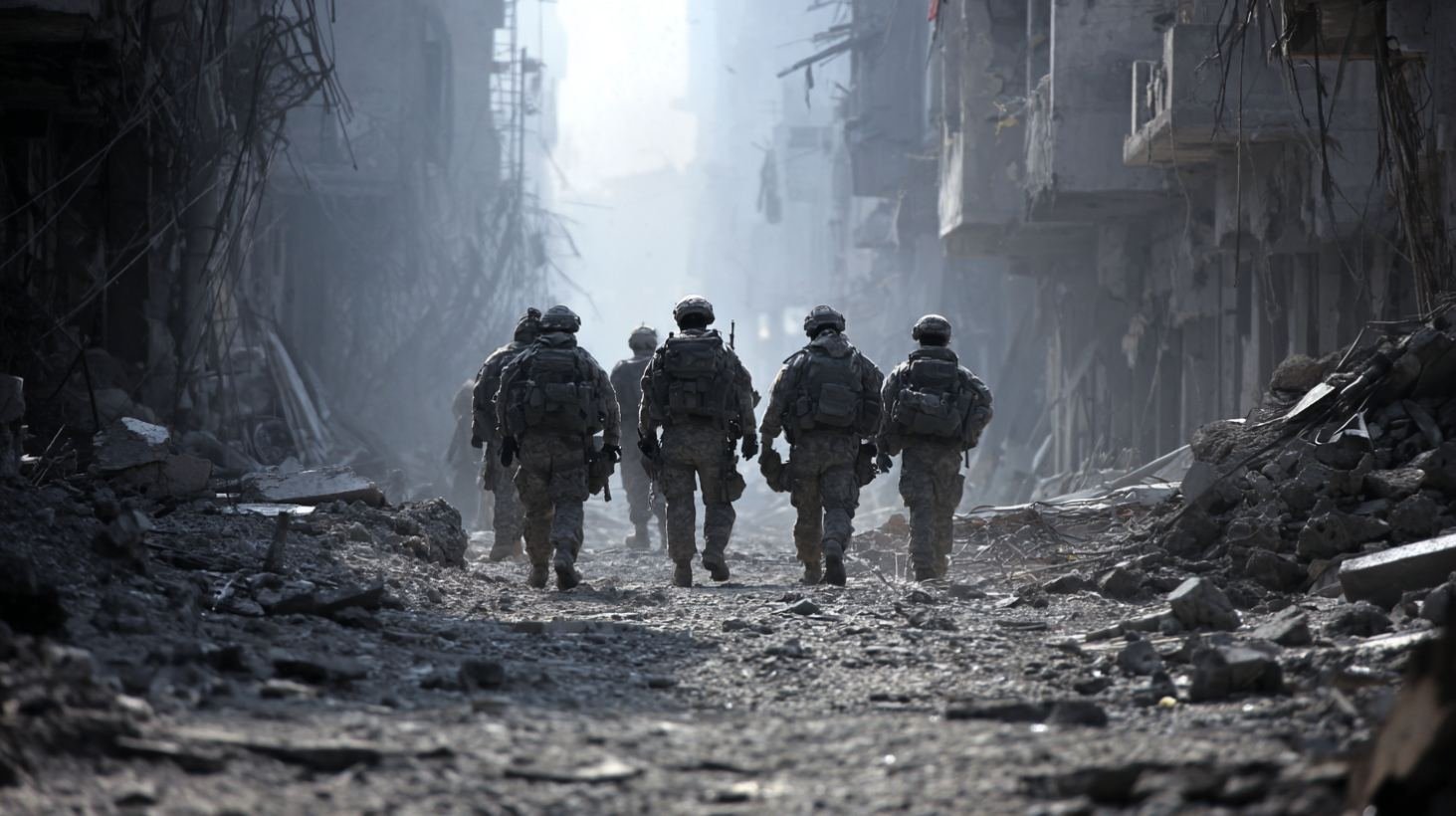 Escalation and Stalemate: Major Global Hotspots The past week has seen persistent volatility in several high-profile conflict zones. In Ukraine, both Russian and Ukrainian forces continued intense artillery exchanges, with reports of drone strikes disrupting essential infrastructure in Odesa and Kharkiv. While neither side achieved significant territorial gains, the humanitarian situation remains dire. United Nations officials warned that escalating attacks could further impede aid delivery, raising alarms about worsening civilian casualties. In the Middle East, Israel’s military operations in the Gaza Strip persisted, despite international pressure for a ceasefire. Reports from local sources indicated renewed Israeli airstrikes across central Gaza, resulting in mounting displacement as hundreds of families fled volatile zones. Meanwhile, sporadic rocket attacks targeting southern Israel contributed to ongoing insecurity, with diplomatic efforts failing to broker a sustained truce. Sudan’s brutal internal conflict between the Sudanese Armed Forces and the Rapid Support Forces raged on, particularly around El Fasher in North Darfur. Amid street battles and aerial bombardments, medical organizations warned of total collapse in local hospitals, with food shortages exacerbating the crisis for civilians trapped by fighting. Underreported Struggles: Rising Tensions in Lesser-Known Arenas While headline-grabbing conflicts dominate international attention, smaller-scale hostilities continue to simmer worldwide. In Myanmar, after a rapid series of offensives by the anti-junta resistance, the military responded with airstrikes and increased ground operations in Chin and Shan States. Thousands have reportedly been displaced in the recent flare-up, with independent monitors recording significant property destruction in rural areas. The situation in the Democratic Republic of Congo’s eastern provinces remains acute. Renewed clashes between government troops and M23 rebels near Goma forcibly displaced entire communities. Reports also surfaced of ethnic violence involving Mai-Mai militias, compounding instability in the region. In the northern Sahel, Mali witnessed deadly attacks by Islamist armed factions near Gao and Mopti, underscoring mounting security gaps since the withdrawal of international peacekeepers. Locals expressed growing fear of forced recruitment and reprisals as governance erodes in abandoned rural zones. Humanitarian Impact and International Response Across ongoing war zones, civilians bear the brunt of violence. Aid organizations repeatedly expressed frustration over limited access to affected populations, particularly where deliberate blockades or chaotic front lines impede relief work. The latest data from the UN estimates millions remain at risk of acute food insecurity, from Sudan to Gaza and beyond. International mediation efforts continue, but diplomatic breakthroughs prove elusive. In some cases, regional powers intensified involvement—such as recent mediation attempts by the African Union in Sudan and cautious overtures for peace talks in Ukraine. Nevertheless, aid convoys and civilian protections remain hamstrung by persistent hostilities. Looking Ahead: Trends and Unfolding Risks The week’s developments highlight a trend of entrenchment, as warring parties dig in and local populations face prolonged hardship. With upcoming political milestones in several conflict countries, observers warn of possible surges in violence straining already fragile humanitarian conditions. Against this backdrop, the ability of local and international actors to navigate both longstanding and emerging crises will continue to shape the world’s security landscape in unpredictable ways.
 -
Escalation and Stalemate: Major Global Hotspots The past week has seen persistent volatility in several high-profile conflict zones. In Ukraine, both Russian and Ukrainian forces continued intense artillery exchanges, with reports of drone strikes disrupting essential infrastructure in Odesa and Kharkiv. While neither side achieved significant territorial gains, the humanitarian situation remains dire. United Nations officials warned that escalating attacks could further impede aid delivery, raising alarms about worsening civilian casualties. In the Middle East, Israel’s military operations in the Gaza Strip persisted, despite international pressure for a ceasefire. Reports from local sources indicated renewed Israeli airstrikes across central Gaza, resulting in mounting displacement as hundreds of families fled volatile zones. Meanwhile, sporadic rocket attacks targeting southern Israel contributed to ongoing insecurity, with diplomatic efforts failing to broker a sustained truce. Sudan’s brutal internal conflict between the Sudanese Armed Forces and the Rapid Support Forces raged on, particularly around El Fasher in North Darfur. Amid street battles and aerial bombardments, medical organizations warned of total collapse in local hospitals, with food shortages exacerbating the crisis for civilians trapped by fighting. Underreported Struggles: Rising Tensions in Lesser-Known Arenas While headline-grabbing conflicts dominate international attention, smaller-scale hostilities continue to simmer worldwide. In Myanmar, after a rapid series of offensives by the anti-junta resistance, the military responded with airstrikes and increased ground operations in Chin and Shan States. Thousands have reportedly been displaced in the recent flare-up, with independent monitors recording significant property destruction in rural areas. The situation in the Democratic Republic of Congo’s eastern provinces remains acute. Renewed clashes between government troops and M23 rebels near Goma forcibly displaced entire communities. Reports also surfaced of ethnic violence involving Mai-Mai militias, compounding instability in the region. In the northern Sahel, Mali witnessed deadly attacks by Islamist armed factions near Gao and Mopti, underscoring mounting security gaps since the withdrawal of international peacekeepers. Locals expressed growing fear of forced recruitment and reprisals as governance erodes in abandoned rural zones. Humanitarian Impact and International Response Across ongoing war zones, civilians bear the brunt of violence. Aid organizations repeatedly expressed frustration over limited access to affected populations, particularly where deliberate blockades or chaotic front lines impede relief work. The latest data from the UN estimates millions remain at risk of acute food insecurity, from Sudan to Gaza and beyond. International mediation efforts continue, but diplomatic breakthroughs prove elusive. In some cases, regional powers intensified involvement—such as recent mediation attempts by the African Union in Sudan and cautious overtures for peace talks in Ukraine. Nevertheless, aid convoys and civilian protections remain hamstrung by persistent hostilities. Looking Ahead: Trends and Unfolding Risks The week’s developments highlight a trend of entrenchment, as warring parties dig in and local populations face prolonged hardship. With upcoming political milestones in several conflict countries, observers warn of possible surges in violence straining already fragile humanitarian conditions. Against this backdrop, the ability of local and international actors to navigate both longstanding and emerging crises will continue to shape the world’s security landscape in unpredictable ways. View full article
-
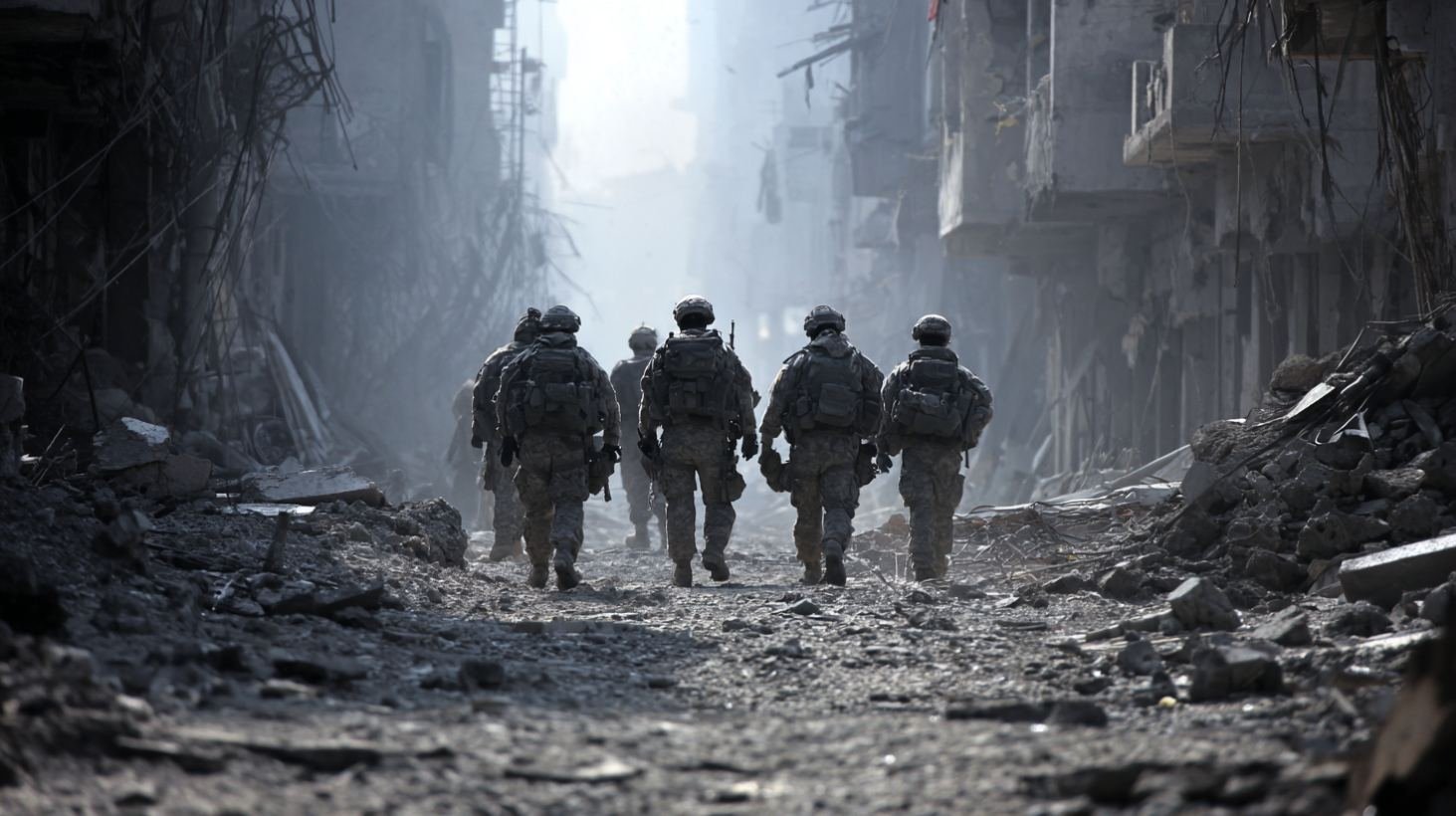 Escalating Violence in Major Conflict Zones Over the past week, several long-standing hotspots have experienced renewed violence, underscoring the persistent instability worldwide. In Ukraine, Russian missile strikes targeted key infrastructure in multiple cities, leading to significant civilian casualties and power outages. Ukrainian forces responded with cross-border drone operations and counteroffensives near the eastern front, yet neither side has gained decisive momentum. Meanwhile, Israel and Gaza remain locked in intense clashes. Israeli airstrikes and ground operations continued amid ongoing regional tensions, with diplomatic efforts to broker a ceasefire yielding little progress. Civilians in both regions bear the brunt of the violence, with humanitarian agencies struggling to provide relief amid restricted access. Undercurrents in Africa and the Middle East In Sudan, fierce battles between the Sudanese military and the Rapid Support Forces (RSF) erupted in key urban centers, notably Omdurman and parts of Darfur. Thousands of civilians have fled renewed fighting, as reports of atrocities and targeted attacks increased. Sudan's conflict, now stretching into its second year, risks causing broader regional instability. In Yemen, sporadic clashes flared between Houthi rebels and government-aligned forces, disrupting a fragile de-escalation. Houthi attacks on international shipping through the Red Sea contributed to global trade disruptions, drawing condemnation but little concrete intervention. Asia-Pacific Tensions and Civil Unrest Myanmar's civil conflict intensified in the northwest, where ethnic armed groups launched coordinated assaults on military positions. The junta retaliated with air raids, reportedly resulting in extensive civilian displacement. Neighboring countries, particularly Thailand and India, are increasingly concerned about spillover effects and refugee flows. In Papua New Guinea’s remote highlands, ongoing tribal violence escalated, prompting emergency responses from the national authorities. These localized yet deadly conflicts often evade mainstream coverage, yet they have significant humanitarian impacts. Lesser-Known Conflicts and Global Ripple Effects The Central African Republic saw renewed violence between government forces and rebel coalitions, particularly in areas around Bambari and the northeastern border. Humanitarian organizations warn of worsening food insecurity as fighting disrupts aid operations. In Colombia, despite ongoing peace talks, dissident guerrilla factions engaged in ambushes against security forces, undermining national reconciliation efforts. Elsewhere, in the Caucasus, isolated skirmishes along the Armenia-Azerbaijan border raised the specter of renewed hostilities. The Human Cost and International Response Across these regions, civilians continue to pay the highest price. Humanitarian needs are mounting: infrastructure damage, displacement, and food insecurity are common themes. International responses remain inconsistent, hampered by competing crises and geopolitical stalemates at organizations like the United Nations. Despite the challenges, local peace initiatives and grassroots mediation efforts offer glimmers of hope. While the headlines often focus on major conflicts, awareness of lesser-known wars is vital. As the global community grapples with simultaneous crises, comprehensive engagement and sustained attention to forgotten war zones remain critical for humanitarian relief and long-term stability.
 -
Escalating Violence in Major Conflict Zones Over the past week, several long-standing hotspots have experienced renewed violence, underscoring the persistent instability worldwide. In Ukraine, Russian missile strikes targeted key infrastructure in multiple cities, leading to significant civilian casualties and power outages. Ukrainian forces responded with cross-border drone operations and counteroffensives near the eastern front, yet neither side has gained decisive momentum. Meanwhile, Israel and Gaza remain locked in intense clashes. Israeli airstrikes and ground operations continued amid ongoing regional tensions, with diplomatic efforts to broker a ceasefire yielding little progress. Civilians in both regions bear the brunt of the violence, with humanitarian agencies struggling to provide relief amid restricted access. Undercurrents in Africa and the Middle East In Sudan, fierce battles between the Sudanese military and the Rapid Support Forces (RSF) erupted in key urban centers, notably Omdurman and parts of Darfur. Thousands of civilians have fled renewed fighting, as reports of atrocities and targeted attacks increased. Sudan's conflict, now stretching into its second year, risks causing broader regional instability. In Yemen, sporadic clashes flared between Houthi rebels and government-aligned forces, disrupting a fragile de-escalation. Houthi attacks on international shipping through the Red Sea contributed to global trade disruptions, drawing condemnation but little concrete intervention. Asia-Pacific Tensions and Civil Unrest Myanmar's civil conflict intensified in the northwest, where ethnic armed groups launched coordinated assaults on military positions. The junta retaliated with air raids, reportedly resulting in extensive civilian displacement. Neighboring countries, particularly Thailand and India, are increasingly concerned about spillover effects and refugee flows. In Papua New Guinea’s remote highlands, ongoing tribal violence escalated, prompting emergency responses from the national authorities. These localized yet deadly conflicts often evade mainstream coverage, yet they have significant humanitarian impacts. Lesser-Known Conflicts and Global Ripple Effects The Central African Republic saw renewed violence between government forces and rebel coalitions, particularly in areas around Bambari and the northeastern border. Humanitarian organizations warn of worsening food insecurity as fighting disrupts aid operations. In Colombia, despite ongoing peace talks, dissident guerrilla factions engaged in ambushes against security forces, undermining national reconciliation efforts. Elsewhere, in the Caucasus, isolated skirmishes along the Armenia-Azerbaijan border raised the specter of renewed hostilities. The Human Cost and International Response Across these regions, civilians continue to pay the highest price. Humanitarian needs are mounting: infrastructure damage, displacement, and food insecurity are common themes. International responses remain inconsistent, hampered by competing crises and geopolitical stalemates at organizations like the United Nations. Despite the challenges, local peace initiatives and grassroots mediation efforts offer glimmers of hope. While the headlines often focus on major conflicts, awareness of lesser-known wars is vital. As the global community grapples with simultaneous crises, comprehensive engagement and sustained attention to forgotten war zones remain critical for humanitarian relief and long-term stability. View full article
-
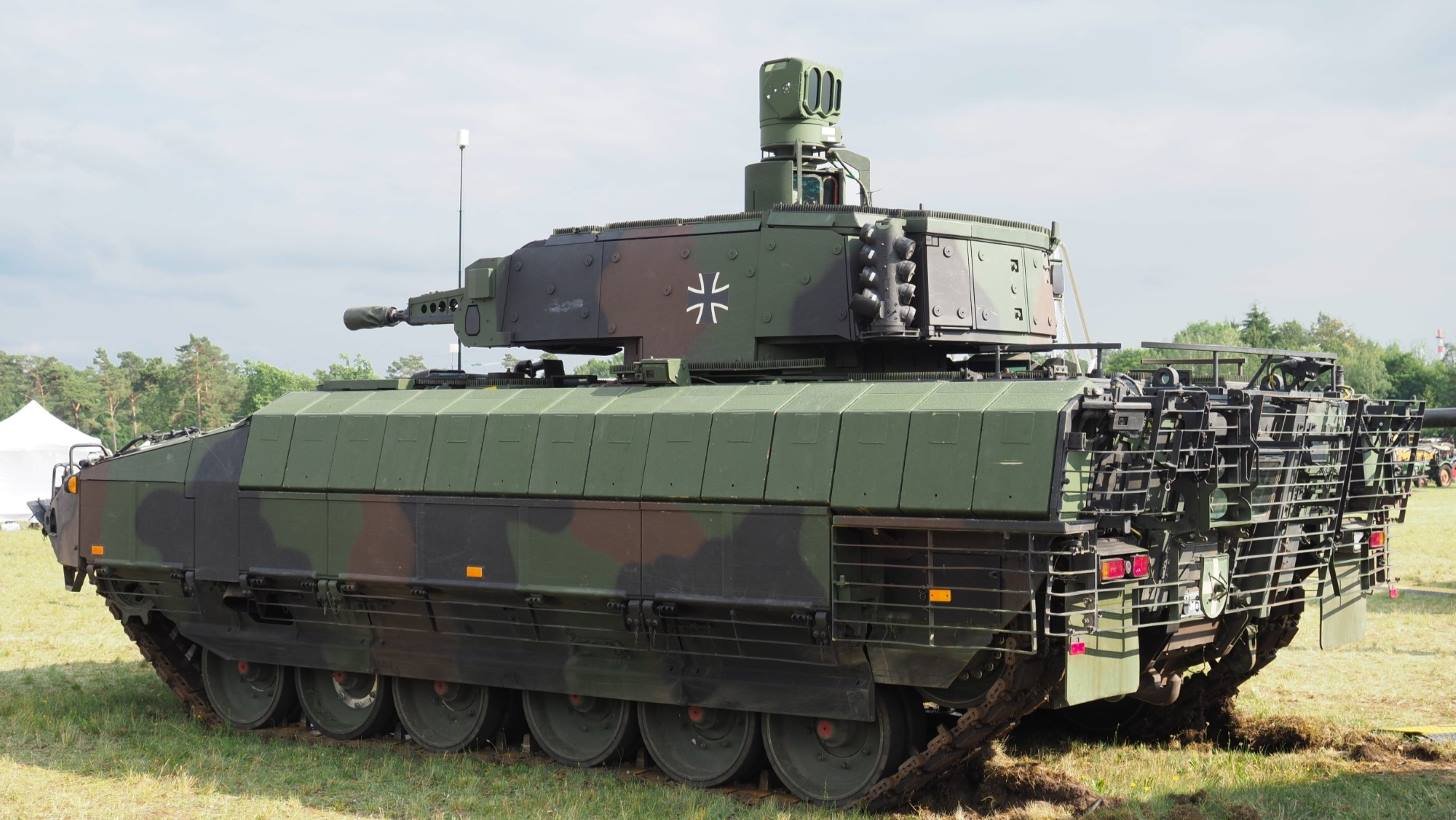 Germany Prepares for Historic Armored Vehicle Procurement Amid Security Challenges Germany is set to launch one of its most significant defense modernization efforts since the Cold War, with plans for a large-scale procurement of armored vehicles. The initiative, revealed by German defense supplier Renk’s CEO Alexander Sagel and reported by Handelsblatt on June 30, 2025, indicates a pivotal shift in the country’s defense posture amid growing geopolitical tensions in Eastern Europe and the ongoing war in Ukraine. Strategic Overhaul Driven by Regional Tensions Traditionally known for its restrained military approach, Germany’s defense doctrine has been fundamentally altered in response to Russia’s full-scale invasion of Ukraine in 2022. The conflict has pushed Berlin to reconsider its military capabilities and preparedness for potential high-intensity warfare on the continent. In a landmark address shortly after the invasion, Chancellor Olaf Scholz pledged a €100 billion special defense fund, marking a turning point for the Bundeswehr and signifying the start of a major overhaul. This policy reversal aims to equip Germany’s armed forces with the capability for rapid action and robust participation in NATO’s collective defense. The procurement of up to 1,000 Boxer wheeled armored vehicles, 600 Leopard 2A8 main battle tanks, and a substantial number of Puma infantry fighting vehicles reflects Berlin’s intent to provide credible deterrence and support its allies, particularly along NATO’s eastern frontier. Central to this strategy is the formation of permanent, forward-deployed units, such as the newly established 45th Panzer Brigade in Lithuania. Addressing Capability Gaps and Modernization Needs Presently, the German Army maintains a fleet that includes 313 main battle tanks—mainly Leopard 2A5, 2A6, and 2A7V models—approximately 680 infantry fighting vehicles (a mix of Marder and Puma IFVs), and nearly 700 wheeled armored personnel carriers comprising both Boxer and TPz-1 Fuchs variants. While these assets form the backbone of Germany’s current ground forces, military planners have assessed them as insufficient for sustained, high-intensity operations against a well-equipped adversary. The planned acquisition of 600 Leopard 2A8 tanks marks a substantial leap in capability. The 2A8 model features notable advancements, such as the Trophy active protection system, advanced thermal imaging, improved armor, and enhanced digital battlefield integration—capabilities that underscore a generational upgrade in survivability and lethality. The Puma IFV, equipped with state-of-the-art modular protection and weaponry, is set to reinforce mechanized brigades, while the versatile Boxer platform is positioned to boost both mobility and operational flexibility across varying mission profiles. Fiscal Commitment and Long-Term Ambitions Germany’s shift is not confined to hardware. The federal government has signaled a readiness to raise defense spending to 5 percent of the national budget—a sharp increase aimed at closing capability gaps and fulfilling NATO commitments. This financial boost is intended not just for vehicle procurement but also to enhance training, logistics, personnel, and digital infrastructure. The comprehensive approach suggests a recognition within Berlin of the multifaceted nature of military readiness in contemporary security environments. Implications for NATO and European Security The scale and ambition of Germany’s rearmament underscore a broader strategic recalibration. By moving beyond a focus on peacekeeping to actively building high-readiness, warfighting forces, Berlin is aiming to play a leading role in the defense of Europe. Collaboration with domestic defense industries, such as Renk, further positions Germany as a cornerstone of NATO’s deterrence and collective security efforts. In refocusing its defense policy and increasing investment in military capabilities, Germany is making clear its intentions to adapt to a rapidly evolving security landscape. The outcome of this procurement initiative and its alignment with allied efforts will likely shape the future architecture of European defense for years to come.
 -
Germany Prepares for Historic Armored Vehicle Procurement Amid Security Challenges Germany is set to launch one of its most significant defense modernization efforts since the Cold War, with plans for a large-scale procurement of armored vehicles. The initiative, revealed by German defense supplier Renk’s CEO Alexander Sagel and reported by Handelsblatt on June 30, 2025, indicates a pivotal shift in the country’s defense posture amid growing geopolitical tensions in Eastern Europe and the ongoing war in Ukraine. Strategic Overhaul Driven by Regional Tensions Traditionally known for its restrained military approach, Germany’s defense doctrine has been fundamentally altered in response to Russia’s full-scale invasion of Ukraine in 2022. The conflict has pushed Berlin to reconsider its military capabilities and preparedness for potential high-intensity warfare on the continent. In a landmark address shortly after the invasion, Chancellor Olaf Scholz pledged a €100 billion special defense fund, marking a turning point for the Bundeswehr and signifying the start of a major overhaul. This policy reversal aims to equip Germany’s armed forces with the capability for rapid action and robust participation in NATO’s collective defense. The procurement of up to 1,000 Boxer wheeled armored vehicles, 600 Leopard 2A8 main battle tanks, and a substantial number of Puma infantry fighting vehicles reflects Berlin’s intent to provide credible deterrence and support its allies, particularly along NATO’s eastern frontier. Central to this strategy is the formation of permanent, forward-deployed units, such as the newly established 45th Panzer Brigade in Lithuania. Addressing Capability Gaps and Modernization Needs Presently, the German Army maintains a fleet that includes 313 main battle tanks—mainly Leopard 2A5, 2A6, and 2A7V models—approximately 680 infantry fighting vehicles (a mix of Marder and Puma IFVs), and nearly 700 wheeled armored personnel carriers comprising both Boxer and TPz-1 Fuchs variants. While these assets form the backbone of Germany’s current ground forces, military planners have assessed them as insufficient for sustained, high-intensity operations against a well-equipped adversary. The planned acquisition of 600 Leopard 2A8 tanks marks a substantial leap in capability. The 2A8 model features notable advancements, such as the Trophy active protection system, advanced thermal imaging, improved armor, and enhanced digital battlefield integration—capabilities that underscore a generational upgrade in survivability and lethality. The Puma IFV, equipped with state-of-the-art modular protection and weaponry, is set to reinforce mechanized brigades, while the versatile Boxer platform is positioned to boost both mobility and operational flexibility across varying mission profiles. Fiscal Commitment and Long-Term Ambitions Germany’s shift is not confined to hardware. The federal government has signaled a readiness to raise defense spending to 5 percent of the national budget—a sharp increase aimed at closing capability gaps and fulfilling NATO commitments. This financial boost is intended not just for vehicle procurement but also to enhance training, logistics, personnel, and digital infrastructure. The comprehensive approach suggests a recognition within Berlin of the multifaceted nature of military readiness in contemporary security environments. Implications for NATO and European Security The scale and ambition of Germany’s rearmament underscore a broader strategic recalibration. By moving beyond a focus on peacekeeping to actively building high-readiness, warfighting forces, Berlin is aiming to play a leading role in the defense of Europe. Collaboration with domestic defense industries, such as Renk, further positions Germany as a cornerstone of NATO’s deterrence and collective security efforts. In refocusing its defense policy and increasing investment in military capabilities, Germany is making clear its intentions to adapt to a rapidly evolving security landscape. The outcome of this procurement initiative and its alignment with allied efforts will likely shape the future architecture of European defense for years to come. View full article
-
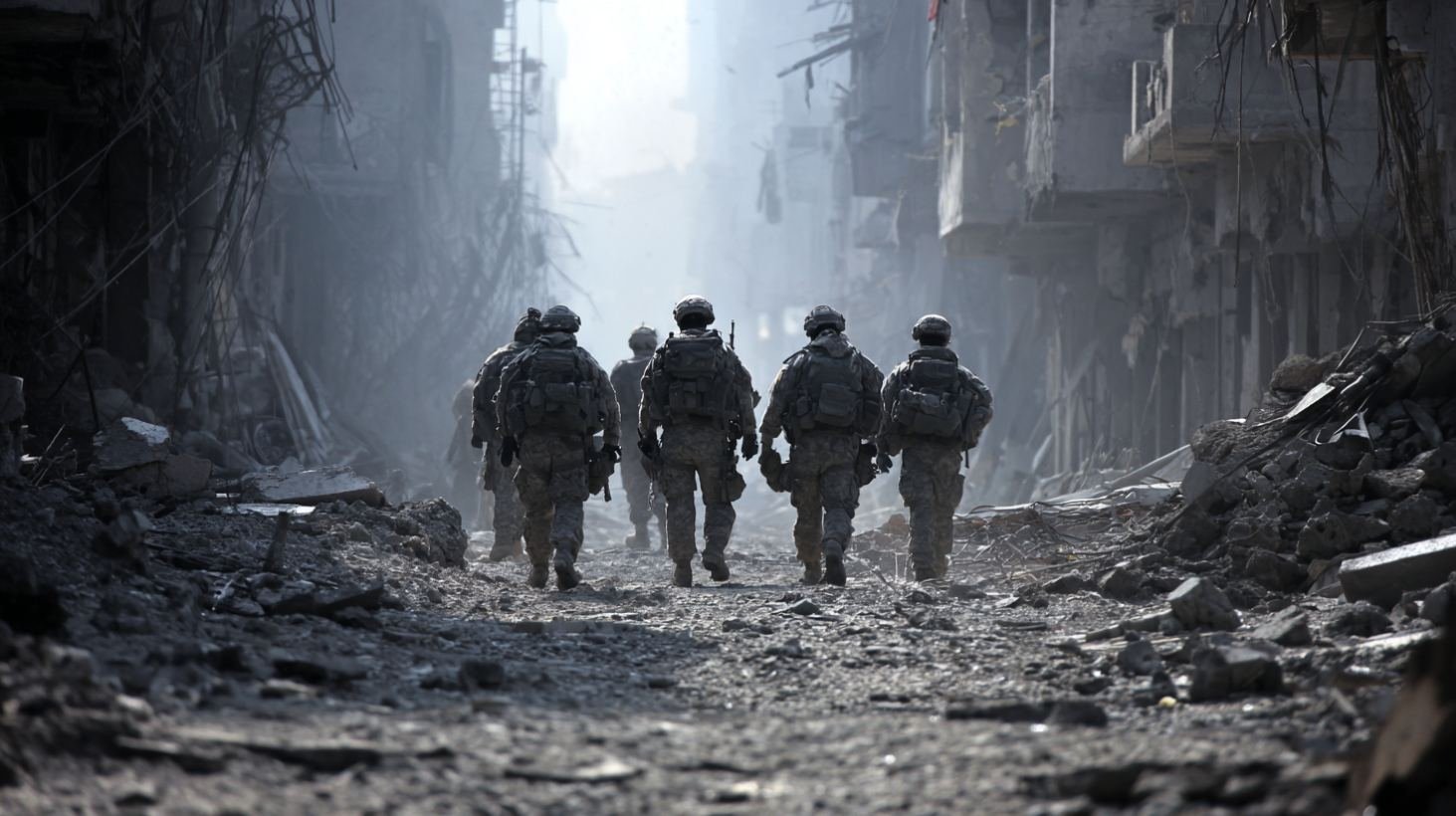 Continued Violence in Gaza and Intensified Clashes in Israel-Palestine The Israel-Gaza conflict entered yet another tumultuous week as Israeli military operations intensified across several locations in Gaza, targeting what officials described as Hamas strongholds. According to the United Nations and local health authorities, civilian casualties remain high, with displaced populations facing shrinking access to medical aid, food, and shelter. International diplomatic efforts for a ceasefire showed little progress amid renewed rocket attacks into Israel and subsequent airstrikes in densely populated neighborhoods. Aid agencies have raised alarms over the deteriorating humanitarian situation, calling for protected corridors and urgent relief supplies. Escalation in Ukraine and the Shifting Eastern Front Fighting in Ukraine persisted, with Russian and Ukrainian forces reportedly engaged in heavy skirmishes along the eastern and southern axes. Drone strikes, artillery duels, and missile barrages were reported in Kharkiv, Donetsk, and Zaporizhzhia regions. Ukrainian authorities described ongoing attacks on civilian infrastructure, resulting in power outages and the evacuation of several communities. Russia, meanwhile, accused Kyiv of cross-border strikes and sabotage operations. European and U.S. officials reiterated support for Ukraine, delivering further military aid while acknowledging mounting challenges in securing sufficient ammunition and air defense supplies for the coming months. Sudan’s Humanitarian Crisis Deepens Amid Fragmented Warfare Sudan’s civil conflict, largely overshadowed internationally, continued to exact a grave toll as battles raged between the Sudanese army and the Rapid Support Forces militia. Fighting in Darfur and Khartoum saw surges in casualties, with reports of entire towns being razed. Aid organizations warned of severe food shortages, rampant disease, and a surge in displaced people—now numbering over 10 million. Mediation attempts by regional bodies have so far failed to gain traction, leaving civilians trapped with minimal safe passage or external support. Unrest in Myanmar Escalates; Ethnic Militias Gain Ground Myanmar witnessed a marked uptick in hostilities, especially in the northern Shan and Chin states, where ethnic armed groups launched coordinated offensives against military government posts. The Tatmadaw (Myanmar military) responded with air strikes, artillery shelling, and widespread arrests in contested areas. Observers note the resistance’s increasing unity across ethnic and pro-democracy groups, a development likely to prolong and complicate the conflict. Meanwhile, the displacement crisis is worsening, with tens of thousands seeking refuge both internally and across borders into Thailand and India. Lesser-Known Flashpoints: Impacts Across the Globe Beyond the headline conflicts, smaller-scale wars and insurgencies saw notable developments. In the Democratic Republic of Congo, fighting in North Kivu between government forces and M23 rebels led to further civilian displacements. In Colombia, attempts at peace talks with guerrilla groups remained fragile amid continued violence in rural regions. Yemen experienced a flare-up in hostilities between Houthi forces and the Saudi-backed government, threatening a months-long fragile ceasefire. Northern Mozambique reported an uptick in attacks by Islamist insurgents, undermining stability in resource-rich Cabo Delgado. Outlook: Rising Civilian Toll and Urgent Calls for Diplomacy As conflicts persist in both prominent and neglected theaters, the civilian cost continues to mount, with displacement, food insecurity, and infrastructural collapse common across affected zones. Despite sporadic diplomatic overtures and limited ceasefires, substantive peace processes remain elusive. International observers warn that without renewed focus on negotiation and humanitarian access, these wars risk further destabilizing regional orders and prolonging global security challenges.
 -
Continued Violence in Gaza and Intensified Clashes in Israel-Palestine The Israel-Gaza conflict entered yet another tumultuous week as Israeli military operations intensified across several locations in Gaza, targeting what officials described as Hamas strongholds. According to the United Nations and local health authorities, civilian casualties remain high, with displaced populations facing shrinking access to medical aid, food, and shelter. International diplomatic efforts for a ceasefire showed little progress amid renewed rocket attacks into Israel and subsequent airstrikes in densely populated neighborhoods. Aid agencies have raised alarms over the deteriorating humanitarian situation, calling for protected corridors and urgent relief supplies. Escalation in Ukraine and the Shifting Eastern Front Fighting in Ukraine persisted, with Russian and Ukrainian forces reportedly engaged in heavy skirmishes along the eastern and southern axes. Drone strikes, artillery duels, and missile barrages were reported in Kharkiv, Donetsk, and Zaporizhzhia regions. Ukrainian authorities described ongoing attacks on civilian infrastructure, resulting in power outages and the evacuation of several communities. Russia, meanwhile, accused Kyiv of cross-border strikes and sabotage operations. European and U.S. officials reiterated support for Ukraine, delivering further military aid while acknowledging mounting challenges in securing sufficient ammunition and air defense supplies for the coming months. Sudan’s Humanitarian Crisis Deepens Amid Fragmented Warfare Sudan’s civil conflict, largely overshadowed internationally, continued to exact a grave toll as battles raged between the Sudanese army and the Rapid Support Forces militia. Fighting in Darfur and Khartoum saw surges in casualties, with reports of entire towns being razed. Aid organizations warned of severe food shortages, rampant disease, and a surge in displaced people—now numbering over 10 million. Mediation attempts by regional bodies have so far failed to gain traction, leaving civilians trapped with minimal safe passage or external support. Unrest in Myanmar Escalates; Ethnic Militias Gain Ground Myanmar witnessed a marked uptick in hostilities, especially in the northern Shan and Chin states, where ethnic armed groups launched coordinated offensives against military government posts. The Tatmadaw (Myanmar military) responded with air strikes, artillery shelling, and widespread arrests in contested areas. Observers note the resistance’s increasing unity across ethnic and pro-democracy groups, a development likely to prolong and complicate the conflict. Meanwhile, the displacement crisis is worsening, with tens of thousands seeking refuge both internally and across borders into Thailand and India. Lesser-Known Flashpoints: Impacts Across the Globe Beyond the headline conflicts, smaller-scale wars and insurgencies saw notable developments. In the Democratic Republic of Congo, fighting in North Kivu between government forces and M23 rebels led to further civilian displacements. In Colombia, attempts at peace talks with guerrilla groups remained fragile amid continued violence in rural regions. Yemen experienced a flare-up in hostilities between Houthi forces and the Saudi-backed government, threatening a months-long fragile ceasefire. Northern Mozambique reported an uptick in attacks by Islamist insurgents, undermining stability in resource-rich Cabo Delgado. Outlook: Rising Civilian Toll and Urgent Calls for Diplomacy As conflicts persist in both prominent and neglected theaters, the civilian cost continues to mount, with displacement, food insecurity, and infrastructural collapse common across affected zones. Despite sporadic diplomatic overtures and limited ceasefires, substantive peace processes remain elusive. International observers warn that without renewed focus on negotiation and humanitarian access, these wars risk further destabilizing regional orders and prolonging global security challenges. View full article
-
Escalation and Stalemates: Major Theaters of Conflict This week saw a series of developments across some of the world’s most entrenched and volatile battle zones. In Ukraine, heavy fighting continues in the east and south, with Russian and Ukrainian forces exchanging control over small settlements. Drones and artillery bombardments have intensified, targeting infrastructure and logistics hubs. Humanitarian agencies warned of rising civilian casualties and the critical need for aid corridors in frontline regions. In the Middle East, Gaza remains at the epicenter of the crisis. Persistent Israeli airstrikes and ground operations have clashed with ongoing rocket barrages from Hamas, complicating ceasefire negotiations. Reports from Rafah surfaced of new displacement waves, with UN officials renewing calls for a sustained humanitarian pause. Meanwhile, in Sudan, conflict between rival military factions has led to another surge in violence around El Fasher, Darfur, leaving medical facilities overwhelmed and prompting a warning from the World Food Programme regarding looming famine. Overlooked Flashpoints: Tensions Beyond the Headlines Beyond headline-grabbing wars, lesser-covered regions have seen their surges in violence. In Myanmar, resistance groups clashed with junta forces across several states, including renewed fighting in Sagaing and Kachin. Civilian casualties mounted amid airstrikes, and thousands were forced to flee, straining local capacities for humanitarian response. Africa’s Sahel region continues to be rattled by conflict. In Burkina Faso and Mali, insurgent attacks attributed to Islamist militants killed dozens of civilians and soldiers. The Niger government announced new counter-insurgency operations following a string of deadly ambushes, while communities along the borders remain in a state of high alert. The Nagorno-Karabakh region, though experiencing a tense calm after last year’s Azerbaijani offensive, reported sporadic gunfire and renewed accusations of ceasefire violations. Diplomatic solutions have stalled, and regional powers observe the situation warily, fearing a flare-up. Evolving Humanitarian Repercussions Warfare’s toll extended beyond the battlefield. Aid organizations highlighted deepening crises as displacement, malnutrition, and lack of access to health care spiraled in conflict zones. In South Sudan, localized clashes between rival communities in Jonglei and Upper Nile triggered fresh waves of refugees, complicating already overstretched relief operations. Colombia witnessed a setback in its peace process, with fighting rekindling between government forces and ELN rebels in Norte de Santander. The violence has driven thousands from their homes, reviving concerns about the durability of fragile peace accords and the proliferation of armed outfits seeking territorial gains. Global Responses and the Path Ahead World powers continued to grapple with diplomatic efforts, with diverse approaches yielding mixed outcomes. The United Nations urged renewed negotiations and unconditional humanitarian aid across all active hotspots. Regional organizations, including the African Union and ASEAN, issued calls for dialogue but face challenges in enforcing sustained, peaceful resolutions. As the week closed, the persistence and expansion of conflicts serve as a reminder of the complex web of local grievances and larger geopolitical struggles that fuel global instability. While some theaters operate in the immediate glare of international attention, others burn quietly on the periphery—each crisis demanding nuanced understanding and sustained global commitment. View full article