Advertisement
Advertisement
Advertisement
Long Shelf-Life Meals
This section is dedicated to recipes that stand the test of time, offering meals that can be stored for months, or even years, without losing their nutritional value or taste. Ideal for preppers, survivalists, or anyone interested in disaster preparedness, our recipes use ingredients that are easily stored and readily available. From hearty stews to energy-packed bars, each recipe is designed to provide comfort and sustenance in times of need. Whether you're building your emergency food supply or just want to minimize food waste, these long shelf-life meals are a practical addition to any pantry.
6 recipes in this category
-
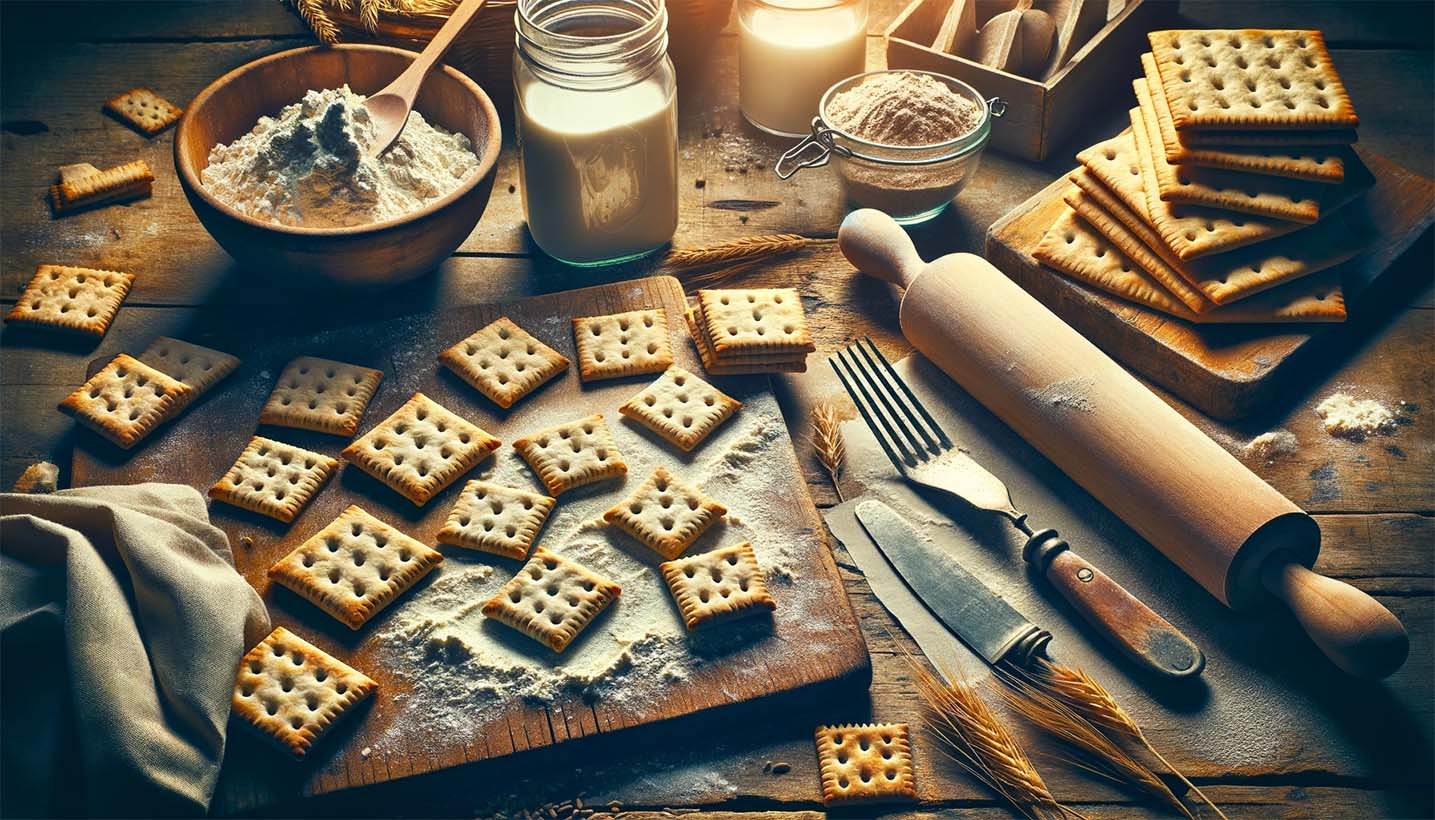
Hardtack is a very simple, durable type of cracker or biscuit made from flour, water, and sometimes salt. It was commonly used during long sea voyages and military campaigns before the invention of canned foods, due to its long shelf life. Here's a basic recipe for hardtack: Ingredients All-Purpose Flour: 3 cups (plus more for dusting). The flour should be plain, without any raising agents. Water: 1 cup, adjust as needed. The water should be at room temperature. Salt:
-
The Hershey’s Tropical Chocolate Bar was developed during World War II as a more palatable military chocolate bar for hot climates. It followed the infamous U.S. Army D Ration, also known as the Logan Bar, which was intentionally hard, bitter, and difficult to eat so soldiers would save it for emergencies. The Tropical Chocolate Bar had a different goal. It still needed to resist heat, but it was supposed to taste better than the original D Ration. In 1943, the Army asked Hershey to create a hea
-
The 1957 Hershey’s Tropical Chocolate Bar represents a later evolution of the military chocolate ration first developed during World War II. The original 1940s Tropical Chocolate Bar was created as a more palatable alternative to the hard, bitter U.S. Army D Ration, while still retaining the ability to survive hot climates better than ordinary chocolate. By 1957, Hershey had changed the Tropical Bar formula. The earlier wartime version included chocolate liquor, skim milk powder, cocoa butter, p
-
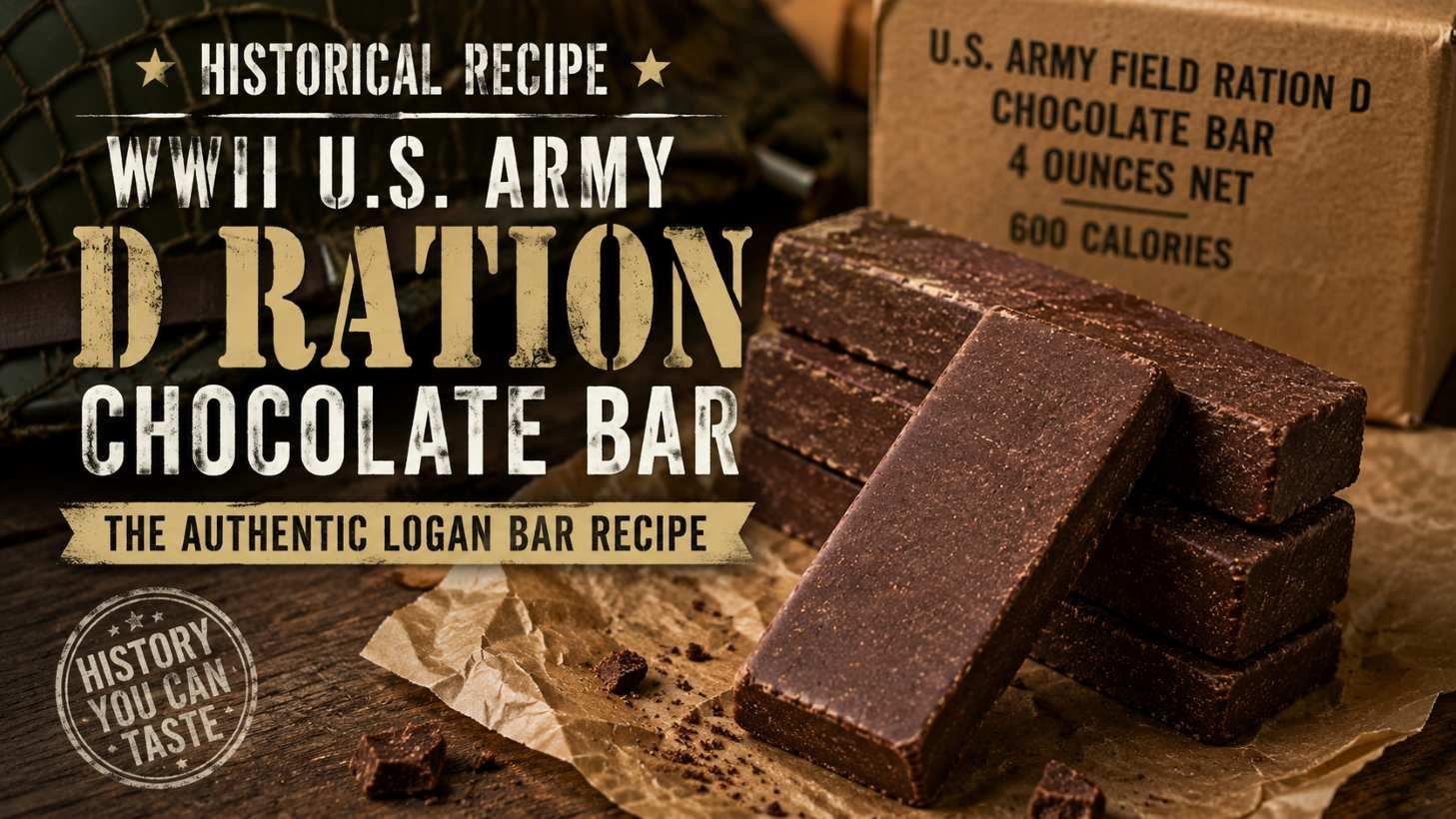
The U.S. Army D Ration—also known as the Logan Bar—was developed in 1937 by Captain Paul Logan of the U.S. Army Quartermaster Corps in partnership with Hershey Chocolate Corporation. Unlike a candy bar, the D Ration was designed as an emergency survival food that could withstand extreme heat, deliver approximately 600 calories per bar, and discourage soldiers from eating it unless absolutely necessary. The original commercial formula remains proprietary, but surviving Army specifications and Her
-
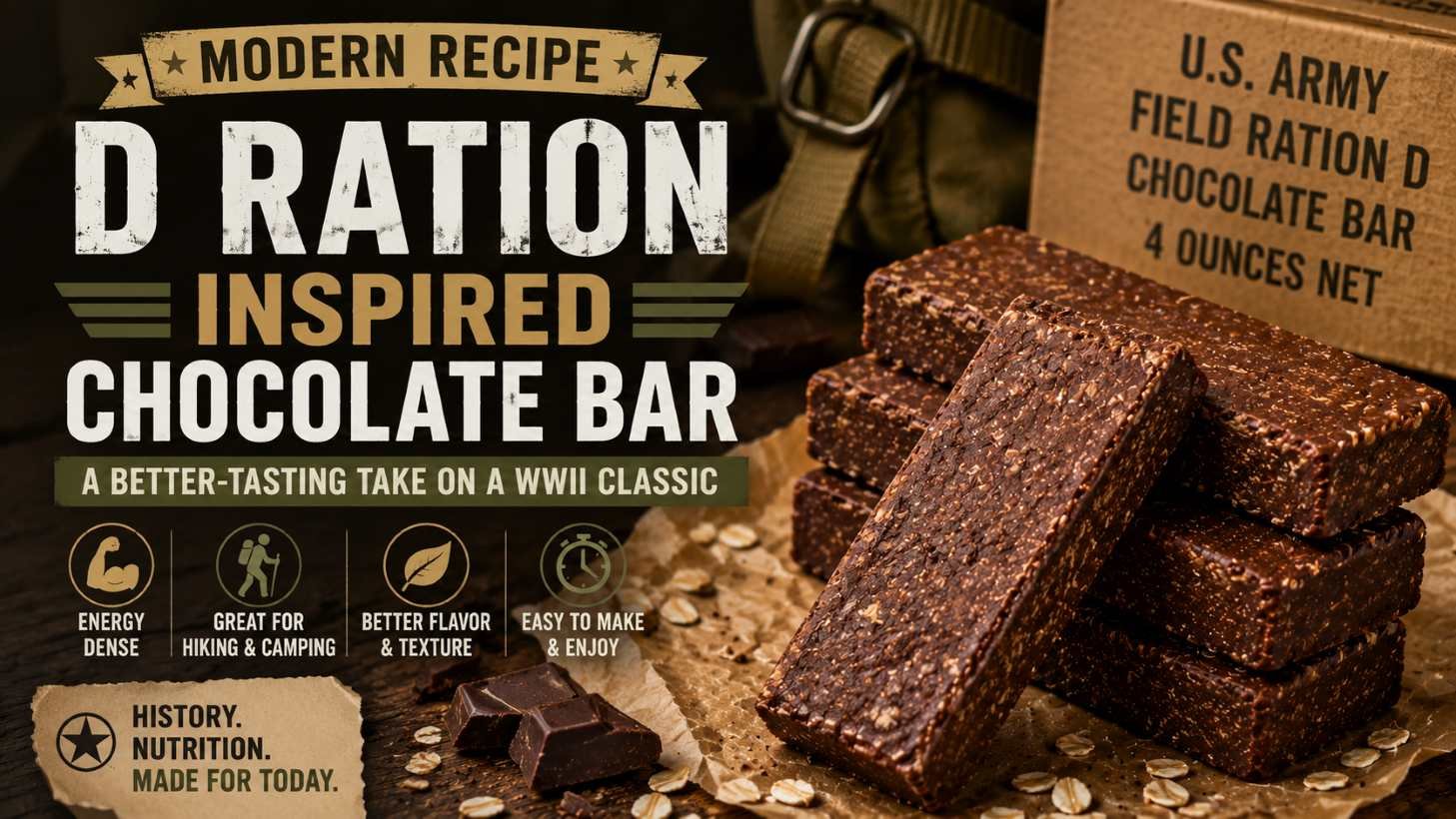
While the original WWII D Ration was designed as an emergency survival ration, most people today aren't looking for a chocolate bar that's intentionally difficult to eat. This modern recreation keeps the dense, calorie-rich spirit of the original while producing a bar that's considerably more enjoyable for hiking, camping, emergency kits, or simply experiencing a piece of military history without breaking your teeth. Rather than strictly recreating Hershey's wartime formula, this version uses mo
-
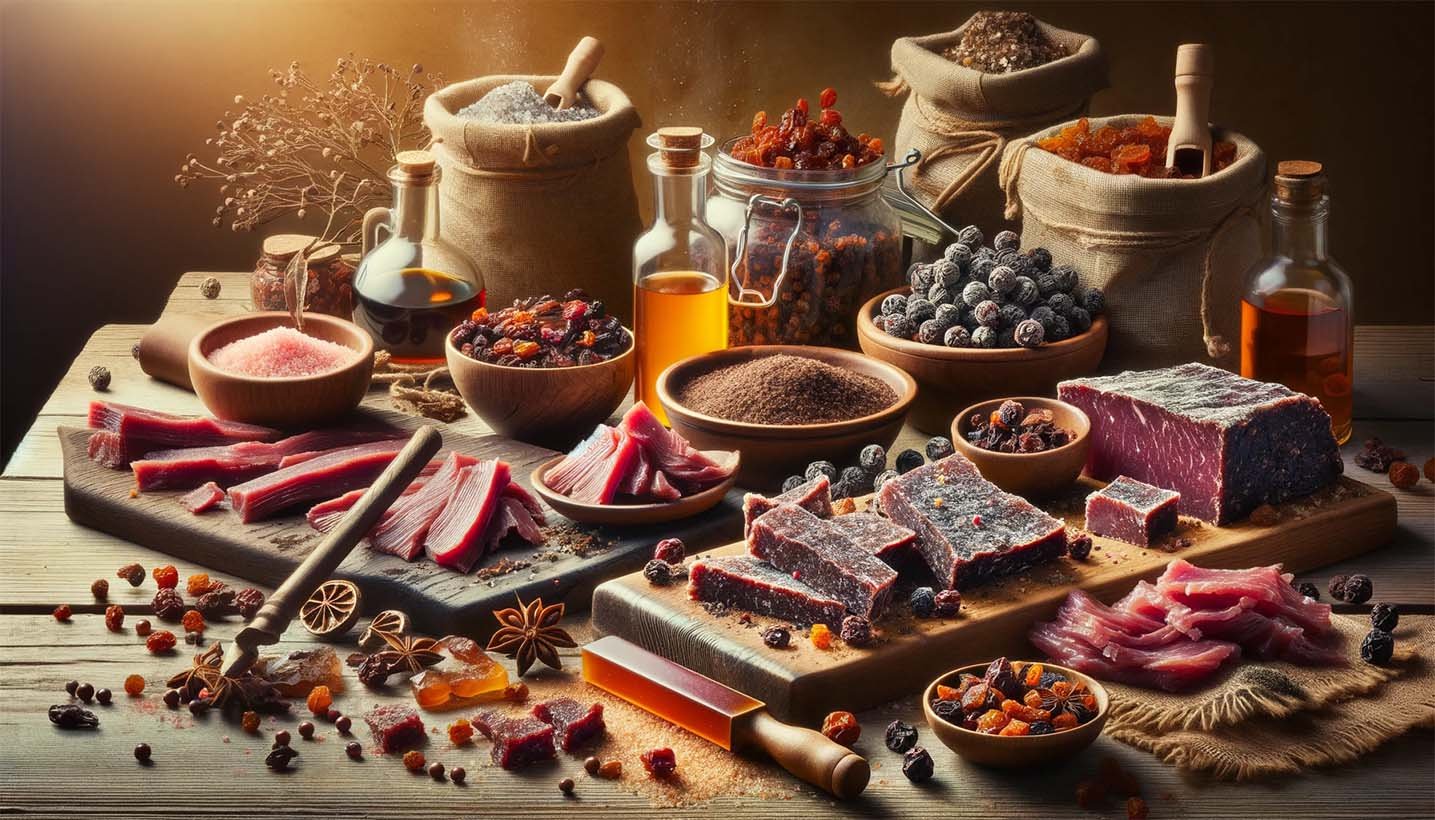
Pemmican is a traditional North American food, often associated with Native American cultures. It's known for its long shelf life and high energy content, making it a practical choice for long trips or emergencies. Here's a basic recipe for pemmican: Ingredients Lean Meat: 2 pounds of beef, bison, or venison. The meat should be as lean as possible to prevent spoilage. Fat: 1 pound of rendered beef fat (tallow). It's important to use rendered fat as it has a longer shelf life.

.jpg.7f8739c7a9934311429eea04dbdefc64.jpg)
.jpg.59ecb935916c7c77e9d691c0d496cc3d.jpg)