

Uncrowned Guard
Empire Staff
-
Joined
-
Last visited
Everything posted by Uncrowned Guard
-
Ukrainian Intelligence Reports Gains in StepnohirskUkraine’s military intelligence agency, HUR, said on May 18 that Ukrainian forces had pushed Russian troops out of key positions in Stepnohirsk, a town in Zaporizhzhia Oblast about 30 kilometers south of the regional capital. The operation was attributed to the Artan special unit, which said it acted in coordination with adjacent units to “oust the Russian occupiers” and stabilize the situation in the settlement. According to the unit’s statement, Ukrainian troops conducted a series of offensive actions in difficult urban conditions and took control of important locations in the town. The statement described Russian positions there as fortified and said the operation was intended to restore local control rather than open a broader new axis of advance. Video Evidence and Battlefield MappingHUR published footage showing Ukrainian troop movements and combat activity in Stepnohirsk. Geolocated video reviewed by open-source observers showed Ukrainian armored vehicles moving through a crossroads on the E105 highway toward the town center. Those areas had previously been marked by the Ukrainian battlefield monitoring project DeepState as under firm Russian control. The published video does not by itself establish the full extent of Ukrainian control across the entire town, but it supports HUR’s claim that Ukrainian forces were operating in central Stepnohirsk. The footage also indicated close-range urban combat and the use of armored mobility to reinforce or exploit newly secured positions. Strategic Role of Stepnohirsk and the E105Stepnohirsk holds tactical importance because it lies on the north-south E105 highway, a significant route in the sector. Control of the town affects movement between frontline positions and influences Russia’s ability to pressure areas closer to Zaporizhzhia city. Ukrainian officials say Russia has been trying to seize Stepnohirsk to advance toward the regional capital. Retaining or regaining control of the town would complicate those efforts, particularly as Russian forces continue operations elsewhere along the southeastern front. The settlement also sits near Kamianske, roughly five kilometers to the south, which has been cited as a source area for Russian infiltration attempts. Differing Descriptions of the SituationVladyslav Voloshyn, spokesperson for Ukraine’s Southern Defense Forces, said Russian troops had not fully occupied Stepnohirsk, but that Russian infiltration groups had repeatedly entered the town from Kamianske. He declined to comment directly on HUR’s statement because it was issued by a different branch of the military. That distinction suggests a more complex picture than a simple transfer of control. HUR presented the action as a successful clearing operation against Russian elements in the town, while Southern Defense Forces messaging emphasized recurring Russian incursions rather than a prior complete occupation. Counterattacks and Likely Next StepsPasi Paroinen of the Finland-based Black Bird Group told the Kyiv Independent that Ukrainian forces had been conducting a series of counterattacks in the Stepnohirsk direction. He said it was possible Ukraine could stabilize the area in the near term. Artan commander Viktor Torkotiuk said the assault was coordinated with aerial reconnaissance and “pinpoint fire,” adding that troops checked houses for remaining Russian personnel and hidden threats. He also said Ukrainian forces expect Russia may try to re-enter the town. The battle around Stepnohirsk forms part of a wider contest in southern Ukraine, where Russian forces have also been advancing along the eastern bank of the Dnipro River toward Prymorske in an apparent effort to move artillery pressure closer to Zaporizhzhia. View full article
-
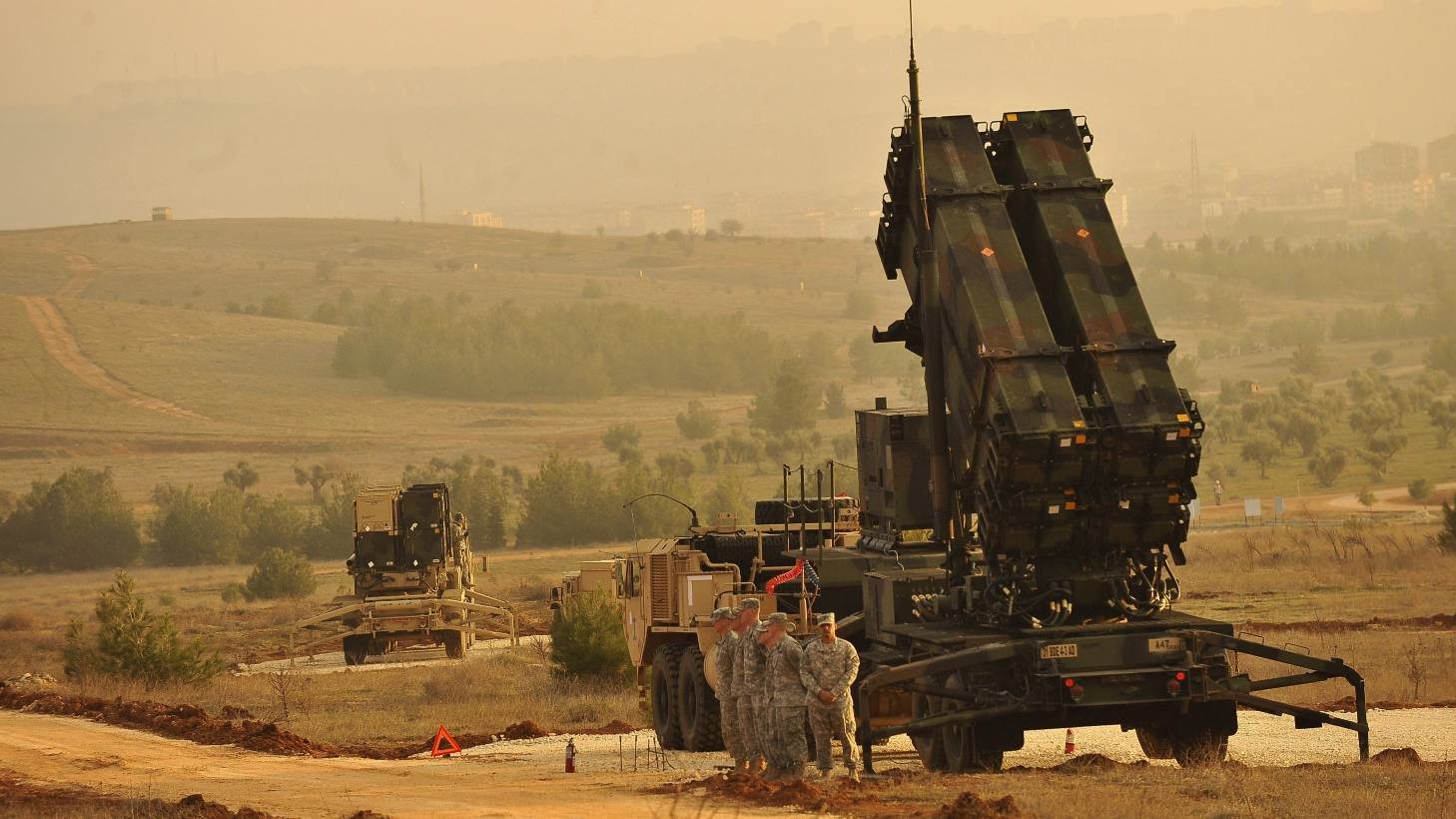 Army Issues Cost-Capped Interceptor RequestThe U.S. Army is seeking a new low-cost interceptor missile designed to counter drones, cruise missiles, aircraft, and short-range ballistic threats without relying heavily on more expensive Patriot rounds. A request for information published May 15 by the Rapid Capabilities and Critical Technologies Office at Redstone Arsenal describes the effort as MOSAIC-26-03. The Army wants complete interceptor rounds priced below $1 million each and has set a $250,000 ceiling for individual subsystems. It is asking the industry for mature technologies that could be ready for demonstrations by the fourth quarter of fiscal year 2026. The effort is one of the clearest signs of a cost-focused shift in Army air defense planning, as the service looks for options that can be fielded in larger numbers during sustained attacks. Designed to Fill a Gap Below PAC-3 MSEThe new interceptor is intended to occupy a middle tier between short-range counter-drone systems and high-end Patriot PAC-3 MSE missiles. According to the requirement, the missile must be an endo-atmospheric interceptor capable of speeds above Mach 5 and ranges greater than 120 miles. The Army also wants the weapon to support in-flight target updates, terminal seeker guidance, and a blast-fragmentation warhead. That warhead requirement is notable because it points to a less costly engagement method than hit-to-kill designs, which depend on direct collision and tighter terminal precision. By using proximity fuzes and fragmentation effects, the Army appears willing to trade some precision for affordability and higher inventory depth. Even so, the interceptor must still function in electronically contested environments and against dense raid scenarios. Modular Acquisition Structure Signals Broader CompetitionRather than issuing a single all-in requirement, the Army divided the effort into five problem statements covering complete interceptor rounds, rocket motors, seekers, fire-control systems, and system integration. That structure suggests a more modular procurement strategy, allowing multiple suppliers to compete on specific components instead of leaving the full design to a single prime contractor. The approach could broaden the industrial base and give the Army more flexibility in combining mature subsystems into a final weapon. It also aligns with the program’s emphasis on speed and affordability, as subsystems with existing development progress may be easier to adapt than a fully new missile architecture. Patriot Launcher and IBCS Compatibility RequiredAll proposed solutions must integrate with the M903 Patriot launch station and the Integrated Battle Command System, or IBCS. Those requirements sharply narrow the design space, as developers must meet Patriot canister dimensions, launcher interfaces, electrical connections, and launch sequencing standards. The Army’s focus on compatibility reflects a desire to field the interceptor with existing Patriot formations rather than build a separate deployment model. Using the current launch infrastructure could reduce training burdens and avoid additional procurement costs. IBCS integration is also central to the concept. The network fuses data from multiple sensors and launchers into a common fire-control architecture, allowing a missile to launch before its onboard seeker has fully acquired the target and receive updates during flight before terminal guidance begins. Inventory and Cost Pressures Driving the EffortThe Army’s push for a cheaper interceptor comes as missile consumption rates and replenishment timelines have become a larger concern. A June 2024 multiyear contract for 870 PAC-3 MSE interceptors and related hardware was valued at $4.5 billion, while Army budget documents place the missile’s unit cost at about $4 million. Recent combat in Ukraine and the Middle East has underscored how quickly advanced air defense inventories can be depleted during repeated drone and missile attacks. In those scenarios, the cost exchange often favors the attacker when low-cost threats are met with premium interceptors.
 -
Army Issues Cost-Capped Interceptor RequestThe U.S. Army is seeking a new low-cost interceptor missile designed to counter drones, cruise missiles, aircraft, and short-range ballistic threats without relying heavily on more expensive Patriot rounds. A request for information published May 15 by the Rapid Capabilities and Critical Technologies Office at Redstone Arsenal describes the effort as MOSAIC-26-03. The Army wants complete interceptor rounds priced below $1 million each and has set a $250,000 ceiling for individual subsystems. It is asking the industry for mature technologies that could be ready for demonstrations by the fourth quarter of fiscal year 2026. The effort is one of the clearest signs of a cost-focused shift in Army air defense planning, as the service looks for options that can be fielded in larger numbers during sustained attacks. Designed to Fill a Gap Below PAC-3 MSEThe new interceptor is intended to occupy a middle tier between short-range counter-drone systems and high-end Patriot PAC-3 MSE missiles. According to the requirement, the missile must be an endo-atmospheric interceptor capable of speeds above Mach 5 and ranges greater than 120 miles. The Army also wants the weapon to support in-flight target updates, terminal seeker guidance, and a blast-fragmentation warhead. That warhead requirement is notable because it points to a less costly engagement method than hit-to-kill designs, which depend on direct collision and tighter terminal precision. By using proximity fuzes and fragmentation effects, the Army appears willing to trade some precision for affordability and higher inventory depth. Even so, the interceptor must still function in electronically contested environments and against dense raid scenarios. Modular Acquisition Structure Signals Broader CompetitionRather than issuing a single all-in requirement, the Army divided the effort into five problem statements covering complete interceptor rounds, rocket motors, seekers, fire-control systems, and system integration. That structure suggests a more modular procurement strategy, allowing multiple suppliers to compete on specific components instead of leaving the full design to a single prime contractor. The approach could broaden the industrial base and give the Army more flexibility in combining mature subsystems into a final weapon. It also aligns with the program’s emphasis on speed and affordability, as subsystems with existing development progress may be easier to adapt than a fully new missile architecture. Patriot Launcher and IBCS Compatibility RequiredAll proposed solutions must integrate with the M903 Patriot launch station and the Integrated Battle Command System, or IBCS. Those requirements sharply narrow the design space, as developers must meet Patriot canister dimensions, launcher interfaces, electrical connections, and launch sequencing standards. The Army’s focus on compatibility reflects a desire to field the interceptor with existing Patriot formations rather than build a separate deployment model. Using the current launch infrastructure could reduce training burdens and avoid additional procurement costs. IBCS integration is also central to the concept. The network fuses data from multiple sensors and launchers into a common fire-control architecture, allowing a missile to launch before its onboard seeker has fully acquired the target and receive updates during flight before terminal guidance begins. Inventory and Cost Pressures Driving the EffortThe Army’s push for a cheaper interceptor comes as missile consumption rates and replenishment timelines have become a larger concern. A June 2024 multiyear contract for 870 PAC-3 MSE interceptors and related hardware was valued at $4.5 billion, while Army budget documents place the missile’s unit cost at about $4 million. Recent combat in Ukraine and the Middle East has underscored how quickly advanced air defense inventories can be depleted during repeated drone and missile attacks. In those scenarios, the cost exchange often favors the attacker when low-cost threats are met with premium interceptors. View full article
-
until
The NASRO National School Safety Conference is a major training and professional-development event focused on school safety, school resource officers, and law enforcement partnerships with educational communities. Hosted by the National Association of School Resource Officers, the conference brings together school-based law enforcement, administrators, safety professionals, and public safety partners. https://www.nasro.org/conference-landing-pages/conference-landing-page/conference-information/ -
until
The Police Security Expo 2026 is a public safety and law enforcement trade show focused on equipment, technology, training, and services for police and security professionals. The 2026 edition marks the event’s 40th annual show. https://www.police-security.com/ -
until
EUROSATORY 2026 is a major international defense and security exhibition focused on land, air-land, and homeland security capabilities. The event brings together defense companies, military delegations, government officials, procurement leaders, and security professionals from across the global defense ecosystem. https://www.eurosatory.com/en/ -
until
The NDIA Future Force Capabilities Conference & Exhibition is a defense technology event focused on the capabilities shaping future military operations. Hosted by the National Defense Industrial Association, the conference brings together defense industry, military organizations, government civilians, DoD personnel, and active-duty military for technical sessions, keynotes, demonstrations, and exhibits. FFC Conference & Exhibition 2024NDIA FFC 2026 | New InformationStay up to date with NDIA FFC 2026, the premiere destination for defense in the Las Vegas area. -
until
The DLA Supply Chain Alliance Symposium & Exhibition is a defense logistics event focused on supply chain readiness, sustainment, acquisition, and industrial-base cooperation. Hosted by NDIA in partnership with the Defense Logistics Agency, the symposium brings government and industry together to discuss logistics support strategies and challenges tied to warfighter readiness. https://www.dla.mil/Working-With-DLA/Events/DLA-Supply-Chain-Alliance-Symposium/ -
until
CANSEC 2026 is Canada’s leading defence, security, and emerging technology trade show. Organized by the Canadian Association of Defence and Security Industries (CADSI), the event brings together military leaders, government officials, defence contractors, technology developers, and security professionals for a major two-day industry gathering. https://www.defenceandsecurity.ca/CANSEC/ -
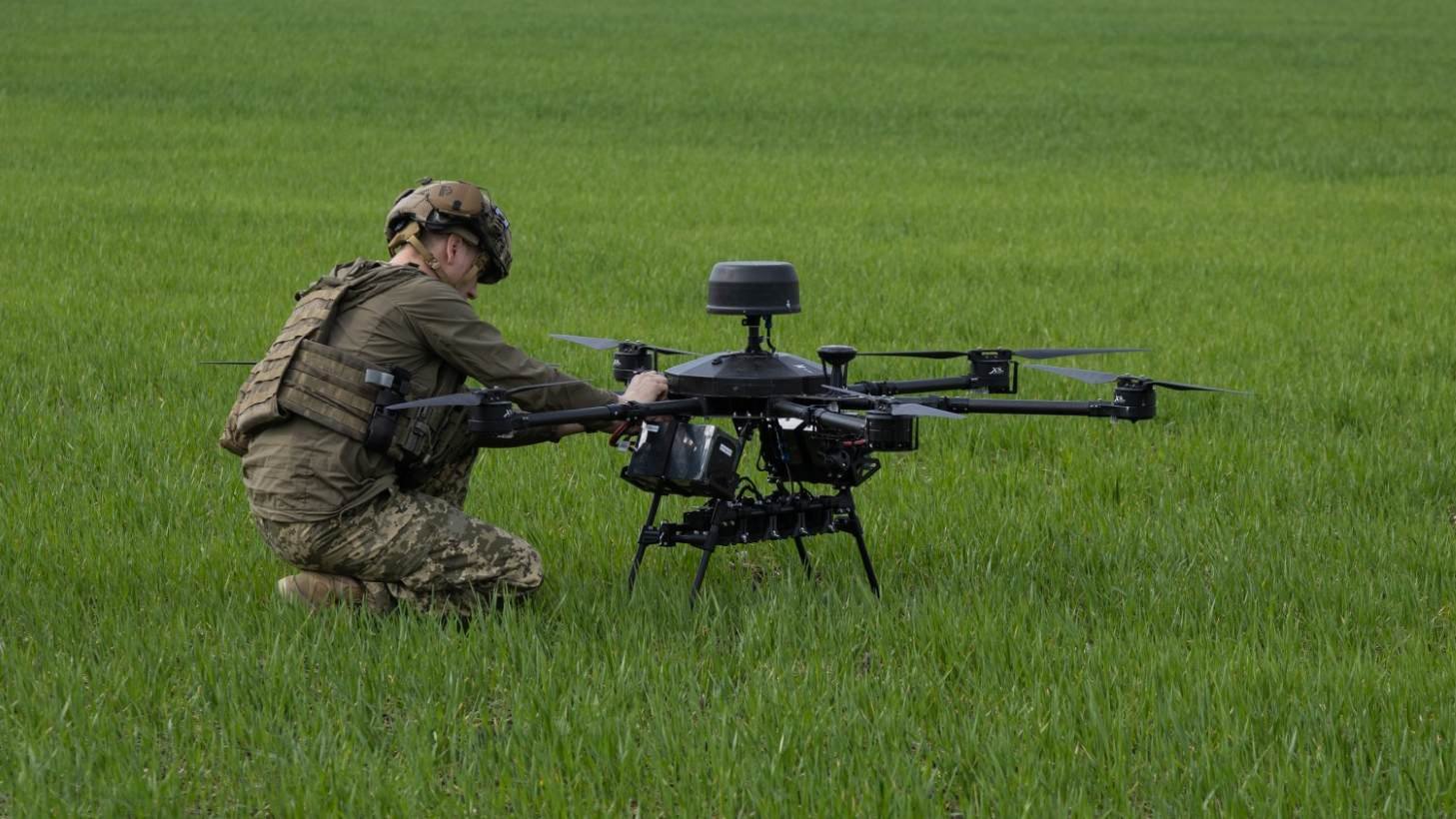 Ukrainian strikes hit Moscow region and occupied CrimeaUkraine said it carried out a coordinated long-range attack overnight on May 16–17 targeting military-industrial and fuel infrastructure in Moscow Oblast and Russian-occupied Crimea. The Security Service of Ukraine, or SBU, said the operation was conducted jointly with the Armed Forces and included strikes on the Moscow Oil Refinery, air defense systems, and infrastructure at the Belbek military airfield in Crimea. Russian authorities and local reports said residential buildings were also damaged and that at least three people were killed. Moscow said its air defenses intercepted 1,054 Ukrainian drones, eight guided aerial bombs, and two newly developed Ukrainian missiles during the attack. Those figures, like many battlefield claims from both sides, could not be independently verified. Zelensky frames attacks as evidence of shifting momentumPresident Volodymyr Zelensky described the operation as a “significant” demonstration of Ukraine’s long-range strike capability and linked it to what he called a broader shift in momentum on the battlefield. In his May 17 evening address, he said Western partners were increasingly recognizing changes both in attitudes toward the war and in the vulnerability of targets on Russian territory. Zelensky said Moscow’s extensive defensive measures around the capital were no longer preventing Ukrainian strikes from reaching strategic sites. He also suggested that Russian oil infrastructure should expect continued pressure, referring specifically to refineries, oil facilities, and industrial enterprises. He characterized the attack as a response to Russia’s continued strikes on Ukrainian cities. Growing scale of deep-strike campaignUkraine has repeatedly targeted facilities tied to Russia’s war effort, including oil refineries, fuel depots, and weapons-related production sites. Recent attacks, however, indicate a higher tempo and an apparent ability to penetrate heavily defended areas around Moscow. Russian state media outlet RIA Novosti, citing the Defense Ministry, reported that 3,124 Ukrainian drones were downed over Russia and Russian-occupied territory during the previous week. It also said 572 drones were intercepted in a May 13 attack that primarily targeted oil and gas infrastructure. The reported increase in Ukrainian drone activity reflects Kyiv’s effort to place additional strain on Russia’s military-industrial base and logistics network far from the front line. Front-line claims remain contestedZelensky also used his address to argue that battlefield dynamics have shifted in Ukraine’s favor. He said Ukrainian monitoring showed more Ukrainian “active operations” than Russian ones over the 24-hour period spanning May 16–17 and pledged to increase supplies needed to sustain those efforts. Commander-in-Chief Oleksandr Syrskyi has previously said Ukrainian forces captured more territory in February than Russian troops. Zelensky separately said in March that Ukraine had liberated more than 400 square kilometers of Russian-occupied territory in the eastern parts of the Zaporizhzhia and Dnipropetrovsk regions. Independent verification of such claims remains difficult because of fluid front lines and contested “gray zone” areas where control is unclear. Kremlin signals openness to renewed talks with EuropeAfter the Moscow attack, Kremlin spokesperson Dmitry Peskov said Russia could resume dialogue with European states. Speaking on May 17, he said growing discussion in Europe about eventually speaking with Moscow was a positive sign and that the Russian side would be ready for renewed communication. The remarks came amid debate in Europe over future diplomacy with Russia as uncertainty continues around U.S. efforts to end the war. Peskov criticized EU foreign policy chief Kaja Kallas as an unsuitable potential negotiator, while Estonian Foreign Minister Margus Tsahkna warned against talks that could allow Moscow to buy time. Finnish President Alexander Stubb had earlier argued that European leaders should move toward direct dialogue with Russia, saying U.S. policy no longer fully aligns with European goals.
 -
Ukrainian strikes hit Moscow region and occupied CrimeaUkraine said it carried out a coordinated long-range attack overnight on May 16–17 targeting military-industrial and fuel infrastructure in Moscow Oblast and Russian-occupied Crimea. The Security Service of Ukraine, or SBU, said the operation was conducted jointly with the Armed Forces and included strikes on the Moscow Oil Refinery, air defense systems, and infrastructure at the Belbek military airfield in Crimea. Russian authorities and local reports said residential buildings were also damaged and that at least three people were killed. Moscow said its air defenses intercepted 1,054 Ukrainian drones, eight guided aerial bombs, and two newly developed Ukrainian missiles during the attack. Those figures, like many battlefield claims from both sides, could not be independently verified. Zelensky frames attacks as evidence of shifting momentumPresident Volodymyr Zelensky described the operation as a “significant” demonstration of Ukraine’s long-range strike capability and linked it to what he called a broader shift in momentum on the battlefield. In his May 17 evening address, he said Western partners were increasingly recognizing changes both in attitudes toward the war and in the vulnerability of targets on Russian territory. Zelensky said Moscow’s extensive defensive measures around the capital were no longer preventing Ukrainian strikes from reaching strategic sites. He also suggested that Russian oil infrastructure should expect continued pressure, referring specifically to refineries, oil facilities, and industrial enterprises. He characterized the attack as a response to Russia’s continued strikes on Ukrainian cities. Growing scale of deep-strike campaignUkraine has repeatedly targeted facilities tied to Russia’s war effort, including oil refineries, fuel depots, and weapons-related production sites. Recent attacks, however, indicate a higher tempo and an apparent ability to penetrate heavily defended areas around Moscow. Russian state media outlet RIA Novosti, citing the Defense Ministry, reported that 3,124 Ukrainian drones were downed over Russia and Russian-occupied territory during the previous week. It also said 572 drones were intercepted in a May 13 attack that primarily targeted oil and gas infrastructure. The reported increase in Ukrainian drone activity reflects Kyiv’s effort to place additional strain on Russia’s military-industrial base and logistics network far from the front line. Front-line claims remain contestedZelensky also used his address to argue that battlefield dynamics have shifted in Ukraine’s favor. He said Ukrainian monitoring showed more Ukrainian “active operations” than Russian ones over the 24-hour period spanning May 16–17 and pledged to increase supplies needed to sustain those efforts. Commander-in-Chief Oleksandr Syrskyi has previously said Ukrainian forces captured more territory in February than Russian troops. Zelensky separately said in March that Ukraine had liberated more than 400 square kilometers of Russian-occupied territory in the eastern parts of the Zaporizhzhia and Dnipropetrovsk regions. Independent verification of such claims remains difficult because of fluid front lines and contested “gray zone” areas where control is unclear. Kremlin signals openness to renewed talks with EuropeAfter the Moscow attack, Kremlin spokesperson Dmitry Peskov said Russia could resume dialogue with European states. Speaking on May 17, he said growing discussion in Europe about eventually speaking with Moscow was a positive sign and that the Russian side would be ready for renewed communication. The remarks came amid debate in Europe over future diplomacy with Russia as uncertainty continues around U.S. efforts to end the war. Peskov criticized EU foreign policy chief Kaja Kallas as an unsuitable potential negotiator, while Estonian Foreign Minister Margus Tsahkna warned against talks that could allow Moscow to buy time. Finnish President Alexander Stubb had earlier argued that European leaders should move toward direct dialogue with Russia, saying U.S. policy no longer fully aligns with European goals. View full article
-
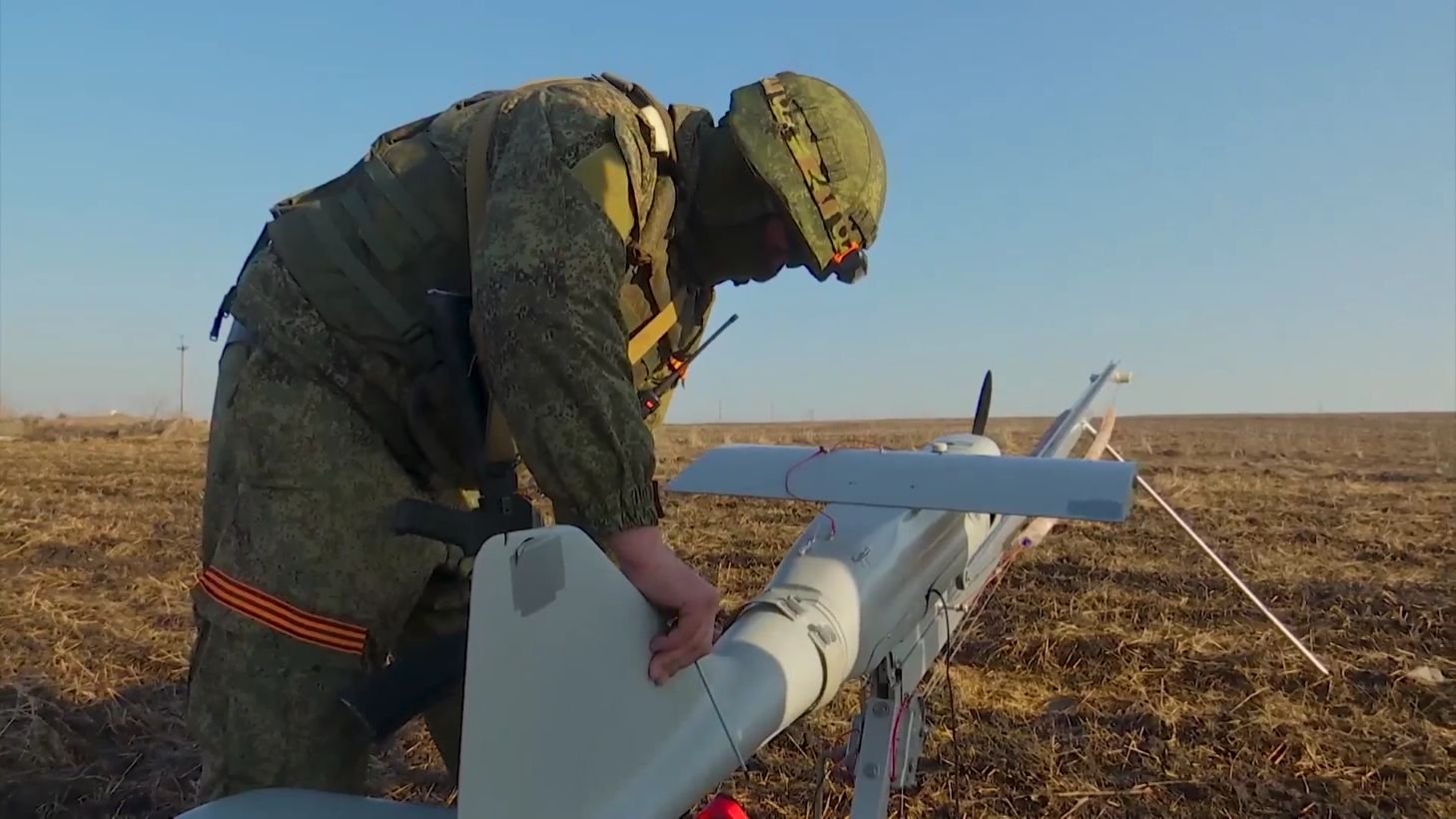 Reported Military ProcurementCuba has sought to acquire drones and other military equipment from Russia within the past month, according to an Axios report published May 17 citing unnamed U.S. officials. The same report said Cuban officials have discussed possible attacks on the U.S. naval base at Guantanamo Bay, targets in Key West, and U.S. military vessels. A senior U.S. official told Axios that Cuban authorities are also studying how Iran has withstood sustained U.S. military pressure during recent strikes. U.S. officials presented those discussions as part of a broader Cuban effort to evaluate asymmetric military options close to U.S. territory. Existing Drone Stockpile and Intelligence RoleAccording to the report, Havana has already purchased more than 300 Russian and Iranian drones of “varying capabilities” and dispersed them to storage sites across the island. U.S. officials did not publicly detail the models or operational status of the systems. Axios also reported that Cuba continues to host espionage facilities used to collect signals intelligence for China and Russia. U.S. officials cited the island’s proximity to the United States as a central concern, arguing that drone technology and intelligence infrastructure positioned roughly 90 miles from Florida increase strategic risk even if Cuba’s conventional military capabilities remain limited. U.S. Warning Following Ratcliffe VisitThe issue reportedly featured in CIA Director John Ratcliffe’s May 14 visit to Cuba. A CIA official told Axios that Washington used the visit to warn Havana against military escalation and to signal that U.S. sanctions relief would require political change and an end to Cuba’s role as a platform for foreign adversaries. The official said Ratcliffe’s message was that Cuba should no longer enable hostile activity in the Western Hemisphere. U.S. officials nonetheless indicated they do not currently view Cuba as a major direct military threat. One senior official told Axios that concerns are centered less on conventional aircraft or large-scale force projection and more on the island’s location and its links to Russia and Iran. Links to Russia’s War in UkraineU.S. officials also told Axios that Cuba has contributed about 5,000 soldiers to Russia’s war against Ukraine. They said Cuban participation has exposed Havana to lessons from drone warfare and Iranian-backed tactics used by Russian forces. Ukraine downgraded diplomatic relations with Cuba in October and closed its embassy in Havana, citing the significant number of Cuban nationals recruited to fight for Russia in the full-scale war. U.S. officials portrayed that battlefield exposure as one factor shaping Cuba’s growing interest in unmanned systems. Potential U.S. Response and Raul Castro CaseAxios reported that the intelligence gathered on Cuba’s military activity could inform future U.S. policy decisions, particularly amid the reported presence of Iranian military advisers in Havana. No formal U.S. action was announced. Separately, the U.S. Department of Justice is expected to unseal an indictment against Raúl Castro tied to the 1996 downing of civilian aircraft, according to the report. Although Castro stepped down as president in 2018 and left the Communist Party leadership in 2021, he remains widely regarded as one of Cuba’s most influential political figures.
 -
Reported Military ProcurementCuba has sought to acquire drones and other military equipment from Russia within the past month, according to an Axios report published May 17 citing unnamed U.S. officials. The same report said Cuban officials have discussed possible attacks on the U.S. naval base at Guantanamo Bay, targets in Key West, and U.S. military vessels. A senior U.S. official told Axios that Cuban authorities are also studying how Iran has withstood sustained U.S. military pressure during recent strikes. U.S. officials presented those discussions as part of a broader Cuban effort to evaluate asymmetric military options close to U.S. territory. Existing Drone Stockpile and Intelligence RoleAccording to the report, Havana has already purchased more than 300 Russian and Iranian drones of “varying capabilities” and dispersed them to storage sites across the island. U.S. officials did not publicly detail the models or operational status of the systems. Axios also reported that Cuba continues to host espionage facilities used to collect signals intelligence for China and Russia. U.S. officials cited the island’s proximity to the United States as a central concern, arguing that drone technology and intelligence infrastructure positioned roughly 90 miles from Florida increase strategic risk even if Cuba’s conventional military capabilities remain limited. U.S. Warning Following Ratcliffe VisitThe issue reportedly featured in CIA Director John Ratcliffe’s May 14 visit to Cuba. A CIA official told Axios that Washington used the visit to warn Havana against military escalation and to signal that U.S. sanctions relief would require political change and an end to Cuba’s role as a platform for foreign adversaries. The official said Ratcliffe’s message was that Cuba should no longer enable hostile activity in the Western Hemisphere. U.S. officials nonetheless indicated they do not currently view Cuba as a major direct military threat. One senior official told Axios that concerns are centered less on conventional aircraft or large-scale force projection and more on the island’s location and its links to Russia and Iran. Links to Russia’s War in UkraineU.S. officials also told Axios that Cuba has contributed about 5,000 soldiers to Russia’s war against Ukraine. They said Cuban participation has exposed Havana to lessons from drone warfare and Iranian-backed tactics used by Russian forces. Ukraine downgraded diplomatic relations with Cuba in October and closed its embassy in Havana, citing the significant number of Cuban nationals recruited to fight for Russia in the full-scale war. U.S. officials portrayed that battlefield exposure as one factor shaping Cuba’s growing interest in unmanned systems. Potential U.S. Response and Raul Castro CaseAxios reported that the intelligence gathered on Cuba’s military activity could inform future U.S. policy decisions, particularly amid the reported presence of Iranian military advisers in Havana. No formal U.S. action was announced. Separately, the U.S. Department of Justice is expected to unseal an indictment against Raúl Castro tied to the 1996 downing of civilian aircraft, according to the report. Although Castro stepped down as president in 2018 and left the Communist Party leadership in 2021, he remains widely regarded as one of Cuba’s most influential political figures. View full article
-
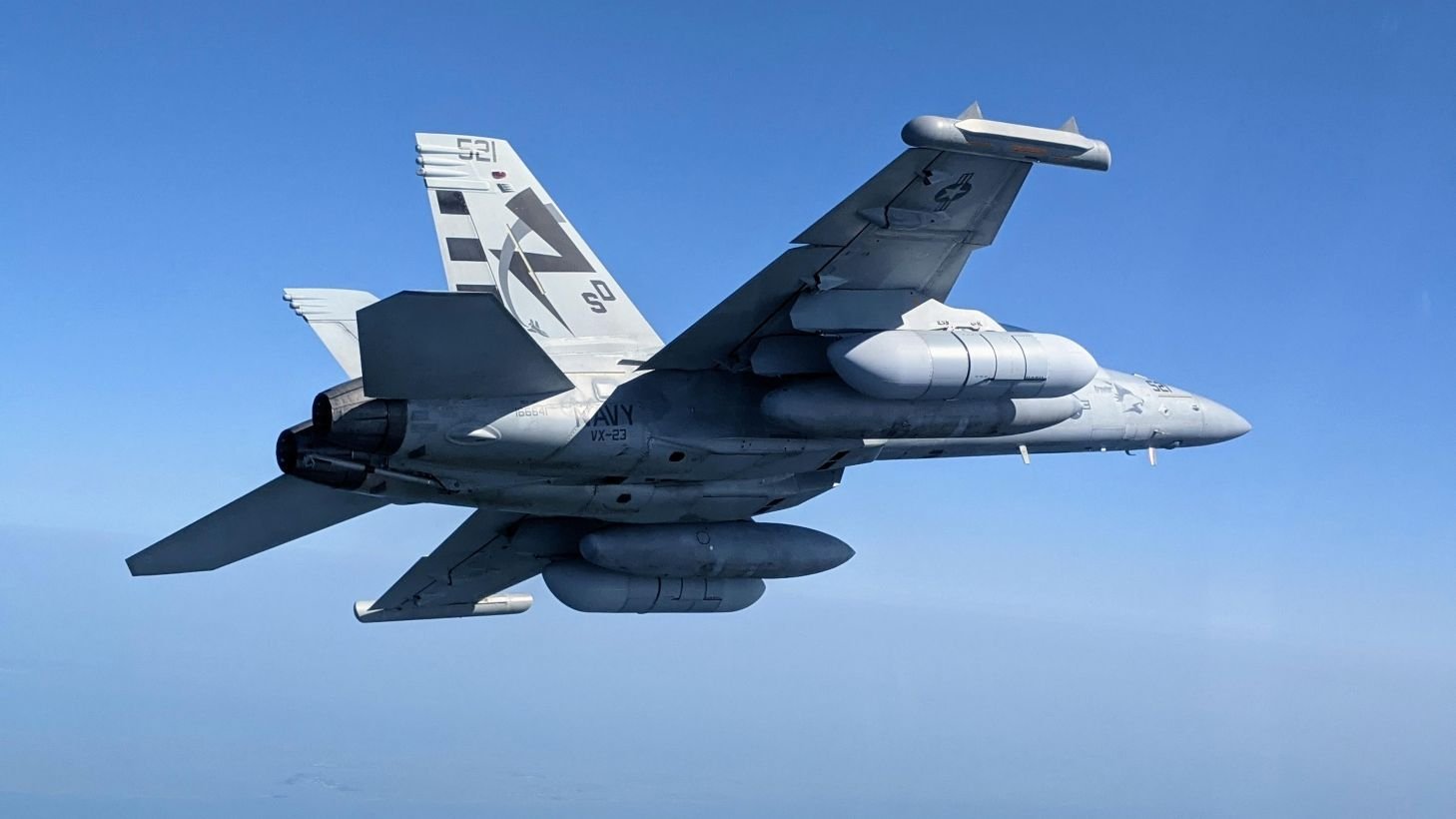 Mid-air collision during Idaho air showFour naval aviators ejected safely after two U.S. Navy E/A-18G Growlers collided during an aerial demonstration at Mountain Home Air Force Base in Idaho. Cmdr. Amelia Umayam, a spokesperson for Naval Air Forces, U.S. Pacific Fleet, said all four crewmembers were recovered after ejecting and were being evaluated by medical personnel. First responders were sent to the scene following the accident. The aircraft were part of the Navy’s E/A-18G Growler Demonstration Team performing at the Gunfighter Skies Air Show. Each E/A-18G carries two aircrew: a pilot and an electronic warfare officer. Timeline and location of the crashAccording to the Navy, the collision occurred at about 12:10 p.m. involving two E/A-18Gs assigned to Electronic Attack Squadron 129, or VAQ-129, based at Naval Air Station Whidbey Island, Washington. A spokesperson for Mountain Home Air Force Base told Task & Purpose the crash occurred roughly two miles northwest of the installation during the demonstration. Witness images and local media footage showed smoke rising near the crash area after impact. The Idaho Statesman reported that an air show announcer told the crowd, “We had four good parachutes. The crews were able to eject.” Footage shows rapid ejection sequenceA video circulated on social media appeared to show the two Growlers flying in close formation before making contact. In the footage, the aircraft seem to remain entangled briefly, pitching upward before both crews eject. The ejections appear to take place within seconds of the initial collision. The unmanned aircraft then descend together and crash, followed by a fireball on impact. Separate photos and videos showed four parachutes descending near the crash site. Task & Purpose reported that images posted by KBTV and footage shared on the Amn/nco/snco Facebook page captured the sequence from collision through impact. Aircraft and unit backgroundThe E/A-18G Growler is the Navy’s carrier-capable electronic attack aircraft, derived from the F/A-18 family. It is equipped for missions that include detecting, disrupting, and targeting enemy radar and other electronic systems. VAQ-129, the squadron involved in the incident, serves as the fleet replacement squadron for the Growler community. Like most Navy Growler units, it is based at NAS Whidbey Island, which also hosts initial training for pilots and naval flight officers assigned to the platform. A separate Whidbey Island-based E/A-18G crashed during a training flight near Mount Rainier in 2024. Air show contextThe aircraft were participating in the two-day Gunfighter Skies Air Show, which featured military demonstration teams and vintage aircraft. According to reporting cited by Task & Purpose, this year’s event marked the first Gunfighter Skies show held in eight years. KTVB also published an interview with Navy Lt. Kevin Lynch, identified as a member of the demonstration team, that appeared to have been recorded before the accident. The base has previously seen a fatal air show accident: a hang glider performer died during a 2018 crash. No fatalities were reported in the Growler collision, and all four naval aviators survived the incident.
 -
Mid-air collision during Idaho air showFour naval aviators ejected safely after two U.S. Navy E/A-18G Growlers collided during an aerial demonstration at Mountain Home Air Force Base in Idaho. Cmdr. Amelia Umayam, a spokesperson for Naval Air Forces, U.S. Pacific Fleet, said all four crewmembers were recovered after ejecting and were being evaluated by medical personnel. First responders were sent to the scene following the accident. The aircraft were part of the Navy’s E/A-18G Growler Demonstration Team performing at the Gunfighter Skies Air Show. Each E/A-18G carries two aircrew: a pilot and an electronic warfare officer. Timeline and location of the crashAccording to the Navy, the collision occurred at about 12:10 p.m. involving two E/A-18Gs assigned to Electronic Attack Squadron 129, or VAQ-129, based at Naval Air Station Whidbey Island, Washington. A spokesperson for Mountain Home Air Force Base told Task & Purpose the crash occurred roughly two miles northwest of the installation during the demonstration. Witness images and local media footage showed smoke rising near the crash area after impact. The Idaho Statesman reported that an air show announcer told the crowd, “We had four good parachutes. The crews were able to eject.” Footage shows rapid ejection sequenceA video circulated on social media appeared to show the two Growlers flying in close formation before making contact. In the footage, the aircraft seem to remain entangled briefly, pitching upward before both crews eject. The ejections appear to take place within seconds of the initial collision. The unmanned aircraft then descend together and crash, followed by a fireball on impact. Separate photos and videos showed four parachutes descending near the crash site. Task & Purpose reported that images posted by KBTV and footage shared on the Amn/nco/snco Facebook page captured the sequence from collision through impact. Aircraft and unit backgroundThe E/A-18G Growler is the Navy’s carrier-capable electronic attack aircraft, derived from the F/A-18 family. It is equipped for missions that include detecting, disrupting, and targeting enemy radar and other electronic systems. VAQ-129, the squadron involved in the incident, serves as the fleet replacement squadron for the Growler community. Like most Navy Growler units, it is based at NAS Whidbey Island, which also hosts initial training for pilots and naval flight officers assigned to the platform. A separate Whidbey Island-based E/A-18G crashed during a training flight near Mount Rainier in 2024. Air show contextThe aircraft were participating in the two-day Gunfighter Skies Air Show, which featured military demonstration teams and vintage aircraft. According to reporting cited by Task & Purpose, this year’s event marked the first Gunfighter Skies show held in eight years. KTVB also published an interview with Navy Lt. Kevin Lynch, identified as a member of the demonstration team, that appeared to have been recorded before the accident. The base has previously seen a fatal air show accident: a hang glider performer died during a 2018 crash. No fatalities were reported in the Growler collision, and all four naval aviators survived the incident. View full article
-
 Drone strike hits edge of Barakah siteA drone strike sparked a fire Sunday on the edge of the United Arab Emirates’ Barakah nuclear power plant, the country’s only nuclear facility, in what UAE authorities described as an “unprovoked terrorist attack.” No group immediately claimed responsibility, and officials did not assign blame. The UAE Defense Ministry said three drones crossed the country’s western border with Saudi Arabia. Two were intercepted, while the third struck near the plant. Saudi Arabia separately condemned the attack and later said it had intercepted three drones that entered from Iraqi airspace. Per the AP report, there were no reported injuries and no radiological release. Safety systems remained operationalThe UAE’s nuclear regulator said the fire did not affect plant safety and that “all units are operating as normal.” The International Atomic Energy Agency said the strike caused a fire in an electrical generator and that one reactor was being powered by emergency diesel generators. Barakah is a four-reactor facility built with South Korean assistance at a reported cost of $20 billion. It began operating in 2020 and is the only nuclear power plant in the Arab world. The station can supply roughly one-quarter of the UAE’s electricity needs. The attack marked the first known wartime strike on Barakah itself. Yemen’s Iran-backed Houthi movement claimed in 2017 that it had targeted the plant while it was still under construction, a claim Abu Dhabi denied at the time. Regional tensions frame the incidentThe strike came amid rising tension around the Strait of Hormuz and a fragile ceasefire in the wider conflict involving Iran, Israel and the United States. The UAE has hosted Israeli air defenses and personnel and has recently accused Iran of launching drone and missile attacks. Anwar Gargash, a diplomatic adviser to the UAE president, said the attack, “whether carried out by the principal actor or through one of its proxies, represents a dangerous escalation.” Iran and allied Shiite militias in Iraq have previously launched drone attacks against Gulf Arab states during the war. Shortly after speaking with Israeli Prime Minister Benjamin Netanyahu, U.S. President Donald Trump posted that Iran should move “FAST.” In Tehran, Mohsen Rezaei, a military adviser to Iran’s supreme leader, said on state television that Iran’s armed forces were ready while diplomacy continued. Different nuclear programs, different safeguardsThe UAE’s nuclear program operates under a strict U.S. “123 agreement,” under which Abu Dhabi agreed not to enrich uranium domestically or reprocess spent fuel. Its uranium is imported, a structure intended to reduce proliferation concerns. That framework differs sharply from Iran’s nuclear program, which remains at the center of long-running disputes with Washington and Israel. Iran says its program is peaceful, but it has enriched uranium near weapons-grade levels and has faced scrutiny over past military dimensions and limits on U.N. inspections. Israel is widely believed to be the region’s only nuclear-armed state, though it has neither confirmed nor denied possessing such weapons. Ceasefire shows further signs of strainThe latest strike underscored the vulnerability of nuclear infrastructure in conflict zones, a risk also seen during Russia’s invasion of Ukraine and in reported attacks near Iran’s Bushehr plant. Two people familiar with the matter, including an Israeli military officer, told the AP that Israel is coordinating with the United States on a possible resumption of attacks. Speaking to his Cabinet, Netanyahu said Israel was “prepared for any scenario.” On Iranian state television, presenters on at least two channels appeared armed during live broadcasts, including one segment in which a host received basic firearms instruction from a masked Revolutionary Guard member. The broadcasts added to signs that, despite the ceasefire, the confrontation remains unstable.
 -
Drone strike hits edge of Barakah siteA drone strike sparked a fire Sunday on the edge of the United Arab Emirates’ Barakah nuclear power plant, the country’s only nuclear facility, in what UAE authorities described as an “unprovoked terrorist attack.” No group immediately claimed responsibility, and officials did not assign blame. The UAE Defense Ministry said three drones crossed the country’s western border with Saudi Arabia. Two were intercepted, while the third struck near the plant. Saudi Arabia separately condemned the attack and later said it had intercepted three drones that entered from Iraqi airspace. Per the AP report, there were no reported injuries and no radiological release. Safety systems remained operationalThe UAE’s nuclear regulator said the fire did not affect plant safety and that “all units are operating as normal.” The International Atomic Energy Agency said the strike caused a fire in an electrical generator and that one reactor was being powered by emergency diesel generators. Barakah is a four-reactor facility built with South Korean assistance at a reported cost of $20 billion. It began operating in 2020 and is the only nuclear power plant in the Arab world. The station can supply roughly one-quarter of the UAE’s electricity needs. The attack marked the first known wartime strike on Barakah itself. Yemen’s Iran-backed Houthi movement claimed in 2017 that it had targeted the plant while it was still under construction, a claim Abu Dhabi denied at the time. Regional tensions frame the incidentThe strike came amid rising tension around the Strait of Hormuz and a fragile ceasefire in the wider conflict involving Iran, Israel and the United States. The UAE has hosted Israeli air defenses and personnel and has recently accused Iran of launching drone and missile attacks. Anwar Gargash, a diplomatic adviser to the UAE president, said the attack, “whether carried out by the principal actor or through one of its proxies, represents a dangerous escalation.” Iran and allied Shiite militias in Iraq have previously launched drone attacks against Gulf Arab states during the war. Shortly after speaking with Israeli Prime Minister Benjamin Netanyahu, U.S. President Donald Trump posted that Iran should move “FAST.” In Tehran, Mohsen Rezaei, a military adviser to Iran’s supreme leader, said on state television that Iran’s armed forces were ready while diplomacy continued. Different nuclear programs, different safeguardsThe UAE’s nuclear program operates under a strict U.S. “123 agreement,” under which Abu Dhabi agreed not to enrich uranium domestically or reprocess spent fuel. Its uranium is imported, a structure intended to reduce proliferation concerns. That framework differs sharply from Iran’s nuclear program, which remains at the center of long-running disputes with Washington and Israel. Iran says its program is peaceful, but it has enriched uranium near weapons-grade levels and has faced scrutiny over past military dimensions and limits on U.N. inspections. Israel is widely believed to be the region’s only nuclear-armed state, though it has neither confirmed nor denied possessing such weapons. Ceasefire shows further signs of strainThe latest strike underscored the vulnerability of nuclear infrastructure in conflict zones, a risk also seen during Russia’s invasion of Ukraine and in reported attacks near Iran’s Bushehr plant. Two people familiar with the matter, including an Israeli military officer, told the AP that Israel is coordinating with the United States on a possible resumption of attacks. Speaking to his Cabinet, Netanyahu said Israel was “prepared for any scenario.” On Iranian state television, presenters on at least two channels appeared armed during live broadcasts, including one segment in which a host received basic firearms instruction from a masked Revolutionary Guard member. The broadcasts added to signs that, despite the ceasefire, the confrontation remains unstable. View full article
-
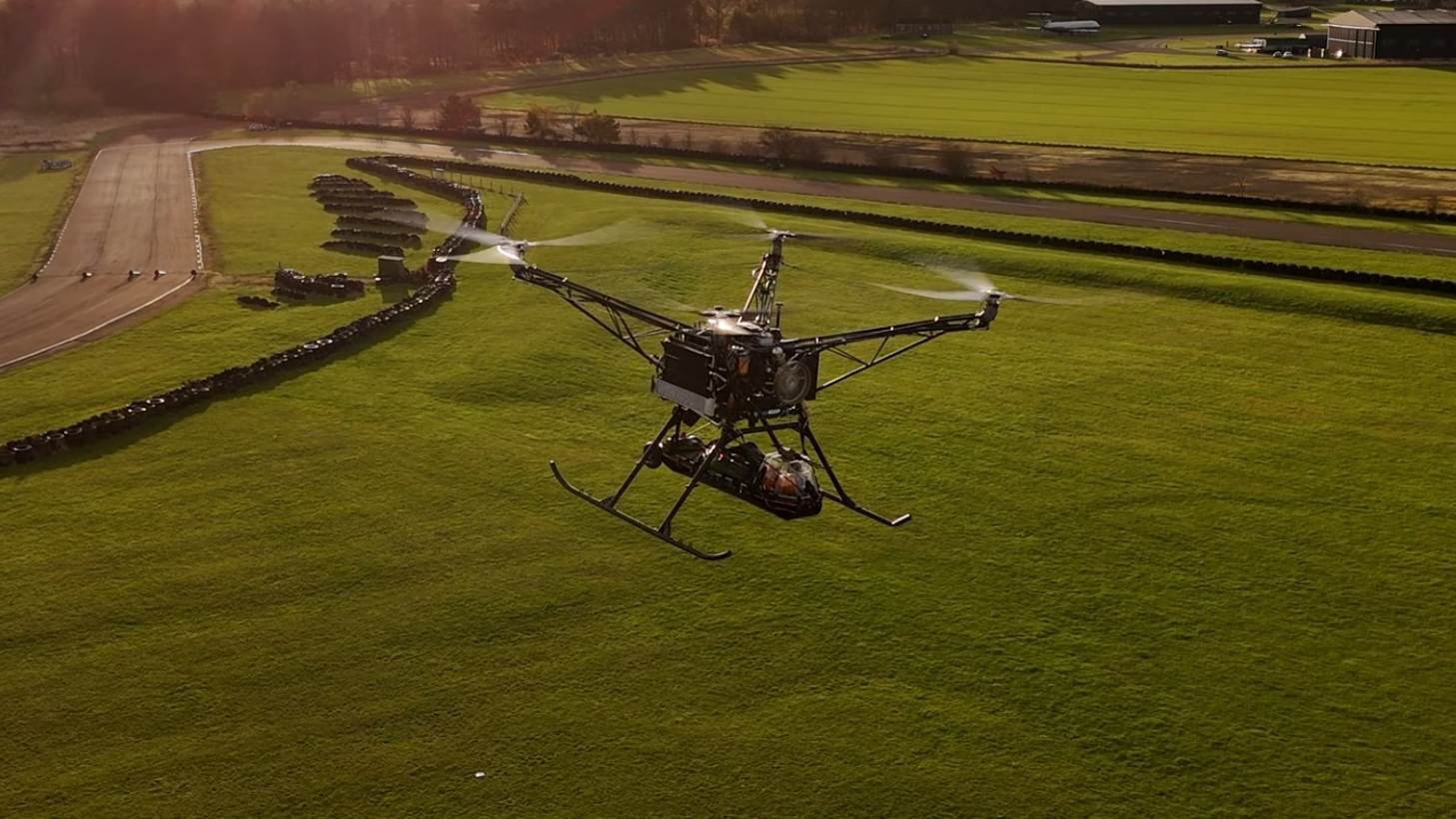 Army Evaluates Drone for Casualty EvacuationThe U.S. Army has tested an unmanned aircraft designed to transport wounded troops, expanding a drone portfolio that already includes systems used for reconnaissance, strike missions, and delivery of medical supplies to frontline forces. The demonstration centered on Flowcopter’s FC-100, a heavy-lift drone capable of carrying up to 1,400 pounds. During the trial, operators strapped a test dummy onto the aircraft and prepared it for flight in front of observing troops. The event highlighted a possible future role for unmanned systems in casualty evacuation from contested areas where traditional medical evacuation helicopters may face high risk or be unable to operate safely. Exercise Context and Units InvolvedThe test took place during Saber Strike, a large Army exercise involving more than 15,000 U.S. and NATO personnel training on air defense, counter-drone operations, and battlefield coordination across Eastern Europe. Among those observing were soldiers from the Vilseck, Germany-based 2nd Cavalry Regiment. The regiment has been involved in Army efforts to test emerging autonomous technologies through initiatives including Transforming in Contact and Project Flytrap. The Army has increasingly used large exercises to expose operational units to new systems under realistic conditions, particularly technologies intended for large-scale combat environments where logistics and medical support may be disrupted. Medical Role Under ReviewArmy officials said the effort is tied to broader work on improving battlefield medical support and decision-making. Capt. James Yu of the 75th Innovation Command said in an Army video that the service is examining technologies that can strengthen both combat effectiveness and care for soldiers in future large-scale operations. The Army has already spent years experimenting with drones that can deliver blood bags and other lifesaving supplies to the front. The FC-100 test extended that concept by examining whether an unmanned aircraft could also remove casualties from danger without sending additional soldiers or medics into threatened areas. That approach could be particularly relevant in situations where airspace is heavily contested, landing zones are exposed, or crewed aircraft cannot be committed without significant risk. FC-100 Design and PerformanceUnlike smaller electric commercial-style drones, the FC-100 uses a hydraulic-powered engine. The aircraft operates through a combination of preplanned flight paths, autonomous navigation, and remote piloting that allows operators to supervise the mission and make adjustments in flight. According to Flowcopter, the drone can remain airborne for up to 11 hours while carrying 110 pounds. With a 330-pound payload, endurance drops to about five hours. At a 220-pound load, the company says the aircraft can travel more than 60 miles. Those specifications suggest the platform could support multiple roles beyond evacuation, including supply, delivery, and recovery missions in areas with limited access. Remaining Limits and Next StepsThe concept also presents clear medical limitations. Unlike conventional medevac helicopters, which carry trained medical personnel and equipment, an unmanned aircraft cannot provide treatment during transport. That means its usefulness would depend on the casualty’s condition, distance to care, and the availability of follow-on medical support. The Army has not announced whether Flowcopter will advance to additional prototyping or broader trials. Even so, the demonstration provided a practical look at how autonomous evacuation and resupply systems could become a more common feature of future battlefield operations.
 -
Army Evaluates Drone for Casualty EvacuationThe U.S. Army has tested an unmanned aircraft designed to transport wounded troops, expanding a drone portfolio that already includes systems used for reconnaissance, strike missions, and delivery of medical supplies to frontline forces. The demonstration centered on Flowcopter’s FC-100, a heavy-lift drone capable of carrying up to 1,400 pounds. During the trial, operators strapped a test dummy onto the aircraft and prepared it for flight in front of observing troops. The event highlighted a possible future role for unmanned systems in casualty evacuation from contested areas where traditional medical evacuation helicopters may face high risk or be unable to operate safely. Exercise Context and Units InvolvedThe test took place during Saber Strike, a large Army exercise involving more than 15,000 U.S. and NATO personnel training on air defense, counter-drone operations, and battlefield coordination across Eastern Europe. Among those observing were soldiers from the Vilseck, Germany-based 2nd Cavalry Regiment. The regiment has been involved in Army efforts to test emerging autonomous technologies through initiatives including Transforming in Contact and Project Flytrap. The Army has increasingly used large exercises to expose operational units to new systems under realistic conditions, particularly technologies intended for large-scale combat environments where logistics and medical support may be disrupted. Medical Role Under ReviewArmy officials said the effort is tied to broader work on improving battlefield medical support and decision-making. Capt. James Yu of the 75th Innovation Command said in an Army video that the service is examining technologies that can strengthen both combat effectiveness and care for soldiers in future large-scale operations. The Army has already spent years experimenting with drones that can deliver blood bags and other lifesaving supplies to the front. The FC-100 test extended that concept by examining whether an unmanned aircraft could also remove casualties from danger without sending additional soldiers or medics into threatened areas. That approach could be particularly relevant in situations where airspace is heavily contested, landing zones are exposed, or crewed aircraft cannot be committed without significant risk. FC-100 Design and PerformanceUnlike smaller electric commercial-style drones, the FC-100 uses a hydraulic-powered engine. The aircraft operates through a combination of preplanned flight paths, autonomous navigation, and remote piloting that allows operators to supervise the mission and make adjustments in flight. According to Flowcopter, the drone can remain airborne for up to 11 hours while carrying 110 pounds. With a 330-pound payload, endurance drops to about five hours. At a 220-pound load, the company says the aircraft can travel more than 60 miles. Those specifications suggest the platform could support multiple roles beyond evacuation, including supply, delivery, and recovery missions in areas with limited access. Remaining Limits and Next StepsThe concept also presents clear medical limitations. Unlike conventional medevac helicopters, which carry trained medical personnel and equipment, an unmanned aircraft cannot provide treatment during transport. That means its usefulness would depend on the casualty’s condition, distance to care, and the availability of follow-on medical support. The Army has not announced whether Flowcopter will advance to additional prototyping or broader trials. Even so, the demonstration provided a practical look at how autonomous evacuation and resupply systems could become a more common feature of future battlefield operations. View full article
-
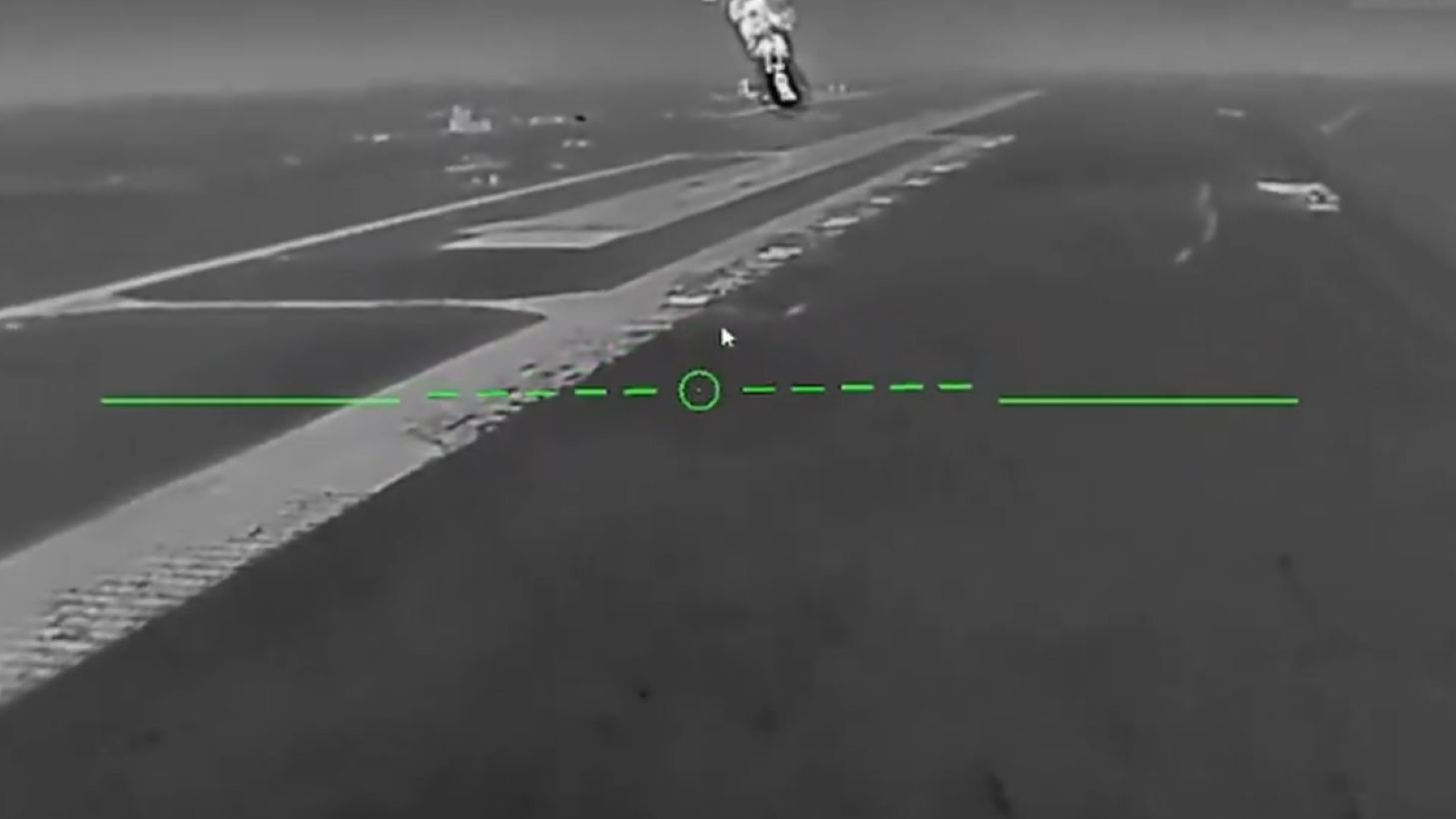 Footage Released After Deep-Strike ClaimsUkrainian President Volodymyr Zelensky on May 16 published video footage he said showed Ukrainian strikes on Russian military targets located far behind the front line. The attacks were presented as part of Kyiv’s expanding long-range strike campaign against military infrastructure, air-defense assets, logistics nodes, and other support systems used by Russian forces. Zelensky said the strikes reached targets at distances of nearly 1,000 kilometers from the line of contact. He also stated that Ukrainian attacks this week hit facilities tied to Russia’s oil sector and maritime assets. Describing the operations as a response to Russian actions, he said they were “entirely justified.” Aircraft and Air-Defense Systems Reportedly HitAmong the targets identified by Zelensky was a Beriev Be-200 amphibious aircraft. Ukraine’s Unmanned Systems Forces later said the aircraft was struck on May 15 in Russia’s Krasnodar Krai. The Be-200 is a twin-engine amphibious platform capable of operating from both runways and water, and is commonly associated with firefighting, search-and-rescue, and maritime patrol roles. The same set of reported strikes also included a Kamov Ka-27 helicopter, a Pantsir-S1 self-propelled anti-aircraft missile and gun system, and a Tor-series air-defense system identified by Ukrainian forces as a Tor-M2. Zelensky additionally listed a Redut-2US communications system and drones among the targets. Locations and Units Named by Ukrainian ForcesIn a statement, Ukraine’s Unmanned Systems Forces said the attacks were conducted in coordination with its Center for Depth Damage and involved multiple units. According to the statement, operators from the 1st Separate Center struck the Be-200 and Ka-27 in Yeisk, a city in Russia’s south. The same unit was also credited with hitting a Pantsir-S1 system in occupied Crimea and a dry cargo vessel carrying ammunition in Berdyansk. The 427th Separate Brigade “Rarog” was said to have struck a Tor-M2 air-defense system in the Luhansk region. Separately, the 414th Brigade “Birds of Magyar,” working with the 20th K-2 Brigade, reportedly targeted a Russian training center and a temporary deployment site in the same region. Maritime and Logistical TargetsA dry cargo ship loaded with ammunition was among the most significant logistical targets listed by Ukrainian officials. If confirmed, such a strike would fit a broader Ukrainian pattern of trying to disrupt Russian ammunition movement and reduce the survivability of rear-area supply networks. The reported destruction or damage of communications equipment, including the Redut-2US system, would also align with efforts to degrade command, control, and coordination for Russian units operating near the front. Broader Operational ContextUkraine has increasingly used drones and other long-range strike systems to reach targets well beyond immediate combat zones. These operations have focused on air bases, air-defense systems, fuel and energy sites, shipping, and ammunition storage, reflecting an emphasis on weakening the infrastructure that supports Russian combat operations. No independent verification of each strike claim was immediately available. Russian authorities were not cited in the released material, and Zelensky did not provide exact timing for all of the attacks. Still, the footage and accompanying statements offered one of the clearer official summaries this week of Ukraine’s continuing campaign against military targets in Russian-held territory and inside Russia itself.
 -
Footage Released After Deep-Strike ClaimsUkrainian President Volodymyr Zelensky on May 16 published video footage he said showed Ukrainian strikes on Russian military targets located far behind the front line. The attacks were presented as part of Kyiv’s expanding long-range strike campaign against military infrastructure, air-defense assets, logistics nodes, and other support systems used by Russian forces. Zelensky said the strikes reached targets at distances of nearly 1,000 kilometers from the line of contact. He also stated that Ukrainian attacks this week hit facilities tied to Russia’s oil sector and maritime assets. Describing the operations as a response to Russian actions, he said they were “entirely justified.” Aircraft and Air-Defense Systems Reportedly HitAmong the targets identified by Zelensky was a Beriev Be-200 amphibious aircraft. Ukraine’s Unmanned Systems Forces later said the aircraft was struck on May 15 in Russia’s Krasnodar Krai. The Be-200 is a twin-engine amphibious platform capable of operating from both runways and water, and is commonly associated with firefighting, search-and-rescue, and maritime patrol roles. The same set of reported strikes also included a Kamov Ka-27 helicopter, a Pantsir-S1 self-propelled anti-aircraft missile and gun system, and a Tor-series air-defense system identified by Ukrainian forces as a Tor-M2. Zelensky additionally listed a Redut-2US communications system and drones among the targets. Locations and Units Named by Ukrainian ForcesIn a statement, Ukraine’s Unmanned Systems Forces said the attacks were conducted in coordination with its Center for Depth Damage and involved multiple units. According to the statement, operators from the 1st Separate Center struck the Be-200 and Ka-27 in Yeisk, a city in Russia’s south. The same unit was also credited with hitting a Pantsir-S1 system in occupied Crimea and a dry cargo vessel carrying ammunition in Berdyansk. The 427th Separate Brigade “Rarog” was said to have struck a Tor-M2 air-defense system in the Luhansk region. Separately, the 414th Brigade “Birds of Magyar,” working with the 20th K-2 Brigade, reportedly targeted a Russian training center and a temporary deployment site in the same region. Maritime and Logistical TargetsA dry cargo ship loaded with ammunition was among the most significant logistical targets listed by Ukrainian officials. If confirmed, such a strike would fit a broader Ukrainian pattern of trying to disrupt Russian ammunition movement and reduce the survivability of rear-area supply networks. The reported destruction or damage of communications equipment, including the Redut-2US system, would also align with efforts to degrade command, control, and coordination for Russian units operating near the front. Broader Operational ContextUkraine has increasingly used drones and other long-range strike systems to reach targets well beyond immediate combat zones. These operations have focused on air bases, air-defense systems, fuel and energy sites, shipping, and ammunition storage, reflecting an emphasis on weakening the infrastructure that supports Russian combat operations. No independent verification of each strike claim was immediately available. Russian authorities were not cited in the released material, and Zelensky did not provide exact timing for all of the attacks. Still, the footage and accompanying statements offered one of the clearer official summaries this week of Ukraine’s continuing campaign against military targets in Russian-held territory and inside Russia itself. View full article
-
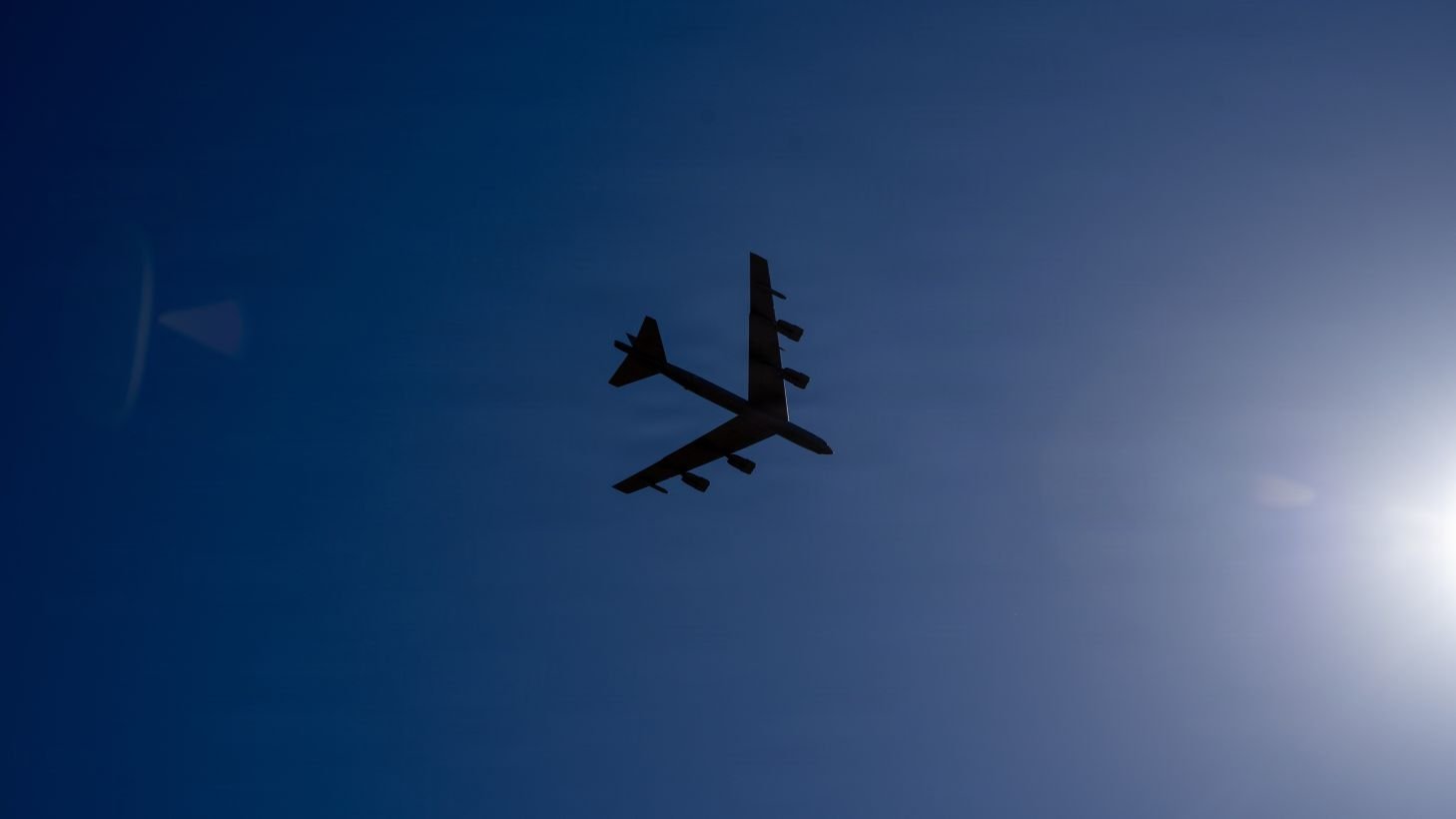 Joint operation in Lake Chad BasinU.S. and Nigerian forces killed Abu-Bilal al-Minuki in a Friday evening operation in the Lake Chad Basin, according to statements from U.S. Africa Command and the Nigerian presidency. President Donald Trump announced the mission on social media, describing al-Minuki as the Islamic State’s “second in command” globally. AFRICOM said al-Minuki served as ISIS’s director of global operations. Nigerian President Bola Tinubu said the strike also killed “several of his lieutenants,” while AFRICOM reported that other senior ISIS leaders were among the dead. What AFRICOM said about the targetAFRICOM identified al-Minuki as a senior ISIS figure with links to the group’s Nigerian network. The command said he was also known as Abubakar Maniok and described him as a central figure in planning attacks and managing financial operations. The United States had sanctioned al-Minuki in 2023 over ties to ISIS in Nigeria. In its latest statement, AFRICOM called him “the most active terrorist in the world,” underscoring his role in the organization’s international activities. Operational details remain limitedThe strike appears to be the largest U.S. operation in Nigeria since Christmas, when U.S. forces launched multiple missiles at militant targets in Sokoto state in the country’s northwest. AFRICOM has not disclosed how many American or Nigerian personnel took part in the latest mission, and the total number of ISIS fighters killed has not been made public. Video released by AFRICOM showed apparent ground combat followed by several airstrikes. The footage provided visual confirmation of a combined operation but did not clarify the scale of the force used or the full sequence of events. Expanded U.S. involvement in NigeriaThe operation follows a notable increase in U.S. military activity in Nigeria over the past six months. In February, the United States deployed about 100 troops to the country to train Nigerian forces. U.S. officials said the mission was intended to help local forces identify and neutralize extremist groups. That deployment came after the Christmas strikes in Sokoto, which AFRICOM said targeted ISIS camps. The recent expansion has taken place alongside repeated political pressure from Trump, who has accused the Nigerian government of failing to stop widespread violence against Christians and has previously threatened military action. Part of a wider campaign in AfricaThe strike in the Lake Chad Basin fits into a broader U.S. campaign against ISIS affiliates across Africa. American forces have also carried out repeated operations against ISIS’s Somalia branch in recent months, part of an escalating air campaign in that country. Together, the operations in Nigeria and Somalia indicate a sustained U.S. focus on ISIS networks on the continent, with an emphasis on high-value targets, training partnerships, and air-supported missions. While the killing of al-Minuki removes a senior operative, key questions remain about the remaining leadership structure of ISIS-linked groups in West Africa and the likely pace of future joint operations.
 -
Joint operation in Lake Chad BasinU.S. and Nigerian forces killed Abu-Bilal al-Minuki in a Friday evening operation in the Lake Chad Basin, according to statements from U.S. Africa Command and the Nigerian presidency. President Donald Trump announced the mission on social media, describing al-Minuki as the Islamic State’s “second in command” globally. AFRICOM said al-Minuki served as ISIS’s director of global operations. Nigerian President Bola Tinubu said the strike also killed “several of his lieutenants,” while AFRICOM reported that other senior ISIS leaders were among the dead. What AFRICOM said about the targetAFRICOM identified al-Minuki as a senior ISIS figure with links to the group’s Nigerian network. The command said he was also known as Abubakar Maniok and described him as a central figure in planning attacks and managing financial operations. The United States had sanctioned al-Minuki in 2023 over ties to ISIS in Nigeria. In its latest statement, AFRICOM called him “the most active terrorist in the world,” underscoring his role in the organization’s international activities. Operational details remain limitedThe strike appears to be the largest U.S. operation in Nigeria since Christmas, when U.S. forces launched multiple missiles at militant targets in Sokoto state in the country’s northwest. AFRICOM has not disclosed how many American or Nigerian personnel took part in the latest mission, and the total number of ISIS fighters killed has not been made public. Video released by AFRICOM showed apparent ground combat followed by several airstrikes. The footage provided visual confirmation of a combined operation but did not clarify the scale of the force used or the full sequence of events. Expanded U.S. involvement in NigeriaThe operation follows a notable increase in U.S. military activity in Nigeria over the past six months. In February, the United States deployed about 100 troops to the country to train Nigerian forces. U.S. officials said the mission was intended to help local forces identify and neutralize extremist groups. That deployment came after the Christmas strikes in Sokoto, which AFRICOM said targeted ISIS camps. The recent expansion has taken place alongside repeated political pressure from Trump, who has accused the Nigerian government of failing to stop widespread violence against Christians and has previously threatened military action. Part of a wider campaign in AfricaThe strike in the Lake Chad Basin fits into a broader U.S. campaign against ISIS affiliates across Africa. American forces have also carried out repeated operations against ISIS’s Somalia branch in recent months, part of an escalating air campaign in that country. Together, the operations in Nigeria and Somalia indicate a sustained U.S. focus on ISIS networks on the continent, with an emphasis on high-value targets, training partnerships, and air-supported missions. While the killing of al-Minuki removes a senior operative, key questions remain about the remaining leadership structure of ISIS-linked groups in West Africa and the likely pace of future joint operations. View full article
-
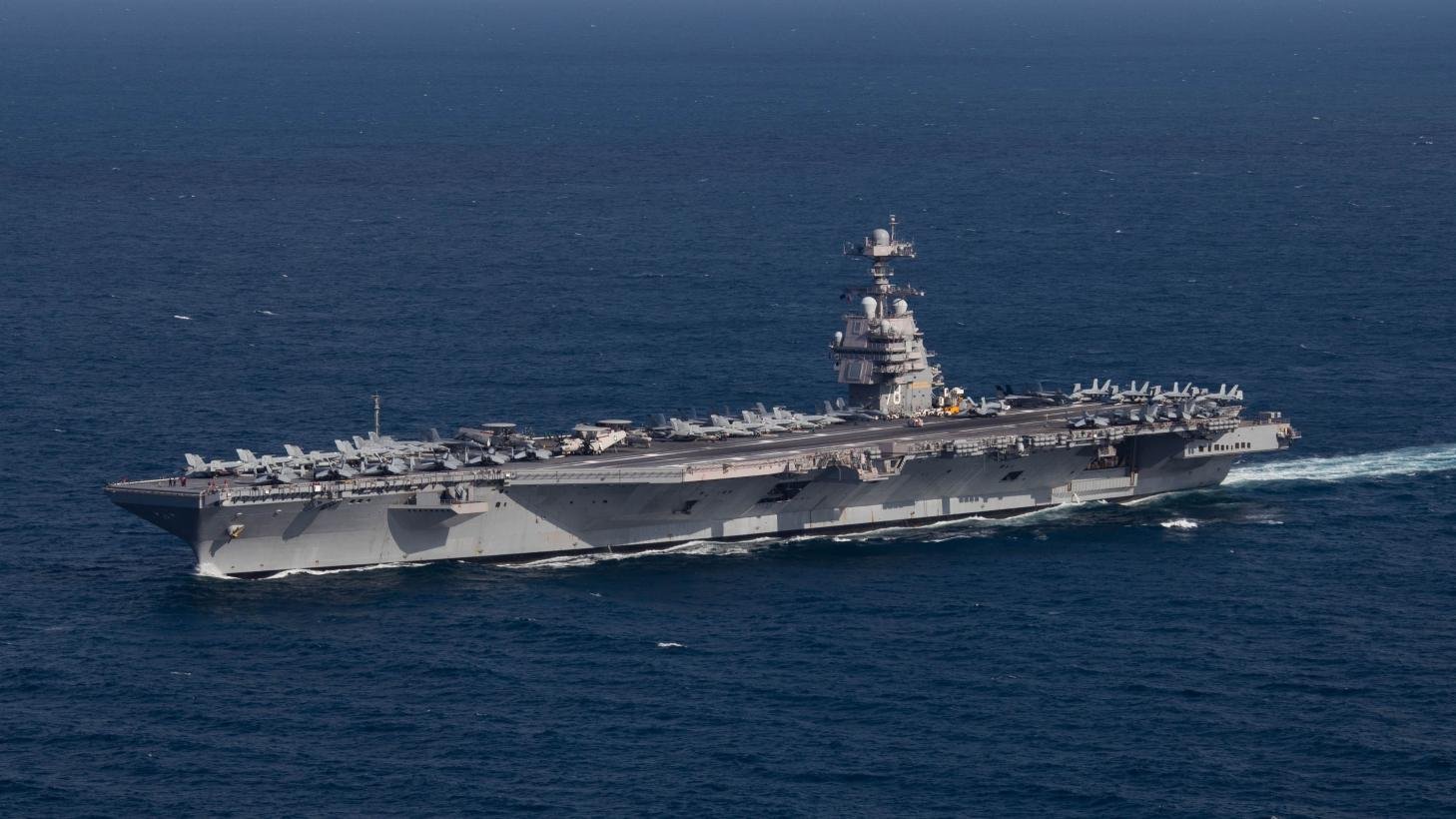 Presidential Unit Citation Presented in NorfolkThe Ford Carrier Strike Group has been awarded the Presidential Unit Citation, the U.S. military’s highest collective unit honor, for actions during combat operations against Iran. Defense Secretary Pete Hegseth presented the award in Norfolk, Virginia, as USS Gerald R. Ford returned to home port following a 326-day deployment. The citation, signed by Acting Navy Secretary Hung Cao, recognizes “outstanding performance in action against enemy forces from 28 February to 1 May 2026 in Support of Operation Epic Fury.” It states that Carrier Strike Group Twelve distinguished itself through “outstanding warfighting prosecution while engaged in sustained combat operations against a determined enemy.” Chief of Naval Operations Adm. Daryl Caudle joined the homecoming ceremony. Scope of the Awarded OperationsAccording to the citation, units in the strike group coordinated attacks on Iranian warships and land targets and flew more than 1,700 air sorties during the cited period. The document says those operations were conducted while the force remained under “persistent threat from enemy missiles and one-way attack drones.” The award is the highest decoration publicly reported so far for forces involved in the ongoing conflict with Iran. A temporary ceasefire remains in place, while multiple U.S. naval forces, including two other aircraft carriers, continue operating in waters around the Middle East. Composition of Carrier Strike Group TwelveAlongside USS Gerald R. Ford, the strike group included the Arleigh Burke-class guided-missile destroyers USS Winston S. Churchill, USS Bainbridge, and USS Mahan, with other ships rotating in and out during the deployment. Carrier Air Wing Eight, which returned earlier in the week, consists of nine squadrons. The Ford and the Abraham Lincoln carrier strike group both took part in Operation Epic Fury beginning Feb. 28, when U.S. and Israeli forces launched attacks on Iran. USS George H.W. Bush later joined the regional carrier presence. A 326-Day Global DeploymentFord departed in June 2025 and first crossed the Atlantic to the Mediterranean. It later moved through the Strait of Gibraltar to northern Europe for NATO exercises before returning south. In late 2025, the strike group was redirected to the Caribbean in support of Task Force Southern Spear. That mission, officially focused on alleged drug-smuggling interdiction, expanded to operations aimed at pressuring Venezuela. In January, Ford participated in Operation Absolute Resolve, the U.S. attack on Venezuela that included the special operations raid that captured President Nicolás Maduro. The carrier was also later used as a platform for boarding teams that seized sanctioned oil tankers. By February, after already exceeding the Navy’s typical seven-month deployment length, the strike group was ordered back across the Atlantic for the Middle East buildup. Rarity of the Citation and Deployment StrainThe Presidential Unit Citation is rarely awarded and is generally associated with major combat actions. Historic recipients include the 1st Marine Division for the Battle of Chosin Reservoir in 1950 and the 2nd Ranger Battalion for D-Day in 1944. At 326 days, Ford’s deployment ranks among the Navy’s longest in the past 50 years, trailing only USS Nimitz’s 341-day deployment during the COVID-19 period in 2020-2021. The deployment also included non-combat setbacks. Ford reportedly experienced repeated plumbing failures, including overflowing toilets and compartment flooding. In March, a fire in the ship’s laundry room caused damage and forced the carrier to leave Operation Epic Fury temporarily for repairs at a European port.
 -
Presidential Unit Citation Presented in NorfolkThe Ford Carrier Strike Group has been awarded the Presidential Unit Citation, the U.S. military’s highest collective unit honor, for actions during combat operations against Iran. Defense Secretary Pete Hegseth presented the award in Norfolk, Virginia, as USS Gerald R. Ford returned to home port following a 326-day deployment. The citation, signed by Acting Navy Secretary Hung Cao, recognizes “outstanding performance in action against enemy forces from 28 February to 1 May 2026 in Support of Operation Epic Fury.” It states that Carrier Strike Group Twelve distinguished itself through “outstanding warfighting prosecution while engaged in sustained combat operations against a determined enemy.” Chief of Naval Operations Adm. Daryl Caudle joined the homecoming ceremony. Scope of the Awarded OperationsAccording to the citation, units in the strike group coordinated attacks on Iranian warships and land targets and flew more than 1,700 air sorties during the cited period. The document says those operations were conducted while the force remained under “persistent threat from enemy missiles and one-way attack drones.” The award is the highest decoration publicly reported so far for forces involved in the ongoing conflict with Iran. A temporary ceasefire remains in place, while multiple U.S. naval forces, including two other aircraft carriers, continue operating in waters around the Middle East. Composition of Carrier Strike Group TwelveAlongside USS Gerald R. Ford, the strike group included the Arleigh Burke-class guided-missile destroyers USS Winston S. Churchill, USS Bainbridge, and USS Mahan, with other ships rotating in and out during the deployment. Carrier Air Wing Eight, which returned earlier in the week, consists of nine squadrons. The Ford and the Abraham Lincoln carrier strike group both took part in Operation Epic Fury beginning Feb. 28, when U.S. and Israeli forces launched attacks on Iran. USS George H.W. Bush later joined the regional carrier presence. A 326-Day Global DeploymentFord departed in June 2025 and first crossed the Atlantic to the Mediterranean. It later moved through the Strait of Gibraltar to northern Europe for NATO exercises before returning south. In late 2025, the strike group was redirected to the Caribbean in support of Task Force Southern Spear. That mission, officially focused on alleged drug-smuggling interdiction, expanded to operations aimed at pressuring Venezuela. In January, Ford participated in Operation Absolute Resolve, the U.S. attack on Venezuela that included the special operations raid that captured President Nicolás Maduro. The carrier was also later used as a platform for boarding teams that seized sanctioned oil tankers. By February, after already exceeding the Navy’s typical seven-month deployment length, the strike group was ordered back across the Atlantic for the Middle East buildup. Rarity of the Citation and Deployment StrainThe Presidential Unit Citation is rarely awarded and is generally associated with major combat actions. Historic recipients include the 1st Marine Division for the Battle of Chosin Reservoir in 1950 and the 2nd Ranger Battalion for D-Day in 1944. At 326 days, Ford’s deployment ranks among the Navy’s longest in the past 50 years, trailing only USS Nimitz’s 341-day deployment during the COVID-19 period in 2020-2021. The deployment also included non-combat setbacks. Ford reportedly experienced repeated plumbing failures, including overflowing toilets and compartment flooding. In March, a fire in the ship’s laundry room caused damage and forced the carrier to leave Operation Epic Fury temporarily for repairs at a European port. View full article