

Uncrowned Guard
Empire Staff
-
Joined
-
Last visited
Everything posted by Uncrowned Guard
-
Squad-Level Air Defense PrioritizedThe Marine Corps released Ground Combat Element 2040 on Wednesday, outlining plans to expand air defenses and other advanced capabilities across its ground forces. A central priority is pushing layered ground-based air defense down to the squad level as small drones, pervasive sensors and precision weapons increase the risks facing infantry units. The service has already begun fielding more than 80 new systems intended to help infantry squads detect and destroy small unmanned aircraft. The roadmap calls for capabilities able to detect, identify, track, and defeat small drones, helicopters, and low-flying fixed-wing aircraft at close and extended ranges. Three-Phase Modernization PlanThe 40-page FY26 framework will guide investment and force-development decisions through 2040. From 2026 to 2030, the Corps plans to accelerate existing Force Design efforts, address the immediate drone threat, and invest in survivability, command and control, artificial intelligence, and unmanned systems. Between 2031 and 2035, AI and autonomous systems are expected to assume larger roles in headquarters operations, logistics, reconnaissance, bridging and breaching. Drone formations would supplement rocket and cannon artillery, while active and passive counter-drone measures become increasingly important across the force. For 2036 to 2040, the roadmap envisions dispersed formations using AI-enabled command systems, edge computing, and widespread human-machine teaming. Robotics could augment or replace personnel in some high-risk maneuver and logistics tasks. Five Modernization PillarsThe plan organizes development around human-centered warfighting, lethality, endurance, decision advantage and modularity. Although it calls for greater use of AI, robotics, and autonomous platforms, the framework states that technology should enhance rather than replace human judgment. Units must remain effective when networks, sensors, or other technical advantages are disrupted or denied. Lethality initiatives include improved organic direct and indirect fires, integration with Joint and allied sensors, and kinetic and non-kinetic effects across multiple domains. Endurance efforts cover resilient logistics, tactical deception, camouflage, and signature management. Modularity centers on scalable Marine Air-Ground Task Force formations tailored to particular missions and threats. Mobility, Fires and Command SystemsThe roadmap’s highest-priority capability areas are force structure, multi-domain lethality and targeting, and tactical and littoral mobility. Planned materiel priorities include long- and medium-range surface fires, anti-ship missiles, organic precision fires, small unmanned aircraft, modernized electronic warfare systems and all-weather infantry battalion and regimental fires. Mobility investments include the Amphibious Combat Vehicle, Advanced Reconnaissance Vehicle, small patrol and coastal vessels, bridging systems and stand-off mine-clearing capabilities. The Corps also seeks resilient command posts, distributed sensing networks and compact command-and-control systems for dispersed units. Logistics priorities include unmanned ground, air and surface distribution platforms, mobile power, forward-positioned supplies, advanced medical capabilities, expeditionary fuel and water systems, field feeding equipment and additive manufacturing. Ground Forces in Contested LittoralsGround Combat Element 2040 builds on changes begun under Force Design 2030, including development of the Marine Littoral Regiment. Those regiments are optimized for reconnaissance, sea denial, and integration with Joint targeting networks, but the roadmap says they do not replace formations needed to seize, hold, and defend terrain. The future force is intended to operate in contested littoral areas while supporting sea control, amphibious operations and Joint forces. It will rely on dispersion, resilient communications and lower signatures to remain difficult to detect and target, while retaining conventional combined-arms capabilities for peer-level ground combat. View full article
-
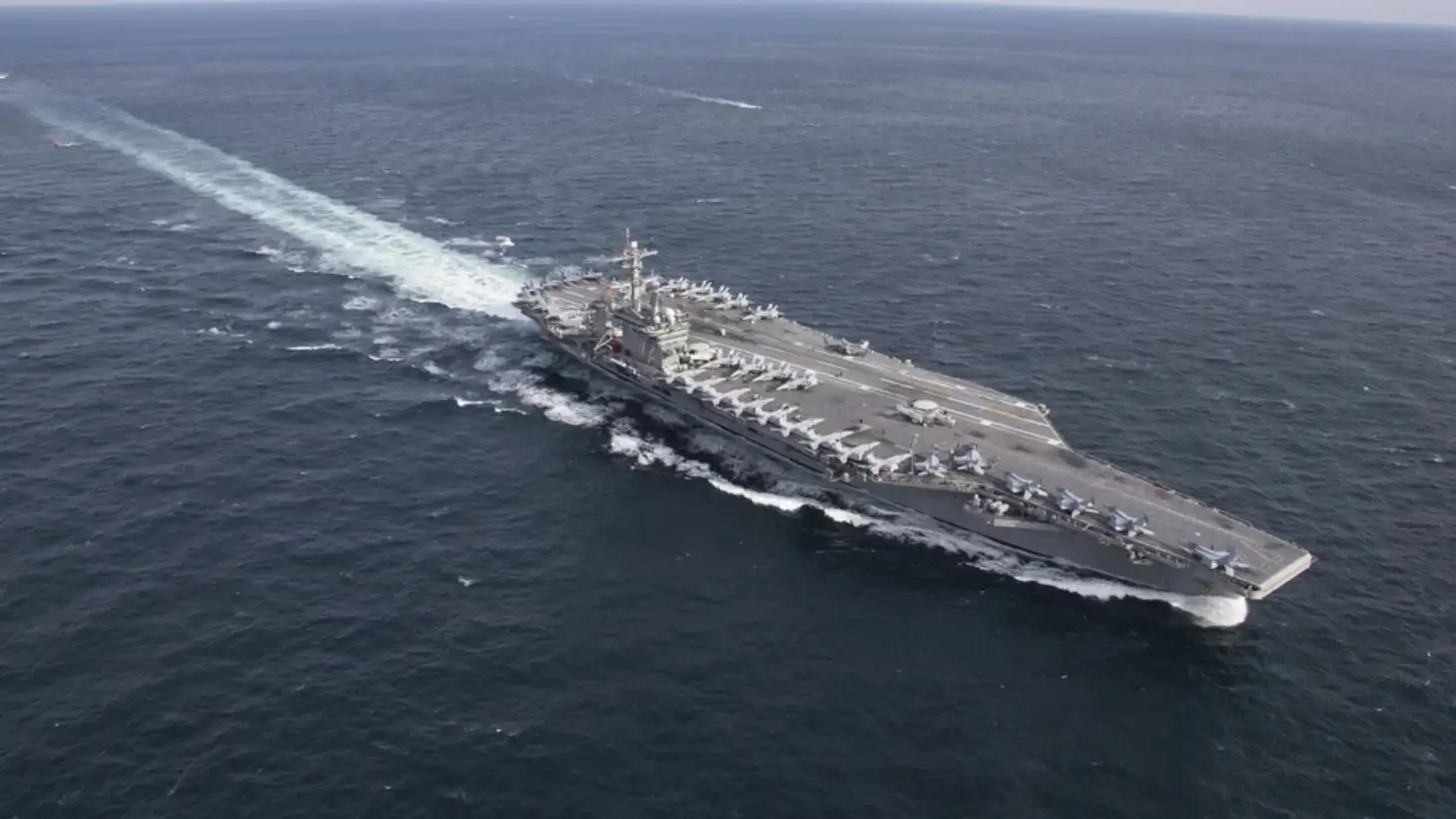 USS Abraham Lincoln to Stop in ThailandThe USS Abraham Lincoln will visit Thailand next week for crew rest and recovery after an extended deployment supporting U.S. operations against Iran, according to Thai officials. The aircraft carrier is expected to return to its U.S. base after the brief stop. “The stop in Thailand is a chance for the crew to go ashore and relax,” Thai Defense Ministry spokesperson Surasant Kongsiri said at a news conference in Bangkok. Three-Ship Port VisitThe Royal Thai Navy said three vessels from the U.S. Navy carrier strike group are scheduled to stop in eastern Thailand. No military exercises will be conducted during the visit. The U.S. Embassy in Bangkok did not immediately respond to a request for comment, while the U.S. Navy declined to comment. Deployment Strain and Supply ConcernsThe Lincoln’s deployment included a record-setting uninterrupted period at sea of more than 250 days. Concerns about the extended deployment have increased following reports of deteriorating mental health among crew members and shortages of food, hygiene products and other supplies. Long carrier deployments can place added strain on personnel who remain away from home for prolonged periods, as well as on the ship and its equipment. Continuing Regional MissionThe Lincoln supported the U.S. war against Iran. Although renewed hostilities between the two countries have eased in recent weeks, the U.S. Navy continues to enforce a reimposed blockade on Iranian ports in the Strait of Hormuz. The Trump administration has not provided details on how it plans to wind down the conflict.
 -
USS Abraham Lincoln to Stop in ThailandThe USS Abraham Lincoln will visit Thailand next week for crew rest and recovery after an extended deployment supporting U.S. operations against Iran, according to Thai officials. The aircraft carrier is expected to return to its U.S. base after the brief stop. “The stop in Thailand is a chance for the crew to go ashore and relax,” Thai Defense Ministry spokesperson Surasant Kongsiri said at a news conference in Bangkok. Three-Ship Port VisitThe Royal Thai Navy said three vessels from the U.S. Navy carrier strike group are scheduled to stop in eastern Thailand. No military exercises will be conducted during the visit. The U.S. Embassy in Bangkok did not immediately respond to a request for comment, while the U.S. Navy declined to comment. Deployment Strain and Supply ConcernsThe Lincoln’s deployment included a record-setting uninterrupted period at sea of more than 250 days. Concerns about the extended deployment have increased following reports of deteriorating mental health among crew members and shortages of food, hygiene products and other supplies. Long carrier deployments can place added strain on personnel who remain away from home for prolonged periods, as well as on the ship and its equipment. Continuing Regional MissionThe Lincoln supported the U.S. war against Iran. Although renewed hostilities between the two countries have eased in recent weeks, the U.S. Navy continues to enforce a reimposed blockade on Iranian ports in the Strait of Hormuz. The Trump administration has not provided details on how it plans to wind down the conflict. View full article
-
 U.S. Special Forces Operating in EcuadorU.S. Army Green Berets are conducting joint operations with Ecuadorian forces against drug trafficking groups in Esmeraldas province, according to provincial governor Juan Jaramillo. “We are with the 7th (Special Forces) Group of the U.S. Army…we are working together in the fight against narcoterrorism,” Jaramillo told reporters. He did not disclose the number of U.S. personnel involved or identify the groups being targeted. Esmeraldas borders Colombia and has experienced violence linked to the drug trade. The 7th Special Forces Group, based at Eglin Air Force Base in Florida, is primarily responsible for operations focused on South America. U.S. Southern Command and the Navy’s 4th Fleet declined to comment on the reported operations, citing operational security. Additional U.S. Military AssetsEcuadorian Defense Minister Gian Carlo Loffredo said Aug. 20 that two U.S. warships equipped with interceptor boats would patrol from the Ecuadorian port city of Manta. The amphibious transport dock USS San Antonio recently passed through the Panama Canal into the eastern Pacific. The Arleigh Burke-class destroyer USS Gridley also entered the Pacific under Joint Task Force-Western Hemisphere. More than 1,000 Marines from the 24th Marine Expeditionary Unit deployed to Puerto Rico this spring as Littoral Combat Force-24. Their mission is to disrupt networks used by designated terrorist organizations and groups the U.S. government describes as “narco-terrorists.” Some of those Marines are aboard the San Antonio. Maritime and Land StrikesIn the latest confirmed maritime strike, U.S. forces fired on a vessel in the eastern Pacific that officials alleged was trafficking narcotics. Two people were killed, according to Southern Command. It was the first reported strike on an alleged drug boat since June and the first confirmed under Joint Task Force-Western Hemisphere, which replaced Joint Task Force-Southern Spear. The broader campaign has included attacks on small vessels the Trump administration says were transporting drugs. More than 220 people have been killed since the campaign began in September 2025, although the United States has released little evidence concerning the targeted boats. In March 2026, the U.S. carried out an airstrike against an alleged training camp in Ecuador near the Colombian border. The strike, conducted days after Southern Command announced joint operations, was the first direct U.S. military action reported inside Ecuador. No further U.S. operations in the country were publicly reported before Jaramillo’s disclosure. Southern Command also conducted what it called a “lethal kinetic strike” in Venezuela in June, allegedly killing Tren de Aragua leader Hector Rusthenford Guerrero Flores. Training and Bilateral CooperationMembers of the 7th Special Forces Group were already present in Ecuador earlier in 2026. In May, they participated with Ecuadorian troops in a five-week Joint Combined Exchange Training program. The expanded activity follows closer defense cooperation between Washington and the government of Ecuadorian President Daniel Noboa. Ecuador has agreed to permit U.S. Department of Defense personnel to enter the country without visas for up to 180 days per year. Defense Secretary Pete Hegseth said in June that the United States was prepared to conduct additional land strikes. He later said U.S. forces in the region were focused on military capabilities against threats that “need to be deterred and defeated.”
 -
U.S. Special Forces Operating in EcuadorU.S. Army Green Berets are conducting joint operations with Ecuadorian forces against drug trafficking groups in Esmeraldas province, according to provincial governor Juan Jaramillo. “We are with the 7th (Special Forces) Group of the U.S. Army…we are working together in the fight against narcoterrorism,” Jaramillo told reporters. He did not disclose the number of U.S. personnel involved or identify the groups being targeted. Esmeraldas borders Colombia and has experienced violence linked to the drug trade. The 7th Special Forces Group, based at Eglin Air Force Base in Florida, is primarily responsible for operations focused on South America. U.S. Southern Command and the Navy’s 4th Fleet declined to comment on the reported operations, citing operational security. Additional U.S. Military AssetsEcuadorian Defense Minister Gian Carlo Loffredo said Aug. 20 that two U.S. warships equipped with interceptor boats would patrol from the Ecuadorian port city of Manta. The amphibious transport dock USS San Antonio recently passed through the Panama Canal into the eastern Pacific. The Arleigh Burke-class destroyer USS Gridley also entered the Pacific under Joint Task Force-Western Hemisphere. More than 1,000 Marines from the 24th Marine Expeditionary Unit deployed to Puerto Rico this spring as Littoral Combat Force-24. Their mission is to disrupt networks used by designated terrorist organizations and groups the U.S. government describes as “narco-terrorists.” Some of those Marines are aboard the San Antonio. Maritime and Land StrikesIn the latest confirmed maritime strike, U.S. forces fired on a vessel in the eastern Pacific that officials alleged was trafficking narcotics. Two people were killed, according to Southern Command. It was the first reported strike on an alleged drug boat since June and the first confirmed under Joint Task Force-Western Hemisphere, which replaced Joint Task Force-Southern Spear. The broader campaign has included attacks on small vessels the Trump administration says were transporting drugs. More than 220 people have been killed since the campaign began in September 2025, although the United States has released little evidence concerning the targeted boats. In March 2026, the U.S. carried out an airstrike against an alleged training camp in Ecuador near the Colombian border. The strike, conducted days after Southern Command announced joint operations, was the first direct U.S. military action reported inside Ecuador. No further U.S. operations in the country were publicly reported before Jaramillo’s disclosure. Southern Command also conducted what it called a “lethal kinetic strike” in Venezuela in June, allegedly killing Tren de Aragua leader Hector Rusthenford Guerrero Flores. Training and Bilateral CooperationMembers of the 7th Special Forces Group were already present in Ecuador earlier in 2026. In May, they participated with Ecuadorian troops in a five-week Joint Combined Exchange Training program. The expanded activity follows closer defense cooperation between Washington and the government of Ecuadorian President Daniel Noboa. Ecuador has agreed to permit U.S. Department of Defense personnel to enter the country without visas for up to 180 days per year. Defense Secretary Pete Hegseth said in June that the United States was prepared to conduct additional land strikes. He later said U.S. forces in the region were focused on military capabilities against threats that “need to be deterred and defeated.” View full article
-
 Taurus Adds .380 Auto GX4 CarryTaurus has expanded its GX4 pistol line with a .380 Auto version of the GX4 Carry, scheduled to become available through authorized dealers on August 13, 2026. The optics-ready, striker-fired pistol has an MSRP of $340.99. The new model retains the GX4 Carry’s 15-round magazine capacity and compact dimensions while offering a lower-recoil alternative to the existing 9mm versions. Each pistol ships with two 15-round magazines, providing a total capacity of 15+1 rounds. Carry Features and ControlsThe GX4 Carry .380 Auto measures 6.56 inches long, 5.16 inches high, and 1 inch wide. It has a 3.7-inch barrel and weighs 21 ounces unloaded. Its barrel is longer than the 3.06-inch barrel found on the standard GX4, although the overall package remains sized for concealed carry. A flat-face, serrated trigger, reversible magazine release, and three interchangeable backstraps are standard. The grip and magazine well include cuts intended to help users manually strip a magazine if needed. Taurus also incorporates its Signature Indexing and Recoil Management Pad into the grip design. The pistol includes an easy-takedown pin for disassembly and Teflon-coated operational control parts. Its safety equipment consists of a striker block, trigger safety, and visual loaded-chamber indicator. Optics, Sights and AccessoriesTaurus includes its T.O.R.O. optics-ready slide configuration as standard equipment, allowing compatible compact red-dot sights to be mounted. The pistol also has a Mil-Std-1913 Picatinny accessory rail for lights or other compatible equipment. The sighting system combines a fixed steel front sight with a white dot and a fully adjustable rear sight. These features carry over the GX4 Carry format while broadening its configuration beyond earlier GX4 pistols that lacked an accessory rail. Materials and ConstructionThe GX4 Carry .380 uses a stainless-steel frame with a matte stainless finish. Its alloy-steel slide receives a gas-nitride treatment and matte-black finish, while the stainless-steel barrel has a satin-black diamond-like carbon coating. The pistol operates with a striker-fired, single-action-only system. Its listed item number is 1-GX4CRP38031, and its UPC is 725327638964. Reduced-Recoil AlternativeThe principal change from the 9mm GX4 Carry is the chambering. Taurus presents the .380 Auto model as a smoother-shooting option for users who prioritize recoil control, more comfortable practice, and quicker recovery between shots. Its 15-round magazines give the .380 Auto model the same capacity as the 9mm GX4 Carry while preserving the platform’s slim profile, accessory compatibility, and adjustable grip fit. The result is an option for current GX4 users seeking familiar controls and ergonomics, as well as concealed-carry buyers who prefer the reduced recoil impulse of .380 Auto.
 -
Taurus Adds .380 Auto GX4 CarryTaurus has expanded its GX4 pistol line with a .380 Auto version of the GX4 Carry, scheduled to become available through authorized dealers on August 13, 2026. The optics-ready, striker-fired pistol has an MSRP of $340.99. The new model retains the GX4 Carry’s 15-round magazine capacity and compact dimensions while offering a lower-recoil alternative to the existing 9mm versions. Each pistol ships with two 15-round magazines, providing a total capacity of 15+1 rounds. Carry Features and ControlsThe GX4 Carry .380 Auto measures 6.56 inches long, 5.16 inches high, and 1 inch wide. It has a 3.7-inch barrel and weighs 21 ounces unloaded. Its barrel is longer than the 3.06-inch barrel found on the standard GX4, although the overall package remains sized for concealed carry. A flat-face, serrated trigger, reversible magazine release, and three interchangeable backstraps are standard. The grip and magazine well include cuts intended to help users manually strip a magazine if needed. Taurus also incorporates its Signature Indexing and Recoil Management Pad into the grip design. The pistol includes an easy-takedown pin for disassembly and Teflon-coated operational control parts. Its safety equipment consists of a striker block, trigger safety, and visual loaded-chamber indicator. Optics, Sights and AccessoriesTaurus includes its T.O.R.O. optics-ready slide configuration as standard equipment, allowing compatible compact red-dot sights to be mounted. The pistol also has a Mil-Std-1913 Picatinny accessory rail for lights or other compatible equipment. The sighting system combines a fixed steel front sight with a white dot and a fully adjustable rear sight. These features carry over the GX4 Carry format while broadening its configuration beyond earlier GX4 pistols that lacked an accessory rail. Materials and ConstructionThe GX4 Carry .380 uses a stainless-steel frame with a matte stainless finish. Its alloy-steel slide receives a gas-nitride treatment and matte-black finish, while the stainless-steel barrel has a satin-black diamond-like carbon coating. The pistol operates with a striker-fired, single-action-only system. Its listed item number is 1-GX4CRP38031, and its UPC is 725327638964. Reduced-Recoil AlternativeThe principal change from the 9mm GX4 Carry is the chambering. Taurus presents the .380 Auto model as a smoother-shooting option for users who prioritize recoil control, more comfortable practice, and quicker recovery between shots. Its 15-round magazines give the .380 Auto model the same capacity as the 9mm GX4 Carry while preserving the platform’s slim profile, accessory compatibility, and adjustable grip fit. The result is an option for current GX4 users seeking familiar controls and ergonomics, as well as concealed-carry buyers who prefer the reduced recoil impulse of .380 Auto. View full article
-
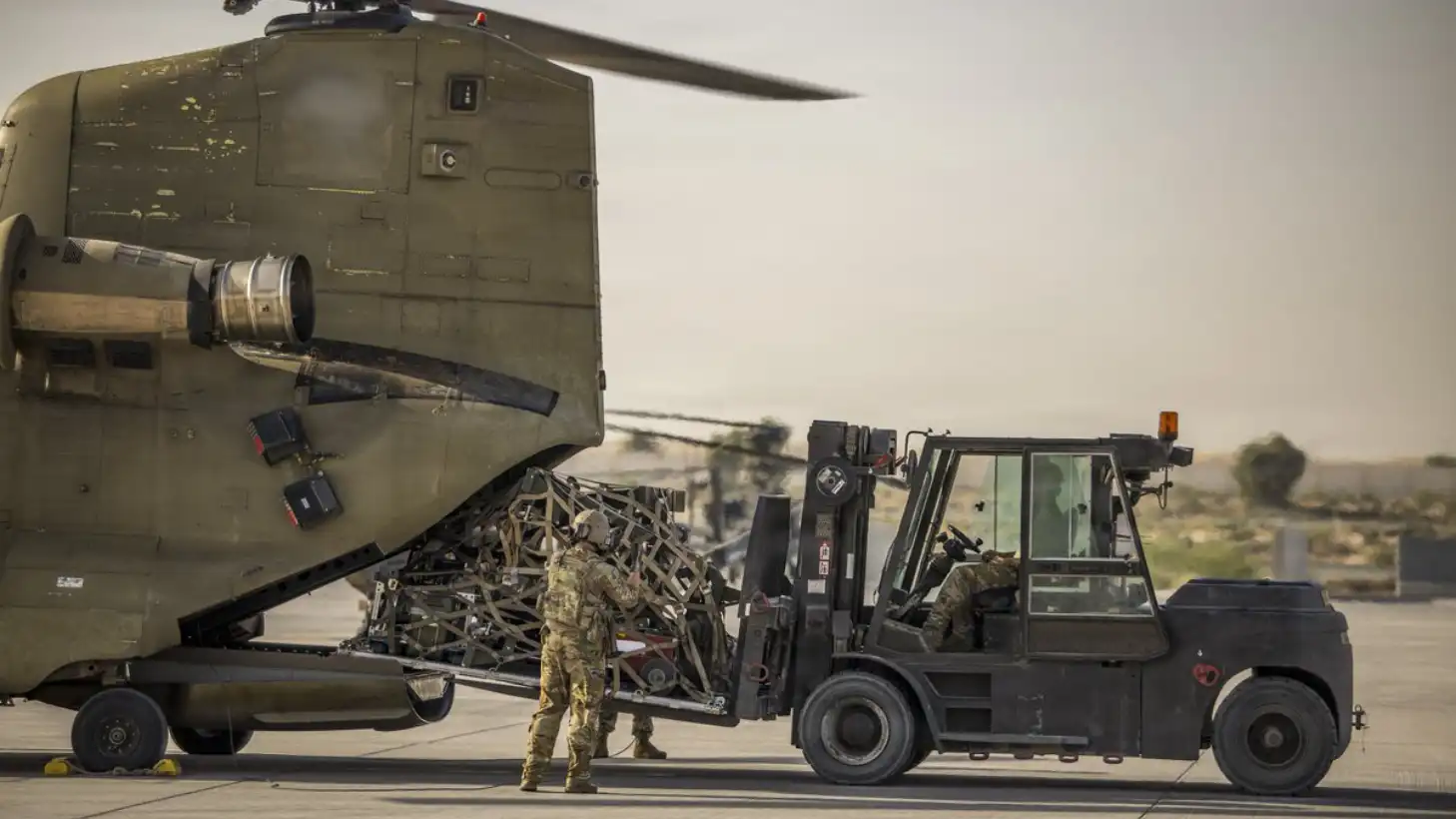 U.S. Wounded Total Passes 750The number of U.S. service members wounded in the war with Iran has reached 758 since Feb. 28, according to an updated Department of Defense casualty report. The latest data lists 341 troops as wounded in action since fighting resumed in early July, meaning nearly half of all reported wounded were recorded during the renewed conflict. The figures were current as of Friday, Aug. 21. Eighteen U.S. service members have also died during the war. Four of those deaths occurred after July 7. Army Accounts for Most Recent CasualtiesOf the 341 service members wounded since July 7, 310 are soldiers. The Navy accounts for 21 wounded personnel, while the Air Force accounts for 10. Three soldiers were among the four service members killed during the same period. They died in an Iranian strike on Muwaffaq Salti Air Base in Jordan. The casualty data does not identify the locations or dates of individual injuries, nor does it describe their severity or type. Pentagon Uses New Reporting CategoryThe Pentagon lists the 341 recent wounded under “Overseas Operations,” a category created last month and separated from Operation Epic Fury, the initial U.S. military campaign launched at the end of February. The Defense Department considers Operation Epic Fury to have ended on July 7. Combining that campaign’s casualty figures with those reported under Overseas Operations produces the total of 758 wounded since Feb. 28. Updates to the database do not necessarily indicate that injuries occurred on the date they were added. Some conditions, including traumatic brain injuries, can take time to detect, diagnose, and enter into official records. However, the placement of these cases under Overseas Operations indicates they were associated with the period following the end of Epic Fury. Ceasefire Failed to End FightingThe United States and Iran reached a memorandum of understanding in Islamabad on June 17 that called for a ceasefire and established a 60-day period to negotiate a peace agreement. That window expired on Aug. 17 without a peace deal. Fighting resumed in early July amid disputes over traffic through the Strait of Hormuz. Iran subsequently targeted U.S. positions around the Persian Gulf and in Jordan, while the United States conducted several days of airstrikes against sites in Iran and reimposed its blockade of the strait. Attacks have stopped this month, although U.S. forces have fired on ships attempting to break the blockade. The conflict otherwise remains at an impasse.
 -
U.S. Wounded Total Passes 750The number of U.S. service members wounded in the war with Iran has reached 758 since Feb. 28, according to an updated Department of Defense casualty report. The latest data lists 341 troops as wounded in action since fighting resumed in early July, meaning nearly half of all reported wounded were recorded during the renewed conflict. The figures were current as of Friday, Aug. 21. Eighteen U.S. service members have also died during the war. Four of those deaths occurred after July 7. Army Accounts for Most Recent CasualtiesOf the 341 service members wounded since July 7, 310 are soldiers. The Navy accounts for 21 wounded personnel, while the Air Force accounts for 10. Three soldiers were among the four service members killed during the same period. They died in an Iranian strike on Muwaffaq Salti Air Base in Jordan. The casualty data does not identify the locations or dates of individual injuries, nor does it describe their severity or type. Pentagon Uses New Reporting CategoryThe Pentagon lists the 341 recent wounded under “Overseas Operations,” a category created last month and separated from Operation Epic Fury, the initial U.S. military campaign launched at the end of February. The Defense Department considers Operation Epic Fury to have ended on July 7. Combining that campaign’s casualty figures with those reported under Overseas Operations produces the total of 758 wounded since Feb. 28. Updates to the database do not necessarily indicate that injuries occurred on the date they were added. Some conditions, including traumatic brain injuries, can take time to detect, diagnose, and enter into official records. However, the placement of these cases under Overseas Operations indicates they were associated with the period following the end of Epic Fury. Ceasefire Failed to End FightingThe United States and Iran reached a memorandum of understanding in Islamabad on June 17 that called for a ceasefire and established a 60-day period to negotiate a peace agreement. That window expired on Aug. 17 without a peace deal. Fighting resumed in early July amid disputes over traffic through the Strait of Hormuz. Iran subsequently targeted U.S. positions around the Persian Gulf and in Jordan, while the United States conducted several days of airstrikes against sites in Iran and reimposed its blockade of the strait. Attacks have stopped this month, although U.S. forces have fired on ships attempting to break the blockade. The conflict otherwise remains at an impasse. View full article
-
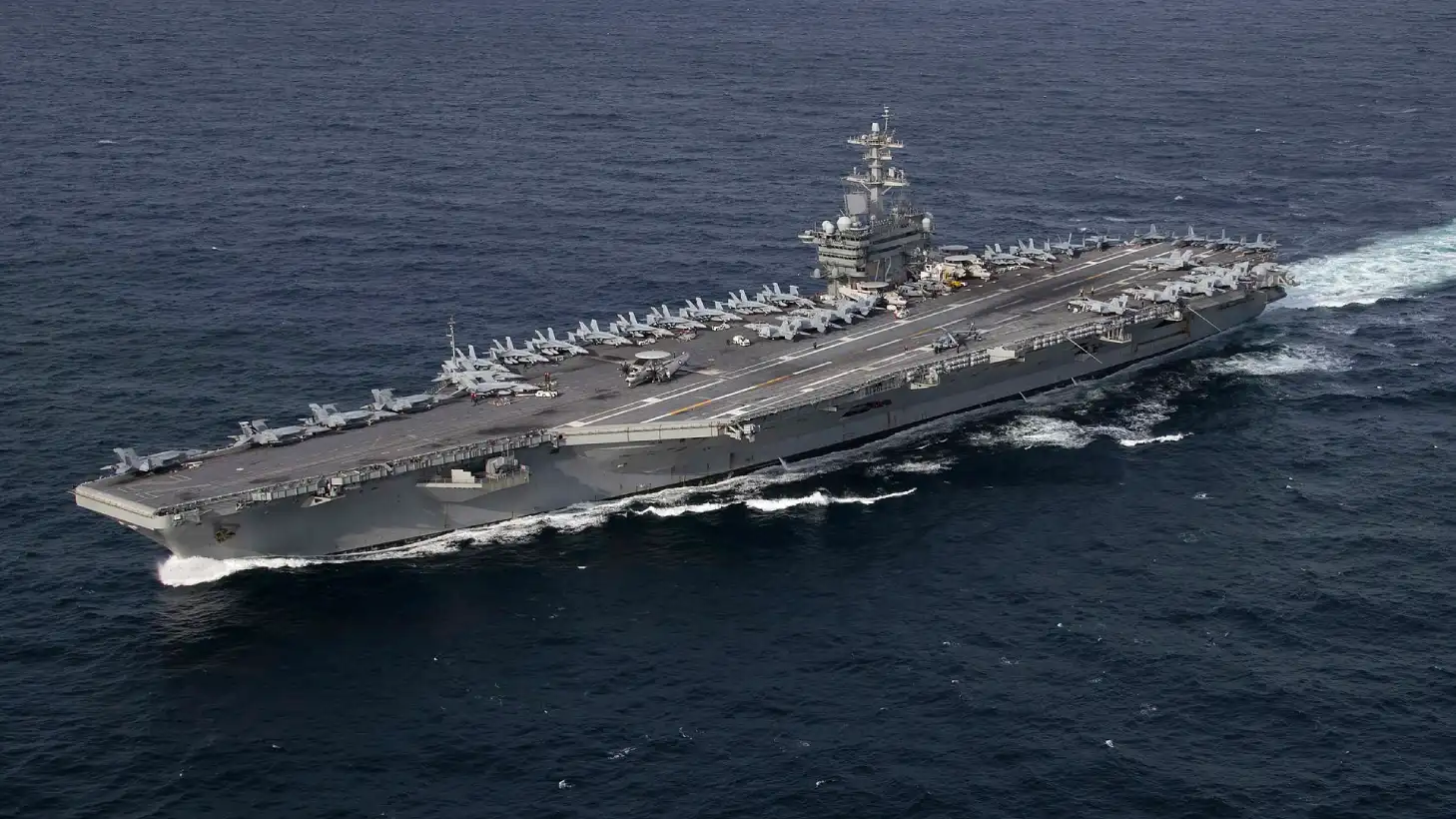 Attacks Disrupt Carrier Supply LinesIranian missile and drone attacks on U.S. logistics hubs in Bahrain and the United Arab Emirates have disrupted established supply routes for Navy ships operating in the Persian Gulf, including the aircraft carrier USS Abraham Lincoln, according to a Task & Purpose report. Damage to the U.S. base in Bahrain and the closure of regional facilities have forced supplies to come from locations outside the Gulf, including Diego Garcia and Singapore, or through the Suez Canal. Some resupply ships must travel more than 4,000 miles, increasing delivery times while combat vessels continue to move and reposition. The disruption has also limited the military’s ability to send supply ships through the Strait of Hormuz. Retired Navy Capt. Bradley Martin, a senior policy researcher with the RAND Corporation, said the vulnerability of ports and routes inside the Gulf had long been recognized but accepted. Food Availability Aboard the LincolnReports from crew families have described problems with the quantity and quality of food aboard the Lincoln. One sailor’s mother said her son reported limited food in March, though she said conditions later improved. Defense officials have disputed reports that the carrier’s crew went without adequate meals. Acting Navy Secretary Hung Cao said in an Aug. 14 statement that “meal plans were adjusted when fresh resupply was unavailable, without a single meal being missed.” Adm. Brad Cooper, head of U.S. Central Command, wrote on Aug. 16 that concerns involving food, hot water and other conditions had been addressed and resolved. He did not provide details about the problems or corrective measures. Retired Navy Capt. Brent Sadler said he believed the Lincoln’s food problems stabilized in about two weeks, roughly the time required to move supplies from Japan and Singapore to the Middle East. Limits of Resupply at SeaAircraft carriers generally require resupply every three to six days, depending on operational demands. Ships typically carry substantial quantities of dry goods, frozen foods, and other durable provisions, but longer supply routes can interrupt deliveries of fresh fruit, vegetables, and other perishable items. Aircraft can also deliver supplies, although their cargo capacity is limited. Resupply flights become less frequent as a carrier operates farther from shore, while moving closer to land in a combat zone can expose the ship and its crew to enemy weapons. The Lincoln has remained at sea for more than 240 consecutive days, setting a new record during its deployment. The carrier has participated in operations against Iran and a blockade of Iranian ports since the war began. It is scheduled to be replaced this month by the USS George Washington. Wider Strain on the CrewThe sailor’s mother said multiple families had reported similar conditions and argued that official statements had understated the crew’s difficulties. She emphasized that sailors continued to perform their duties despite the long deployment. According to her account, her son said the extended period at sea had damaged morale. He also told her that one sailor had been stopped while attempting to jump overboard and that another crew member was rescued after entering the water. Those incidents were not detailed in official reports. “The sailors aren’t the ones complaining,” she said. “They’re still doing their job. They are still proud to serve our country.” She added that although the food situation appeared to have improved after receiving national attention, the conditions reported by families were “not exaggerated.” Logistics LessonsExperts said the Lincoln’s experience reflects a broader strain on Navy logistics when regional ports and stockpiles become unavailable. Delays may be compounded by limited numbers of combat logistics ships and the need to support vessels dispersed across an active combat area. Sadler said the Navy’s effort to establish alternate routes also illustrates the need for fallback supply chains in other potential conflicts, particularly in the Pacific, where distances and sudden attacks on logistics hubs could create similar constraints.
 -
Attacks Disrupt Carrier Supply LinesIranian missile and drone attacks on U.S. logistics hubs in Bahrain and the United Arab Emirates have disrupted established supply routes for Navy ships operating in the Persian Gulf, including the aircraft carrier USS Abraham Lincoln, according to a Task & Purpose report. Damage to the U.S. base in Bahrain and the closure of regional facilities have forced supplies to come from locations outside the Gulf, including Diego Garcia and Singapore, or through the Suez Canal. Some resupply ships must travel more than 4,000 miles, increasing delivery times while combat vessels continue to move and reposition. The disruption has also limited the military’s ability to send supply ships through the Strait of Hormuz. Retired Navy Capt. Bradley Martin, a senior policy researcher with the RAND Corporation, said the vulnerability of ports and routes inside the Gulf had long been recognized but accepted. Food Availability Aboard the LincolnReports from crew families have described problems with the quantity and quality of food aboard the Lincoln. One sailor’s mother said her son reported limited food in March, though she said conditions later improved. Defense officials have disputed reports that the carrier’s crew went without adequate meals. Acting Navy Secretary Hung Cao said in an Aug. 14 statement that “meal plans were adjusted when fresh resupply was unavailable, without a single meal being missed.” Adm. Brad Cooper, head of U.S. Central Command, wrote on Aug. 16 that concerns involving food, hot water and other conditions had been addressed and resolved. He did not provide details about the problems or corrective measures. Retired Navy Capt. Brent Sadler said he believed the Lincoln’s food problems stabilized in about two weeks, roughly the time required to move supplies from Japan and Singapore to the Middle East. Limits of Resupply at SeaAircraft carriers generally require resupply every three to six days, depending on operational demands. Ships typically carry substantial quantities of dry goods, frozen foods, and other durable provisions, but longer supply routes can interrupt deliveries of fresh fruit, vegetables, and other perishable items. Aircraft can also deliver supplies, although their cargo capacity is limited. Resupply flights become less frequent as a carrier operates farther from shore, while moving closer to land in a combat zone can expose the ship and its crew to enemy weapons. The Lincoln has remained at sea for more than 240 consecutive days, setting a new record during its deployment. The carrier has participated in operations against Iran and a blockade of Iranian ports since the war began. It is scheduled to be replaced this month by the USS George Washington. Wider Strain on the CrewThe sailor’s mother said multiple families had reported similar conditions and argued that official statements had understated the crew’s difficulties. She emphasized that sailors continued to perform their duties despite the long deployment. According to her account, her son said the extended period at sea had damaged morale. He also told her that one sailor had been stopped while attempting to jump overboard and that another crew member was rescued after entering the water. Those incidents were not detailed in official reports. “The sailors aren’t the ones complaining,” she said. “They’re still doing their job. They are still proud to serve our country.” She added that although the food situation appeared to have improved after receiving national attention, the conditions reported by families were “not exaggerated.” Logistics LessonsExperts said the Lincoln’s experience reflects a broader strain on Navy logistics when regional ports and stockpiles become unavailable. Delays may be compounded by limited numbers of combat logistics ships and the need to support vessels dispersed across an active combat area. Sadler said the Navy’s effort to establish alternate routes also illustrates the need for fallback supply chains in other potential conflicts, particularly in the Pacific, where distances and sudden attacks on logistics hubs could create similar constraints. View full article
-
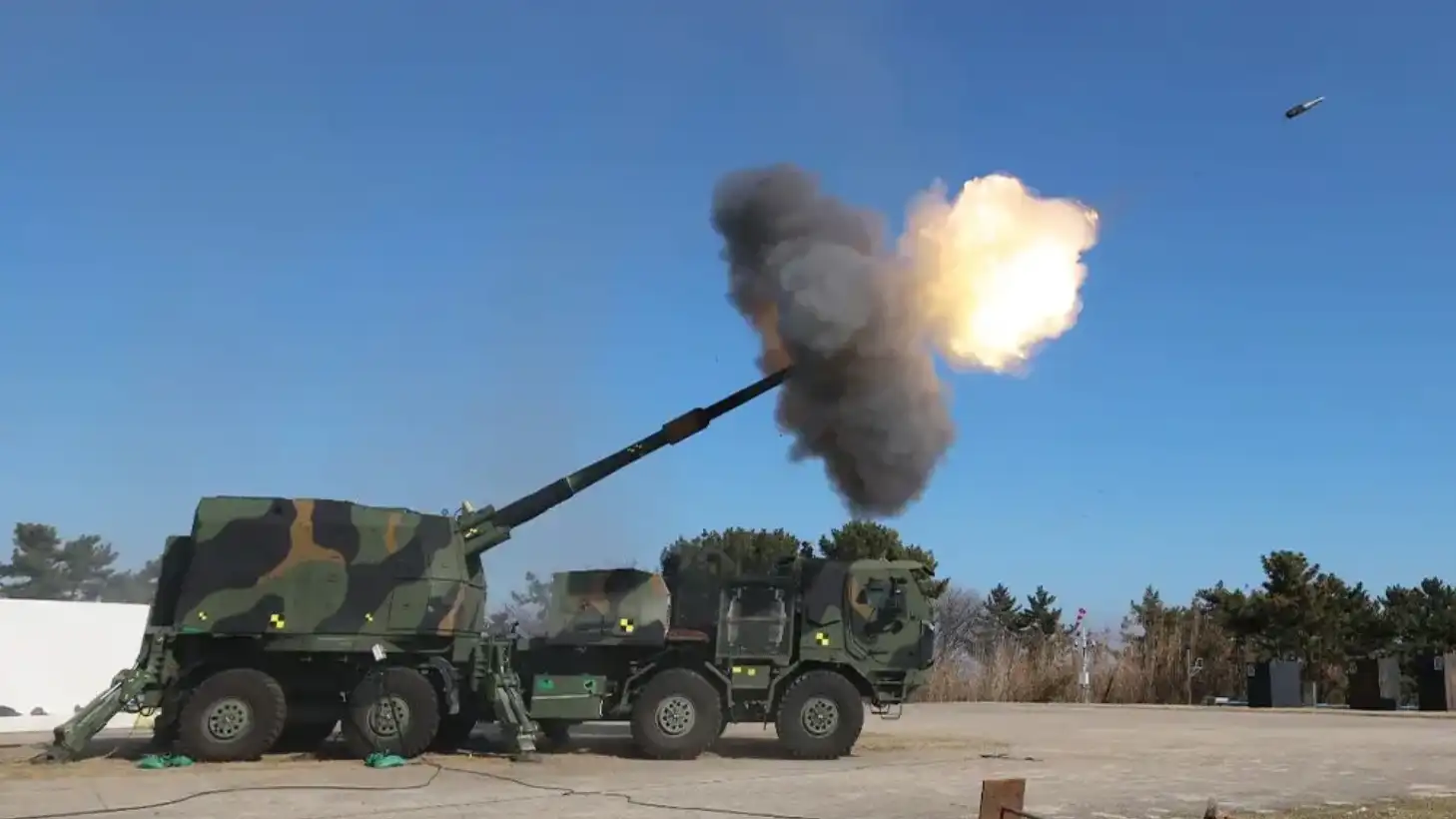 Army Awards K9MH Prototype ContractThe U.S. Army awarded Hanwha Defense USA a $100.3 million contract on August 18, 2026, to deliver six K9 Mobile Howitzer prototypes for the Mobile Tactical Cannon program. The agreement includes options for 12 additional systems and has a total ceiling of $262.9 million. The award begins a four-year period of rapid prototyping, operational testing and soldier experimentation. It is not a final selection or serial-production order. The Army will evaluate firing performance, reliability, automated loading and operational support before choosing a system for production. The Mobile Tactical Cannon is intended primarily as a more mobile replacement for approximately 498 to 500 M777 155 mm towed howitzers in selected Stryker, Mobile and Infantry Brigade Combat Teams. Wheeled Platform and FirepowerThe K9MH combines an automated turret derived from the K9A2 with a Tatra Force 8×8 wheeled chassis. Unlike the tracked K9 variants already used by several countries, the K9MH is designed to move between firing positions without a separate towing vehicle. Automation reduces the crew from five personnel in earlier K9 configurations to three by limiting manual ammunition handling. The system uses separate conveyors for projectiles and propellant charges. Its baseline weapon is the CN98 155 mm/52-caliber cannon, compliant with the Joint Ballistics Memorandum of Understanding standard. Hanwha states a range of 40 km with standard charges and more than 60 km with rocket-assisted or comparable extended-range ammunition. During an April 2026 demonstration, the K9MH fired nine rounds in 59 seconds. Firing-position preparation is stated to take less than 30 seconds. Competition and Evaluation ScheduleThe K9MH remains in competition with Elbit America’s SIGMA, BAE Systems’ Archer, an American Rheinmetall and KNDS RCH 155 proposal, and a Leonardo DRS and KNDS Caesar proposal. The candidates offer differing levels of automation, crew protection, ammunition capacity, road mobility and deployability. The Army shifted toward evaluating mature wheeled systems after ending the Extended Range Cannon Artillery program in April 2024. Its current approach emphasizes existing platforms that can enter service with limited U.S.-funded development rather than another purpose-built American howitzer. Soldier experimentation and integration testing are planned through fiscal 2027, with an Army senior-leader downselect scheduled for the fourth quarter of that fiscal year. The selected platform would then undergo engineering, ammunition integration, qualification and production preparation. First Unit Equipped is planned for the fourth quarter of fiscal 2030. U.S. Production RequirementsCompetitors must present a credible plan to establish U.S. production within two years of an award and reach an annual output of 24 to 48 systems. Production cost, domestic supply-chain capacity, ammunition compatibility, delivery schedules and data rights are among the evaluation criteria. Hanwha Defense USA has leased an idle facility in Opelika, Alabama, for an initial three-year term and is investing about $2 million in K9MH integration and testing capacity. The first phase is expected to create approximately 40 jobs, but it is not a complete serial-production facility. Later manufacturing locations and production rates have not been disclosed. Hanwha has also committed approximately $1.3 billion to a U.S. ammunition facility in Arkansas. Its broader localization concept includes domestic assembly, sustainment and potential future upgrades. Potential Longer-Range DevelopmentIn December 2025, Hanwha Defense USA entered a cooperative research and development agreement with the Army’s DEVCOM Armaments Center to study integration of a government-designed 155 mm/58-caliber cannon into the K9 family. That effort is separate from the prototypes entering testing. The current K9MH uses the 52-caliber CN98, while ranges around 70 km are associated with a possible future 58-caliber configuration. The Army’s prototype evaluation will therefore focus initially on the existing cannon, wheeled mobility, automation, reduced crew requirements and supportability.
 -
Army Awards K9MH Prototype ContractThe U.S. Army awarded Hanwha Defense USA a $100.3 million contract on August 18, 2026, to deliver six K9 Mobile Howitzer prototypes for the Mobile Tactical Cannon program. The agreement includes options for 12 additional systems and has a total ceiling of $262.9 million. The award begins a four-year period of rapid prototyping, operational testing and soldier experimentation. It is not a final selection or serial-production order. The Army will evaluate firing performance, reliability, automated loading and operational support before choosing a system for production. The Mobile Tactical Cannon is intended primarily as a more mobile replacement for approximately 498 to 500 M777 155 mm towed howitzers in selected Stryker, Mobile and Infantry Brigade Combat Teams. Wheeled Platform and FirepowerThe K9MH combines an automated turret derived from the K9A2 with a Tatra Force 8×8 wheeled chassis. Unlike the tracked K9 variants already used by several countries, the K9MH is designed to move between firing positions without a separate towing vehicle. Automation reduces the crew from five personnel in earlier K9 configurations to three by limiting manual ammunition handling. The system uses separate conveyors for projectiles and propellant charges. Its baseline weapon is the CN98 155 mm/52-caliber cannon, compliant with the Joint Ballistics Memorandum of Understanding standard. Hanwha states a range of 40 km with standard charges and more than 60 km with rocket-assisted or comparable extended-range ammunition. During an April 2026 demonstration, the K9MH fired nine rounds in 59 seconds. Firing-position preparation is stated to take less than 30 seconds. Competition and Evaluation ScheduleThe K9MH remains in competition with Elbit America’s SIGMA, BAE Systems’ Archer, an American Rheinmetall and KNDS RCH 155 proposal, and a Leonardo DRS and KNDS Caesar proposal. The candidates offer differing levels of automation, crew protection, ammunition capacity, road mobility and deployability. The Army shifted toward evaluating mature wheeled systems after ending the Extended Range Cannon Artillery program in April 2024. Its current approach emphasizes existing platforms that can enter service with limited U.S.-funded development rather than another purpose-built American howitzer. Soldier experimentation and integration testing are planned through fiscal 2027, with an Army senior-leader downselect scheduled for the fourth quarter of that fiscal year. The selected platform would then undergo engineering, ammunition integration, qualification and production preparation. First Unit Equipped is planned for the fourth quarter of fiscal 2030. U.S. Production RequirementsCompetitors must present a credible plan to establish U.S. production within two years of an award and reach an annual output of 24 to 48 systems. Production cost, domestic supply-chain capacity, ammunition compatibility, delivery schedules and data rights are among the evaluation criteria. Hanwha Defense USA has leased an idle facility in Opelika, Alabama, for an initial three-year term and is investing about $2 million in K9MH integration and testing capacity. The first phase is expected to create approximately 40 jobs, but it is not a complete serial-production facility. Later manufacturing locations and production rates have not been disclosed. Hanwha has also committed approximately $1.3 billion to a U.S. ammunition facility in Arkansas. Its broader localization concept includes domestic assembly, sustainment and potential future upgrades. Potential Longer-Range DevelopmentIn December 2025, Hanwha Defense USA entered a cooperative research and development agreement with the Army’s DEVCOM Armaments Center to study integration of a government-designed 155 mm/58-caliber cannon into the K9 family. That effort is separate from the prototypes entering testing. The current K9MH uses the 52-caliber CN98, while ranges around 70 km are associated with a possible future 58-caliber configuration. The Army’s prototype evaluation will therefore focus initially on the existing cannon, wheeled mobility, automation, reduced crew requirements and supportability. View full article
-
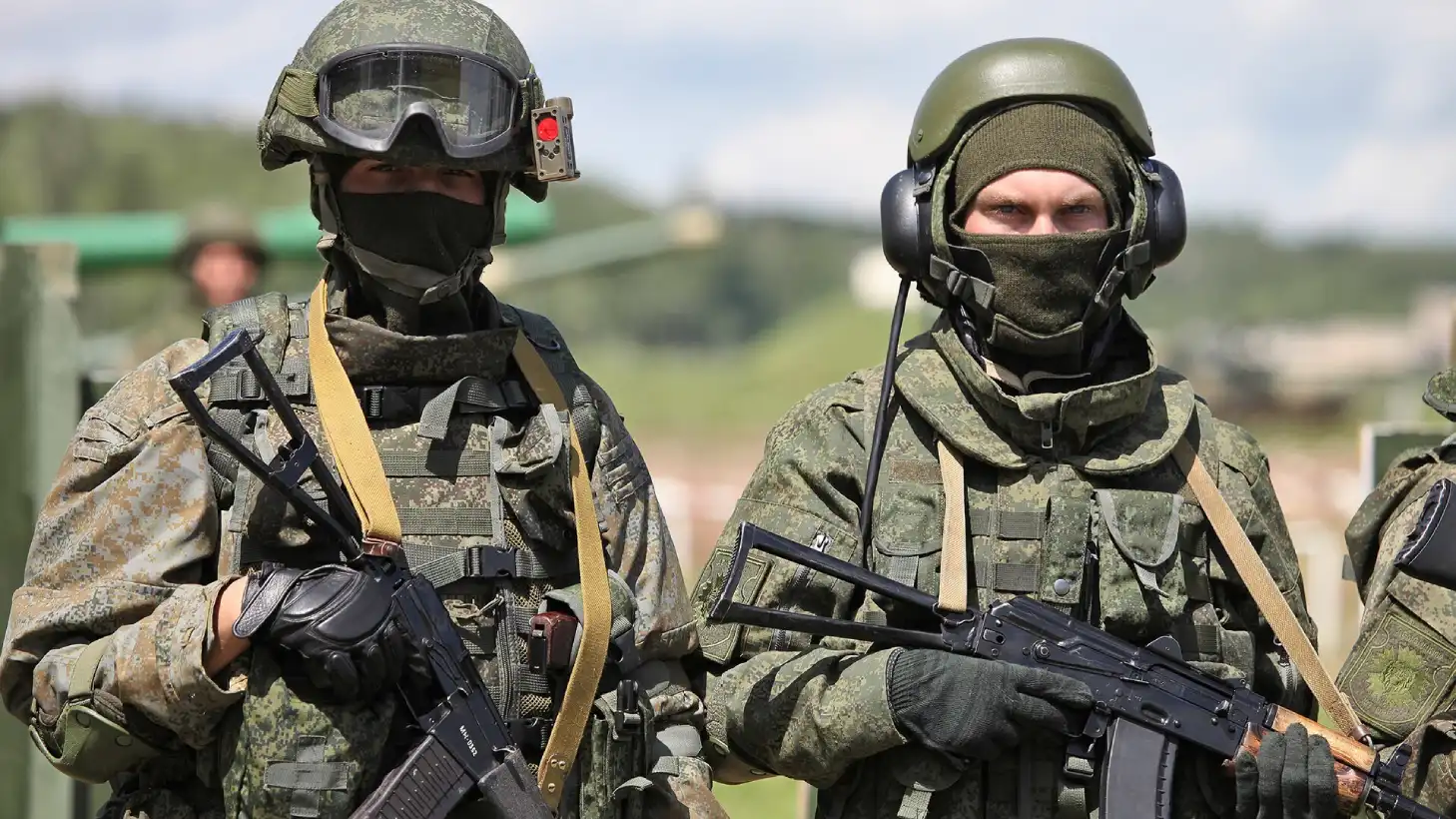 Russia Reportedly Resupplying IranRussia is transporting ammunition, drone components, explosives, and parts associated with missiles to Iran through the Caspian Sea, according to an Aug. 17 NBC News report citing a European government document and an unnamed Western official who verified it. The shipments are intended to replenish Iranian weapons stockpiles following U.S. and Israeli strikes, the report said. More than two dozen Russian vessels reportedly traveled to Iran’s port of Amirabad, though the quantities and value of the cargo remain unclear. The Kremlin has rejected allegations that it is supplying Iran, characterizing such reports as “fake news.” Ships and CargoThe reported deliveries include small-arms ammunition, drone components and TNT, as well as components related to missiles and other explosives. Many of the vessels involved are under U.S. or European sanctions, according to the report. The ships were allegedly owned by MG-FLOT, a maritime company placed under Western sanctions in 2024. The Caspian Sea provides a direct maritime route between Russia and Iran that does not require passage through third-country waters. Jim Lamson, a former CIA analyst, told NBC News that Iran’s reported procurement of drone parts and ammunition could indicate that U.S. and Israeli strikes damaged its domestic production capacity. “Iran’s procurement of drone components and small arms ammunition from Russia strongly suggests that Israeli and US military strikes on Iran’s facilities that produce these items have degraded Iran’s domestic capability to produce them,” Lamson said. Ukrainian Strike in the Caspian SeaUkraine’s Security Service, or SBU, said Ukrainian forces struck an Iranian ship on July 25 while it was transporting military cargo between Iran and Russia in the Caspian Sea. Iran’s Foreign Ministry disputed that characterization, saying the target was a commercial vessel. Tehran reported that one sailor was killed and another injured, and described the strike as “an act of aggression that could further inflame and expand the flames of war.” Ukrainian Foreign Minister Andrii Sybiha held what he called a “frank conversation” with Iranian Foreign Minister Abbas Araghchi on July 28, following Tehran’s condemnation of the attack. Expanding Military CooperationRussia and Iran have strengthened military cooperation as Moscow faces international isolation over its war against Ukraine. Iran has supplied Russia with military equipment and drones, including the Iranian-designed Shahed platform. Russia has since developed modified Shahed-type attack drones and regularly uses large numbers of them in strikes against Ukraine, including attacks affecting civilian areas. The reported flow of equipment to Iran would represent support moving in the opposite direction after years of Iranian assistance to Russia. Russia has also been accused of providing Iran with upgraded drones and other assistance intended to improve Tehran’s ability to strike U.S. targets. Moscow denies those claims. U.S. ResponsePresident Donald Trump has downplayed reports of Russian support for Iran. He said Russian President Vladimir Putin had assured him that Moscow was not selling weapons to Tehran. Trump also said any Russian assistance had been “very unimpactful” after Ukrainian President Volodymyr Zelensky accused Moscow of sharing satellite imagery of U.S. bases with Iran. No independently confirmed total for the reported Russian shipments has been disclosed.
 -
Russia Reportedly Resupplying IranRussia is transporting ammunition, drone components, explosives, and parts associated with missiles to Iran through the Caspian Sea, according to an Aug. 17 NBC News report citing a European government document and an unnamed Western official who verified it. The shipments are intended to replenish Iranian weapons stockpiles following U.S. and Israeli strikes, the report said. More than two dozen Russian vessels reportedly traveled to Iran’s port of Amirabad, though the quantities and value of the cargo remain unclear. The Kremlin has rejected allegations that it is supplying Iran, characterizing such reports as “fake news.” Ships and CargoThe reported deliveries include small-arms ammunition, drone components and TNT, as well as components related to missiles and other explosives. Many of the vessels involved are under U.S. or European sanctions, according to the report. The ships were allegedly owned by MG-FLOT, a maritime company placed under Western sanctions in 2024. The Caspian Sea provides a direct maritime route between Russia and Iran that does not require passage through third-country waters. Jim Lamson, a former CIA analyst, told NBC News that Iran’s reported procurement of drone parts and ammunition could indicate that U.S. and Israeli strikes damaged its domestic production capacity. “Iran’s procurement of drone components and small arms ammunition from Russia strongly suggests that Israeli and US military strikes on Iran’s facilities that produce these items have degraded Iran’s domestic capability to produce them,” Lamson said. Ukrainian Strike in the Caspian SeaUkraine’s Security Service, or SBU, said Ukrainian forces struck an Iranian ship on July 25 while it was transporting military cargo between Iran and Russia in the Caspian Sea. Iran’s Foreign Ministry disputed that characterization, saying the target was a commercial vessel. Tehran reported that one sailor was killed and another injured, and described the strike as “an act of aggression that could further inflame and expand the flames of war.” Ukrainian Foreign Minister Andrii Sybiha held what he called a “frank conversation” with Iranian Foreign Minister Abbas Araghchi on July 28, following Tehran’s condemnation of the attack. Expanding Military CooperationRussia and Iran have strengthened military cooperation as Moscow faces international isolation over its war against Ukraine. Iran has supplied Russia with military equipment and drones, including the Iranian-designed Shahed platform. Russia has since developed modified Shahed-type attack drones and regularly uses large numbers of them in strikes against Ukraine, including attacks affecting civilian areas. The reported flow of equipment to Iran would represent support moving in the opposite direction after years of Iranian assistance to Russia. Russia has also been accused of providing Iran with upgraded drones and other assistance intended to improve Tehran’s ability to strike U.S. targets. Moscow denies those claims. U.S. ResponsePresident Donald Trump has downplayed reports of Russian support for Iran. He said Russian President Vladimir Putin had assured him that Moscow was not selling weapons to Tehran. Trump also said any Russian assistance had been “very unimpactful” after Ukrainian President Volodymyr Zelensky accused Moscow of sharing satellite imagery of U.S. bases with Iran. No independently confirmed total for the reported Russian shipments has been disclosed. View full article
-
 Springfield Adds 3.5-Inch ProdigySpringfield Armory announced the 1911 DS Prodigy 3.5” AOS 9mm on August 18, 2026. The new double-stack pistol uses the shortest barrel and slide assembly offered in the Prodigy series while retaining a full-length grip module and optics-ready configuration. The standard-capacity model holds 18+1 rounds and includes two 18-round magazines. Springfield also lists a low-capacity version for jurisdictions with magazine restrictions. Both configurations carry an MSRP of $1,582. The standard model is SKU PH9114AOS, while the low-capacity version is PH9114AOSLC. The source material does not specify the reduced magazine capacity. Optics and ControlsThe pistol uses Springfield’s Agency Optic System, or AOS, which relies on interchangeable plates to support multiple optic footprints. Each pistol includes an AOS cover plate and a Docter/Noblex-footprint AOS plate. Buyers also receive a coupon allowing the purchase of another AOS plate of their choice for $49. For use without an optic, the Prodigy is equipped with a tritium front sight and black serrated rear sight. Other features include an ambidextrous manual safety and a Picatinny accessory rail. Springfield shortened the beavertail and recontoured the hammer to complement the compact slide assembly. The recoil system uses a captured guide rod. Barrel, Slide and FrameThe 3.5-inch match-grade bull barrel is forged from stainless steel and finished in black diamond-like carbon. It has a 1:16-inch twist rate. The optics-ready slide is forged carbon steel with a black Cerakote finish. The frame is machined from billet 7075-T6 aluminum, hardcoat anodized and also finished in black Cerakote. Polymer grips complete the full-length grip module. This combination keeps the firing assembly compact without shortening the grip or reducing the standard model’s 18-round magazine capacity. Dimensions and SpecificationsChambered in 9mm, the Prodigy measures 7 inches long and 5.5 inches high. It weighs 29.3 ounces. The pistol’s listed color is black. Key specifications include: Caliber: 9mm Barrel: 3.5-inch forged stainless-steel bull barrel Barrel finish: Black DLC Twist rate: 1:16 inches Slide: Forged carbon steel, optics-ready Frame: Billet 7075-T6 aluminum Recoil system: Captured guide rod Sights: Tritium front, black serrated rear Standard magazines: Two 18-round magazines Standard capacity: 18+1 Weight: 29.3 ounces Length: 7 inches Height: 5.5 inches MSRP: $1,582 Included EquipmentEach pistol ships with a soft-sided, double-zipper handgun case. The case is intended to accommodate the firearm with mounted accessories and includes an interior pouch for an additional magazine. The package also contains the two magazines, AOS cover plate, Docter/Noblex AOS plate, and the discounted-plate coupon. Springfield lists the pistol under UPC 706397000639.
 -
Springfield Adds 3.5-Inch ProdigySpringfield Armory announced the 1911 DS Prodigy 3.5” AOS 9mm on August 18, 2026. The new double-stack pistol uses the shortest barrel and slide assembly offered in the Prodigy series while retaining a full-length grip module and optics-ready configuration. The standard-capacity model holds 18+1 rounds and includes two 18-round magazines. Springfield also lists a low-capacity version for jurisdictions with magazine restrictions. Both configurations carry an MSRP of $1,582. The standard model is SKU PH9114AOS, while the low-capacity version is PH9114AOSLC. The source material does not specify the reduced magazine capacity. Optics and ControlsThe pistol uses Springfield’s Agency Optic System, or AOS, which relies on interchangeable plates to support multiple optic footprints. Each pistol includes an AOS cover plate and a Docter/Noblex-footprint AOS plate. Buyers also receive a coupon allowing the purchase of another AOS plate of their choice for $49. For use without an optic, the Prodigy is equipped with a tritium front sight and black serrated rear sight. Other features include an ambidextrous manual safety and a Picatinny accessory rail. Springfield shortened the beavertail and recontoured the hammer to complement the compact slide assembly. The recoil system uses a captured guide rod. Barrel, Slide and FrameThe 3.5-inch match-grade bull barrel is forged from stainless steel and finished in black diamond-like carbon. It has a 1:16-inch twist rate. The optics-ready slide is forged carbon steel with a black Cerakote finish. The frame is machined from billet 7075-T6 aluminum, hardcoat anodized and also finished in black Cerakote. Polymer grips complete the full-length grip module. This combination keeps the firing assembly compact without shortening the grip or reducing the standard model’s 18-round magazine capacity. Dimensions and SpecificationsChambered in 9mm, the Prodigy measures 7 inches long and 5.5 inches high. It weighs 29.3 ounces. The pistol’s listed color is black. Key specifications include: Caliber: 9mm Barrel: 3.5-inch forged stainless-steel bull barrel Barrel finish: Black DLC Twist rate: 1:16 inches Slide: Forged carbon steel, optics-ready Frame: Billet 7075-T6 aluminum Recoil system: Captured guide rod Sights: Tritium front, black serrated rear Standard magazines: Two 18-round magazines Standard capacity: 18+1 Weight: 29.3 ounces Length: 7 inches Height: 5.5 inches MSRP: $1,582 Included EquipmentEach pistol ships with a soft-sided, double-zipper handgun case. The case is intended to accommodate the firearm with mounted accessories and includes an interior pouch for an additional magazine. The package also contains the two magazines, AOS cover plate, Docter/Noblex AOS plate, and the discounted-plate coupon. Springfield lists the pistol under UPC 706397000639. View full article
-
 Benelli Introduces the M2-G1Benelli has announced the M2-G1, a 12-gauge semi-automatic shotgun intended for tactical, home-defense, and competition use. The series introduces the company’s Rear Piston Operated gas system and adds an enlarged loading port, extended controls and several stock and capacity configurations. Five right-handed models are listed as new through Benelli’s dealer and online purchasing pages. All have 18.5-inch barrels and chambers compatible with 2¾- and 3-inch shells. No release date was provided. Models and PricingThe detailed model listings show prices from $1,949 to $2,149: 11610: Standard stock and grip, 18.5" barrel, 5+1 capacity, anodized gray receiver and matte blued barrel; $1,949. 11611: Standard stock and grip, 18.5" barrel, 7+1 capacity, anodized gray receiver and matte blued barrel; $1,949. 11612: Five-position telescoping stock, 18.5" barrel, pistol grip, 7+1 capacity, anodized gray receiver and matte blued barrel; $2,049. 11617: Five-position stock, pistol grip, 18.5" barrel, 7+1 capacity, and Flat Dark Earth Cerakote receiver and barrel; $2,149. 11622: Five-position stock, pistol grip, 18.5" barrel, 7+1 capacity, and MultiCam Black receiver and barrel; $2,149. Specifications and prices are subject to change. Rear-Piston Gas SystemThe M2-G1’s principal mechanical change is its Rear Piston Operated, or R.P.O., gas system. It uses dual short-stroke pistons positioned near the chamber, where gas is collected, while the recoil system is mounted in the stock. Benelli says this layout reduces the pistons’ exposure to fouling compared with forward-mounted designs, supporting cleaner operation, simplified maintenance and sustained reliability. The company positions R.P.O. as a separate system from the A.R.G.O. gas operation used in the Benelli M4. Controls, Loading and SightsAn enlarged, beveled loading port and ramped trigger guard are intended to improve loading speed and efficiency. Enlarged controls are designed for easier manipulation under pressure or while wearing gloves. Every listed model includes ghost-ring sights, a Picatinny rail, and a receiver that is drilled and tapped for optics. The bolt has a Parkerized finish for corrosion resistance, while M-LOK slots on the forend provide accessory mounting points. Quick-detach sling mounting positions are also included. Telescoping-stock models provide five length-of-pull settings spanning 9.25 to 14 inches. Their pistol grip is intended to provide additional control, and all three carry seven shells in the magazine plus one in the chamber. Dimensions and WarrantyStandard-stock models measure 38.5 inches overall with a 13-inch length of pull. Model 11610 weighs an average of 7.4 pounds, while the higher-capacity 11611 weighs 7.6 pounds. The telescoping-stock models measure 39.5 inches overall and weigh an average of 8 pounds. Their listed drop is 2.25 inches at the heel and 1.375 inches at the comb; standard-stock versions have a 2.5-inch heel drop and 1.75-inch comb drop. The M2-G1 is covered by Benelli’s 10-year limited warranty against defects in metal parts resulting from materials or workmanship, beginning on the original purchase date.
 -
Benelli Introduces the M2-G1Benelli has announced the M2-G1, a 12-gauge semi-automatic shotgun intended for tactical, home-defense, and competition use. The series introduces the company’s Rear Piston Operated gas system and adds an enlarged loading port, extended controls and several stock and capacity configurations. Five right-handed models are listed as new through Benelli’s dealer and online purchasing pages. All have 18.5-inch barrels and chambers compatible with 2¾- and 3-inch shells. No release date was provided. Models and PricingThe detailed model listings show prices from $1,949 to $2,149: 11610: Standard stock and grip, 18.5" barrel, 5+1 capacity, anodized gray receiver and matte blued barrel; $1,949. 11611: Standard stock and grip, 18.5" barrel, 7+1 capacity, anodized gray receiver and matte blued barrel; $1,949. 11612: Five-position telescoping stock, 18.5" barrel, pistol grip, 7+1 capacity, anodized gray receiver and matte blued barrel; $2,049. 11617: Five-position stock, pistol grip, 18.5" barrel, 7+1 capacity, and Flat Dark Earth Cerakote receiver and barrel; $2,149. 11622: Five-position stock, pistol grip, 18.5" barrel, 7+1 capacity, and MultiCam Black receiver and barrel; $2,149. Specifications and prices are subject to change. Rear-Piston Gas SystemThe M2-G1’s principal mechanical change is its Rear Piston Operated, or R.P.O., gas system. It uses dual short-stroke pistons positioned near the chamber, where gas is collected, while the recoil system is mounted in the stock. Benelli says this layout reduces the pistons’ exposure to fouling compared with forward-mounted designs, supporting cleaner operation, simplified maintenance and sustained reliability. The company positions R.P.O. as a separate system from the A.R.G.O. gas operation used in the Benelli M4. Controls, Loading and SightsAn enlarged, beveled loading port and ramped trigger guard are intended to improve loading speed and efficiency. Enlarged controls are designed for easier manipulation under pressure or while wearing gloves. Every listed model includes ghost-ring sights, a Picatinny rail, and a receiver that is drilled and tapped for optics. The bolt has a Parkerized finish for corrosion resistance, while M-LOK slots on the forend provide accessory mounting points. Quick-detach sling mounting positions are also included. Telescoping-stock models provide five length-of-pull settings spanning 9.25 to 14 inches. Their pistol grip is intended to provide additional control, and all three carry seven shells in the magazine plus one in the chamber. Dimensions and WarrantyStandard-stock models measure 38.5 inches overall with a 13-inch length of pull. Model 11610 weighs an average of 7.4 pounds, while the higher-capacity 11611 weighs 7.6 pounds. The telescoping-stock models measure 39.5 inches overall and weigh an average of 8 pounds. Their listed drop is 2.25 inches at the heel and 1.375 inches at the comb; standard-stock versions have a 2.5-inch heel drop and 1.75-inch comb drop. The M2-G1 is covered by Benelli’s 10-year limited warranty against defects in metal parts resulting from materials or workmanship, beginning on the original purchase date. View full article
-
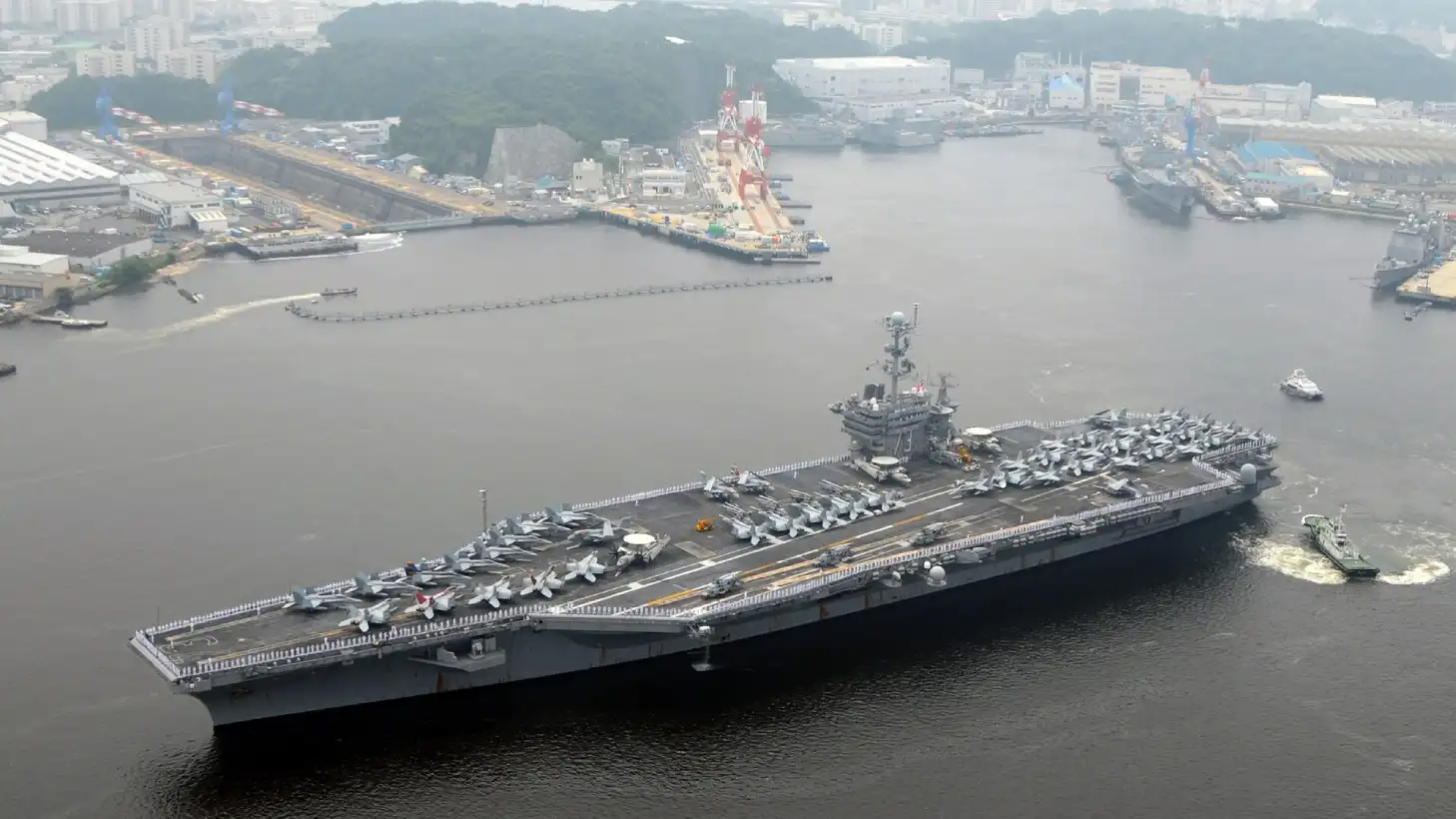 The departure of the USS George Washington from the western Pacific has generated a wave of competing headlines, with some portraying the move as evidence that the United States is abandoning Asia while others dismiss the development as little more than a routine carrier rotation. Neither description tells the full story. The United States is indeed moving its only forward-deployed aircraft carrier in Japan toward the Middle East, temporarily leaving the western Pacific without a U.S. carrier on station. The move is unusual enough to matter, particularly at a time of heightened tensions with China, but it does not leave the Indo-Pacific undefended or fundamentally change the regional military balance. What it does reveal is something more practical: the continuing U.S.–Iran war is consuming enough naval capacity that the Navy is being forced to draw on forces normally assigned to one of Washington's highest-priority strategic regions. That makes the current carrier gap less a story about an immediate Chinese opportunity and more a story about fleet availability, endurance, and the difficulty of sustaining major military commitments in multiple theaters at once. George Washington Heads Toward Middle EastUSS George Washington, the only U.S. aircraft carrier permanently forward-deployed to Japan, is moving toward the Middle East, temporarily leaving the western Pacific without a U.S. carrier on station. The carrier departed Yokosuka in May for its 2026 patrol and operated across the western Pacific, including the South China Sea on July 22 and 23. After leaving Da Nang, Vietnam, George Washington, the cruiser USS Robert Smalls and destroyer USS Shoup passed through the Singapore Strait and entered the Strait of Malacca by August 13. The strike group is expected to replace USS Abraham Lincoln, which has supported U.S. operations against Iran since January. The move reduces the Navy’s most visible form of forward presence in the Pacific but does not leave the region undefended. Extended Deployment Drives ReliefAbraham Lincoln left San Diego on November 21, 2025, and was originally expected home in May. Its deployment was extended because of the U.S.–Iran war. By August 13, the carrier had been deployed for about 265 days and spent more than 240 consecutive days at sea, exceeding the previous modern record of 206 uninterrupted days set by USS Dwight D. Eisenhower during the COVID-19 pandemic. Lincoln reportedly had not made a port call since visiting Guam in December. Sailors’ families have raised concerns about mental health, supplies and shipboard conditions. The Navy said it had not identified an increase in reported suicidal ideation or suicide attempts, while acknowledging the effects of extended deployments on personnel and families. Disruptions at traditional Middle Eastern supply hubs have also required commanders to prioritize food, hygiene supplies and mail. George Washington’s movement provides relief for Lincoln, its air wing, escorts, and crew, which require maintenance, training resets, and personnel recovery after the extended deployment. Carrier Inventory Versus AvailabilityAlthough the United States operates 11 aircraft carriers, only two or three are normally deployed at a time. The remainder may be in maintenance, shipyard work, training, certification, crew recovery, or pre-deployment preparation. USS Gerald R. Ford returned to Norfolk on May 16 after a 326-day deployment covering more than 57,000 nautical miles, making an immediate return unlikely. USS George H.W. Bush is already operating in the Arabian Sea alongside Lincoln. USS Theodore Roosevelt remains in California while preparing for a possible deployment. It was in San Diego as recently as August 8 for a friends-and-family cruise. A future Roosevelt deployment could allow George Washington to return to the Pacific sooner. Indo-Pacific Forces Remain in PlaceThe carrier gap does not amount to a U.S. withdrawal from Asia. American forces in the region include surface ships, submarines, land-based aircraft, Marines, Army units, special operations forces and logistics infrastructure. Major bases remain in Japan, Guam, South Korea, Hawaii and elsewhere, supported by treaty allies including Japan, South Korea, Australia and the Philippines. U.S. forces also continue regional exercises and operations with Brunei, Indonesia, South Korea, Japan, the Philippines and partners operating from Guam. A carrier nonetheless provides a distinctive capability: a mobile airbase with combat aircraft, escorts, sensors, missiles, helicopters, electronic-warfare systems and command assets. Its visibility also supports deterrence and signaling around Taiwan, Japan, the Philippines and the South China Sea. Readiness and Maintenance PressuresTemporary Pacific carrier gaps have occurred before. During the 2015 transition between George Washington and USS Ronald Reagan, George Washington left Japan in May, and Reagan did not arrive in Yokosuka until October 2. In 2018, the Navy also experienced a 22-day period without a fully certified carrier strike group deployed and available for national tasking under one assessment. The current gap is notable because it results from an ongoing war rather than a planned homeport transition or routine maintenance. Ford has returned from a lengthy deployment, Lincoln has remained at sea beyond schedule, Bush is in the Middle East, and George Washington is being redirected from the Pacific. Extended operations can create later maintenance and readiness costs for carriers, aircraft, escorts, and crews. The gap’s significance will depend largely on its duration and whether another carrier can relieve George Washington, allowing it to resume western Pacific operations.
 -
The departure of the USS George Washington from the western Pacific has generated a wave of competing headlines, with some portraying the move as evidence that the United States is abandoning Asia while others dismiss the development as little more than a routine carrier rotation. Neither description tells the full story. The United States is indeed moving its only forward-deployed aircraft carrier in Japan toward the Middle East, temporarily leaving the western Pacific without a U.S. carrier on station. The move is unusual enough to matter, particularly at a time of heightened tensions with China, but it does not leave the Indo-Pacific undefended or fundamentally change the regional military balance. What it does reveal is something more practical: the continuing U.S.–Iran war is consuming enough naval capacity that the Navy is being forced to draw on forces normally assigned to one of Washington's highest-priority strategic regions. That makes the current carrier gap less a story about an immediate Chinese opportunity and more a story about fleet availability, endurance, and the difficulty of sustaining major military commitments in multiple theaters at once. George Washington Heads Toward Middle EastUSS George Washington, the only U.S. aircraft carrier permanently forward-deployed to Japan, is moving toward the Middle East, temporarily leaving the western Pacific without a U.S. carrier on station. The carrier departed Yokosuka in May for its 2026 patrol and operated across the western Pacific, including the South China Sea on July 22 and 23. After leaving Da Nang, Vietnam, George Washington, the cruiser USS Robert Smalls and destroyer USS Shoup passed through the Singapore Strait and entered the Strait of Malacca by August 13. The strike group is expected to replace USS Abraham Lincoln, which has supported U.S. operations against Iran since January. The move reduces the Navy’s most visible form of forward presence in the Pacific but does not leave the region undefended. Extended Deployment Drives ReliefAbraham Lincoln left San Diego on November 21, 2025, and was originally expected home in May. Its deployment was extended because of the U.S.–Iran war. By August 13, the carrier had been deployed for about 265 days and spent more than 240 consecutive days at sea, exceeding the previous modern record of 206 uninterrupted days set by USS Dwight D. Eisenhower during the COVID-19 pandemic. Lincoln reportedly had not made a port call since visiting Guam in December. Sailors’ families have raised concerns about mental health, supplies and shipboard conditions. The Navy said it had not identified an increase in reported suicidal ideation or suicide attempts, while acknowledging the effects of extended deployments on personnel and families. Disruptions at traditional Middle Eastern supply hubs have also required commanders to prioritize food, hygiene supplies and mail. George Washington’s movement provides relief for Lincoln, its air wing, escorts, and crew, which require maintenance, training resets, and personnel recovery after the extended deployment. Carrier Inventory Versus AvailabilityAlthough the United States operates 11 aircraft carriers, only two or three are normally deployed at a time. The remainder may be in maintenance, shipyard work, training, certification, crew recovery, or pre-deployment preparation. USS Gerald R. Ford returned to Norfolk on May 16 after a 326-day deployment covering more than 57,000 nautical miles, making an immediate return unlikely. USS George H.W. Bush is already operating in the Arabian Sea alongside Lincoln. USS Theodore Roosevelt remains in California while preparing for a possible deployment. It was in San Diego as recently as August 8 for a friends-and-family cruise. A future Roosevelt deployment could allow George Washington to return to the Pacific sooner. Indo-Pacific Forces Remain in PlaceThe carrier gap does not amount to a U.S. withdrawal from Asia. American forces in the region include surface ships, submarines, land-based aircraft, Marines, Army units, special operations forces and logistics infrastructure. Major bases remain in Japan, Guam, South Korea, Hawaii and elsewhere, supported by treaty allies including Japan, South Korea, Australia and the Philippines. U.S. forces also continue regional exercises and operations with Brunei, Indonesia, South Korea, Japan, the Philippines and partners operating from Guam. A carrier nonetheless provides a distinctive capability: a mobile airbase with combat aircraft, escorts, sensors, missiles, helicopters, electronic-warfare systems and command assets. Its visibility also supports deterrence and signaling around Taiwan, Japan, the Philippines and the South China Sea. Readiness and Maintenance PressuresTemporary Pacific carrier gaps have occurred before. During the 2015 transition between George Washington and USS Ronald Reagan, George Washington left Japan in May, and Reagan did not arrive in Yokosuka until October 2. In 2018, the Navy also experienced a 22-day period without a fully certified carrier strike group deployed and available for national tasking under one assessment. The current gap is notable because it results from an ongoing war rather than a planned homeport transition or routine maintenance. Ford has returned from a lengthy deployment, Lincoln has remained at sea beyond schedule, Bush is in the Middle East, and George Washington is being redirected from the Pacific. Extended operations can create later maintenance and readiness costs for carriers, aircraft, escorts, and crews. The gap’s significance will depend largely on its duration and whether another carrier can relieve George Washington, allowing it to resume western Pacific operations. View full article
-
 Russia reports more than 800 drones interceptedRussia said its forces shot down or neutralized more than 800 Ukrainian drones overnight Sunday in what appeared to be one of Kyiv’s largest aerial attacks of the conflict. Russian authorities reported at least six deaths. The Russian Defense Ministry said drones were intercepted across 17 regions, primarily in western and southern Russia. State-run news agency TASS described the operation as the largest Ukrainian drone attack since the beginning of the year. Moscow region Governor Andrey Vorobiev said air defenses and electronic warfare units stopped 187 drones. An 83-year-old man was killed elsewhere in the region, while Rostov regional authorities reported five deaths. Warehouses and industrial sites targetedGeolocated footage showed a large fire at a 250,000-square-meter Wildberries warehouse in the Moscow region. Vorobiev said no one was injured there. Ukraine says Wildberries, a major Russian online retailer, handles supplies for the Russian military. The Ukrainian military claimed it has struck seven of the company’s 10 largest logistics centers. Wildberries recently announced plans to build new warehouse capacity in neighboring Kazakhstan. Ukraine’s military also said the Rostov attack struck a defense industry facility that produces solid rocket propellant for Russian weapons. The extent of damage was not independently detailed. Russian strikes hit Ukrainian citiesRussia continued its own aerial attacks, targeting Kyiv with missiles and drones early Sunday. Ukrainian President Volodymyr Zelensky said six people were wounded and that a book market was among the locations hit. Ballistic missiles also struck Kremenchuk and Kryvyi Rih in central Ukraine, according to Zelensky. He reported two deaths in Kryvyi Rih and one in the northern city of Sumy. Steel producer ArcelorMittal said one employee was killed and 13 were injured at its Kryvyi Rih factory, with rescue and search operations continuing. Ukraine’s Air Force said it did not intercept any of the ballistic missiles launched overnight. Zelensky said Russia had fired more than 1,550 attack drones, nearly 1,560 guided aerial bombs and 62 missiles at Ukraine during the preceding week. British drones reportedly used in deep strikesUkraine has used British-made drones for strikes deep inside Russia during the past six months, the Times reported on Aug. 15, citing Ukrainian military sources. The weapons reportedly include BAE Systems’ jet-powered Nyan drone, previously tested by the British Royal Navy, and another British drone whose manufacturer was withheld for security reasons. Most Ukrainian deep-strike missions still use domestically produced systems. According to the report, British drones have hit oil refineries near Moscow and in Yaroslavl and Volgograd, while the Nyan has also been used against Belgorod. Unnamed sources told the Times that Russia could respond by expanding cyberattacks, espionage and other hybrid activity against the United Kingdom. Ukraine claims strikes in occupied territoriesThe Ukrainian Navy said it struck a Russian Bastion coastal defense missile system in occupied Crimea overnight on Aug. 16, hitting its launch positions and deployment site. Kyiv reported losses of Russian personnel and equipment but said the full damage was still being assessed. Russia uses Bastion systems to launch Onyx supersonic and Zircon hypersonic cruise missiles. Ukraine’s General Staff also reported strikes on a railway bridge near Svitlodolynske in partially occupied Zaporizhzhia Oblast and on logistics facilities and ammunition depots in occupied Karlivka, Donetsk Oblast. Drone intercepted over RomaniaRomania’s Defense Ministry said an unidentified drone entering from Moldova was shot down Sunday by a Spanish F-18 operating on a NATO air-policing mission. Debris appeared to fall in an uninhabited area between two villages. The ministry said it was the fourth drone downed over Romania this year. Romanian F-16 pilots shot down three Russian drones in July after repeated airspace incursions during the war.
 -
Russia reports more than 800 drones interceptedRussia said its forces shot down or neutralized more than 800 Ukrainian drones overnight Sunday in what appeared to be one of Kyiv’s largest aerial attacks of the conflict. Russian authorities reported at least six deaths. The Russian Defense Ministry said drones were intercepted across 17 regions, primarily in western and southern Russia. State-run news agency TASS described the operation as the largest Ukrainian drone attack since the beginning of the year. Moscow region Governor Andrey Vorobiev said air defenses and electronic warfare units stopped 187 drones. An 83-year-old man was killed elsewhere in the region, while Rostov regional authorities reported five deaths. Warehouses and industrial sites targetedGeolocated footage showed a large fire at a 250,000-square-meter Wildberries warehouse in the Moscow region. Vorobiev said no one was injured there. Ukraine says Wildberries, a major Russian online retailer, handles supplies for the Russian military. The Ukrainian military claimed it has struck seven of the company’s 10 largest logistics centers. Wildberries recently announced plans to build new warehouse capacity in neighboring Kazakhstan. Ukraine’s military also said the Rostov attack struck a defense industry facility that produces solid rocket propellant for Russian weapons. The extent of damage was not independently detailed. Russian strikes hit Ukrainian citiesRussia continued its own aerial attacks, targeting Kyiv with missiles and drones early Sunday. Ukrainian President Volodymyr Zelensky said six people were wounded and that a book market was among the locations hit. Ballistic missiles also struck Kremenchuk and Kryvyi Rih in central Ukraine, according to Zelensky. He reported two deaths in Kryvyi Rih and one in the northern city of Sumy. Steel producer ArcelorMittal said one employee was killed and 13 were injured at its Kryvyi Rih factory, with rescue and search operations continuing. Ukraine’s Air Force said it did not intercept any of the ballistic missiles launched overnight. Zelensky said Russia had fired more than 1,550 attack drones, nearly 1,560 guided aerial bombs and 62 missiles at Ukraine during the preceding week. British drones reportedly used in deep strikesUkraine has used British-made drones for strikes deep inside Russia during the past six months, the Times reported on Aug. 15, citing Ukrainian military sources. The weapons reportedly include BAE Systems’ jet-powered Nyan drone, previously tested by the British Royal Navy, and another British drone whose manufacturer was withheld for security reasons. Most Ukrainian deep-strike missions still use domestically produced systems. According to the report, British drones have hit oil refineries near Moscow and in Yaroslavl and Volgograd, while the Nyan has also been used against Belgorod. Unnamed sources told the Times that Russia could respond by expanding cyberattacks, espionage and other hybrid activity against the United Kingdom. Ukraine claims strikes in occupied territoriesThe Ukrainian Navy said it struck a Russian Bastion coastal defense missile system in occupied Crimea overnight on Aug. 16, hitting its launch positions and deployment site. Kyiv reported losses of Russian personnel and equipment but said the full damage was still being assessed. Russia uses Bastion systems to launch Onyx supersonic and Zircon hypersonic cruise missiles. Ukraine’s General Staff also reported strikes on a railway bridge near Svitlodolynske in partially occupied Zaporizhzhia Oblast and on logistics facilities and ammunition depots in occupied Karlivka, Donetsk Oblast. Drone intercepted over RomaniaRomania’s Defense Ministry said an unidentified drone entering from Moldova was shot down Sunday by a Spanish F-18 operating on a NATO air-policing mission. Debris appeared to fall in an uninhabited area between two villages. The ministry said it was the fourth drone downed over Romania this year. Romanian F-16 pilots shot down three Russian drones in July after repeated airspace incursions during the war. View full article
-
 George Washington to Relieve LincolnThe U.S. Navy plans to send the nuclear-powered aircraft carrier USS George Washington to the Middle East to replace USS Abraham Lincoln after its extended deployment, according to a WSJ report. The move is described as a scheduled rotation, with George Washington reportedly set to deploy to the region in August 2026. George Washington has been operating in the South China Sea and is forward-deployed at Yokosuka, Japan. A specific arrival date in the Middle East has not been announced. Lincoln’s Extended DeploymentAbraham Lincoln left San Diego in November and has remained at sea for nearly nine months, or more than 250 days. It has spent most of that period in the Middle East supporting U.S. military operations against Iran, including combat operations, and has not made a port call since December. Family members of crew members have raised concerns about the effects of the prolonged operational tempo, limited opportunities for rest, and reported quality-of-life problems aboard the ship. Morale and Mental Health ConcernsRelatives have reported food shortages, deteriorating morale and growing concern about the crew’s mental health. Families also told Acting Navy Secretary Hung Cao that the strain could increase the risk of sailors harming themselves. Military Times and Stars and Stripes have reported incidents in which sailors attempted to jump overboard during the deployment. Separate reporting in April raised questions about the quality and quantity of food aboard Abraham Lincoln and the amphibious assault ship USS Tripoli, which was also deployed to the Middle East at the time. Chief of Naval Operations Adm. Daryl Caudle denied the food reporting. Defense officials have also disputed accounts describing worsening morale and mental health aboard Lincoln. Navy and Central Command ResponseNavy officials said they have “not identified an increase in reported suicidal ideation or suicide attempts” aboard Abraham Lincoln. U.S. Central Command said no service members aboard the carrier had died and that a sailor who fell overboard on Aug. 3 was quickly recovered. Central Command also cited an 84.4% crew reenlistment rate, describing it as among the highest for U.S. Navy aircraft carriers. The command’s statement did not alter the planned rotation or provide a timeline for Lincoln’s return. George Washington’s CapabilitiesUSS George Washington, CVN-73, is the sixth Nimitz-class aircraft carrier and the fourth U.S. Navy ship named for the first U.S. president. Commissioned on July 4, 1992, it is 1,092 feet long, can exceed 30 knots, and can carry approximately 90 fixed-wing aircraft and helicopters. The carrier is powered by two Westinghouse A4W nuclear reactors and has a crew capacity of roughly 6,000 when its air wing is embarked. Its defensive systems include Sea Sparrow missiles, Rolling Airframe Missiles, and Phalanx close-in weapon systems. George Washington became the first nuclear-powered aircraft carrier forward-deployed to Yokosuka in 2008. It entered a Refueling and Complex Overhaul in August 2017 and was returned to the Navy in May 2023. After replacing USS Ronald Reagan in Japan, it arrived at its current Yokosuka home port in November 2024.
 -
George Washington to Relieve LincolnThe U.S. Navy plans to send the nuclear-powered aircraft carrier USS George Washington to the Middle East to replace USS Abraham Lincoln after its extended deployment, according to a WSJ report. The move is described as a scheduled rotation, with George Washington reportedly set to deploy to the region in August 2026. George Washington has been operating in the South China Sea and is forward-deployed at Yokosuka, Japan. A specific arrival date in the Middle East has not been announced. Lincoln’s Extended DeploymentAbraham Lincoln left San Diego in November and has remained at sea for nearly nine months, or more than 250 days. It has spent most of that period in the Middle East supporting U.S. military operations against Iran, including combat operations, and has not made a port call since December. Family members of crew members have raised concerns about the effects of the prolonged operational tempo, limited opportunities for rest, and reported quality-of-life problems aboard the ship. Morale and Mental Health ConcernsRelatives have reported food shortages, deteriorating morale and growing concern about the crew’s mental health. Families also told Acting Navy Secretary Hung Cao that the strain could increase the risk of sailors harming themselves. Military Times and Stars and Stripes have reported incidents in which sailors attempted to jump overboard during the deployment. Separate reporting in April raised questions about the quality and quantity of food aboard Abraham Lincoln and the amphibious assault ship USS Tripoli, which was also deployed to the Middle East at the time. Chief of Naval Operations Adm. Daryl Caudle denied the food reporting. Defense officials have also disputed accounts describing worsening morale and mental health aboard Lincoln. Navy and Central Command ResponseNavy officials said they have “not identified an increase in reported suicidal ideation or suicide attempts” aboard Abraham Lincoln. U.S. Central Command said no service members aboard the carrier had died and that a sailor who fell overboard on Aug. 3 was quickly recovered. Central Command also cited an 84.4% crew reenlistment rate, describing it as among the highest for U.S. Navy aircraft carriers. The command’s statement did not alter the planned rotation or provide a timeline for Lincoln’s return. George Washington’s CapabilitiesUSS George Washington, CVN-73, is the sixth Nimitz-class aircraft carrier and the fourth U.S. Navy ship named for the first U.S. president. Commissioned on July 4, 1992, it is 1,092 feet long, can exceed 30 knots, and can carry approximately 90 fixed-wing aircraft and helicopters. The carrier is powered by two Westinghouse A4W nuclear reactors and has a crew capacity of roughly 6,000 when its air wing is embarked. Its defensive systems include Sea Sparrow missiles, Rolling Airframe Missiles, and Phalanx close-in weapon systems. George Washington became the first nuclear-powered aircraft carrier forward-deployed to Yokosuka in 2008. It entered a Refueling and Complex Overhaul in August 2017 and was returned to the Navy in May 2023. After replacing USS Ronald Reagan in Japan, it arrived at its current Yokosuka home port in November 2024. View full article