




-
TL;DR: KONGSBERG selected Echodyne’s compact MESA radar for its PROTECTOR RS4 and RS6 remote weapon stations and other air and surface systems, initially to improve detection, tracking and fire-control cueing against small, fast-moving drones. The companies have conducted years of testing, but disclosed no customers, quantities, deployment timeline, contract value or operational status.
KONGSBERG Selects MESA Radar for Counter-UAS Systems
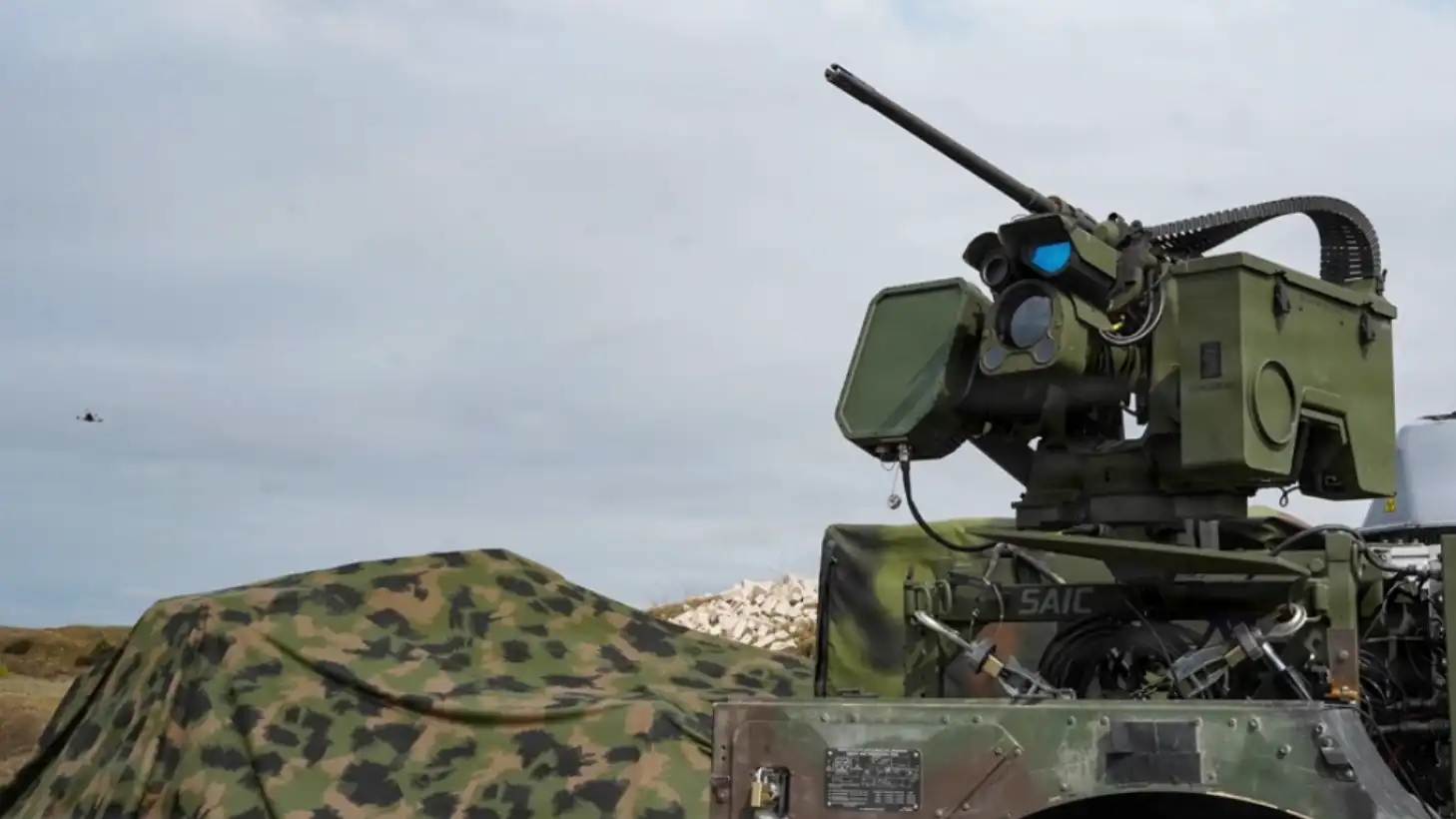
KONGSBERG has selected Echodyne’s MESA radar platform for air and surface applications, including integration with its PROTECTOR RS4 and RS6 remote weapon stations. The initial integrations are intended to provide radar tracking data for counter-unmanned aircraft system operations.
According to Echodyne’s Sept. 9, 2026, announcement, the solid-state radar can be installed on static, crewed and uncrewed platforms. The companies did not disclose procurement quantities, customers, deployment schedules, or contract value.
Detection and Fire-Control Functions
The MESA radar supplies range, range-rate, bearing and target kinematic data to the weapon station’s fire-control chain. Echodyne said the radar is designed to stabilize and cue the system’s optical sensors, maintain target tracks and reduce the time between detection and engagement.
The integration combines the radar with KONGSBERG’s weapon-station architecture and Collaborative Fire Control capabilities. It is intended to support tracking of fast-moving unmanned aircraft with low radar cross-sections while operating within the size, weight, and power limits of vehicle-mounted or stationary systems.
Echodyne CEO Eben Frankenberg said the integration is intended to provide the PROTECTOR family with persistent tracks for fire-control cueing and target lock. He also cited the radar’s compact, software-defined configuration as relevant to use across the existing PROTECTOR platform base.
Airburst and Networked Engagements
The companies identified programmable airburst munitions as one application for the radar data. Accurate range and range-rate measurements can support calculation of the point at which a munition should function along a target’s flight path.
In a networked configuration, a cooperative search radar or another sensor can pass an initial threat track to a radar-equipped remote weapon station. The local MESA radar can then refine and maintain that track for fire-control use.
This search-cue-track-engage process is designed to allow distributed systems to share an air picture, allocate targets and retarget as engagements are completed. The release did not identify specific munitions, engagement ranges or performance figures for the integrated systems.
Multi-Year Integration and Testing
Echodyne and KONGSBERG said they have conducted several years of integration, testing and demonstrations involving the radar-enabled configuration. The announcement did not specify test locations, participating military organizations, or whether the system has entered operational service.
Beyond the RS4 and RS6 integrations, the companies are evaluating additional uses for the radar across KONGSBERG air and surface mission systems. Planned joint technical work will focus on resilient sensing, networked fire control and protection against changing unmanned-system threats.
Recommended Comments