




-
TL;DR: The US Air Force is advancing air combat capabilities through the introduction of F-16 Fighting Falcons for autonomous testing in the VENOM-AFT program. This initiative aims to accelerate the integration of autonomy software on crewed and uncrewed aircraft, emphasizing the importance of human oversight in ensuring mission success. Operational collaboration and rigorous testing will refine autonomy performance, driving rapid iteration and innovation in military technology.
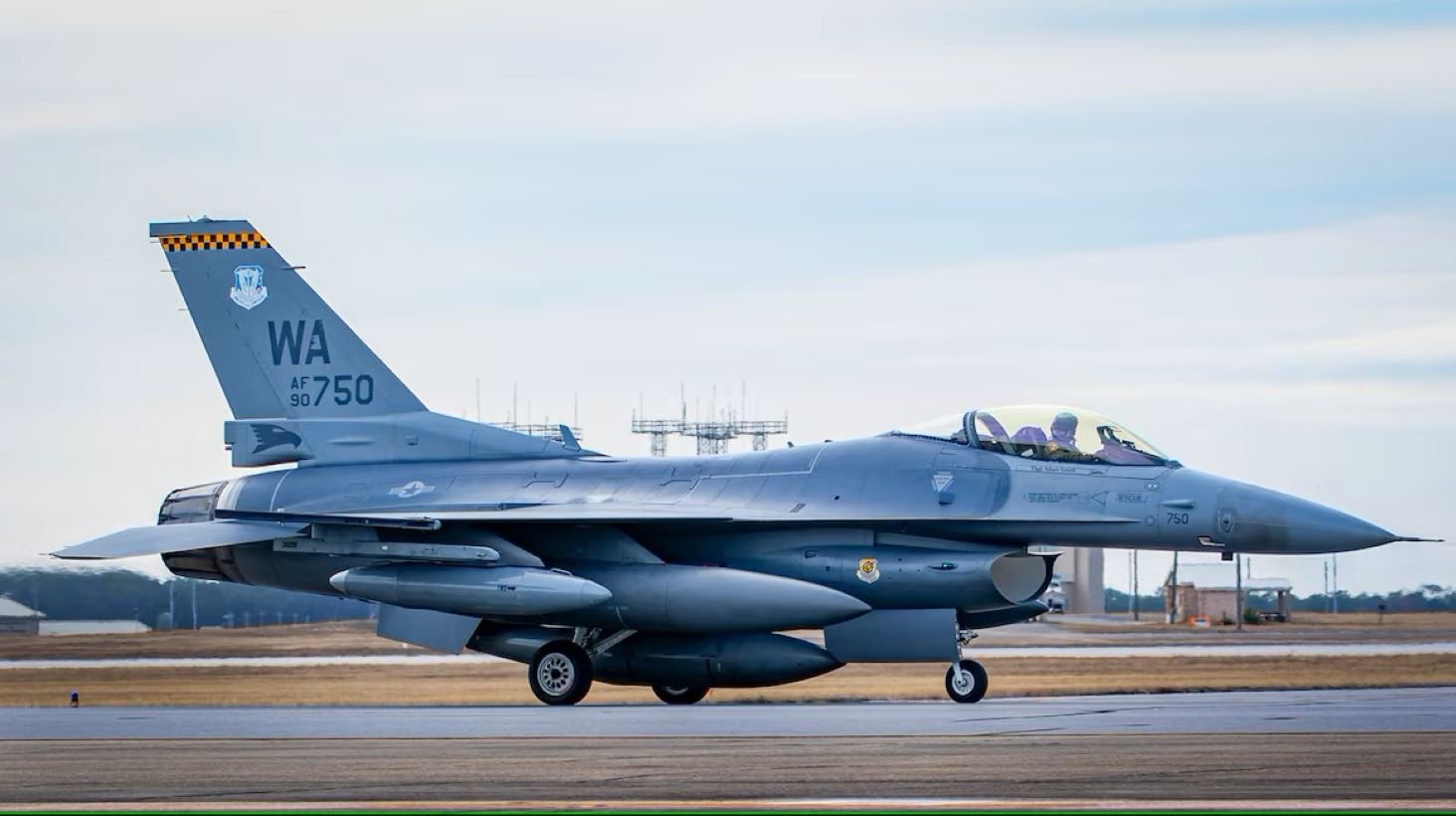
Accelerating the advancement of aerial combat capabilities, the 96th Test Wing and 53rd Wing have welcomed the first three F-16 Fighting Falcons to participate in the Viper Experimentation and Next-gen Operations Model – Autonomy Flying Testbed (VENOM-AFT) program.
Driving Autonomous Innovation
VENOM-AFT, aimed at expediting the testing of autonomy software on crewed and uncrewed aircraft, serves as a pivotal initiative funded to redefine air combat paradigms. It complements Eglin Air Force Base's autonomy data and artificial intelligence experimentation proving ground, offering insights crucial for the Collaborative Combat Aircraft program and other autonomy developers.
Modifying F-16s for Testing
The next phase for the VENOM program involves transforming the F-16 aircraft into test platforms to swiftly evaluate autonomous capabilities. This step marks a significant stride towards ushering in a new era of aviation, enabling the integration of novel autonomous functions for both present and future crewed and uncrewed platforms.
Operational Collaboration and Testing
Similar to F-16 and F-15 testing at Eglin, the VENOM program is set to undergo rigorous developmental and operational testing facilitated by the 40th Flight Test Squadron and the 85th Test and Evaluation Squadron. The integration of both developmental test and operational test pilots operating from the same location fosters daily collaboration, facilitating knowledge sharing and streamlined lessons learned.
Human Oversight in Autonomy
During testing, pilots will remain in the cockpit to oversee autonomy and ensure that flight and mission systems test objectives are achieved. The concept of 'human-on-the-loop' emphasizes real-time pilot involvement in autonomy, ensuring the ability to intervene and control specific algorithms as necessary, highlighting the critical role of human oversight in autonomous operations.
Enhancing Autonomy Performance
Operators will offer feedback throughout modeling, simulation, and post-flight stages to autonomy developers, aiding in improving performance over time and validating the appropriateness of autonomy decisions prior to and during flight. This iterative process aims to refine autonomy capabilities and ensure they align with mission objectives.
Driving Rapid Tactical Autonomy Development
The overarching goal of the VENOM program is to facilitate rapid iteration and expansion of knowledge for potential autonomy and payload solutions. Emphasizing "speed-to-ramp," the program prioritizes swift yet safe development to expedite the deployment of the Collaborative Combat Aircraft and other autonomous systems, further bolstering the Air Force's capabilities in the ever-evolving landscape of aerial combat.
Recommended Comments