




-
TL;DR: Ukraine launched TrophyLab, a secure database sharing detailed technical data and vulnerabilities of captured Russian weapons with allied governments, labs, and defense firms, allowing access to reports and even physical samples to speed up countermeasure development. Built from battlefield-recovered missiles, drones, and vehicles, the platform aims to turn Russian technology into a resource for strengthening allied defenses and accelerating joint research, reflecting Ukraine’s broader push to deepen international defense cooperation.
Ukraine opens TrophyLab weapons database
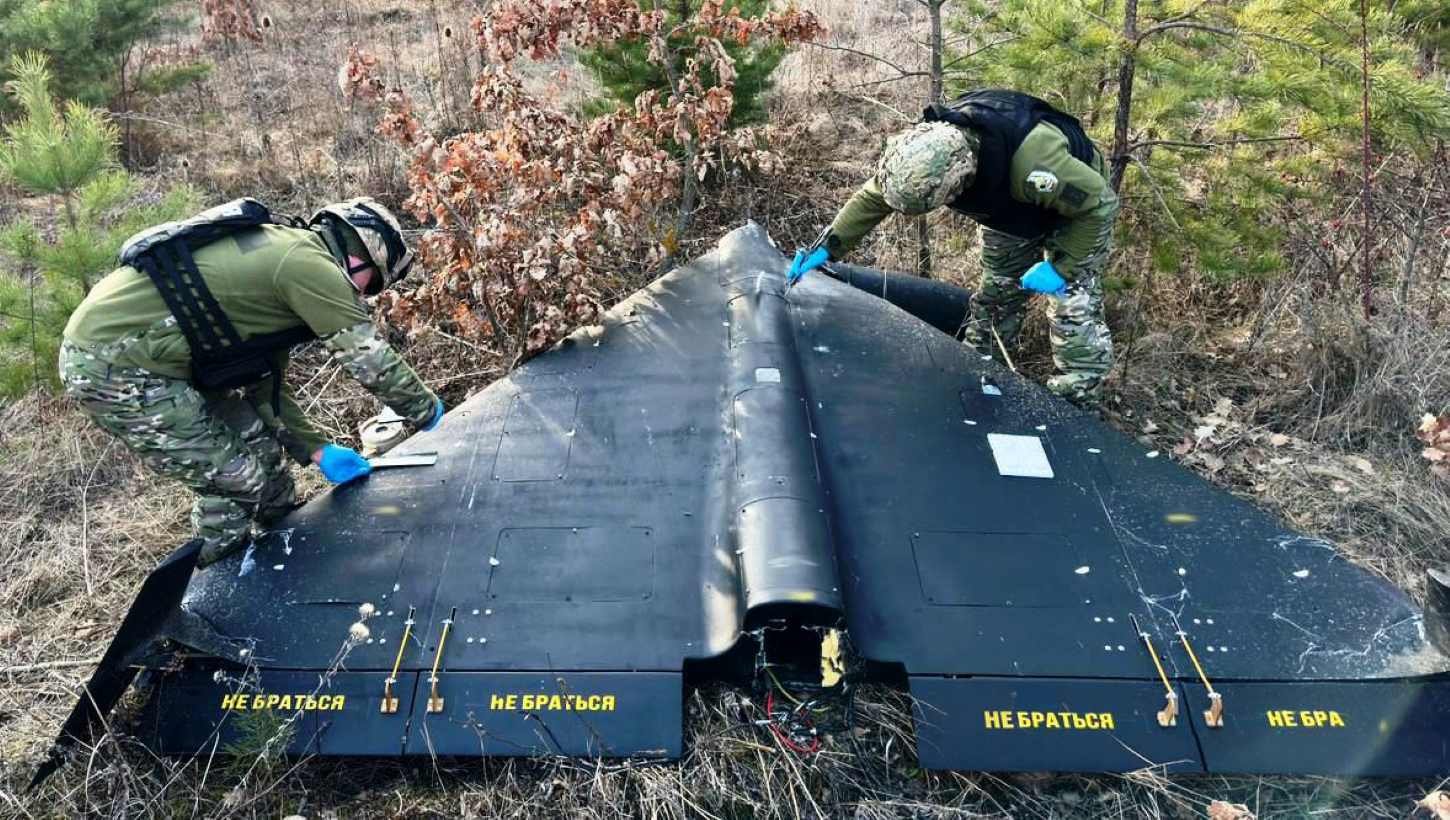
Ukraine has launched TrophyLab, a database containing what Defense Minister Mykhailo Fedorov described as “deep technical data” on captured Russian weapons for use by partner countries and defense organizations.
Fedorov announced the platform on June 19, saying it gives global partners access to technology recovered from the battlefield. “Every missile, drone, and vehicle seized on the battlefield is now a source of knowledge for the free world,” he wrote on X.
Who can access the platform
According to Fedorov, TrophyLab is intended for allied governments, laboratories, and defense technology manufacturers.
Through the secure platform, users can access technical data, reports, and identified vulnerabilities in Russian systems. Fedorov also said users will be able to request physical equipment for testing.
Ukraine said this is meant to reduce the time needed to develop countermeasures against Russian weapons by giving partners direct access to analyzed components and hardware.
What the database contains
The database is built from Russian missiles, drones, and vehicles captured or recovered by Ukraine during the war. Russia’s repeated missile and drone strikes on Ukrainian cities have left debris from multiple weapon types available for examination, including the Oreshnik missile.
Ukraine said the information collected through TrophyLab is intended to expose design features and weaknesses in Russian military technology rather than allow those systems to remain a battlefield advantage.
Fedorov said, “What was meant to be the enemy’s secret advantage is being dismantled to defend democracy.”
Why the initiative matters
The launch reflects Ukraine’s broader effort to turn battlefield experience into defense-technology cooperation with partners.
By sharing technical findings from Russian equipment, Ukraine is positioning recovered weapons not only as intelligence material but also as a resource for speeding up allied research, testing, and defensive development.
The ability to request physical samples appears to be a key operational feature, as it could allow outside organizations to conduct their own analysis instead of relying only on written reports.
Wider defense-tech cooperation
TrophyLab comes as Ukraine expands defense collaboration with foreign partners.
On June 17, Ukraine’s Brave1 defense-tech platform announced the Brave France initiative, under which Ukrainian and French defense companies are set to receive 20 million euros ($23 million) to develop missiles, unmanned systems, and counter-air technologies.
Ukraine has also cited military cooperation with countries in the Gulf. President Volodymyr Zelensky said on April 8 that Ukraine sent military experts to several Middle Eastern countries, where they helped shoot down Iranian-made Shahed drones in exchange for fuel and interceptor drones.
Russia uses its own Shahed-type drones in attacks on Ukraine, making anti-drone knowledge and countermeasure development a continuing priority for Kyiv and its partners.
Recommended Comments