




-
TL;DR: The U.S. Marine Corps is gearing up to deploy new Amphibious Combat Vehicles (ACVs), replacing the long-serving Amphibious Assault Vehicles (AAVs) for the first time in 50 years. These advanced ACVs, which offer enhanced speed and protection, are expected to join the 15th Marine Expeditionary Unit soon. The program includes various ACV variants for different operational needs. However, the ACV program has experienced some setbacks, including a fatal training incident at Camp Pendleton and a temporary suspension of operations due to mechanical issues. These events underscore the importance of rigorous safety protocols in the integration of new military technology.
Deployment of New ACVs to Replace Decades-Old AAVs
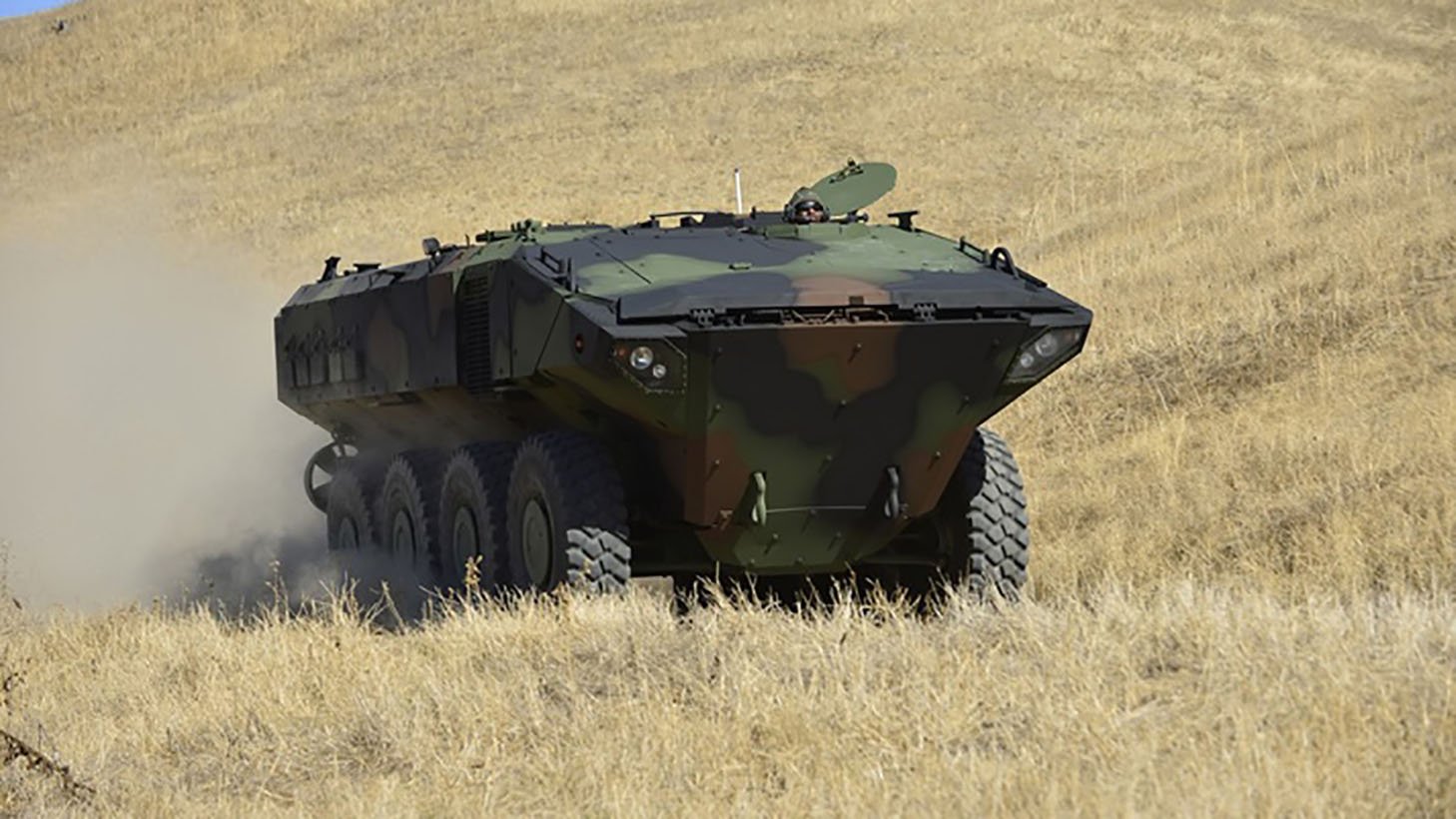
The U.S. Marine Corps is set to deploy new amphibious combat vehicles (ACVs), marking the first major update to their amphibious vehicle fleet in over fifty years. Assistant Commandant of the Marine Corps, General Chris Mahoney, indicated that these ACVs will soon join the 15th Marine Expeditionary Unit. These eight-wheeled armored vehicles are designed to replace the amphibious assault vehicles (AAVs) that have been in service since 1972. The ACVs have undergone operations in protected waters, and the Marine Corps is finalizing checklists and criteria for their use in unprotected waters, ensuring their readiness for a variety of sea conditions.
Advanced Features and Enhanced Capabilities of ACVs
The new ACVs boast significant advancements over their predecessors, the AAVs. They can travel up to 20 mph faster on land and provide triple the protection capability. Described as the "next-generation vehicle" by USNI News, these ACVs are engineered to efficiently transport Marines from ship to shore. The ACV program includes four variants: a personnel carrier, a command and control vehicle, a recovery vehicle, and a variant equipped with a 30-mm gun. These vehicles are expected to be deployed on the USS Boxer and USS Harpers Ferry, two amphibious warships operating in the Pacific Ocean, following the completion of ACV training.
Challenges and Safety Concerns in ACV Program
Despite the technological advancements, the Marine Corps' ACV program has faced several challenges, including safety incidents during training. In December, Sergeant Matthew Kylski lost his life in a rollover accident during ground training at Camp Pendleton, with fourteen other crew members injured. This incident led to a temporary pause in ACV operations in October 2022 following a separate rollover during offshore training, attributed to a mechanical malfunction. Additionally, open-water operations were halted in July 2022 after a high-surf incident caused one vehicle to roll over and another to become disabled, although no injuries were reported in this case. These incidents highlight the ongoing efforts to ensure the safety and reliability of the ACVs in various training and operational environments.
Recommended Comments