




-
TL;DR: The U.S. Air Force has revealed that Boeing’s F-47 NGAD fighter will have a combat radius exceeding 1,000 nautical miles, surpassing current U.S. fighters and aligning with Navy NGAD goals. The F-47 boasts speeds over Mach 2, advanced stealth surpassing the F-22 and F-35, and a planned fleet of 185 units potentially replacing the F-22. Alongside, the Collaborative Combat Aircraft drones will feature a 700-nautical-mile radius, subsonic speeds, and moderate stealth, with plans for over 1,000 units as force multipliers. These disclosures offer critical insights into balancing range, endurance, stealth, and cost for next-gen air dominance amid emerging A2/AD threats, marking a key milestone in shaping future U.S. tactical aviation capabilities.
U.S. Air Force Issues First Official F-47 Combat Radius Figures
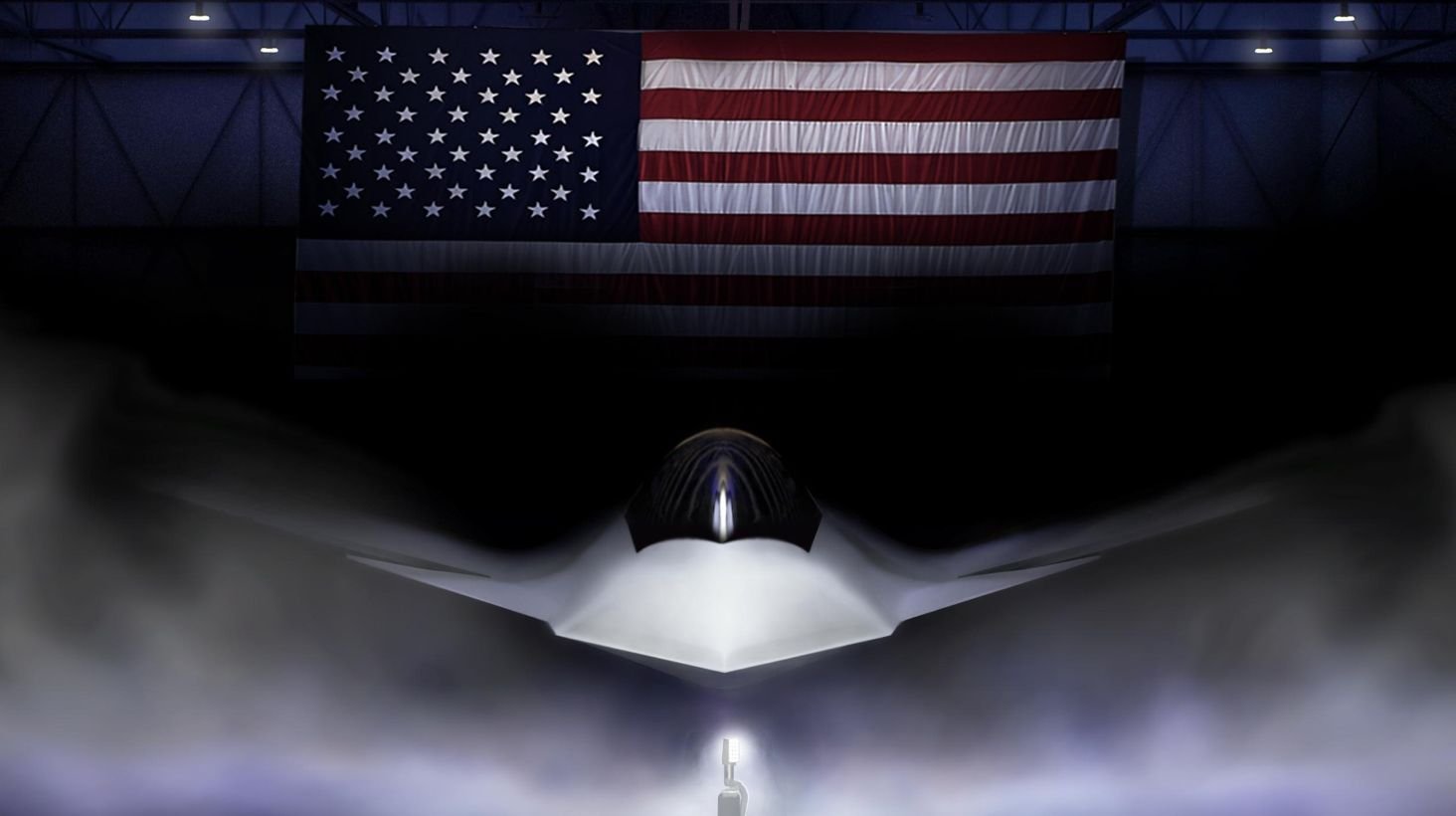
The U.S. Air Force has, for the first time, publicly defined the operational range of Boeing’s F-47 Next Generation Air Dominance (NGAD) fighter. An infographic shared by Air Force Chief of Staff Gen. David Allvin reveals the F-47 will feature a combat radius exceeding 1,000 nautical miles, a figure that places it significantly ahead of current fighters in the U.S. inventory. The disclosure offers rare insights into the future of American airpower and addresses longstanding debates about capability priorities for sixth-generation tactical aircraft.
Balancing Range, Endurance, and Performance
The required range and performance characteristics of the NGAD program have been widely discussed by defense analysts and military decision-makers. As peer adversaries invest in anti-access/area denial (A2/AD) capabilities, the U.S. Air Force faces heightened pressure to field a fighter capable of operating far from friendly bases and deep inside contested airspace. For some experts, this means prioritizing maximum range and endurance above other attributes; others argue for a more traditional balance of speed, agility, and survivability.
Compared to existing fighters, the new 1,000-plus nautical mile radius represents a notable improvement: it aligns loosely with parallel Navy NGAD (F/A-XX) projects, which target approximately 25% more range than today’s F-35C. Nevertheless, the precise meaning of the “+” in the range figure remains undefined, and all publicized specifications are likely shaped to avoid disclosing sensitive details to potential adversaries.
Stealth, Speed, and Program Scale
The infographic further highlights the F-47’s speed, indicating capabilities in excess of Mach 2. While top speed remains impressive, observers suggest cruising efficiency—especially supercruise (sustained supersonic flight without afterburners)—will play a more decisive role in combat effectiveness.
Stealth features are described as “Stealth ++,” implying enhancements beyond the F-22’s “Stealth +” rating and the F-35’s “Stealth.” While this reinforces previous expectations about extremely low observability across multiple detection spectrums, questions persist regarding the ultimate design, especially with conceptual art suggesting the inclusion of canards, which could affect radar signature.
The planned buy of 185 airframes aligns with earlier statements from Air Force leadership about the intended size and cost profile of the NGAD fleet, suggesting the F-47 could ultimately serve as a direct replacement for the F-22 Raptor. The timeline for operational availability given in the infographic (2025–2029) most likely reflects initial flight or test milestones, rather than full service entry.
Collaborative Combat Aircraft: Complementary Capabilities
Alongside the F-47 revelations, the Air Force has also shared first-time range metrics for its forthcoming Collaborative Combat Aircraft (CCA)—autonomous drones designed to operate alongside crewed fighters. With a stated combat radius of 700 nautical miles, CCAs are positioned as important force multipliers, though their range does not match that of the F-47. Procurement plans suggest over 1,000 units across multiple increments, with the current tranche expected to total between 100–150 airframes for each of the initial CCA designs (YQF-42A and YQF-44A).
Notably, the CCA platforms favor a mix of subsonic speed and moderate stealth, with an evolving focus on balancing survivability and cost. The possibility of higher performance variants in future increments remains open as operational concepts and requirements evolve.
Outlook: First Official Benchmarks for Next-Gen Air Dominance
Although the figures shared by the Air Force remain generalized and may evolve as the programs advance, their release marks a significant milestone for both the F-47 and its collaborative drone counterparts. These early specifications provide a clearer window into the priorities and design trade-offs shaping the future of U.S. tactical aviation, even as many critical details remain closely guarded. As the development of both platforms progresses, further updates are expected to refine these early benchmarks and inform debates around the Air Force’s next generation of manned and unmanned aircraft.
Recommended Comments