




-
TL;DR: In a push to replace the Bradley Infantry Fighting Vehicle, General Dynamics Land Systems and American Rheinmetall Vehicles have moved forward in the XM30 Mechanized Infantry Combat Vehicle project, following their preliminary design reviews. These teams are tasked with creating a high-tech, hybrid combat vehicle featuring a 50 mm cannon, remote turret, advanced sensors, and intelligent fire control, alongside other cutting-edge capabilities. With contracts totaling $1.6 billion and a project value of $45 billion, prototypes are scheduled to be developed within 20 months of the critical design reviews, targeting deployment by 2029. The design process stands out for its engagement with soldiers, leveraging their feedback through digital engineering to refine ergonomics and functionality. Collaborations include prominent partners like Textron, RTX, and GM Defense, blending expertise in automation, AI, and advanced munitions to drive innovation.
Revamping the Bradley Infantry Fighting Vehicle: Two Teams Undertake Preliminary Design Reviews
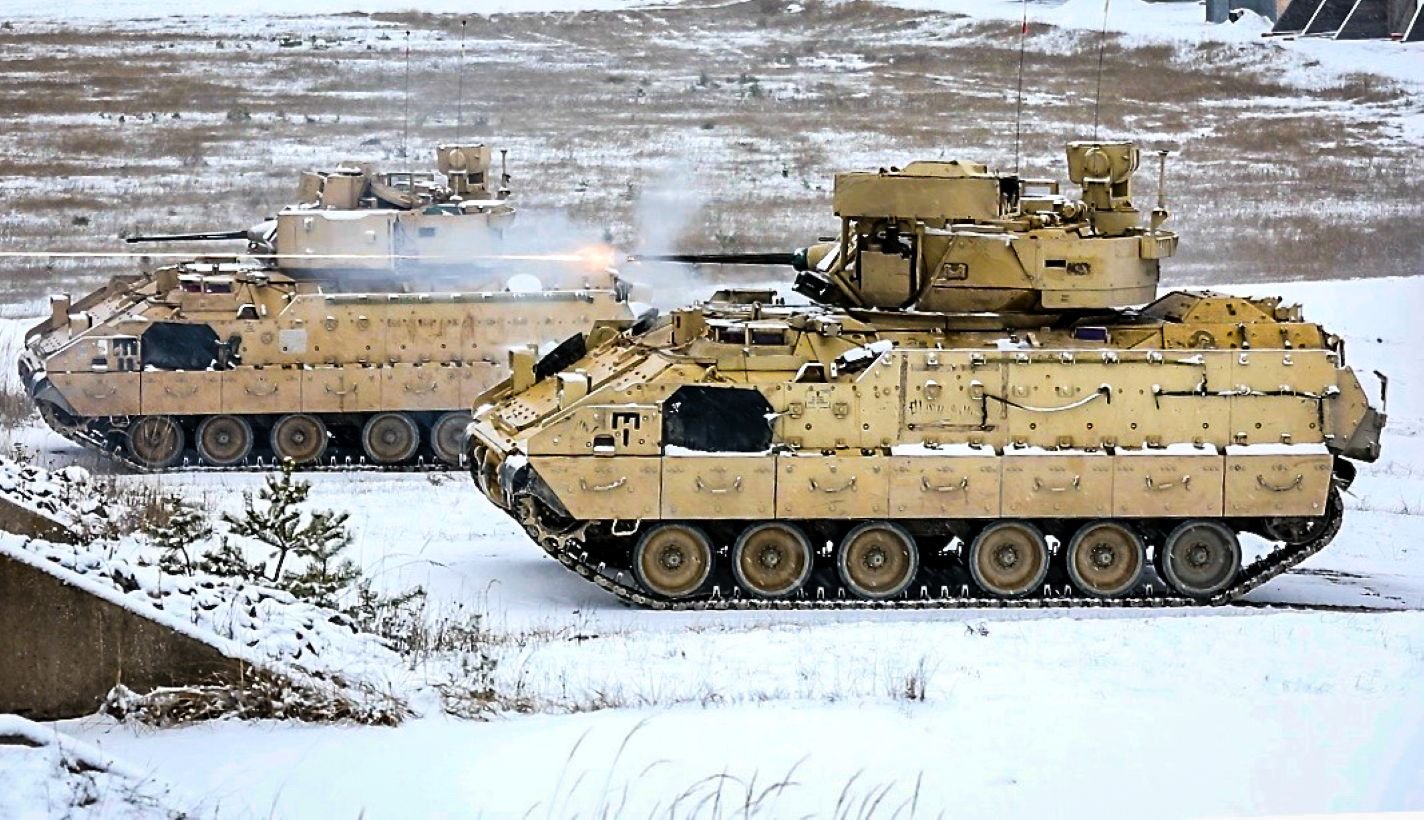
In the quest to replace the renowned Bradley Infantry Fighting Vehicle (IFV), key industrial teams have completed preliminary design evaluations, a major prerequisite ahead of the projected milestone for 2025. The announcement was made by Major General Glenn Dean, the Army Program Executive Officer for Ground Combat Systems.
Two Industry Teams Selected for the Next Phase
General Dynamics Land Systems and American Rheinmetall Vehicles were singled out from a group of competitors in June 2023 and will now proceed to a comprehensive design segment of the XM30 Mechanized Infantry Combat Vehicle project. These organizations are tasked with creating a hybrid fighting system equipped with a range of lethal capabilities.
The planned vehicle design includes a 50 mm cannon, a remote turret, advanced machine guns, anti-tank guided missiles, an integrated protection suite, and intelligent fire control. Additionally, it will have third-generation infrared sensors, kitted armor, and signature management capabilities. The details were divulged by military authorities deeply involved in the project.
Financial Implications and Future Expectations
The dual contracts carry a collective worth of approximately $1.6 billion, but the total program is set to value around $45 billion, as outlined by the army. The final preliminary design review concluded in August, with the service expected to swiftly complete critical design reviews before commencing the construction of physical prototypes.
Following the finalization of the design and acquisition of required materials, prototypes are expected to be built within 18 to 20 months post-completion of the critical design reviews. Subsequently, the army will advance to a test and evaluation stage with both competing teams, leading up to the selection of a winner in the fiscal year of 2027. The initial vehicles are anticipated to be deployed in the fiscal year of 2029.
The Importance of Soldier Feedback in the Design Process
The rapid timeline from preliminary to critical design reviews has been made viable by digital engineering methodologies and constant integrations with soldiers both virtually and physically. The process offers soldiers the opportunity to inspect proposed designs, providing valuable input to improve ergonomics and functionality based on real-world combat experience.
Significant strides have been achieved, ranging from subtle user interface modifications to major alterations in the structural design. This feedback and integration process benefits both the vendors and the military, ensuring designs are optimized to meet the specific requirements of the end users.
Partnering to Innovate
The team led by American Rheinmetall Defense is inclusive of notable industry players such as Textron Systems, RTX, L3Harris Technologies, Allison Transmission, and artificial intelligence pioneer, Anduril Technologies. On the other hand, GDLS is collaborating with automotive autonomy specialists, Applied Intuition; GM Defense; and AeroVironment, a company contributing its Switchblade loitering munitions to the design. Furthermore, GDLS is incorporating network, radio, and cyber capabilities into the project in partnership with General Dynamics Mission Systems.
Recommended Comments