




-
TL;DR: U.S. approved multibillion-dollar arms sales—about $5.6B to Israel for 30 AH‑64 Apaches and Joint Light Tactical Vehicles, and $9B to Saudi Arabia for 730 Patriot interceptor missiles—citing national‑security interests as tensions with Iran rise and U.S. forces surge in the region. The moves aim to bolster Israeli and Saudi defenses and preserve strategic partnerships even as prospects for Saudi‑Israel normalization dim and the conflict cycle that began with Hamas’s Oct. 7 attack.
U.S. Authorizes Major Arms Sales Amid Regional Tensions
The United States on Friday approved multibillion-dollar weapons sales to Israel and Saudi Arabia, moves that come amid elevated tensions with Iran and ongoing instability across the Middle East. The approvals were announced by the State Department, which said the transactions align with U.S. national security interests and long-standing defense partnerships in the region.
Israel: Apache Helicopters and Tactical Vehicles
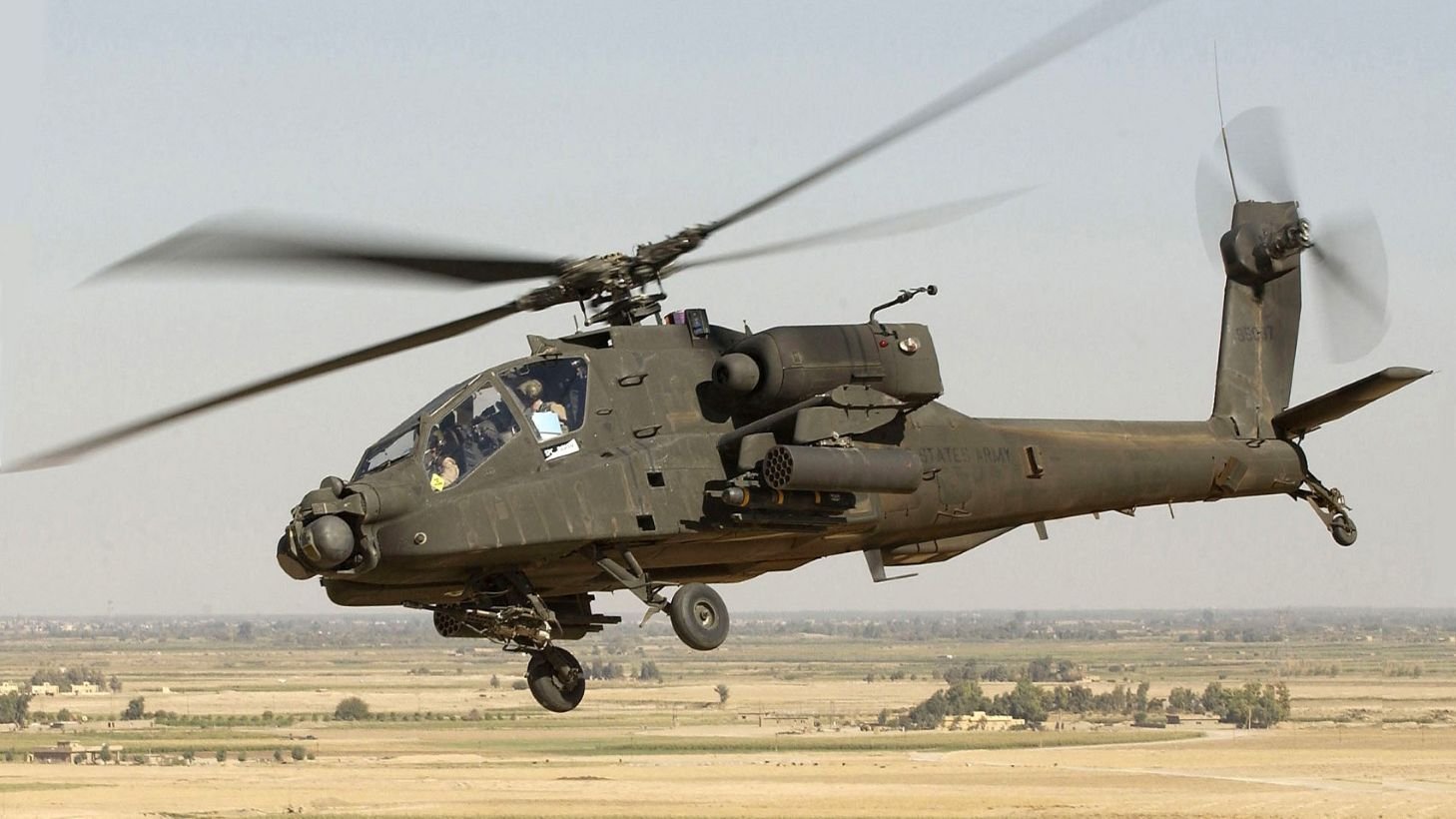
For Israel, the State Department authorized a $3.8 billion sale of 30 AH-64 Apache attack helicopters, along with a separate $1.8 billion package for Joint Light Tactical Vehicles. U.S. officials said the proposed sales are intended to help Israel maintain a credible self-defense capability.
The United States provides Israel with billions of dollars in military support annually, much of it delivered as aid rather than through direct sales. The latest approval follows a U.S.-backed ceasefire reached between Israel and Hamas in October, which largely halted nearly two years of fighting in Gaza.
Saudi Arabia: Expanded Air and Missile Defense
The State Department also approved a $9 billion arms sale to Saudi Arabia, centered on the delivery of 730 Patriot interceptor missiles. The Patriot system is designed to defend against incoming ballistic missiles, cruise missiles, and aircraft, and is a cornerstone of Saudi Arabia’s air and missile defense architecture.
The approval comes as Gulf states monitor escalating regional risks, including the potential for wider conflict involving Iran. While Saudi Arabia remains a strategic rival of Tehran, it has publicly cautioned against direct attacks on Iran, citing concerns that broader instability could undermine the Gulf’s role as a hub for trade and investment.
Broader Strategic Context
Regional tensions remain high as the United States deploys significant naval and air forces in waters near Iran. Israel last year conducted a major bombing campaign targeting Iranian nuclear and military facilities. Iran, meanwhile, has faced sustained internal unrest, with authorities responding forcefully to large-scale protests, reportedly resulting in thousands of deaths.
Saudi Arabia has also weighed a potential normalization of relations with Israel, a prospect that has appeared increasingly uncertain as Israel’s military operations in the Palestinian territories continue.
Recommended Comments