




-
TL;DR: The U.S. Army has decided to halt development on new interceptor missiles for its Patriot air defense systems, citing the success of current systems in Ukraine. The focus will remain on enhancing existing Patriot models, such as the PAC-3 Missile Segment Enhancement (MSE), which is praised as one of the best air defense missiles globally. The Patriot systems have been effectively utilized by Ukraine to intercept Russian threats, including hypersonic missiles, leading to increased international demand and accelerated production by Raytheon. These events underscore the continued relevance and adaptability of the Patriot systems in modern warfare, despite shifting development priorities.
Reprioritizing the Future of Missile Defense
The U.S. Army has confirmed its decision to discontinue developing new interceptor missiles for its revered Patriot air defense systems, amid an escalating need and market demand for robust defense systems. This development comes following the perceived success of the existing Patriots in the Ukrainian arena. Previously, the Army had projected the development of new-generation interceptors for the Patriot system, dubbed the Lower-Tier Future Interceptors. However, this venture will be put on hold, as announced by Major General Frank Lozano, the top authority of the Army's missile and space development division.
Understanding the Patriot Air Defense System
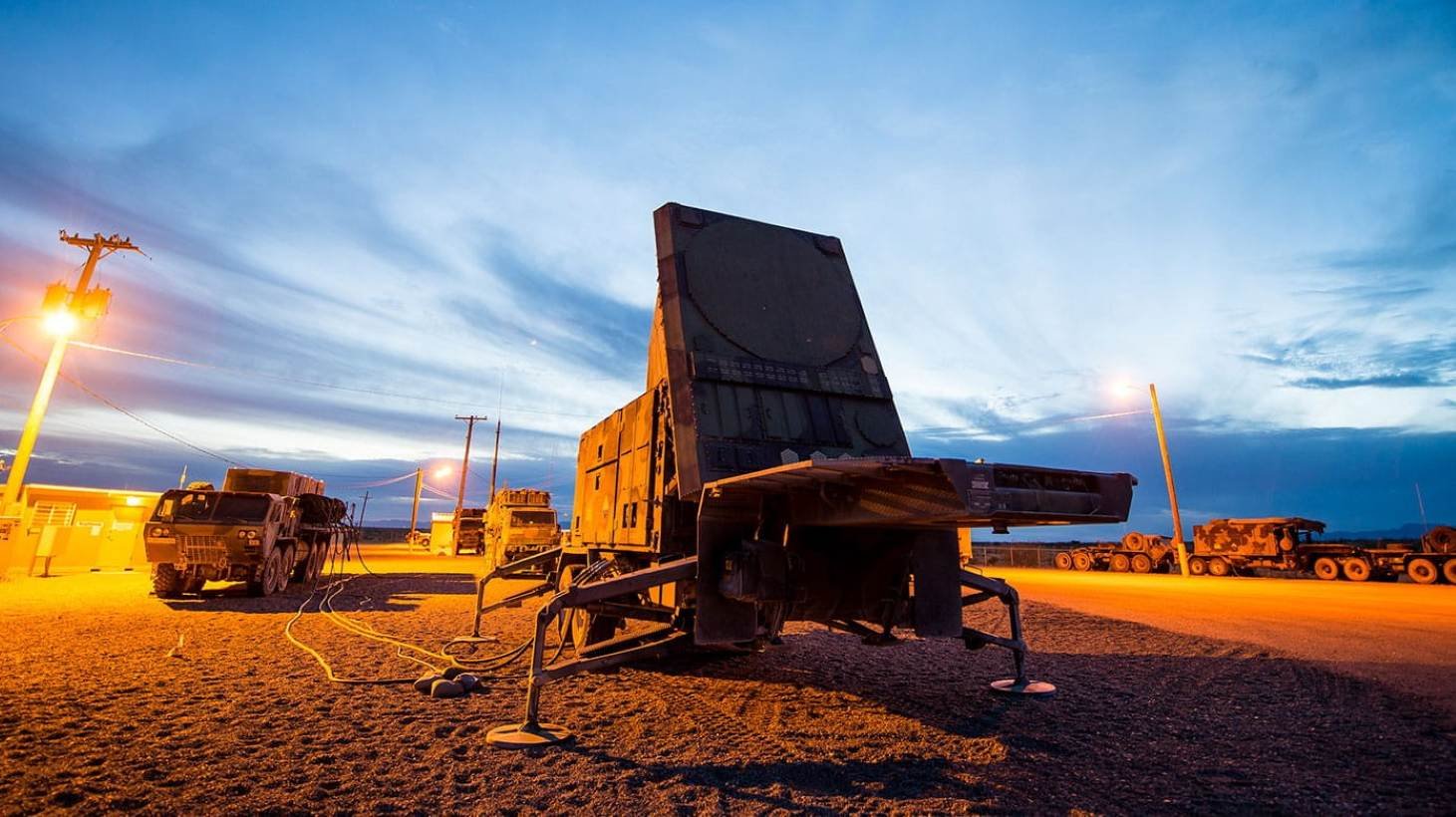
The ground-based Patriot missile defense system, largely viewed as one of the foremost air defense systems in the U.S., is recognized as a gold standard despite its limited numbers. Crafted by Raytheon, the Patriot system, which was first introduced many years ago, has since experienced multiple upgrades. Its primary function includes intercepting ballistic and cruise missiles in addition to drones and aircraft. A typical Patriot battery incorporates an array of components such as missiles, launchers, radar sets, power generators, control stations, and antenna masts. The PAC-3 Missile Segment Enhancement, or MSE, represents the latest Patriot missile variant, designed to neutralize threats through kinetic energy. Lozano referred to the PAC-3 MSE as "probably the best air defense missile in the world," suggesting that the Army will continue to extend its capabilities to counter emerging threats.
International Deployment and Impact
The U.S. Army's understanding of the PAC-3 MSE's potential has been significantly enhanced given the experience gained from its use in Ukraine. The Ukrainian military has successfully put to use Patriot systems to counter Russian aircraft, with confirming reports of intercepting various Kinzhal missiles, a hypersonic weapon as designed by Moscow. The U.S. played a critical role in supplying Patriot systems to Ukraine, which countered Russian aggression through a robust air defense stance. Reports of damaged Patriot systems have circulated, but Ukrainian officials insist that the impact on operational capacity was minimal. As a result of the increased global demand, Tom Laliberty, the head of land and air defense systems at Raytheon, informed that the production of these high-priority air defense systems has been accelerated, which includes those deployed in Ukraine and Israel. In Laliberty's view, the Patriot systems, originally intended to combat Soviet weapons, have demonstrated significant efficacy in the Ukrainian battlefield.
Recommended Comments