




-
TL;DR: Smith & Wesson completed its $160 million acquisition of Savage Arms using about 9 million shares and $37.5 million in cash, expanding into hunting, competition and target firearms. The deal is expected to add roughly $18 million in annual EBITDAS and up to $0.10 per diluted share after initial synergies, while former owner JDH becomes Smith & Wesson’s largest shareholder with a 16.7% stake and a board seat.
Smith & Wesson Completes $160 Million Savage Arms Acquisition
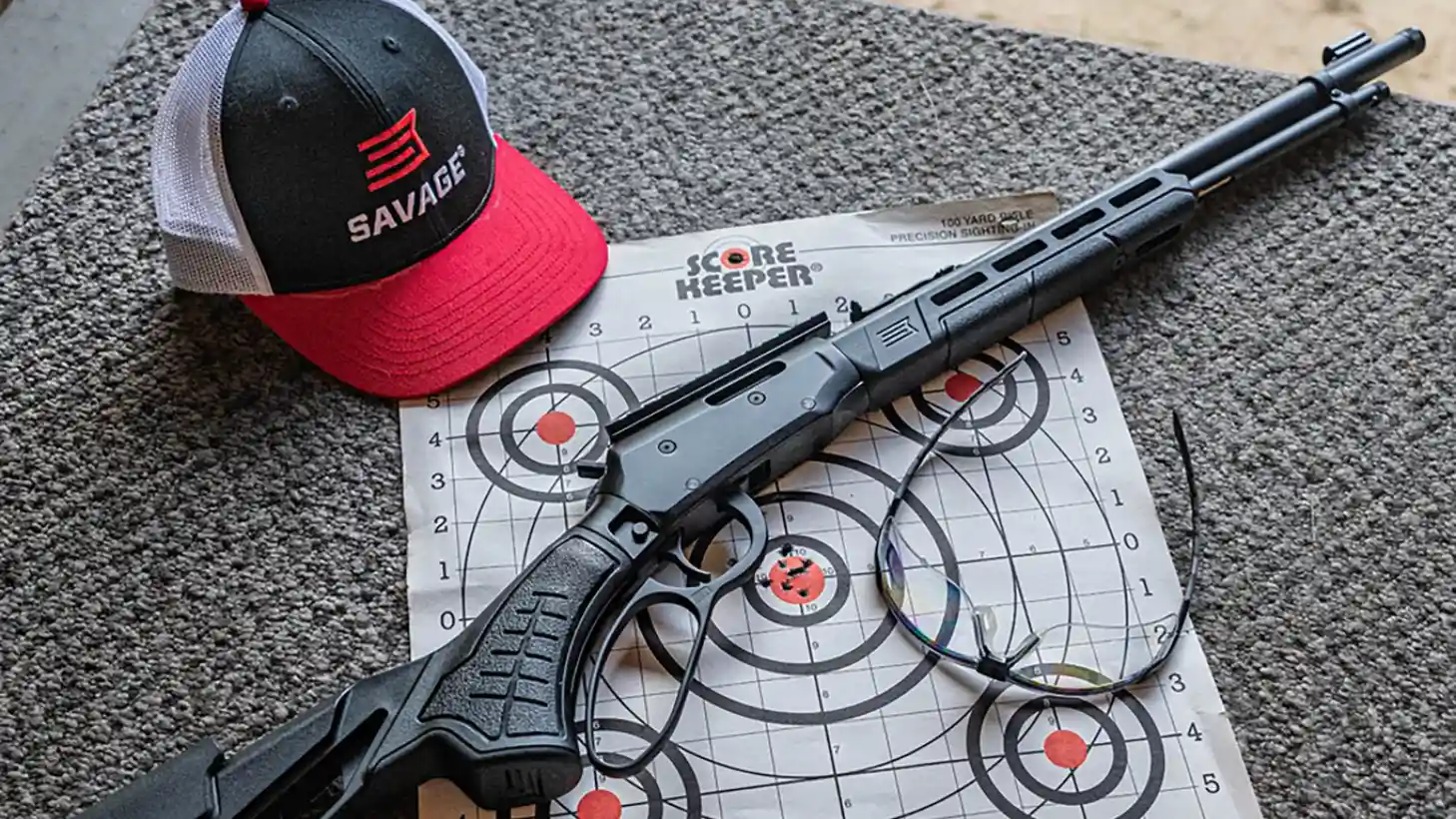
Smith & Wesson Brands completed its acquisition of Savage Arms from an indirect subsidiary of JDH Capital I on October 21, 2026. The merger values Savage at $160 million, subject to customary adjustments, and expands Smith & Wesson’s portfolio into additional hunting, competition, and target-shooting firearms.
Savage, headquartered in Westfield, Massachusetts, manufactures centerfire and rimfire rifles and shotguns. Its product range adds an established bolt-action and hunting-rifle business to Smith & Wesson’s handgun, long-gun and suppressor operations.
Purchase Terms
Smith & Wesson paid approximately 9 million shares of its common stock and $37.5 million in cash. The shares were valued at $13.62 each, based on the volume-weighted average price over the 45 consecutive trading days specified in the transaction agreement.
The purchase price represents approximately 7.9 times Savage’s adjusted EBITDA for the 12 months ended September 30, 2026, after accounting for an expected $2.5 million in initial annual run-rate synergies.
D.A. Davidson & Co. served as Smith & Wesson’s financial adviser, while Bass, Berry & Sims provided legal counsel. Latham & Watkins represented JDH and Savage.
Financial Effect
Savage generated approximately $160 million in net sales during the 12-month period ended September 30, 2026. Smith & Wesson expects the acquisition to provide about $18 million in incremental EBITDAS on a full-year basis before additional potential benefits from integration.
Excluding acquisition accounting and transaction costs, Smith & Wesson projects the transaction will add approximately $0.04 per diluted share during the remainder of fiscal 2027. The company estimates full-year accretion of $0.07 per diluted share before initial synergies and about $0.10 after those synergies are realized.
Smith & Wesson reported an estimated pro forma net leverage ratio of 1.16 following the closing. The company noted that Savage’s reported financial results were prepared under Savage’s accounting policies and had not been adjusted to conform to Smith & Wesson’s methods, although it does not consider the differences material.
Ownership and Governance
Following the transaction, JDH owns 16.7% of Smith & Wesson’s outstanding common stock, making it the company’s largest shareholder. Under an investor rights agreement, Smith & Wesson filled an existing board vacancy with a JDH representative. The board now has seven directors.
JDH Managing Director Michael Fertitta said the firm intends to remain involved as a significant Smith & Wesson shareholder.
Portfolio and Integration
Smith & Wesson President and CEO Mark Smith said the acquisition is intended to expand the company’s presence in the hunting market while combining Savage’s rifle and shotgun operations with Smith & Wesson’s handgun and other long-gun categories.
Savage has manufactured firearms for more than 130 years. Smith & Wesson said the combined business will cover a broader range of consumer and professional shooting applications, including handguns, hunting rifles, competition and target rifles, rimfire firearms, shotguns, other long guns and suppressors.
Recommended Comments