




-
TL;DR: A U.S. Air Force B-52 crashed shortly after takeoff from Edwards Air Force Base on a radar modernization test mission, killing all eight onboard, including military personnel and Boeing contractors; the cause is under investigation with results expected to take months, base operations are temporarily suspended, and the incident highlights risks tied to ongoing efforts to upgrade and extend the bomber’s service life.
B-52 Crash at Edwards Kills Eight
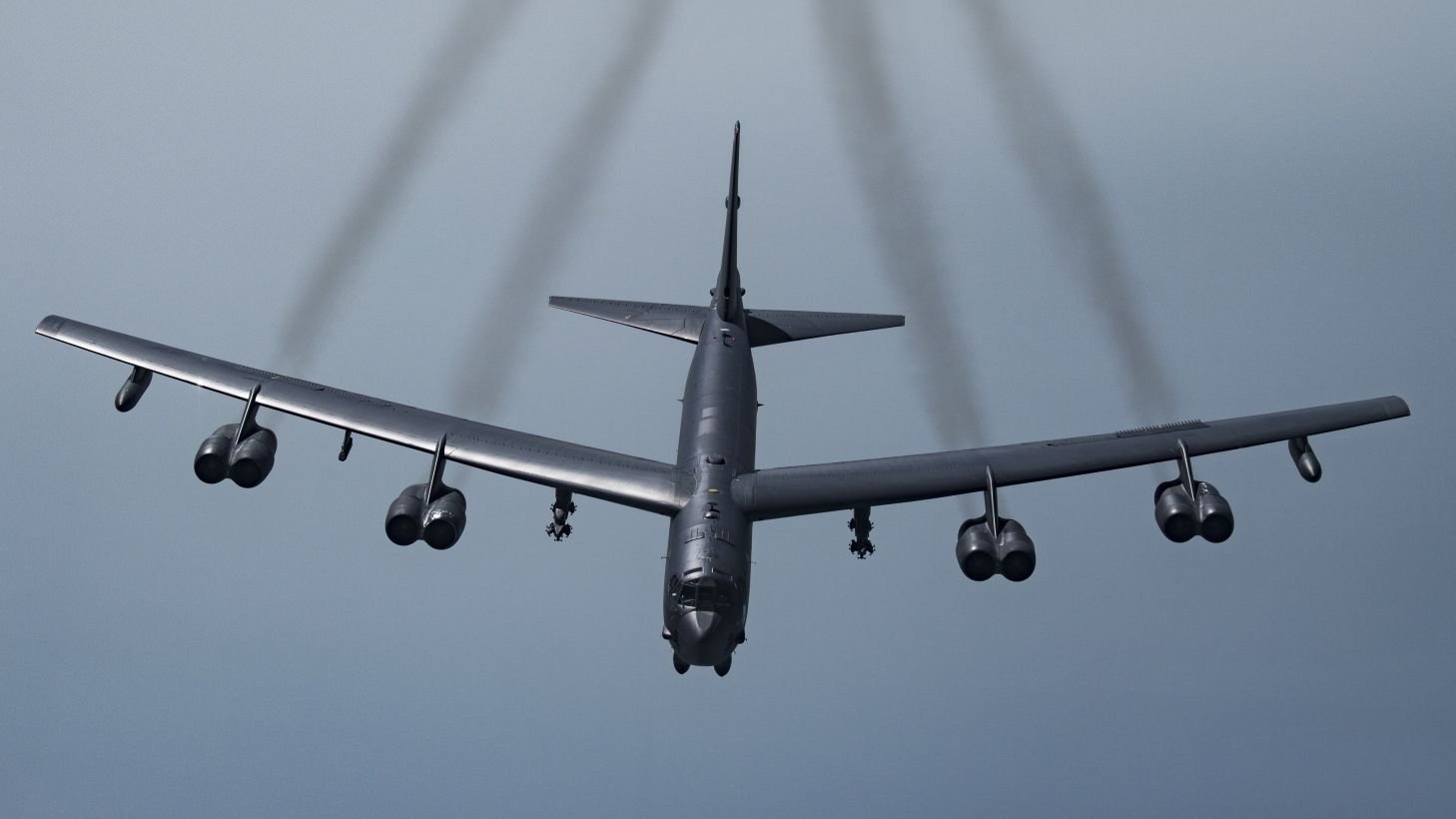
A U.S. Air Force B-52 Stratofortress crashed shortly after takeoff from Edwards Air Force Base in California on Monday, killing all eight people on board. The crash occurred at about 11:20 a.m. local time.
Col. James Hayes, deputy commander of the 412th Test Wing, said the crash was “unsurvivable.” In an earlier update, the wing said, “Initial indications are that the crash was not survivable.”
Emergency response personnel were sent to the scene, and officials began accounting for personnel after the aircraft went down.
Crew and Mission Details
According to Hayes, the bomber carried a mixed crew of military personnel and government contractors. Boeing, the B-52’s prime contractor, later said that two of its employees were among those on board.
The aircraft was described as being on a test mission. Hayes said it was supporting a radar modernization program for the B-52. Edwards Air Force Base, located in the desert north of Los Angeles, is a major testing center used to evaluate aircraft upgrades and the integration of new weapons.
Boeing said in a statement, “We extend our deepest condolences to the loved ones of the eight crew members who lost their lives” in the crash.
Investigation and Base Operations
Officials said the cause of the crash is under investigation. Hayes said a formal accident investigation board will determine what information can be released publicly. He added that the process could take “upwards of six months.”
Operations at Edwards Air Force Base will be suspended for the time being, according to Hayes.
No cause, mechanical issue, or other contributing factor was announced at the time of the initial briefings.
Aircraft Background
The B-52 Stratofortress is a long-range, swept-wing bomber that entered service in the 1950s. The Air Force is in the middle of a long-term modernization effort that includes new engines, radar, and other subsystems intended to keep the aircraft in service into the 2050s.
The radar modernization work cited in the mission profile is part of that broader effort to extend the bomber’s operational life.
Official Response
Air Force Chief of Staff Gen. Kenneth Wilsbach said in a statement, “It is with profound sadness that we mourn the loss of eight teammates today at Edwards AFB. My thoughts are with the bomber and test communities during this difficult time.”
He added, “I am keeping the families, friends, and loved ones affected in my prayers.”
Recommended Comments