




-
TL;DR: A proposed $80 million boost would expand the Coast Guard’s elite Deployable Specialized Forces by over 650 personnel and create a new Special Missions Command to centralize oversight, aiming to improve coordination as demand surges for drug interdiction, migration enforcement, and joint military operations. The plan grows tactical law enforcement teams and specialized maritime units capable of high-risk interdictions, while aligning with broader national efforts to combat cartel-linked activity—efforts that have also drawn criticism over controversial strike operations and civilian deaths.
Budget plan expands Coast Guard specialized forces
The U.S. Coast Guard is seeking about $80 million in its fiscal 2027 budget proposal to expand its Deployable Specialized Forces and establish a new Special Missions Command, according to service officials and budget documents. The plan would add more than 650 personnel, including 130 assigned to the new command and 525 distributed across operational units.
A Coast Guard spokesperson declined to provide the current size of Deployable Specialized Forces, though prior government reports have estimated the community at about 2,000 personnel. The units include divers, port security detachments, maritime security teams, and tactical boarding elements trained in both law enforcement and military-style operations.
New command to centralize oversight
The Special Missions Command is planned for Kearneysville, West Virginia, near existing Department of Homeland Security facilities. Once established, it would assume control of Deployable Specialized Forces units that currently report through the Coast Guard’s Atlantic and Pacific Area commands, while the units themselves would remain at their present locations around the country.
Coast Guard Commandant Adm. Kevin Lunday said the reorganization is intended to improve coordination as the pace of missions increases. In a statement, Lunday described the move as an investment in readiness for homeland protection and support to the joint force.
Tactical law enforcement capacity set to grow
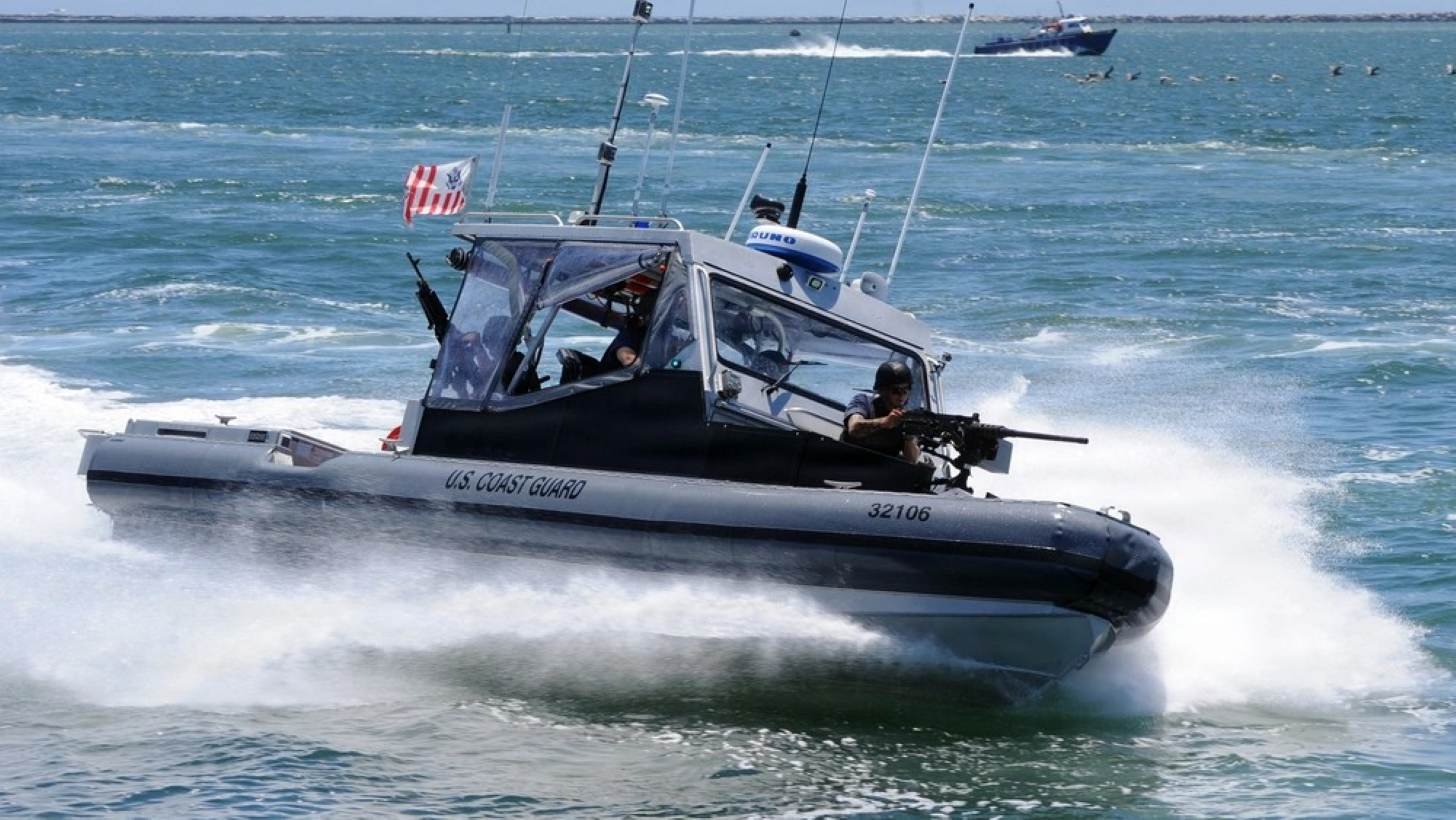
The personnel increase would support four additional Tactical Law Enforcement Teams, or TACLETs, according to the service. Those teams, in existence since the 1980s, specialize in maritime interdiction and include boarding officers and precision marksmen capable of disabling suspect vessels by firing on engines from helicopters.
Congressional reports have previously identified more than a dozen TACLETs based in California and Florida, with roughly 230 members in total. The budget proposal also calls for new boat crews and direct-action sections within Maritime Safety and Security Teams and Maritime Security Response Teams, each of which has been reported to have more than 300 personnel.
Demand rising across drug and migration missions
The Coast Guard said Deployable Specialized Forces have been used increasingly for cocaine interdiction under Operation Pacific Viper, as well as immigration enforcement off coastal California and along the Rio Grande River. Service officials also said the units have deployed aboard Navy ships and worked with Marine Corps elements over the past year.
Many of these teams were created after the Sept. 11, 2001, attacks as counterterrorism units. Their current use has increased sharply under President Donald Trump’s policy of treating drug cartels as terrorist organizations. The Coast Guard describes some of its boarding teams as capable of seizing self-propelled semi-submersibles used to transport cocaine and conducting fast-rope boardings onto large commercial vessels at sea.
Pentagon support and scrutiny of operations
Deployable Specialized Forces have also supported the Defense Department’s Operation Southern Spear, launched in 2025 to disrupt what the administration calls “narco-terrorist networks.” The operation has included strikes on suspected drug-trafficking boats.
Those actions have drawn criticism from advocacy groups. Nonprofit monitors say the strikes have killed nearly 200 people. Human Rights Watch has called the deaths extrajudicial killings, while the ACLU has argued the strikes are unlawful. The administration has continued to frame the effort as part of a broader campaign against cartel-linked trafficking networks.
Wider Coast Guard funding request
Beyond the specialized-forces expansion, the administration’s fiscal 2027 request seeks a broader $2.1 billion increase for the Coast Guard. Budget documents say that funding would support new aircraft, new vessels, and infrastructure improvements.
If approved, the specialized-forces initiative would mark one of the service’s most significant recent efforts to consolidate and expand units built for high-risk interdiction, port s...
Recommended Comments