




-
TL;DR: Russia is preparing to resume nuclear weapons testing, focusing on subcritical and potentially low-yield underground detonations at Novaya Zemlya to counter any U.S. move to restart tests. Efforts target modernization of strategic missiles and novel warhead designs, including advanced hypersonic and "exotic" systems like nuclear-powered cruise missiles and underwater vehicles. This shift follows Russia’s 2023 de-ratification of the CTBT and rising American rhetoric on testing, heightening risks of arms control erosion and global strategic instability.
Russia Initiates Formal Preparations for Potential Nuclear Weapons Tests
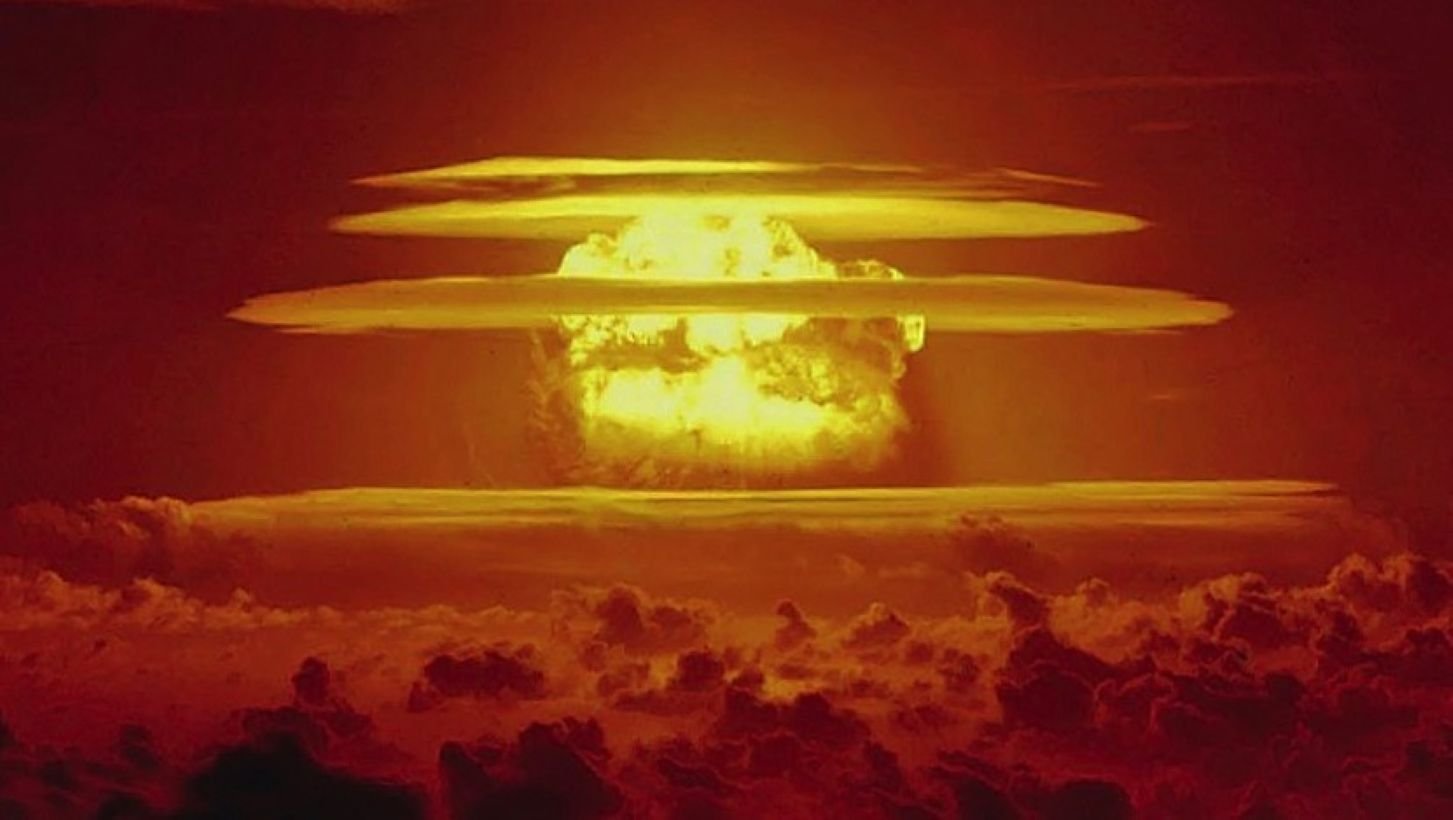
In a pivotal move that echoes the geopolitical tensions of the Cold War era, the Kremlin has instructed a consortium of ministries and agencies to develop concrete proposals for resuming nuclear weapons testing. The directive, issued on November 5, 2025, underscores Russia’s intent to respond in kind should another nuclear power, notably the United States, resume nuclear detonations—a prospect that now looms over global arms control.
Strategic Readiness at Novaya Zemlya
At the heart of Russia’s preparations is Novaya Zemlya, the historic Arctic test site synonymous with Soviet-era nuclear experimentation. Defense Minister Andrei Belousov, addressing the Russian Security Council, cited the site’s high operational readiness and noted that the infrastructure could be activated with minimal notice. Such readiness supports a flexible spectrum of testing activities, from subcritical, zero-yield experiments to assess modern warhead components to fully contained underground tests of updated missile systems. This dual-capability posture, officials stress, is designed to mirror any shift in U.S. policy and serves as a warning that Russia stands ready to re-enter the nuclear testing arena should global moratoria erode.
Modernization and Technical Benchmarks
While emphasizing a reactive strategy, Moscow’s technical ambitions go beyond mere demonstration. Should nuclear testing resume, initial Russian efforts are likely to focus on subcritical experiments—critical for stockpile maintenance and warhead modernization without violating the threshold of explosive yield. Such diagnostics would stress-test plutonium pits and validate novel components, shoring up Russia’s deterrent while remaining technically and politically distinct from overt detonations.
Further escalation could see Russia advance to low-yield, fully contained underground shots to credential new or refurbished warhead designs. Weapon systems under scrutiny could include reentry vehicles for silo- and mobile-launched ICBMs (such as Yars and Sarmat), submarine-launched missiles like Bulava, and advanced hypersonic platforms such as Avangard. Analogous attention may be given to Russia’s tactical arsenal, with testing scenarios designed to validate emerging, lower-yield options for adaptable, regional deterrence.
Spotlight on “Exotic” Nuclear Capabilities
Recent official statements have also amplified Russia’s focus on unconventional weaponry. High-profile programs such as the 9M730 Burevestnik nuclear-powered cruise missile and the Poseidon underwater nuclear vehicle are framed as strategic counterweights to Western missile defenses. While these categories do not currently require explosive testing to further non-nuclear aspects of their development, any decision to validate their warhead designs might necessitate uniquely tailored underground detonations, complicating detection, attribution, and arms control verification efforts.
Evolving Legal and Political Calculus
The immediate impetus for Russia’s renewed preparations stems from intensifying U.S. rhetoric. Public remarks from former President Donald Trump regarding the possible resumption of American nuclear testing, along with subsequent equivocations, have been met with apprehension in Moscow. Russia, which formally de-ratified the Comprehensive Nuclear-Test-Ban Treaty (CTBT) in 2023, has sought to establish “parity” with the United States—a signatory that never ratified the treaty. This legal maneuvering, coupled with the Kremlin’s insistence that its own testing would only follow external precedent, is reshaping the strategic landscape.
Global Security Implications
Russia’s consolidation of political will and technical readiness signals a moment of heightened vulnerability for international nuclear norms. Should one nuclear state reignite testing, there is a pronounced risk of a cascading destabilization of the arms control regime. The world now faces the uncomfortable prospect that nuclear risk, long managed through restraint and verification, may once again dominate security calculations. Allied reassurance, diplomatic crisis management, and global nonproliferation efforts now hang in the balance, as a new phase of strategic competition threatens to emerge.
Recommended Comments