




-
TL;DR: Sweden will deploy about 100 personnel and a Patriot air-and-missile defence unit under NATO command to protect the Rzeszów logistics hub in southeastern Poland, through which most military aid to Ukraine passes. Beginning in December 2026, Sweden’s first Patriot mission for NATO will strengthen layered defences against aircraft, drones and missiles, with a possible extension into 2027.
Sweden to Deploy Patriot System to Poland
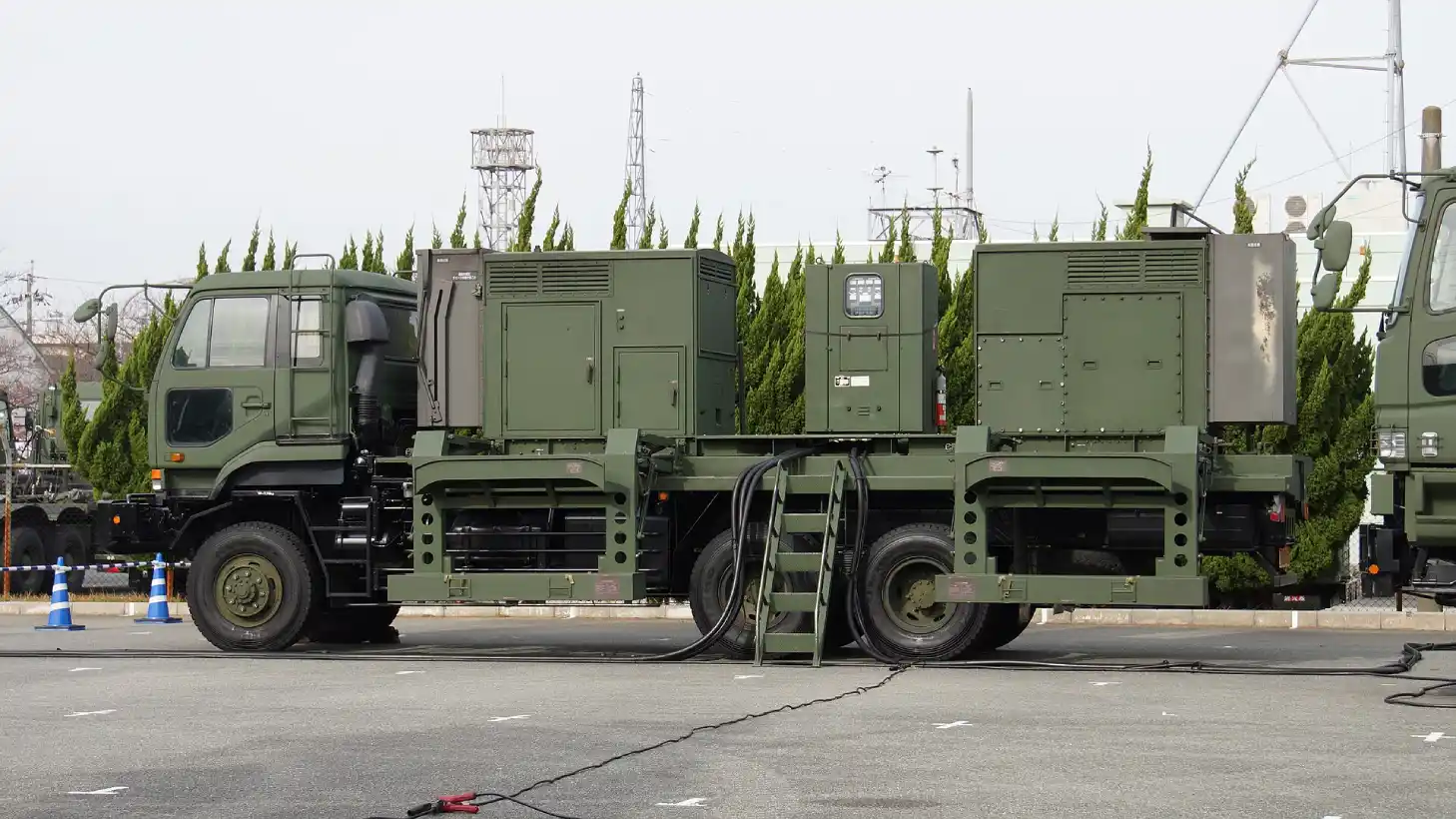
Sweden will deploy a Patriot air-and-missile defence unit to south-eastern Poland to protect NATO’s logistics hub in Rzeszów, a major transit point for military and civilian assistance to Ukraine.
The Swedish Government and Armed Forces confirmed the mission on 6 October 2026. Deployment is scheduled to begin in early December and continue through the end of 2026, with preparations underway for a possible extension during the first half of 2027.
Around 100 personnel from Sweden’s Air Defence Regiment, supported by the Blekinge Air Wing, are expected to operate the system under NATO command. It will be Sweden’s first Patriot deployment as part of a NATO operation.
Protecting a Key Supply Route
Rzeszów-Jasionka is central to the network used to deliver weapons, ammunition and other supplies to Ukraine. Poland’s Defence Ministry said in September that more than 80 percent of military donations for Ukraine pass through Poland.
In late 2025, NATO reported that its Security Assistance and Training for Ukraine logistics hub was handling approximately 18,000 tonnes of materiel each month for onward delivery to the Ukrainian Armed Forces.
The deployment is intended to help protect the airfield, transport routes, logistics infrastructure and command facilities supporting those operations. These sites may face threats from long-range precision weapons even though they are located away from the active front.
Part of a Layered Defence Network
The Swedish unit will join an existing multinational air-defence structure around Rzeszów rather than operate as a stand-alone system. Polish authorities have described the area’s protection as an integrated shield combining Allied Patriot systems with Poland’s Mała Narew units, which use CAMM missiles.
NATO’s integrated air-and-missile defence policy calls for short-, medium- and long-range systems to work together against threats including unmanned aircraft, crewed aircraft, cruise missiles, ballistic missiles and hypersonic weapons.
Adding another Patriot unit can provide greater redundancy and more engagement options when responding to attacks involving different weapons, directions and speeds. Shorter-range systems can be assigned to lower-end threats, while Patriot interceptors remain available for aircraft and missiles capable of causing extensive damage to critical infrastructure.
System and Interceptor Capabilities
Sweden designates its Patriot capability as Luftvärnssystem 103. The system can employ GEM-T and PAC-3 Missile Segment Enhancement interceptors. Sweden’s procurement authority describes the PAC-3 MSE as optimized for ballistic-missile defence.
Stockholm has not disclosed which interceptor types or combination of missiles will accompany the unit to Poland. Patriot is designed to counter threats beyond one-way attack drones, including cruise and ballistic missiles.
A layered network is also intended to address mixed or saturation attacks that combine drones and missiles to strain sensors, command systems and interceptor stocks. NATO policy emphasizes coordinated detection, decision-making and engagement against salvos arriving from multiple directions.
Broader Swedish Contribution
Sweden is also contributing Gripen fighters to NATO operations over Poland. The fighter deployment and the Patriot mission provide both airborne and ground-based defensive elements within the Alliance’s wider posture on its northeastern flank.
Moving a limited, high-end air-defence asset outside Swedish territory places Swedish personnel and equipment directly within NATO’s command structure for the defence of another member state. The mission will support the protection of assistance routes into Ukraine while reinforcing NATO logistics and infrastructure in Poland.
Recommended Comments