




-
TL;DR: Trump ordered the Navy to restore steam catapults and hydraulic elevators on future Ford-class carriers and develop plans within 120 days for a fifth public shipyard and submarine component repair center. Replacing EMALS on the nearly half-built Doris Miller could require extensive redesign, supplier investment, and added cost and delays, while expanding maintenance capacity will also depend on recruiting a sufficient workforce.
Carrier Systems Ordered Back to Steam
President Donald Trump has signed a National Security Presidential Memorandum directing the Navy to return to steam-powered aircraft catapults and hydraulic aircraft elevators on Ford-class carriers. The order also calls for a fifth public shipyard and a new component repair center intended to reduce submarine maintenance delays.
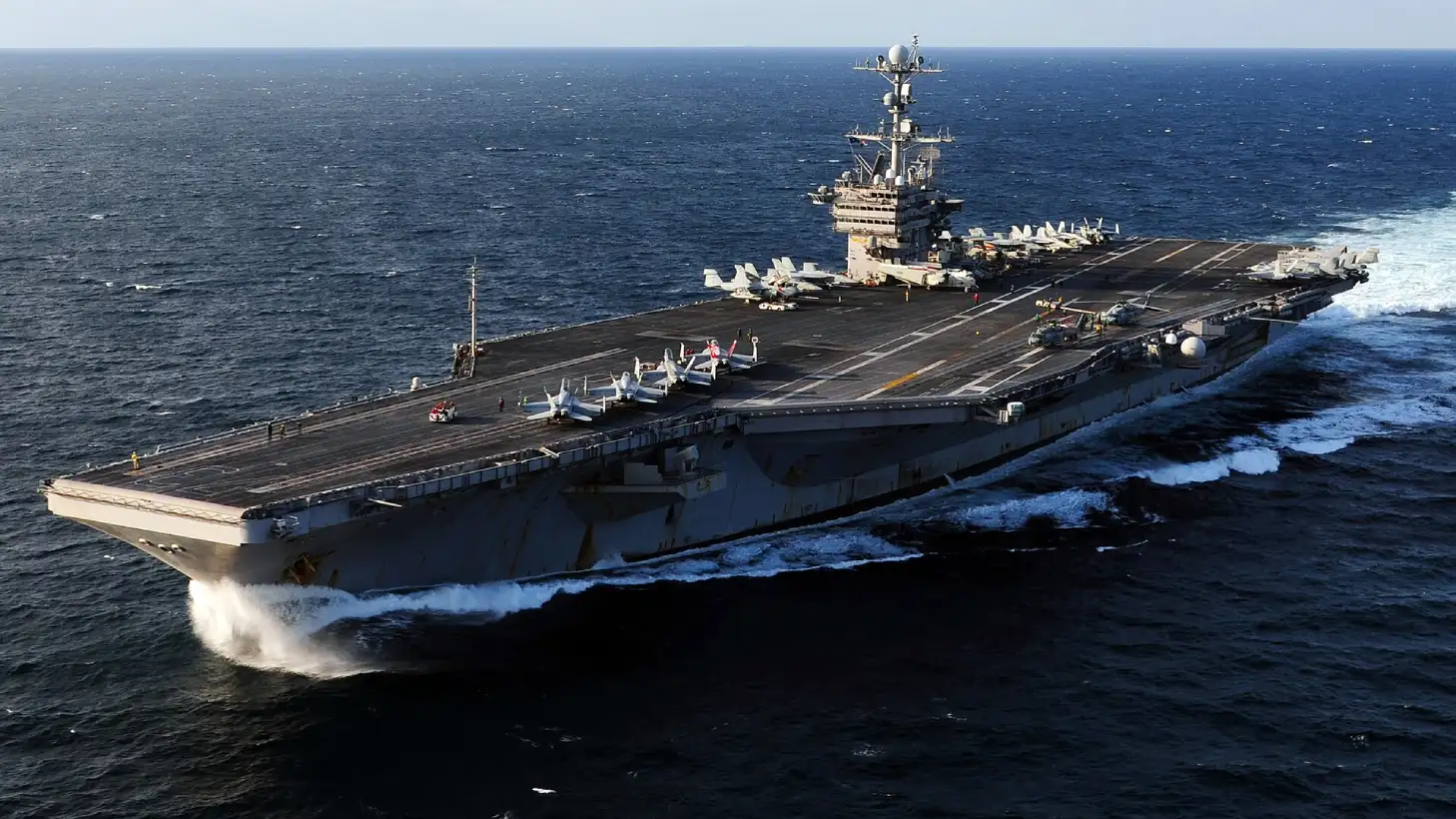
The carrier provisions apply to ships such as the future Doris Miller, now under construction at HII’s Newport News Shipbuilding. They would replace the class’s Electromagnetic Aircraft Launch System, or EMALS, with traditional steam catapults and use elevator hydraulics similar to those aboard Nimitz-class carriers.
The USS Ford, the first ship in its class, currently uses EMALS to launch aircraft. Trump previewed the policy aboard the aircraft carrier George Washington in October, saying future carriers would use “steam for the catapults” and “hydraulic for the elevators.”
Cost and Schedule Concerns
General Atomics, which builds EMALS, said changing the Doris Miller’s launch system warrants reconsideration because production is nearly halfway complete.
“With nearly 50% of production complete, changing course now would introduce significant cost, schedule, and integration risks,” the company said. It also warned of broader effects on carrier readiness, technological capabilities, workforce stability and the supplier base.
Bryan Clark, director of the Hudson Institute’s Center for Defense Concepts and Technology, said Ford-class carriers use electricity for functions that relied on steam aboard earlier classes, including cooking, heating and water purification, as well as catapults and arresting gear.
Restoring steam lines for the catapults would therefore require an extensive redesign, Clark said. He also noted that the Navy has not purchased a steam catapult in more than 20 years, meaning suppliers may need substantial investment and time to restart production.
Fifth Public Shipyard Proposal
The memorandum directs Defense Secretary Pete Hegseth to submit a carrier and submarine readiness plan within 120 days. The proposal must examine expanded use of the private sector and the establishment of an additional public shipyard.
The fifth yard plan must provide enough drydock capacity to support projected growth in the fast-attack submarine fleet over the next two decades. Potential locations are to be near the U.S. Pacific Fleet and may include the continental United States, Alaska, Hawaii and U.S. territories.
Site options must consider as many as three new drydocks capable of accommodating every current and projected submarine class. The report must also address construction schedules, resource requirements, and financing options, including public-private partnerships.
Existing Maintenance Network
The United States currently operates four public shipyards in Virginia, Maine, Washington, and Hawaii. Although private yards also maintain military vessels, the public facilities typically conduct major overhauls and modernization work on the Navy’s nuclear-powered submarines and aircraft carriers.
Office of Management and Budget Director Russ Vought said in June that the administration was “pushing hard for an additional public shipyard” to support a growing fleet. He said private maintenance contracts would continue, but argued that sufficient public capacity was necessary to operate at scale.
Workforce and Repair Capacity
Chief of Naval Operations Adm. Daryl Caudle said in April that the Navy had been examining a fifth public shipyard, while cautioning that construction alone would not resolve maintenance constraints.
“A new yard is expensive, and so is that infrastructure worth it if I can’t get the workforce there?” Caudle said, pointing to questions about recruiting and sustaining enough personnel to operate another facility.
The memorandum’s separate component repair center is also intended to address submarine repair delays, though further details about its location, cost, and timeline were not provided.
Recommended Comments