




-
TL;DR: U.S. approved over $16 billion in emergency Foreign Military Sales—including an $8B LTAMDS radar for Kuwait and roughly $8.4B in long‑range radar, counter‑drone systems, missiles and F‑16 upgrades for the UAE, plus $70.5M to Jordan—waiving congressional review after Iranian missile and UAV strikes depleted allies’ munitions and killed U.S. troops. Gulf states are also seeking Ukrainian low‑cost interceptor drone expertise (Kyiv touts large production capacity but controls exports), while U.S. and global firms race to scale similar systems, reshaping a fast‑moving air‑defense market driven by persistent regional threats.
US Approves $16B in Emergency Air Defense Sales to Middle East Allies
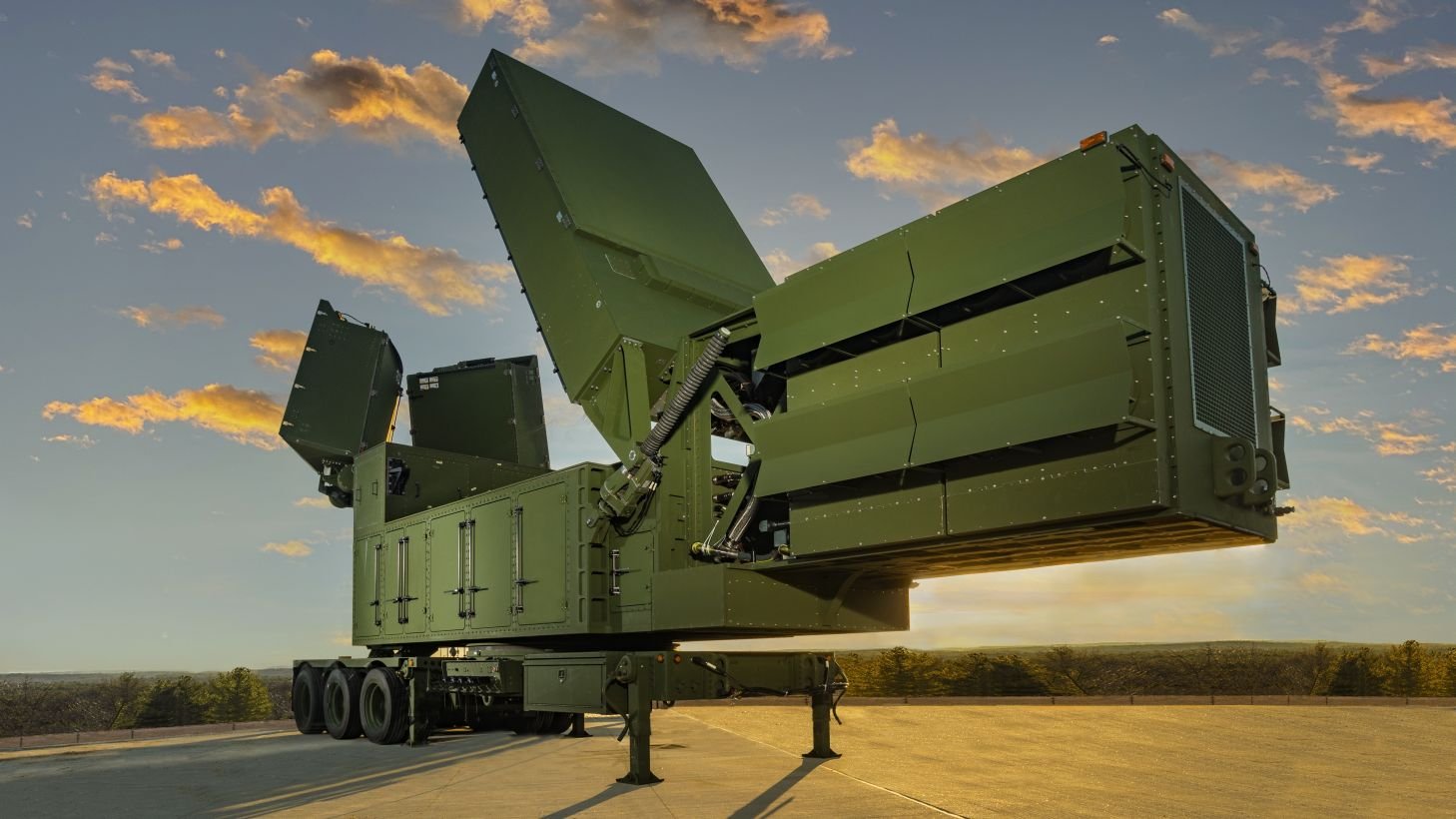
The United States has approved more than $16 billion in proposed “emergency” Foreign Military Sales to Middle Eastern partners, citing urgent security needs as regional allies contend with Iranian missile and drone attacks. The largest packages include $8 billion in radar systems for Kuwait and $8.4 billion in air defense equipment for the United Arab Emirates (UAE).
According to State Department notices, the Secretary of State determined that an emergency exists requiring immediate sales in the national security interests of the United States, thereby waiving standard congressional review requirements.
Major Radar and Missile Packages Detailed
Kuwait’s proposed $8 billion package centers on the Lower Tier Air and Missile Defense Sensor (LTAMDS) radar and associated equipment designed to enhance detection and tracking of aerial threats.
The UAE package totals approximately $8.4 billion and includes a $4.5 billion long-range radar system intended to integrate with Terminal High Altitude Area Defense (THAAD) systems. Additional components include $2.1 billion in counter-drone systems, $1.2 billion in air-to-air missiles, and $644 million in F-16 munitions and upgrades.
Jordan is slated to receive a smaller $70.5 million package focused on aircraft repair services and spare parts.
Iranian Attacks Drive Urgency
The emergency determinations follow a surge in Iranian missile and unmanned aerial vehicle (UAV) strikes targeting US partners in the region after large-scale US and Israeli military operations against Tehran last month.
Kuwait reported the deaths of six American soldiers in a drone strike on a US command center. The UAE has also faced repeated attacks, with its Ministry of Defense stating it engaged seven missiles and 15 UAVs in a single day. Officials say the proposed sales aim to replenish expended munitions and strengthen layered air defenses against continued threats.
Gulf States Seek Ukrainian Counter-Drone Expertise
Beyond US systems, several Gulf nations are exploring counter-drone solutions from Ukraine, whose forces have developed extensive experience defending against Iranian-designed Shahed drones used by Russia.
Ukrainian manufacturers report receiving numerous inquiries through government and private channels. President Volodymyr Zelenskyy recently said Kyiv dispatched teams to Middle Eastern countries to demonstrate air defense technologies, emphasizing that both funding and technological partnerships are critical as Ukraine sustains its defense industrial base.
Ukraine has built a layered air defense ecosystem that pairs relatively low-cost interceptors with inexpensive threats, avoiding reliance on high-cost systems such as Patriot missiles for every engagement. Interceptor drones—often modified first-person-view designs—have evolved to counter Shahed-type UAVs at speed and scale.
Oleksandr Syrskyi, Ukraine’s commander-in-chief, reported 6,300 interceptor drone sorties in February alone. Zelenskyy stated Ukraine could produce up to 2,000 interceptor drones per day, with roughly half required domestically.
Export Controls and Market Competition
Despite strong foreign interest, Ukrainian arms exports remain subject to government authorization under wartime controls. Industry representatives indicate that while inquiries are frequent, approvals rest with Kyiv.
Analysts note that global competitors, including US manufacturers, are developing similar capabilities. The United States has already delivered 10,000 Merops drones—developed under a project linked to former Google CEO Eric Schmidt—to support infrastructure defense in the Middle East.
Observers caution that the current demand surge may be temporary as other producers expand output. Nonetheless, the combination of emergency US sales and emerging Ukrainian technology underscores a rapidly evolving air defense market shaped by persistent missile and drone threats across the region.
Recommended Comments