




-
TL;DR: The U.S. Army’s 2nd Brigade Combat Team, 1st Infantry Division, is deploying to Lithuania to replace an outgoing unit and maintain a continuous rotational presence under Operation Atlantic Resolve. The force is expected to include at least 1,000 troops, reinforcing NATO’s eastern flank amid increased Russian and Belarusian activity even as the United States reduces its overall troop presence in Europe.
Army Brigade Deploying to Lithuania
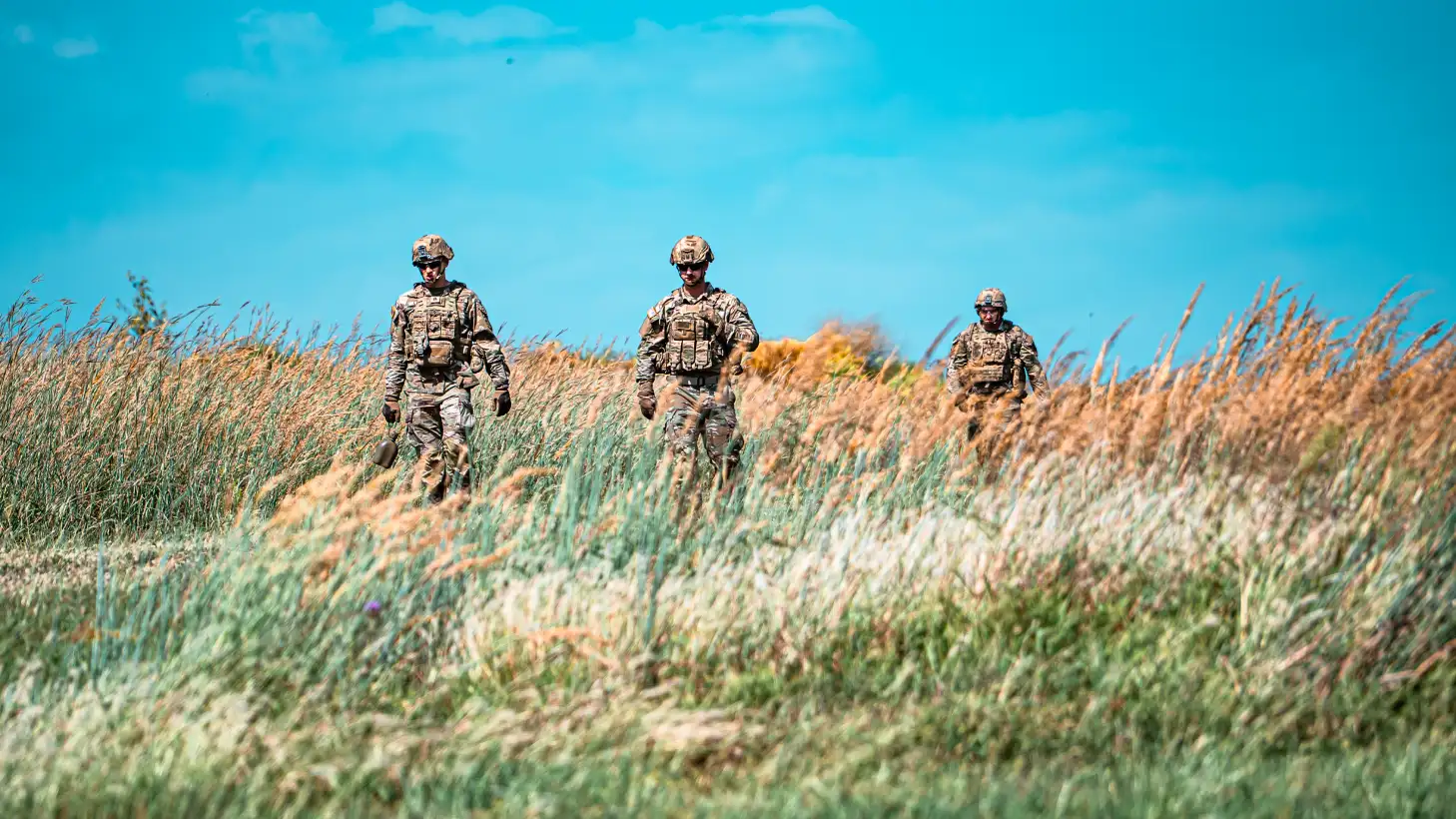
Soldiers from the 2nd Brigade Combat Team, 1st Infantry Division, are deploying to Lithuania as the United States continues rotational deployments along NATO’s eastern flank.
The unit will replace the 1st Brigade Combat Team, 1st Armored Division, according to an Army news release issued in August. The scheduled rotation is part of Operation Atlantic Resolve, the U.S. effort to maintain forces in Europe and reinforce NATO allies.
Lithuanian President Gitanas Nausėda said Tuesday that the incoming rotation was already traveling to the country. His office said the force would be no smaller than the previous rotation, which included more than 1,000 troops, but Lithuania had not received a final number from Washington.
Rotation Size and Mission
U.S. European Command confirmed that Army units were continuing routine deployments to Lithuania but declined to disclose the number of troops, citing operational security.
“Routine rotations demonstrate commitment to NATO, ensuring Allied forces are optimally positioned to deter aggression,” a command official said.
The size and composition of individual rotations can vary according to training requirements, the introduction of new equipment by allies and broader U.S. force needs across Europe. European Command said such adjustments do not reduce the overall U.S. military capability assigned to the continent.
The incoming soldiers will continue a presence that has regularly brought battalion-sized Army formations to Lithuania since 2019. Following Russia’s full-scale invasion of Ukraine in 2022, the United States shifted to continuous rotational deployments in the country.
Security Concerns on NATO’s Eastern Flank
The deployment comes amid concern in Lithuania and other NATO countries about Russian military and hybrid activity. Lithuania has revised its civilian evacuation plans, while Belarusian forces have conducted military exercises near the Lithuanian border.
NATO has also responded to a series of Russian drone and airspace incidents in the region. Alliance military leaders said Russian airspace violations, drone activity and other hybrid incidents had increased in recent weeks and months, although NATO officials have said they do not see an imminent threat of attack.
Lithuania borders Belarus and Russia’s Kaliningrad territory. The entire country lies less than 150 miles from Russia, placing it near military activity associated with both Moscow and Minsk.
Wider U.S. Force Changes in Europe
The Lithuania rotation is proceeding as the United States reduces its overall troop presence in Europe. Gen. Alexus Grynkewich, commander of U.S. European Command and NATO’s top military commander, said in May that 5,000 U.S. troops would leave Europe, including an armored brigade that will not be replaced.
Grynkewich said improving military capabilities among NATO members allows the United States to redirect forces toward other priorities. Those allied investments include a German brigade in Lithuania.
Despite the broader reduction, the Army’s recurring rotations to Lithuania remain in place under Operation Atlantic Resolve, maintaining a continuous U.S. ground presence in the country.
Recommended Comments