




-
TL;DR: The United States and Ukraine aim to begin refurbishing and newly manufacturing S-300-compatible air-defense missiles by late 2026, with projected output of 100–300 rounds annually. The effort would reactivate more of Ukraine’s existing S-300 infrastructure and reserve scarce Patriot interceptors for ballistic threats, though production will remain limited relative to Ukraine’s needs.
Joint S-300 Effort Targets Late 2026
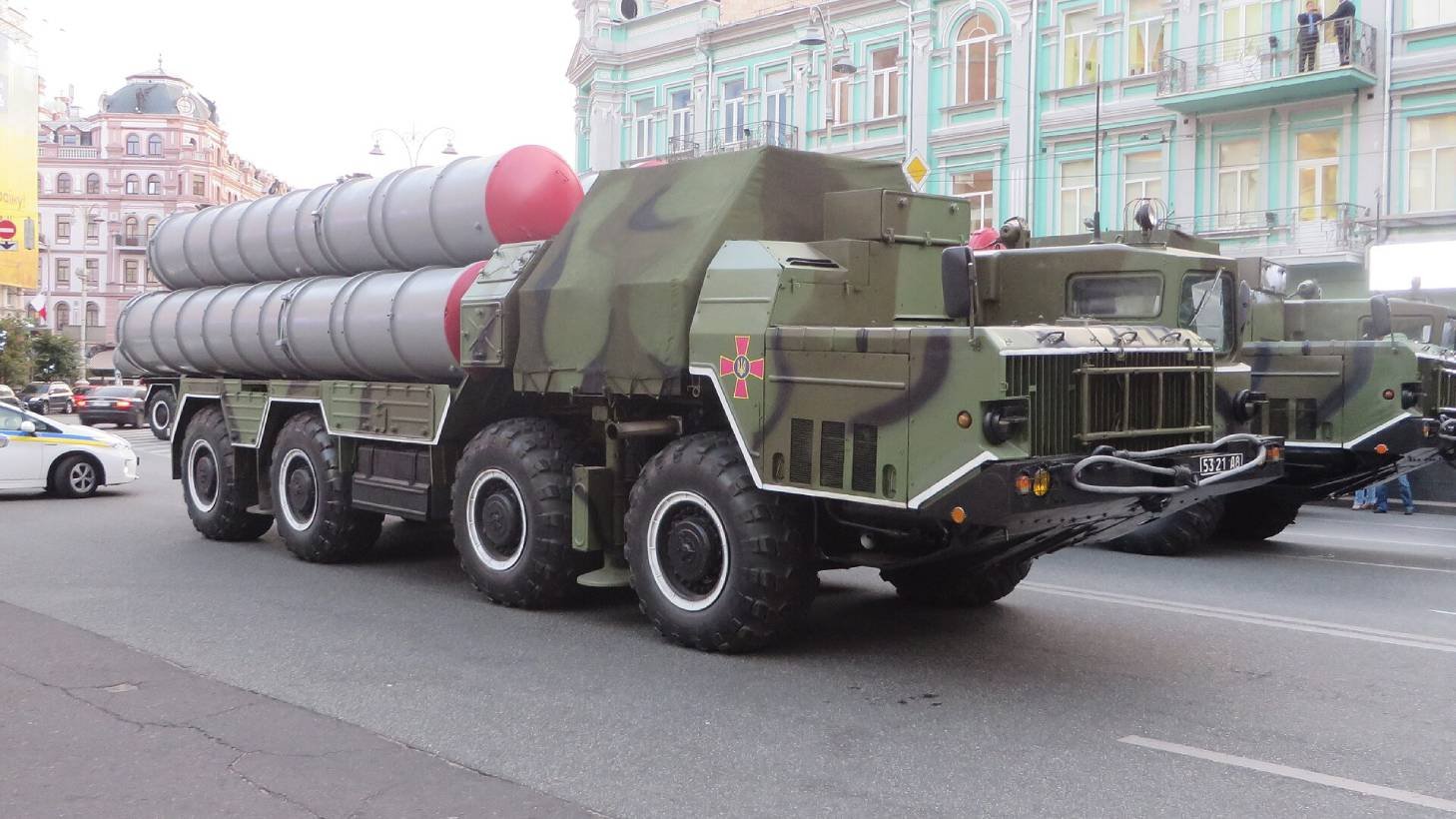
The United States and Ukraine are working to restore and expand Ukraine’s supply of S-300 air-defense missiles, retired U.S. Army Col. Robert Hamilton said on PBS. The initiative covers refurbishment of existing interceptors and development of a newly manufactured missile compatible with surviving S-300 launchers, radars and fire-control systems.
Initial operational capability is targeted for late 2026. Estimated annual output ranges from about 100 to several hundred missiles, equivalent to roughly eight to 25 rounds per month if production reaches 100–300 annually.
The project is intended to return more of Ukraine’s S-300 infrastructure to sustained service and reduce the use of scarce Patriot interceptors against aircraft, cruise missiles and other targets that older systems can engage.
Patriot Inventories Drive Demand
Hamilton estimated that the United States held about 2,330 Patriot missiles before the conflict with Iran and approximately 800 afterward, a reduction of about 1,530 interceptors. Current U.S. production is about 600 missiles annually, while Germany and Japan also manufacture Patriot missiles under license at lower rates.
A $58 billion expansion is intended to raise annual production to approximately 2,000 missiles. However, the first interceptors associated with that expansion are not expected until early 2029, with contract execution continuing through 2032.
Ukraine has received about 600 Patriot interceptors over 4.5 years of war, according to Hamilton. An S-300-compatible line producing 100–300 missiles annually would not replace Patriot, particularly for ballistic-missile defense, but could preserve higher-tier interceptors for targets such as Iskander-M and Kinzhal missiles.
Refurbishment and New Production
One engineering path involves restoring older S-300 rounds by replacing motors, electronics, seals, guidance components and other life-limited parts. The second would produce a new interceptor that functions with the S-300’s existing mechanical, electrical and command interfaces.
Ukraine has prior experience with this work. Ukrainian industry was repairing 5V55 missiles and testing a domestically produced replacement for the original 48D6 solid-fuel motor by 2020. Ukroboronservice has conducted S-300 repairs and service-life extensions since 2004.
Washington also possesses S-300 equipment acquired for evaluation during the 1990s, including S-300P and S-300V components. That hardware can support interface and compatibility testing without removing Ukrainian combat systems from service.
Missiles and Existing Infrastructure
Much of Ukraine’s prewar S-300PT/PS force used the 5V55 family. The 5V55K has an effective range of about 47 km, while the 5V55R reaches approximately 75 km. The later 48N6 has a nominal range of about 150 km.
Ukraine entered 2022 with roughly 25–30 S-300PT/PS battalions in varying condition. Even an annual output of 300 missiles would therefore remain limited relative to the size of the original force, making concentrated allocation to operational batteries and priority areas more practical than equal distribution.
The program was under development before Hamilton’s disclosure. In September 2024, then-U.S. Defense Secretary Lloyd Austin said the United States, Ukraine and several European companies were developing substitutes for the S-300 surface-to-air missile and R-27 air-to-air missile.
A Layered Air-Defense Structure
The S-300 project forms part of a broader effort to assign different target classes to different systems. Patriot and PAC-3 MSE interceptors remain focused on ballistic missiles and other demanding threats, while SAMP/T adds long-range coverage. France plans to transfer two SAMP/T batteries to Ukraine in 2026.
FrankenSAM projects have also adapted Soviet-origin systems to Western ammunition, including Buk-M1 launchers modified for RIM-7 Sea Sparrow missiles and configurations using AIM-9M Sidewinders. Norway allocated slightly more than NOK 500 million, about $45 million, in December 2025 for S-300 missile procurement while compatible local production is developed.
Recommended Comments