




-
TL;DR: USS Abraham Lincoln and Carrier Strike Group 3 arrived in Guam on September 19, 2026, for resupply and maintenance after nearly seven months in the Middle East. The brief stop returns the group to U.S. 7th Fleet operations in the Indo-Pacific and gives personnel their first liberty on U.S. soil in nine months before routine regional operations resume.
Abraham Lincoln Arrives in Guam
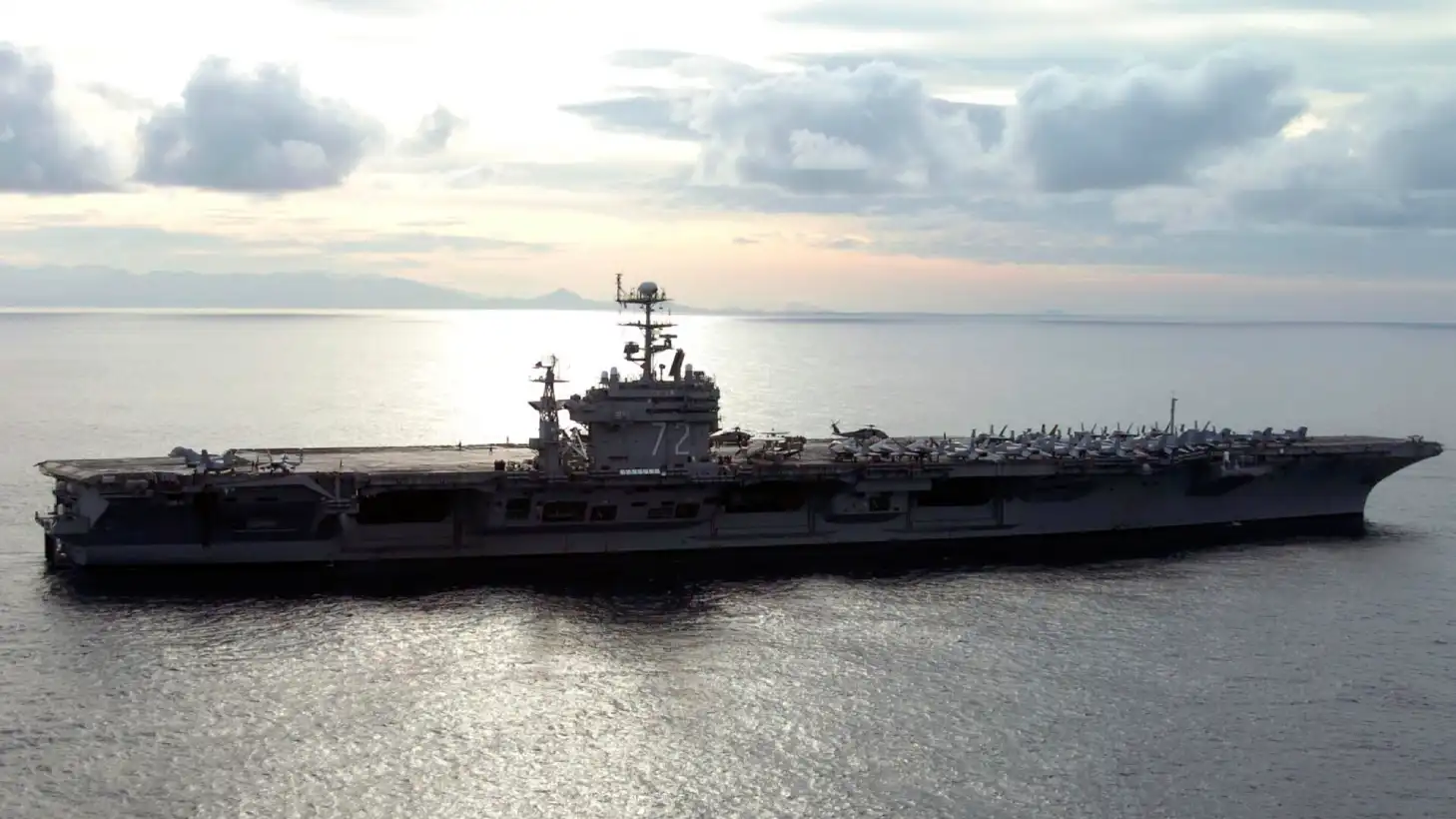
The Nimitz-class aircraft carrier USS Abraham Lincoln (CVN 72) arrived at Naval Base Guam on September 19, 2026, for a brief logistics stop after nearly seven months of operations in the U.S. Central Command area.
The visit marks Carrier Strike Group 3’s return to the Indo-Pacific and the U.S. 7th Fleet area of operations. The strike group is expected to resume routine operations in the region rather than conclude its deployment in Guam.
The stop is also the first return to American soil in nine months for Carrier Strike Group 3 personnel, who are being given on-base liberty during the visit.
Strike Group Units
Abraham Lincoln, the flagship of Carrier Strike Group 3, arrived with the Arleigh Burke-class guided-missile destroyer USS Frank E. Petersen Jr. (DDG 121). The embarked staffs of Carrier Air Wing 9 and Destroyer Squadron 21 are also part of the formation.
Carrier Air Wing 9 provides the group’s carrier-based aviation capabilities, while Frank E. Petersen Jr. contributes air-defense, surface-warfare and escort capabilities. Together, the units form a carrier force designed to conduct sustained operations across wide geographic areas.
Before reaching Guam, Abraham Lincoln and Frank E. Petersen Jr. made separate port visits to Laem Chabang and Si Racha, Thailand, from September 2 to 6. Both ships had previously visited Guam in December 2025 before beginning their extended period in the Central Command region.
Guam’s Logistics Role
Guam provides a U.S.-controlled location for replenishment, maintenance support and readiness work without requiring the strike group to leave the broader Indo-Pacific theater. Supporting a carrier formation requires fuel, stores, spare parts, equipment and maintenance services for the carrier, its aircraft and accompanying surface ships.
The island’s location and military infrastructure allow the Navy to sustain forward-deployed forces deep in the Western Pacific. U.S. Pacific Fleet describes Guam as an important center for command and control, logistics and power projection, as well as a base for supporting responses to regional crises.
Although the Navy characterized Abraham Lincoln’s visit as brief, the stop enables the strike group to restore supplies and address maintenance needs during its transition between operational theaters.
Supporting Carrier Operations
Guam has regularly supported carrier strike groups operating in the Western Pacific. Recent visits have included formations centered on USS Carl Vinson and USS Nimitz, as well as Abraham Lincoln’s December 2025 stop.
During the Carl Vinson Carrier Strike Group’s March 2025 visit, the Navy highlighted Guam’s capacity to provide ships with supplies, maintenance parts and equipment. Such support helps carrier groups remain operational thousands of miles from the continental United States.
Aircraft, weapons, sensors and escort ships provide a carrier strike group’s combat capabilities, but continued deployment depends on a logistics network able to sustain ships, crews and aviation units over long distances.
Return to 7th Fleet Operations
Carrier Strike Group 3’s movement from the Middle East through Southeast Asia to Guam demonstrates the Navy’s ability to reposition a major naval formation between theaters while maintaining readiness.
U.S. 7th Fleet is the Navy’s largest forward-deployed numbered fleet and provides the command structure for persistent naval operations across the region. With Abraham Lincoln back in its area of operations, Guam is serving as a forward sustainment point as the strike group continues its Indo-Pacific deployment.
Recommended Comments