




-
TL;DR: The USS Harry S. Truman Carrier Strike Group completed an intensive eight-month deployment in the Middle East, conducting 11,000 sorties and playing a key role in Operation Rough Rider against Houthi forces and ISIS targets in Yemen and Somalia. The deployment featured one of the Red Sea’s most intense naval battles, where a friendly-fire incident led to the loss of a Super Hornet, and was further challenged by a collision near Port Said that prompted leadership changes and emergency repairs. Despite these setbacks, the strike group demonstrated resilience and operational prowess before returning to Norfolk, underscoring continued U.S. naval commitment to regional maritime security amid evolving geopolitical tensions.
USS Harry S. Truman Carrier Group Returns After Prolonged Combat Deployment
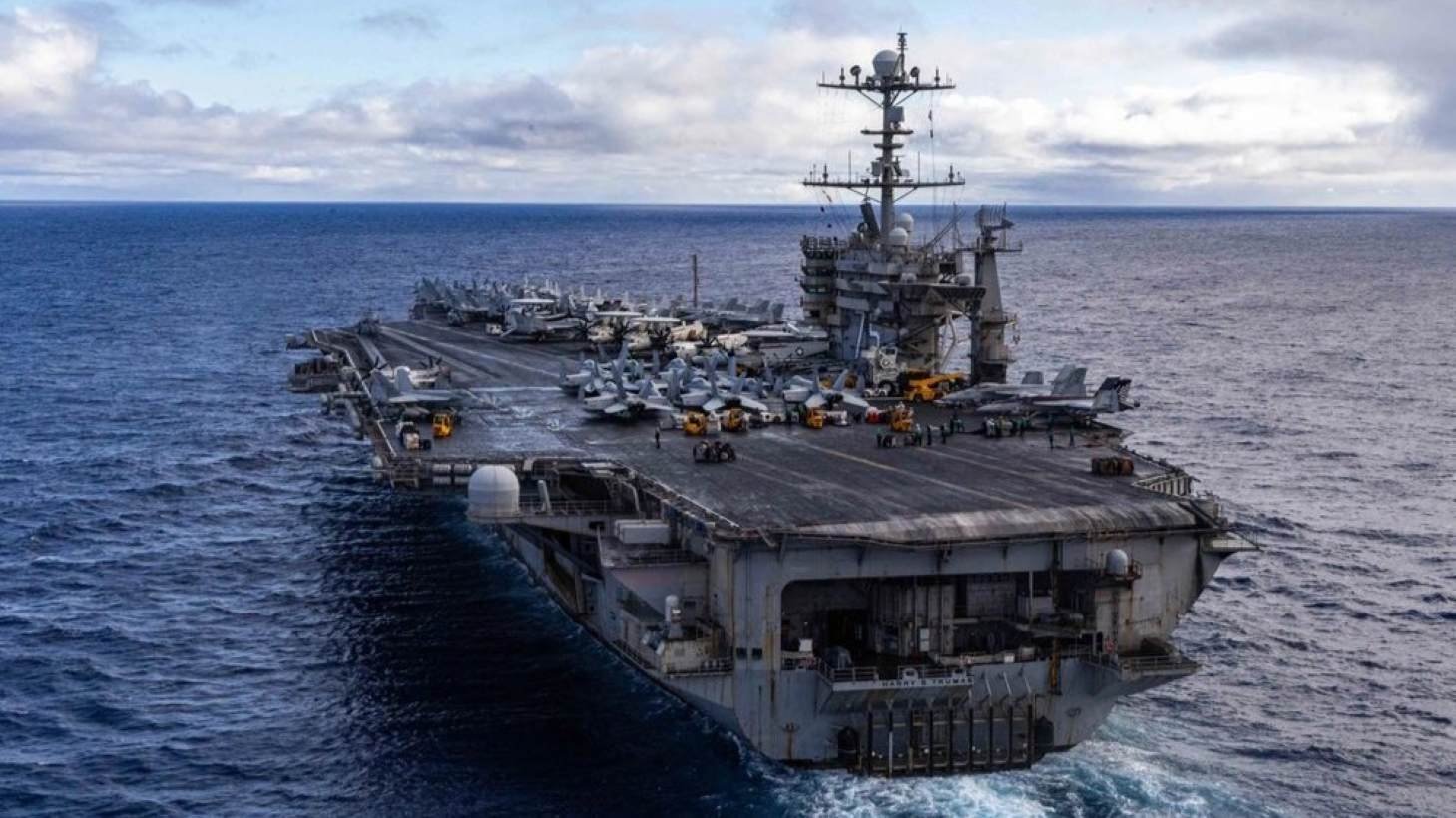
The USS Harry S. Truman and its accompanying strike group have concluded a landmark eight-month deployment, returning to Naval Station Norfolk following intensive combat operations in the Middle East. The deployment, marked by sustained action against Houthi forces and other regional threats, stands out as one of the United States Navy's most significant recent operations.
A Pivotal Role in Middle Eastern Naval Operations
The Truman Carrier Strike Group arrived in the Middle East in December 2024, joining an ongoing multinational effort to secure vital shipping lanes threatened by Houthi missile and drone attacks. The group replaced the USS Abraham Lincoln and immediately integrated into a high-tempo operational environment. Throughout their deployment, the Truman’s sailors and aviators launched approximately 11,000 sorties, amassing 25,000 flight hours and conducting 22 underway replenishments, according to Admiral Daryl Caudle of U.S. Fleet Forces Command.
Their efforts were central to Operation Rough Rider, which involved sustained airstrikes and maritime security missions across Houthi-controlled regions of Yemen. The carrier group was also tasked with broader regional deterrence, reflecting the escalating complexity and range of threats in the area.
Combat Action and Operational Challenges
While the deployment showcased American naval power, it was not without setbacks. Early in the mission, the Truman group participated in one of the most intense naval battles of the Red Sea conflict, with missile and rocket exchanges between U.S. forces and Houthi fighters. During this engagement, the USS Gettysburg mistakenly downed a Truman-based F/A-18F Super Hornet; both crew members survived with minor injuries, marking the only loss of a crewed U.S. aircraft in over 18 months of hostilities.
In addition to their operations in the Red Sea, the air wing executed significant bombing campaigns in Somalia, targeting ISIS positions as regional security challenges expanded.
The deployment was further complicated by a collision with the merchant vessel Besiktas-M near Port Said in February. Repairs necessitated an emergency port call in Greece and resulted in a leadership change, with Captain Christopher Hill assuming command. Additional flight deck incidents, including the loss of a Super Hornet and its tow during maneuvers, tested the resilience of the ship’s crew.
Homecoming and Reflections on Service
The return of the Truman and its strike group was celebrated with emotion and relief in Norfolk, where families reunited after the extended 251-day mission. Banners and the presence of Navy officials underscored the significance of the deployment.
Rear Admiral Sean Bailey, speaking on the ship’s arrival, noted the campaign’s extraordinary demands. “There’s really nothing in comparison because of the tempo of operations, because of the continuous combat that these warriors saw,” Bailey remarked. Captain Hill echoed these sentiments, commending the crew’s determination under trying circumstances.
As the geopolitical dynamics of the Middle East continue to evolve, Truman’s successful return marks the conclusion of a major chapter in U.S. naval operations. With the USS Carl Vinson strike group remaining on station, the Navy continues its mission to uphold maritime security and stability in critical global waterways.
Recommended Comments