




-
TL;DR: Taliban forces claim they carried out a strike on a Pakistani security base while artillery exchanges continued across several Afghan border provinces. The latest clashes suggest the Afghanistan–Pakistan war is entering a sustained escalation phase.
Cross-border shelling and a reported Taliban airstrike mark the latest escalation along the Durand Line
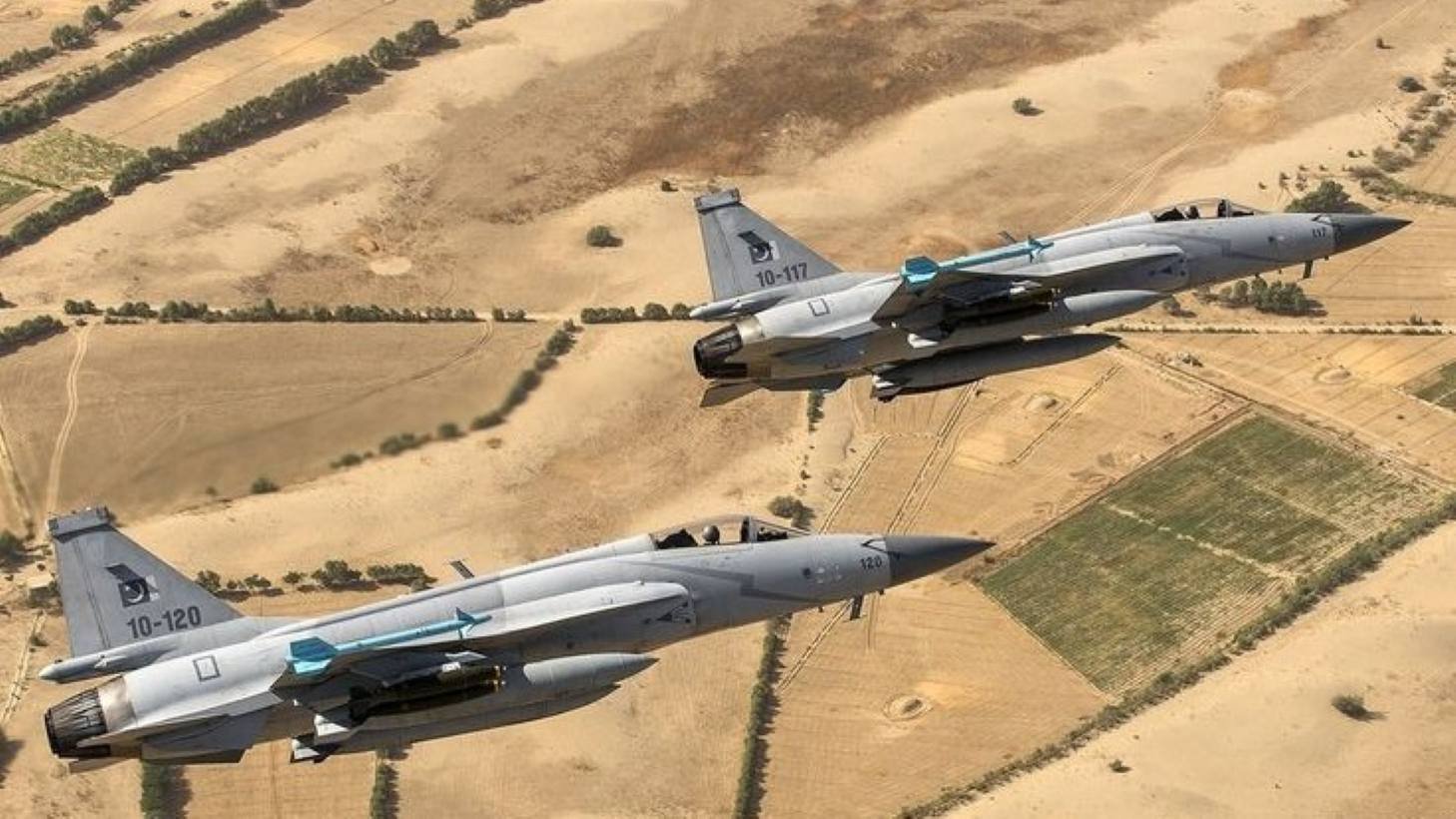
Fighting between Afghanistan and Pakistan intensified over the past 24 hours as Taliban officials claimed responsibility for a strike on a Pakistani security base while heavy shelling continued across multiple sections of the border.
The Taliban government said its forces carried out an attack on a Pakistani Frontier Corps facility near Kuchlak in Balochistan, describing the strike as retaliation for earlier Pakistani air operations targeting militant camps inside Afghanistan. Pakistani officials acknowledged continued clashes along the frontier but have not fully confirmed details of the reported strike.
If confirmed, the operation would represent one of the first Taliban attacks deep inside Pakistani territory since the conflict escalated, marking a significant step beyond the cross-border skirmishes that have defined most of the fighting so far.
Fighting spreads across Afghanistan’s eastern frontier
Taliban defense officials said overnight clashes occurred across at least seven eastern Afghan provinces, including:
-
Kandahar
-
Kunar
-
Nangarhar
-
Khost
-
Nuristan
-
Paktia
-
Paktika
These provinces cover most of Afghanistan’s eastern border with Pakistan along the Durand Line, a disputed frontier that has long been a source of tension between the two countries.
Local officials and residents reported sustained artillery exchanges overnight, with heavy shelling heard across several border districts.
Artillery duels continue along the border
Residents in communities near the Durand Line reported continuous explosions and artillery fire through the night, suggesting both sides are now maintaining active combat positions along sections of the frontier.
Villages near the border have begun emptying as civilians flee the fighting, with residents describing bombardments that continued for hours at a time.
Although clashes along the Afghanistan–Pakistan border are not uncommon, the scale and geographic spread of the current fighting resemble conventional military operations rather than isolated skirmishes.
Pakistan accuses Afghanistan of harboring militants
The conflict stems from long-standing tensions between Islamabad and Kabul over militant activity near the border.
Pakistan has repeatedly accused the Afghan Taliban government of allowing fighters from Tehreek‑e‑Taliban Pakistan (TTP) to operate from Afghan territory. Pakistani officials say these militants have carried out a series of attacks inside Pakistan, including bombings and assaults on security forces.
Afghanistan denies supporting the group but has struggled to fully control militant networks operating in remote border regions.
No signs of de-escalation
Despite rising violence, neither government has signaled interest in immediate negotiations.
Pakistani officials say military operations will continue until militant threats along the border are eliminated, while Taliban authorities have framed their recent attacks as defensive responses to Pakistani airstrikes.
Analysts warn that the conflict may now be entering a sustained escalation cycle, with both sides conducting airstrikes, artillery attacks, and cross-border raids.
A second conflict amid regional instability
The Afghanistan–Pakistan war is unfolding at the same time as the wider regional conflict triggered by the U.S.–Iran war under Operation Epic Fury. While the two conflicts are not directly connected, the simultaneous crises have added to instability across a region already under significant military strain.
For now, the fighting along the Durand Line remains focused on border provinces. But if the strikes deeper inside either country continue, the conflict could evolve into a broader confrontation between the two neighbors.
Recommended Comments