




-
TL;DR: Declassified footage shows the U.S. military separately rescued two F-15E crew members shot down over Iran on April 2, recovering the pilot within six hours and the severely injured weapons officer after roughly 50 hours. The complex mission involved thousands of support personnel, more than 90 troops on Iranian soil, strikes and deception operations, and the destruction of two stranded MC-130s and several helicopters to prevent their capture.
Declassified Footage Details Iran Rescue Operations
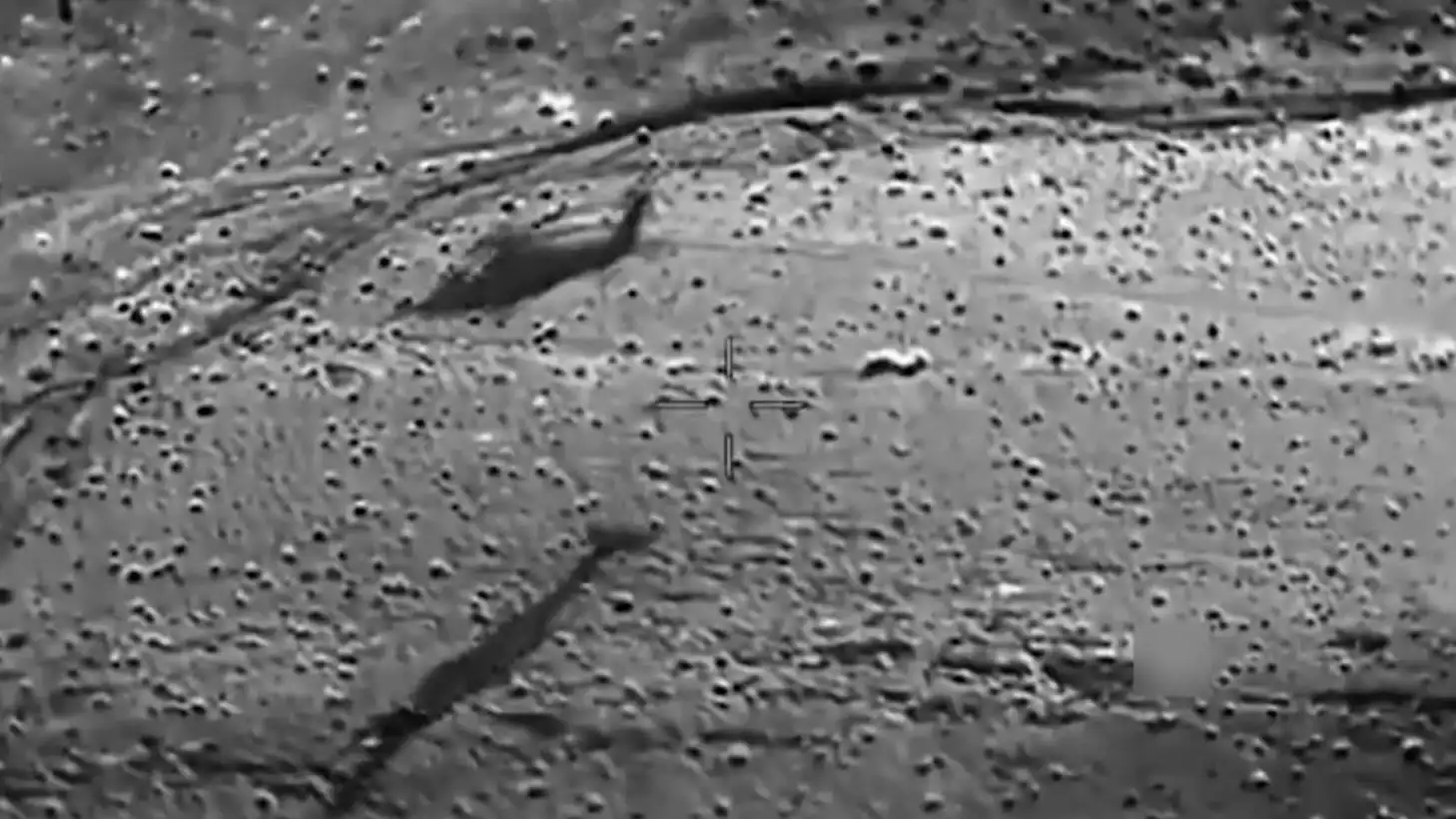
Newly declassified footage shared by CBS 60 Minutes, shows how the U.S. military recovered two Air Force officers after their F-15E Strike Eagle was shot down south of Isfahan, Iran, on April 2.
The crew, identified by the call signs Alpha and Bravo because of security concerns, ejected after a shoulder-fired surface-to-air missile struck their aircraft. They landed about five miles apart and were recovered in separate operations. Alpha was rescued within six hours, while Bravo remained behind enemy lines for approximately 50 hours.
The mission involved combat aircraft, intelligence assets, aerial refueling, special operations aviation and more than 90 U.S. personnel on the ground. Several hundred personnel operated in the air, with several thousand supporting the operation.
Shootdown and Separation
Alpha was the pilot, while Bravo was the weapons systems officer in the two-seat fighter. Their mission, according to U.S. Central Command chief Adm. Brad Cooper, was to strike industrial facilities associated with Iran’s drone and missile program.
After the missile hit, the crew attempted to save the aircraft before ejecting. Bravo’s parachute was damaged, leaving him falling at an estimated 70 to 100 mph. He broke his back, arm and shoulder when he landed.
“At one point when I looked up and saw no parachute, that was the most terrifying thing I’ve ever seen,” Bravo said. He recalled praying during the fall and later described his survival as a “modern-day miracle.”
Despite his injuries, Bravo moved away from his landing site and climbed toward a ridgeline at roughly 7,000 feet. Iranian search teams reportedly came within a few hundred meters of his location.
Alpha Recovered Under Fire
Alpha was recovered during a risky daylight operation involving 21 aircraft and an HH-60W Jolly Green II combat search-and-rescue helicopter. The rescue force encountered fire on its way into and out of the area.
The team was unable to locate Bravo and withdrew after recovering Alpha. Alpha has since returned to flying but declined a public interview. In a statement, he praised the professionalism of the combat search-and-rescue specialists and other personnel involved.
As night fell, Bravo sent a message confirming that he was injured but still moving. A potential rescue attempt was postponed because operational conditions did not align, leaving him exposed for another day with little food or water in the cold and wind of the high desert.
Second Rescue Uses Ground Force
U.S. intelligence monitored Bravo and Iranian movements while the CIA conducted a deception campaign intended to confuse the search effort. American bombers and drones also struck nearby Islamic Revolutionary Guard Corps forces before the second extraction began.
Two MC-130 aircraft landed on an improvised desert airstrip about 10 miles from Bravo. The force then launched compact MH-6M Little Bird helicopters to reach his position in the restricted mountain terrain.
More than 90 U.S. service members deployed on the ground, described by Cooper as the first American boots on the ground in Iran in 46 years. When rescuers reached Bravo near sunrise, he told them, “Let’s go.”
Aircraft Lost During Extraction
The operation faced another complication when the MC-130 aircraft became stuck in sand at the makeshift airstrip. A clandestine Air Force unit subsequently helped extract the stranded personnel.
The United States destroyed the two MC-130s, each valued at about $100 million, along with the Little Bird helicopters to prevent their technology from being captured. Bravo was brought to safety about 50 hours after the shootdown, as the sun rose on Easter Sunday.
The downed F-15E was valued at approximately $30 million, while the shoulder-fired missile that brought it down may have cost around $100,000. Bravo said the recovery reflected the combined effects of training, teamwork, leadership, and the military commitment to retrieve isolated personnel.
Recommended Comments