




-
TL;DR: Iran-backed Houthis reportedly seized strategic Perim Island and Yemen’s entire Red Sea coast, threatening Saudi shipping through the Bab al-Mandab trade corridor while pledging not to target other vessels. Oil prices stayed stable, but broader restrictions could disrupt Saudi exports and raise fuel costs; the US offered intelligence support but declined direct military intervention.
Houthis Reportedly Seize Strategic Island
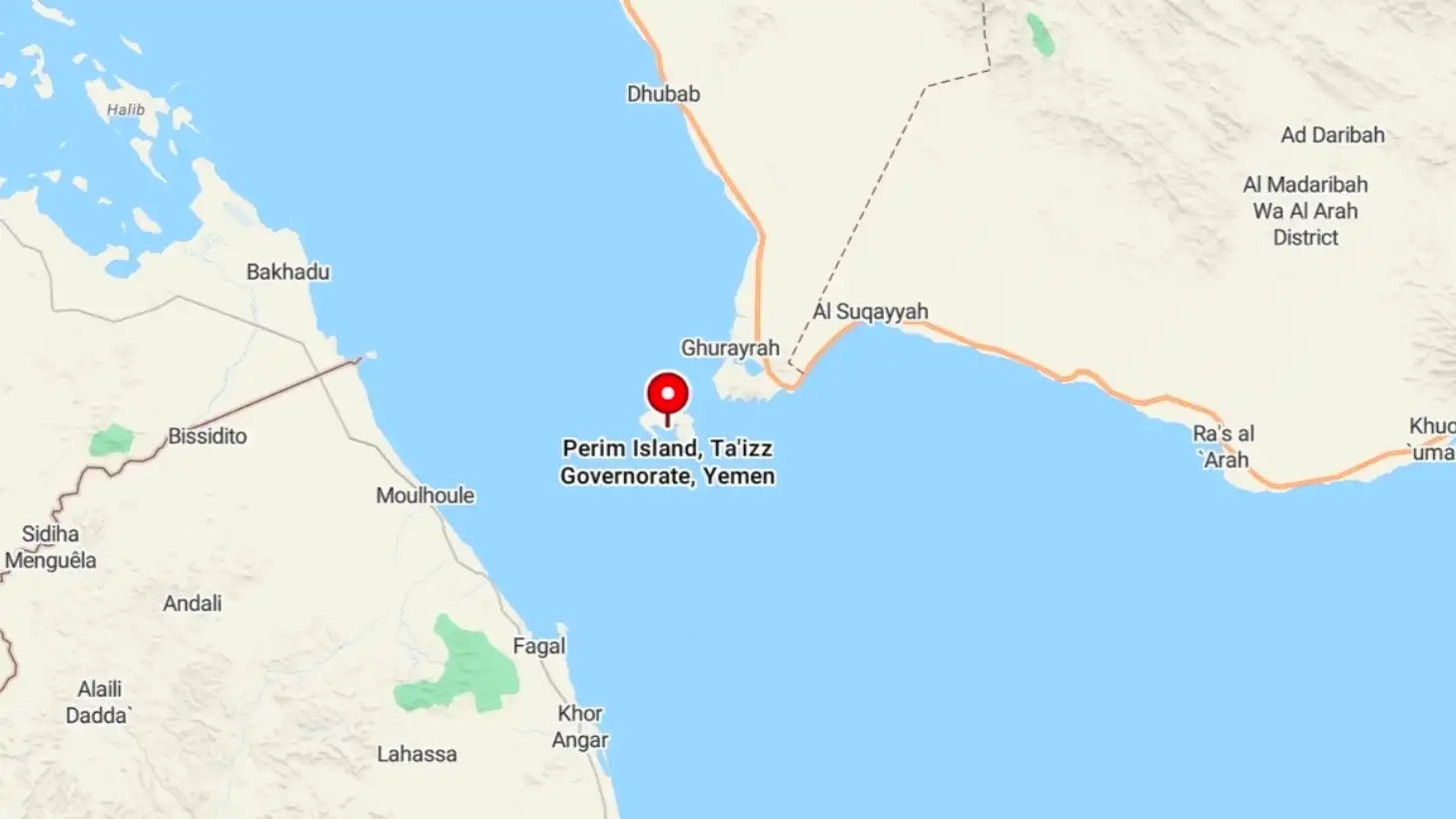
Yemen’s Iran-backed Houthi movement has reportedly taken control of Perim Island in the Bab al-Mandab Strait during a rapid advance along the country’s western coast.
The Houthis described the capture as part of a large-scale operation to expel Saudi-backed forces. An unnamed military official from Yemen’s internationally recognized government told AFP that the group had also seized two other islands in the strait and now controlled Yemen’s entire Red Sea coastline.
“Everything that was under our control on the western coast has fallen,” the official said.
Shipping Through Bab al-Mandab
Perim Island sits in the Bab al-Mandab Strait, a major maritime gateway connecting the Red Sea with the Gulf of Aden and shipping routes between Asia and Europe.
The Houthis said the strait remains safe for shipping companies other than Saudi vessels. However, their new positions could increase risks around one of the world’s most important trade corridors, particularly if fighting expands or restrictions broaden beyond Saudi-linked traffic.
The group has reiterated that it does not intend to threaten international shipping while maintaining that Saudi vessels will be targeted.
Potential Impact on Oil Markets
Oil prices remained relatively stable immediately after reports of the island’s capture and the blockade of Saudi vessels. Traders have yet to determine how significantly the situation will affect shipments.
Saudi Arabia, the world’s second-largest oil producer, has relied more heavily on the Red Sea route since the US and Israel’s war on Iran severely restricted access through the Strait of Hormuz. A broader closure of Bab al-Mandab could therefore place additional pressure on Saudi exports and global energy supplies, potentially raising crude oil and consumer fuel prices.
The effect may be more limited if restrictions remain focused only on Saudi-registered vessels. Many large oil tankers are registered elsewhere, which could allow shipments from other producers to continue. Rerouting cargo may also be possible, although alternative arrangements could increase time and costs.
Saudi Arabia Seeks US Support
Saudi Crown Prince Mohammed bin Salman reportedly asked US President Donald Trump to take military action against the Houthis following their advance. The two leaders have spoken several times in recent days, according to sources familiar with the discussions.
Trump declined to commit US forces, but Washington offered intelligence and targeting support to Saudi Arabia. Talks between the two countries remain ongoing, and Saudi officials are reportedly seeking a coalition with the US amid concerns that military action against the Houthis could prompt an Iranian response.
US Position on the Escalation
A senior US administration official did not address the reported request for military action directly, but said Washington was focused on protecting core national security interests, including freedom of navigation in the Red Sea.
The official added that the US intends to empower regional partners to take the lead in managing security challenges and remains in continuous discussions with Saudi Arabia and Yemen’s internationally recognized government.
For now, the US is not preparing to intervene directly, while the Houthis’ territorial gains have increased pressure on Saudi-backed forces and uncertainty around Red Sea shipping.
Recommended Comments