




-
TL;DR: Operation Epic Fury cost at least $33.4 billion through June 29, including $22.3 billion in munitions and $3.7 billion in equipment losses, while Iranian attacks damaged U.S. bases across eight countries and dozens of aircraft. Fourteen U.S. service members died and 417 were wounded through June, with four more killed in July. The campaign depleted strategic munitions inventories and diverted training and maintenance funds, while unresolved infrastructure repairs and renewed July strikes mean the total cost will be higher.
Pentagon IG Details Operation Epic Fury Costs
Operation Epic Fury cost an estimated $33.4 billion through June 29, according to a Pentagon Inspector General report covering operations from Feb. 28 through June 30, 2026. Iranian strikes damaged or destroyed hundreds of structures at U.S. bases, while dozens of American aircraft were lost or damaged.
The estimate comprises $22.3 billion in expended munitions, $7.4 billion in cumulative operational obligations and $3.7 billion in equipment losses, calculated largely at replacement cost. It excludes infrastructure repairs, broader economic effects and some costs that remain under assessment.
Through June 30, seven U.S. service members were killed in action, seven died in non-hostile incidents, and 417 were wounded in action. Four additional service members were killed in action in July.
Bases and Aircraft Hit
Iranian attacks damaged or destroyed buildings at U.S. bases in Kuwait, Bahrain, Qatar, the United Arab Emirates, Saudi Arabia, Iraq, Oman and Jordan. The military has not determined the full repair cost or its future basing posture, including which facilities will be rebuilt and how much allies may contribute.
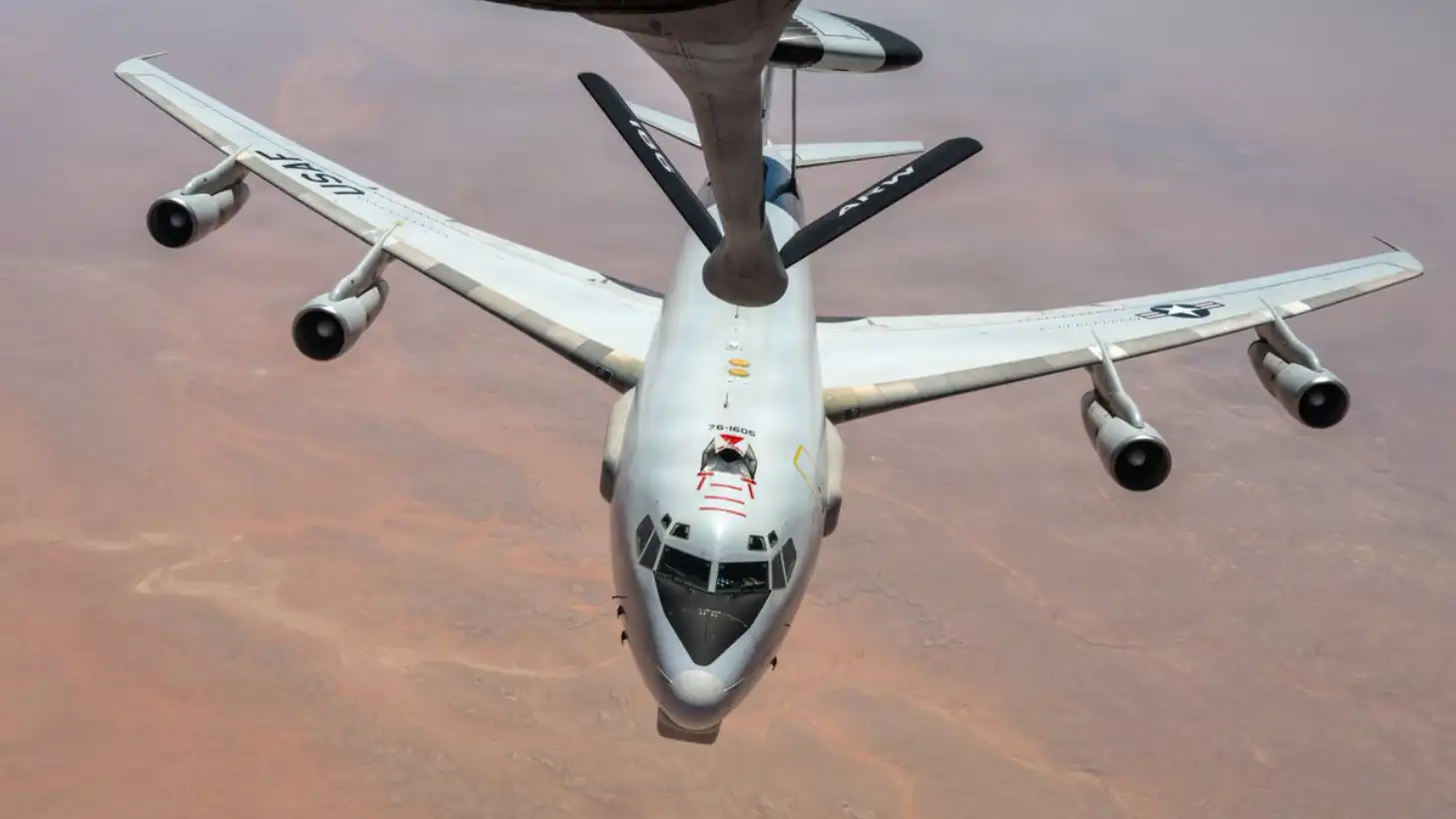
Aircraft losses included four F-15Es, one A-10, an AH-64 helicopter, an MH-60 helicopter, and as many as 30 MQ-9 intelligence and surveillance aircraft. Seven KC-135 tankers were damaged or destroyed, while an F-35A, E-3 surveillance aircraft, and HH-60W helicopter were damaged. Four AH-6 helicopters were destroyed by U.S. forces after becoming unrecoverable during combat search-and-rescue operations, and an MQ-4C uncrewed aircraft was reported crashed.
The State Department separately estimated about $184 million in damage to U.S. embassies, consulates and other diplomatic facilities as of June 30.
Munitions and Funding Shortfalls
The Pentagon’s acquisition and sustainment office told investigators that munitions use created “strategic inventory shortfalls” and exposed industrial-base bottlenecks. Persistent constraints include solid rocket motor production, supplies of high-grade explosives and propellants, and recruitment of skilled manufacturing workers. Officials said expanding production capacity requires significant lead time.
About 90% of the operation’s $7.4 billion in obligations fell under operations and maintenance. The largest disbursement categories were airlift operations at $929.6 million, flying-hour costs at $691.1 million, ship operations at $647.7 million, base support at $405 million and maneuver units at $385.3 million.
Because Congress did not provide a dedicated fiscal 2026 appropriation for the operation, military components used base-budget funds otherwise intended for activities including training and maintenance. On June 24, the White House requested $87.6 billion in emergency supplemental funding, including $67.1 billion for the military, largely for Epic Fury. That request included $21 billion for munitions and $17.3 billion for operational costs.
Scope of the Campaign
The United States launched Epic Fury with Israel on Feb. 28 to target Iran’s nuclear, missile, naval, and security infrastructure. More than 50,000 U.S. personnel deployed across the Central Command region. Between Feb. 28 and an April 7 ceasefire, U.S. forces struck about 13,500 targets, conducted approximately 36,000 combat sorties and carried out more than 1,800 fire missions.
A blockade of Iranian ports ran from April 13 to June 18. U.S. forces redirected more than 140 vessels, disabled 10 non-compliant ships, and permitted passage for more than 50 commercial vessels supporting humanitarian aid.
The report’s accounting ends June 30 and does not include the full costs and losses from renewed daily strikes in July. The complete mission statement for Epic Fury remains classified.
Recommended Comments