




-
TL;DR: RAF F-35Bs recorded their first confirmed combat kill by shooting down hostile drones over Jordan—supported by Typhoons and a Voyager tanker—as British forces intercepted multiple Iranian-launched drones and missiles across the Middle East. The UK has reinforced Cyprus with more F-35s, radar, counter‑drone systems and deployed the Type 45 destroyer HMS Dragon plus Wildcat helicopters to strengthen air defenses, a stated defensive posture after strikes that killed U.S. service members and spurred hundreds of intercepts. The engagement marks a milestone for the UK’s fifth‑generation fleet amid intensifying regional aerial exchanges.
RAF F-35s Record First Combat Kill Over Jordan
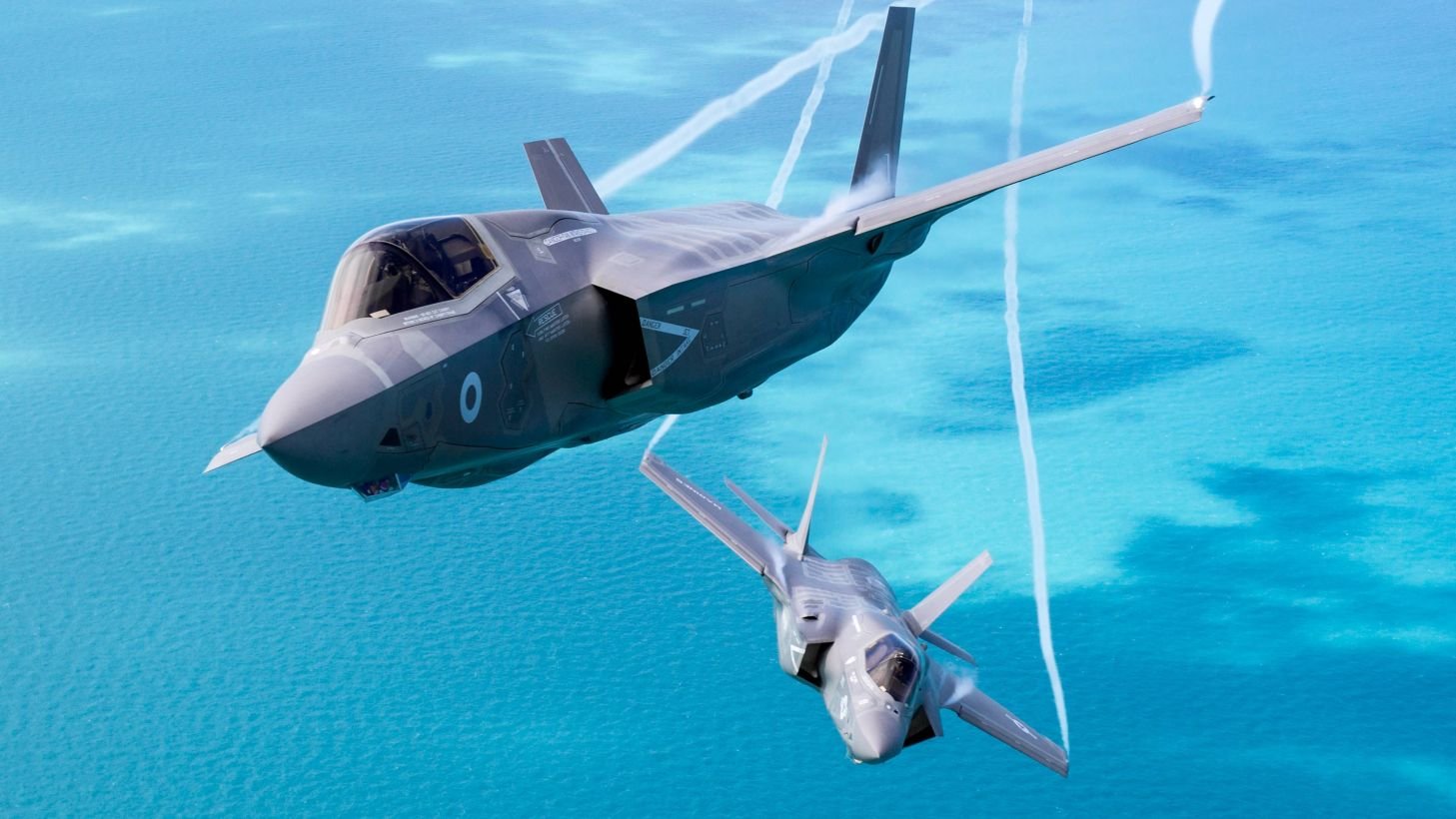
British Royal Air Force F-35B Lightning II aircraft have achieved their first confirmed combat kill, downing hostile drones over Jordan, the UK Ministry of Defence announced Tuesday. The engagement marks the first time an RAF F-35 has destroyed a target during operational deployment.
According to the ministry, the stealth fighters were supported by Typhoon aircraft and a Voyager aerial refueling tanker during the mission. The interception occurred amid escalating regional tensions following Iranian retaliatory strikes against US and Israeli targets.
Broader Drone Interceptions Across the Region
In addition to the Jordan operation, British forces intercepted multiple drones across the Middle East within a 24-hour period. An RAF Typhoon fighter shot down an Iranian drone headed toward Qatar using an air-to-air missile, while other counter-drone actions were conducted in Iraqi airspace.
Iran has launched hundreds of ballistic missiles, cruise missiles, and one-way attack drones at targets across the region since hostilities intensified. Strikes have targeted Israel, Gulf States, and installations hosting US forces. A recent attack on a US military base killed at least six American service members and injured several others.
British military facilities have also been affected. The Ministry of Defence confirmed that a suspected drone struck RAF Akrotiri in Cyprus. No casualties were reported, but the incident prompted additional defensive measures.
Capabilities of the RAF F-35B Fleet
The UK operates the F-35B variant of the Lockheed Martin-produced fighter, designed for air-to-air, air-to-surface, and electronic warfare missions. The aircraft’s short takeoff and vertical landing (STOVL) capability allows it to operate from aircraft carriers, amphibious assault ships, and austere forward bases.
The United Kingdom began receiving F-35 aircraft in 2012, and the fleet reached initial operational capability in 2018. The platform’s stealth characteristics and sensor integration are intended to provide enhanced survivability and situational awareness in contested environments.
Recent deployments have reinforced RAF presence in Cyprus, where additional F-35s, radar systems, counter-drone equipment, and ground-based air defenses have been positioned in response to rising regional threats.
Naval Reinforcements in Eastern Mediterranean
The UK government has also announced the deployment of the Type 45 destroyer HMS Dragon to the Eastern Mediterranean. The vessel is equipped with advanced air defense systems designed to counter missile and drone threats. Wildcat helicopters armed with Martlet missiles will accompany the deployment to enhance counter-drone capabilities.
Defence Secretary John Healey stated that the measures are intended to strengthen Britain’s defensive posture rather than signal offensive involvement in the conflict.
Air defense engagements have intensified across the Middle East since the United States and Israel initiated strikes on Iranian targets. Allied forces report intercepting hundreds of retaliatory missiles and drones over recent days, underscoring the scale of ongoing aerial exchanges.
The RAF’s confirmed F-35 combat engagement represents a milestone for the UK’s fifth-generation fleet as regional air defense operations continue.
Recommended Comments