




-
TL;DR: In a significant escalation of tensions, Pakistan launched missile strikes into Iran's southeastern Sistan-Baluchestan province, reportedly targeting terrorist hideouts. This was in retaliation for an earlier Iranian strike inside Pakistan, which resulted in civilian casualties. The Pakistani strike led to nine deaths, including women and children. These events mark the first major external land assault on Iran since the 1980s. Amidst these hostilities, Iran and Pakistan have tried to maintain their cordial relations, with recent interactions at Davos and joint naval exercises. The international community, including China, Turkey, and the Taliban government of Afghanistan, has urged both countries to exercise restraint. Despite the heightened tensions, there is potential for de-escalation and renewed dialogue between the two nations.
Cross-Border Strikes Escalate Conflict
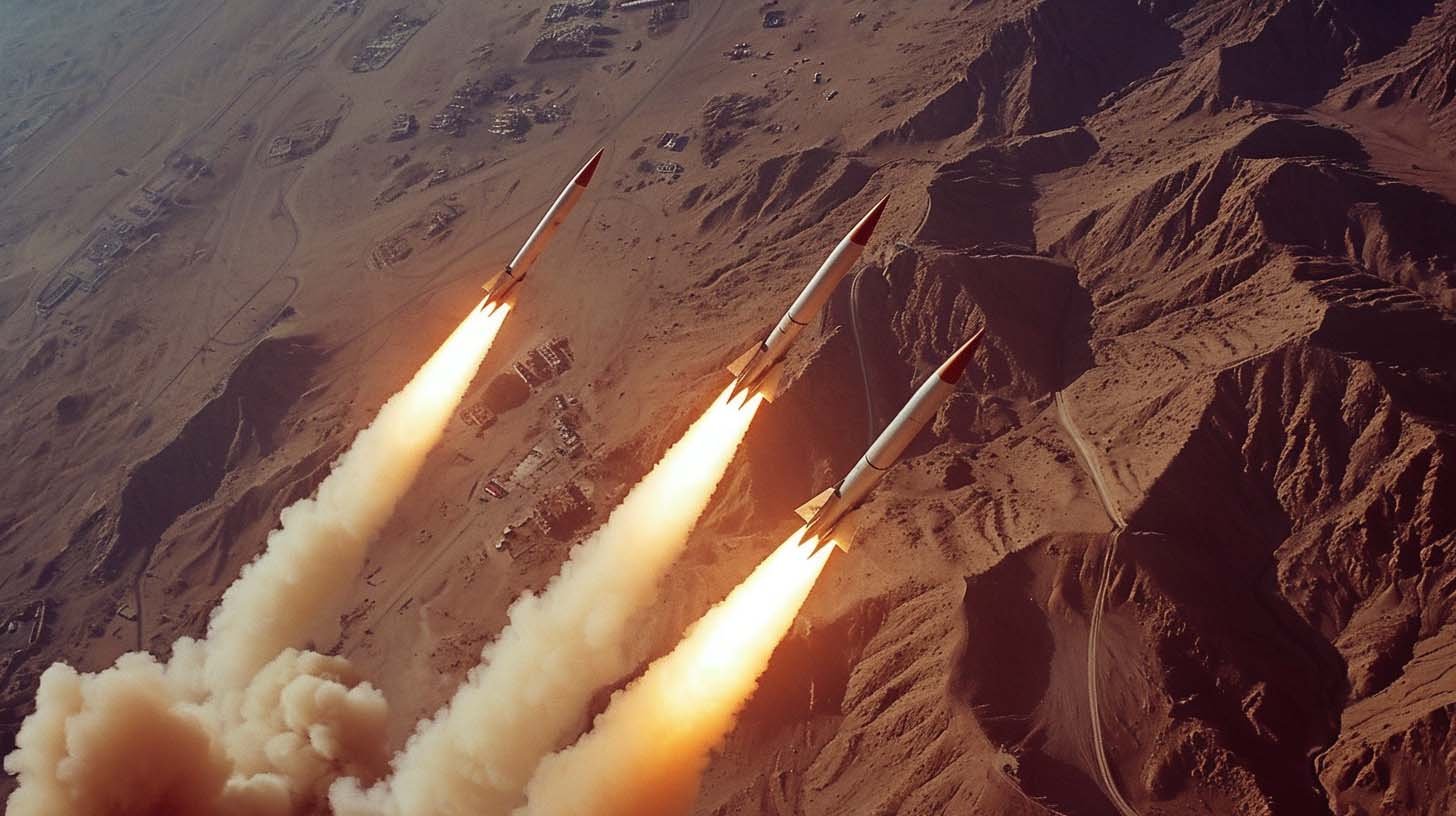
Recent developments have seen a sharp escalation in tensions between Iran and Pakistan, with each nation launching strikes across their shared border. The conflict intensified when Pakistan conducted missile strikes into Iran's south-eastern Sistan-Baluchestan province, reportedly targeting "terrorist hideouts." This action was in retaliation to an earlier strike by Iran inside Pakistani territory, which Pakistan claimed resulted in civilian casualties.
Impact and International Response
The Pakistani strike in Iran led to the reported deaths of nine individuals, including women and children, though Iran stated that the victims were not Iranian nationals. The reciprocal nature of these attacks highlights the heightened tensions in the Middle East, where multiple crises are overlapping. This region is currently witnessing Israel's conflict with Hamas in Gaza and Hezbollah in Lebanon, as well as Iran-backed groups targeting US forces in Iraq and Syria. The recent attacks mark the first time since the 1980s that Iran has been targeted by external land assaults. The international community, including China, Turkey, and the Taliban government in Afghanistan, has called for restraint and dialogue in light of these events.
Strained Yet Cordial Relations and Potential for De-Escalation
Despite the recent hostilities, Iran and Pakistan generally maintain cordial relations, with their ministers meeting at Davos and conducting joint naval exercises. The shared concerns over lawless border areas, rampant with drug smuggling and militant groups, continue to bind the two countries. Following the air strikes, both sides seem keen to emphasize that these actions do not represent attacks on a friendly neighbor. Experts suggest that while the risk of escalation exists, there is also an opportunity for both countries to step back from further conflict. The current dynamic offers Pakistan a chance to reopen dialogue with Iran, potentially easing tensions and restoring regional stability.
Recommended Comments