




-
TL;DR: Russia is concentrating ground attacks in Donetsk and striking Ukrainian logistics and energy infrastructure, but its advance remains too slow to threaten the region’s fortified cities soon. Ukraine is expanding long-range attacks on Russian refineries and transport targets as dwindling missile interceptors, renewed winter power-grid risks, escalating Black Sea attacks and growing North Korean military support increase pressure on Kyiv.
Fighting Remains Concentrated in Donetsk
As of August 9, 2026, Russia continues to apply its strongest ground pressure around Pokrovsk, Dobropillia, and the Kostiantynivka–Druzhkivka area. Ukrainian reporting recorded more than 200 combat engagements in one day, with the Pokrovsk and Kostiantynivka sectors seeing the heaviest fighting.
The Institute for the Study of War assesses that Russia is moving north and northwest around Pokrovsk and Dobropillia, potentially preparing a broader attempt to envelop Ukraine’s remaining fortified belt in Donetsk: Kostiantynivka, Druzhkivka, Sloviansk and Kramatorsk. However, Russia’s current advance remains too slow to threaten the belt’s capture in the near term.
Small-unit infiltration increasingly characterizes combat along the roughly 1,200-kilometer front. Reconnaissance and first-person-view drones make concentrated armored formations vulnerable, leading Russian troops to use small groups to exploit gaps in Ukraine’s thinly staffed defenses.
Russia Targets Logistics and Energy
Russia has increased strikes on roads, bridges, railways and other infrastructure supporting Sloviansk and Kramatorsk, while also using more glide bombs in the area. The campaign appears intended to weaken supply and reinforcement routes before a possible future ground offensive.
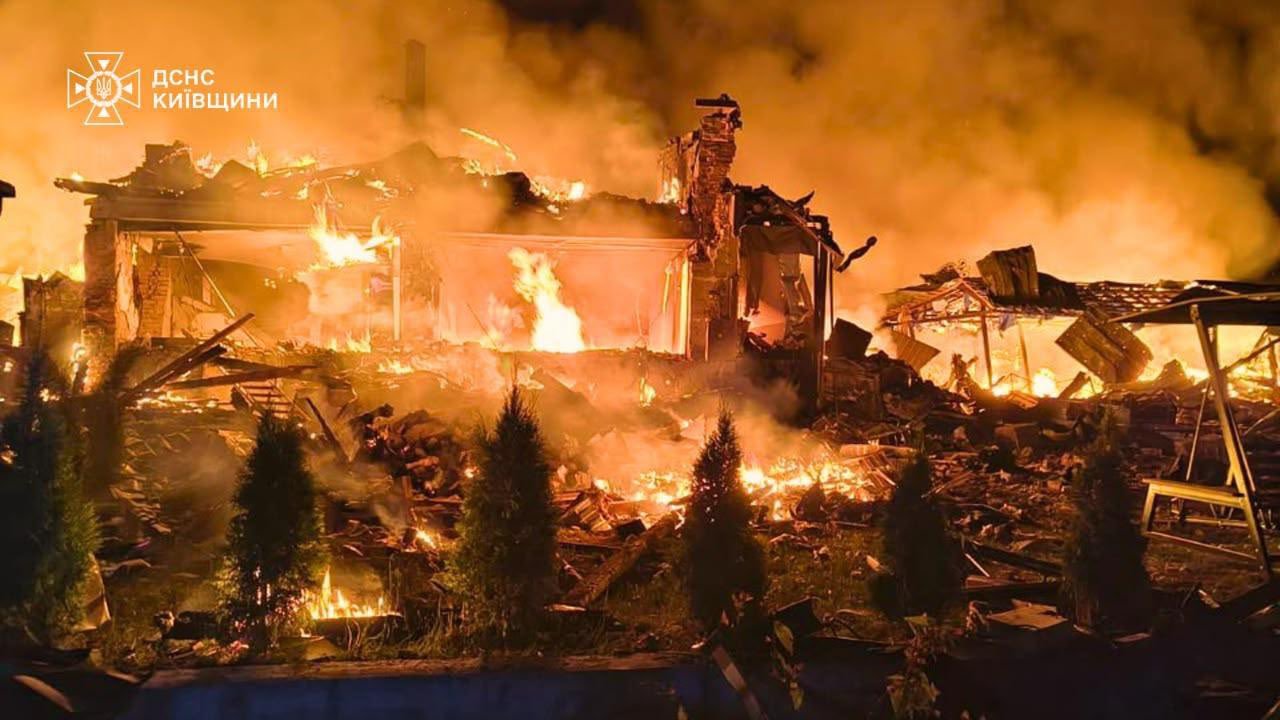
An overnight attack into August 8 involved six ballistic missiles and 151 drones, according to Ukrainian authorities. Four people were killed in and around Kyiv, including a three-year-old child and his grandparents.
Ukraine’s limited supply of ballistic-missile interceptors is becoming a major vulnerability. President Volodymyr Zelenskyy said allied interceptor deliveries in 2026 had fallen to about one-third of their 2025 level, with Patriot systems particularly affected. Ukraine intercepted 29 of 195 Russian ballistic missiles launched in July, he said.
Ukraine also expects renewed attacks on its power grid during winter. Officials say strikes during the previous winter damaged or destroyed facilities representing about 80% of the country’s generating capacity.
Ukraine Expands Deep Strikes
Ukraine has broadened its long-range campaign against Russian energy, military and transportation infrastructure. Drones struck the Slavneft-Yanos refinery in Yaroslavl, about 250 kilometers northeast of Moscow, causing a large fire after the August 6 attack. Ukraine also confirmed strikes on the Ilsky and Syzran refineries during the August 8 exchange.
Other targets have included fuel facilities, air bases, air-defense systems, command posts, rail infrastructure, warships, tankers and commercial warehouses. ISW assesses that the refinery attacks have reduced Russian processing activity, prompting Moscow to export unusually large volumes of crude oil rather than refine it domestically.
Black Sea Risks Increase
Russia and Ukraine have intensified attacks on ports, tankers, cargo ships and export infrastructure in the Black Sea, disrupting grain and energy shipments while raising shipping and insurance costs.
Russia continues to strike Ukrainian port infrastructure around Odesa and Mykolaiv. Ukraine has targeted Russian oil tankers, terminals and shipping linked to Moscow’s energy trade. Turkey has called for a moratorium on attacks against commercial vessels after ships from third countries were increasingly affected.
North Korean Role Expands
A North Korean missile unit of about 90 personnel is reportedly deploying to Russia’s Voronezh region with up to six launchers and as many as 120 ballistic missiles. At least 40 missiles were reportedly delivered, including two linked to a recent Russian strike.
North Korea has already sent approximately 14,000–15,000 troops, mainly connected to operations around Kursk, while supplying millions of artillery rounds and ballistic missiles. Zelenskyy said Russia may be preparing to receive tens of thousands more North Korean personnel, although their number and role remain uncertain.
Sanctions Advance as War Continues
The U.S. Senate approved a new Russia sanctions bill by an 86–11 vote on August 8. The legislation targets Russian energy revenue, banks, officials, and companies and could penalize countries purchasing large quantities of Russian oil and gas. It now moves to the House.
Neither side appears close to a decisive operational victory or an agreement over territorial demands. Russia retains the ground initiative in Donetsk but is advancing incrementally, while Ukraine is increasingly using long-range strikes to offset disadvantages in manpower and artillery.
Recommended Comments