




-
TL;DR: Direct U.S.–Iran combat resumed on July 12 after a ceasefire collapsed, with U.S. strikes on Iranian coastal military assets and Iranian missile and drone attacks on U.S.-linked sites across the Gulf, while a dispute over control of the Strait of Hormuz intensified following Iran’s attack on a commercial ship. The U.S. is trying to keep a shipping route open as Iran seeks to impose restrictions, leaving the waterway technically passable but severely disrupted, with traffic dropping to a five-week low. No new ceasefire is in place, diplomacy has stalled, and heightened military activity is raising risks for regional security and global energy flows.
Direct Combat Resumes
The U.S.–Iran conflict returned to sustained direct combat on July 12 after the June ceasefire arrangement largely broke down. The immediate focus has shifted from Iran’s nuclear infrastructure and leadership to the Strait of Hormuz and whether commercial vessels can pass without Iranian authorization.
The United States launched additional strikes on Iranian coastal and military targets on July 12. Reported targets included missile systems, fast-attack boats, command facilities, and other assets around Bandar Abbas, Qeshm Island, and Iran’s southern coast. The campaign is described as an effort to reduce Iran’s ability to attack commercial shipping in and around Hormuz.
Iran responded with missile and drone attacks against locations tied to U.S. forces in Bahrain, Kuwait, Qatar, Jordan, Oman, and the United Arab Emirates. Damage and civilian injuries were reported across the Gulf, but independently verified casualty totals from the latest exchange were not available as of July 12.
Shipping Dispute and Triggering Attack
The newest escalation accelerated after Iranian forces attacked a Cyprus-flagged container ship near Oman. The vessel was left burning, and one Indian crew member was reported missing. Iran said the ship ignored routing orders imposed by Tehran, while Washington treats those demands as an unlawful attempt to control international navigation.
The United States is demanding that Iran publicly guarantee that ships will not be attacked, that navigation lanes remain open, and that no tolls or Iranian authorization be required. Earlier attacks on commercial vessels had already weakened the ceasefire before this latest incident.
Strait of Hormuz: Open, Closed, or Restricted?
Accounts differ depending on the source. Iran and the Islamic Revolutionary Guard Corps say the strait is closed to unauthorized vessels and will remain restricted until U.S. interference ends. The United States rejects that claim and says it is keeping an internationally recognized southern route open by force. British maritime authorities have said a southern route remains technically usable, while warning that mines and military activity still pose risks.
Actual shipping traffic indicates severe disruption even if the waterway is not fully closed. Reuters reported only six ships transited on July 12, the lowest daily total in five weeks. The practical situation is that Hormuz remains physically passable under U.S. protection, but commercial traffic is sharply reduced, and Iran is still attempting to enforce its own restrictions.
Ceasefire Status and Diplomacy
President Trump has publicly declared the ceasefire over, though both Washington and Tehran have indicated diplomatic contact may continue. The truce under strain was part of a June arrangement intended to extend an earlier pause for 60 days, reopen Hormuz, and create space for a broader settlement.
Indirect talks in Doha and Oman focused on maritime passage and the release of frozen Iranian funds, but little visible progress was reported. Pakistan, Qatar, Egypt, and Oman continue mediation efforts. As of July 12, there was no newly announced ceasefire and no scheduled final settlement.
U.S. Military Posture
Earlier U.S. strikes reportedly hit about 90 Iranian targets on July 9. Reporting on July 12 said the cumulative number struck in the renewed campaign had risen substantially, with some accounts placing the latest American response at roughly 140 targets.
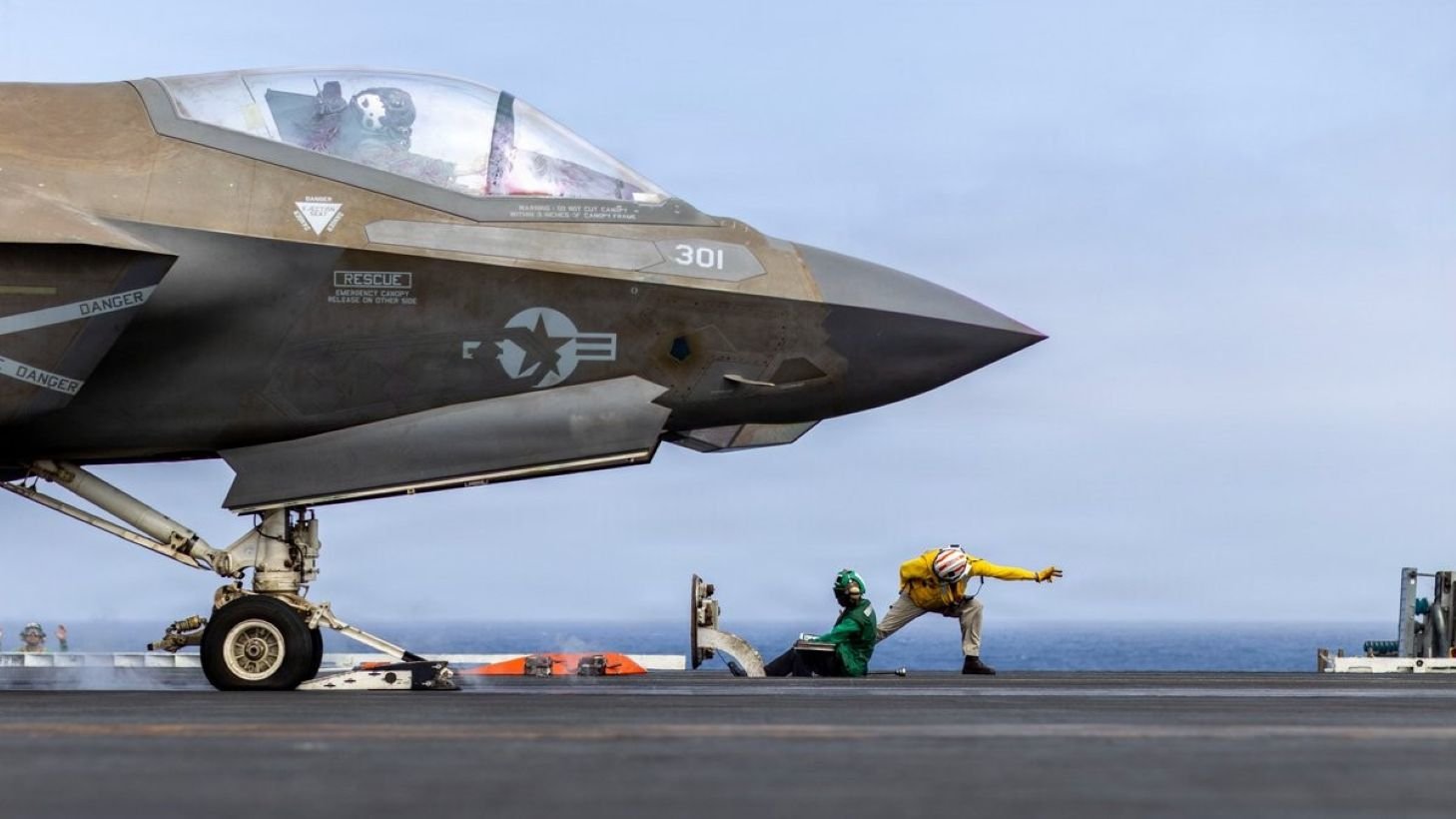
Two U.S. carriers are associated with the regional posture: USS George H. W. Bush, confirmed in the Arabian Sea, and USS Abraham Lincoln, which remains linked to the regional force. Recent reporting said both, along with a larger group of surface warships, had been directed toward the Gulf of Oman as tensions rose. Exact positions were not publicly disclosed.
Market and Regional Effects
Oil markets reacted cautiously rather than with a panic move. On July 12, Brent crude rose to about $78.35 per barrel and West Texas Intermediate to about $73.62, both up more than 3%. Saudi Arabia is reportedly considering greater use of its east–west pipeline to move more oil toward the Red Sea and reduce reliance on Hormuz.
Oman separately summoned the Iranian ambassador following attacks affecting its territory, underscoring the widening regional impact of the renewed fighting.
Recommended Comments