




-
TL;DR: The United States and Iran agreed to end hostilities and lift blockades in the Strait of Hormuz, a vital route for about 20% of global energy shipments, with a formal signing expected June 19 and a 60-day negotiation period to pursue a broader peace deal. Shipping access is set to resume, though timing is unclear, and further talks hinge in part on releasing frozen Iranian assets. The agreement follows months of conflict that disrupted maritime traffic and caused military losses, and its success could stabilize global energy flows and regional security.
US-Iran Agreement and Hormuz Access
President Donald Trump said the United States and Iran have reached a peace agreement to end recent hostilities, with the Strait of Hormuz set to reopen under the deal. In social media posts on June 14, Trump said he had authorized “the immediate removal of the United States Naval blockade” and wrote, “The Deal with the Islamic Republic of Iran is now complete.”
According to reports, the exact timing of the strait’s reopening was described differently. Some accounts said Trump ordered the blockade lifted immediately, while others said shipping would resume when the agreement is signed.
The Strait of Hormuz is a critical energy chokepoint through which roughly one-fifth of global oil and liquefied natural gas shipments transit daily.
Signing Date and Negotiation Terms
Pakistan Prime Minister Shehbaz Sharif, identified in the reports as a mediator, said the United States and Iran will sign the agreement in Switzerland on June 19. Sharif said, “both sides have declared the immediate and permanent termination of military operations on all fronts, including in Lebanon.”
Iranian Deputy Foreign Minister Kazem Gharibabadi also confirmed the deal and the signing timeline.
The agreement is expected to begin a 60-day negotiation period aimed at reaching a final formal peace settlement. Reports said those talks would focus on constraining Iran’s nuclear program. Iranian officials said further negotiations depend on Washington releasing billions of dollars in frozen Iranian assets.
Full details of the agreement were not immediately available.
Blockade Operations and Shipping Impact
Both countries had effectively imposed blockades in the strait during the conflict. Iran was described as allowing passage only for vessels it authorized, while U.S. naval forces were reported to have turned back or fired on ships to stop movement through the waterway.
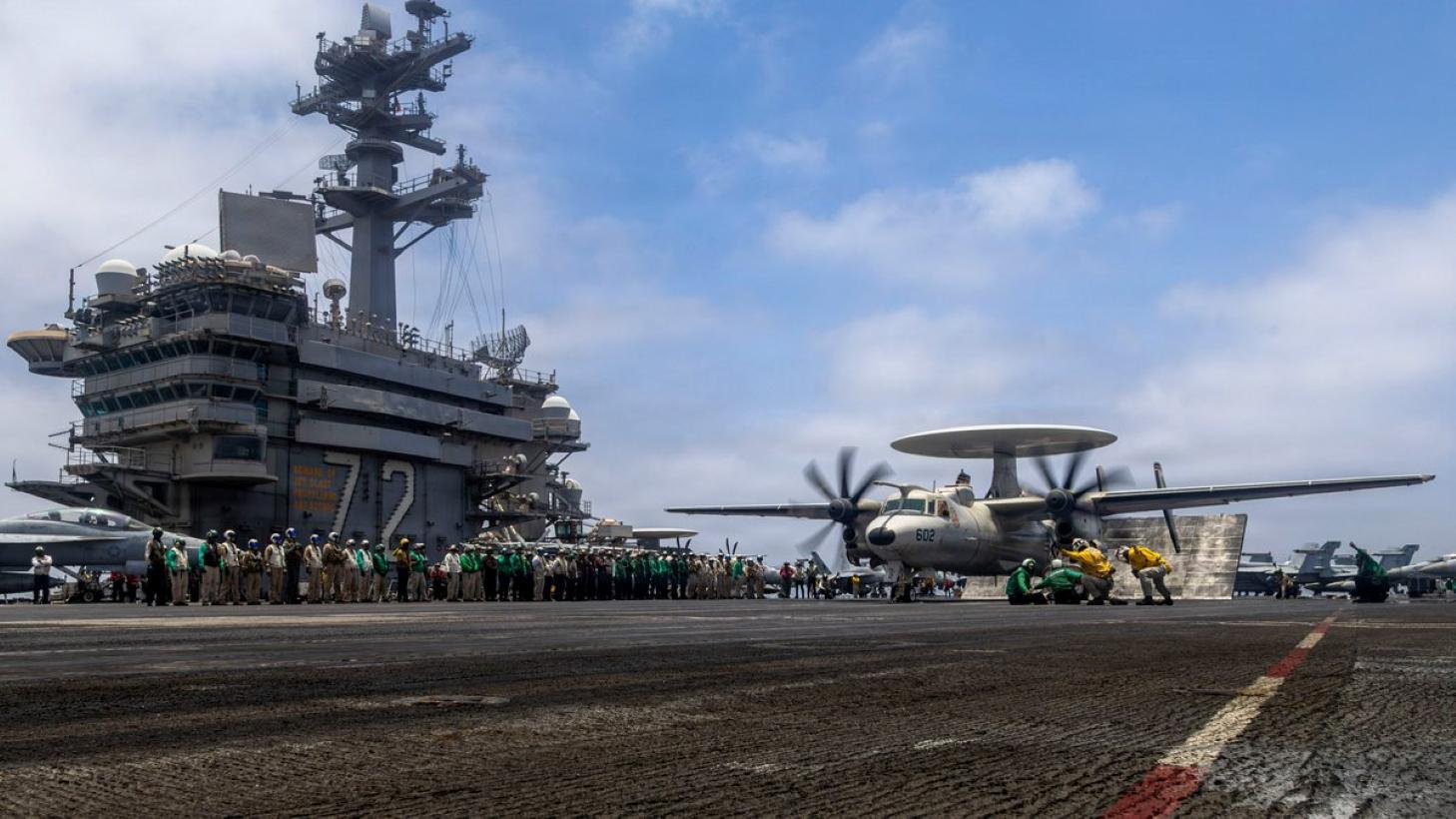
U.S. Central Command said earlier on June 14 that it had redirected 142 commercial vessels and disabled nine others. One report said the U.S. operation involved aircraft carriers, multiple destroyers, and several aircraft.
Neither CENTCOM nor the Pentagon had publicly commented on the agreement or Trump’s remarks at the time of the reports.
Conflict Background
The war began in February, after U.S. strikes on Iran in late February. A previous ceasefire announced in April did not hold, and the last week reportedly saw heavier exchanges. Iran launched missiles at Bahrain, Kuwait, and Jordan, while U.S. and Israeli forces attacked Tehran. Trump had said on June 12 that large-scale attacks on Iran had been called off, though skirmishes around the strait continued.
The conflict caused heavy U.S. losses across the region, with more than 400 troops wounded and 13 killed. It also said the United States lost multiple F-15 fighter jets, several refueling tankers and helicopters, and suffered damage to radar sites and other facilities.
International Response
France, Germany, Italy, and the United Kingdom welcomed the announcement in a joint statement. The four governments said the agreement created “a moment of opportunity to restore regional stability and stabilise the global economy” and called for the “urgent re-opening of the Strait of Hormuz with unconditional and unrestricted freedom of navigation.”
They also said they were prepared to support implementation efforts, including a defensive mission to reassure commercial shipping and conduct mine-clearance operations, and reiterated that Iran “must never acquire a nuclear weapon.”
Recommended Comments