




-
TL;DR: The U.S. Navy’s USS Stockdale blocked the Russian tanker Seahorse from delivering naphtha to Venezuela, disrupting key fuel supplies critical for Venezuela's oil production. This move signals an intensified U.S. strategy in the Caribbean that extends beyond counter-narcotics to curtail Russian support for Nicolás Maduro's regime. By using maritime enforcement and surveillance without declaring a formal blockade, the U.S. is leveraging naval power to economically pressure Venezuela, complicate Russian logistics, and enforce sanctions, reinforcing American dominance and strategic influence in the region.
U.S. Navy Steps Up Maritime Pressure, Blocks Russian Oil Delivery to Venezuela
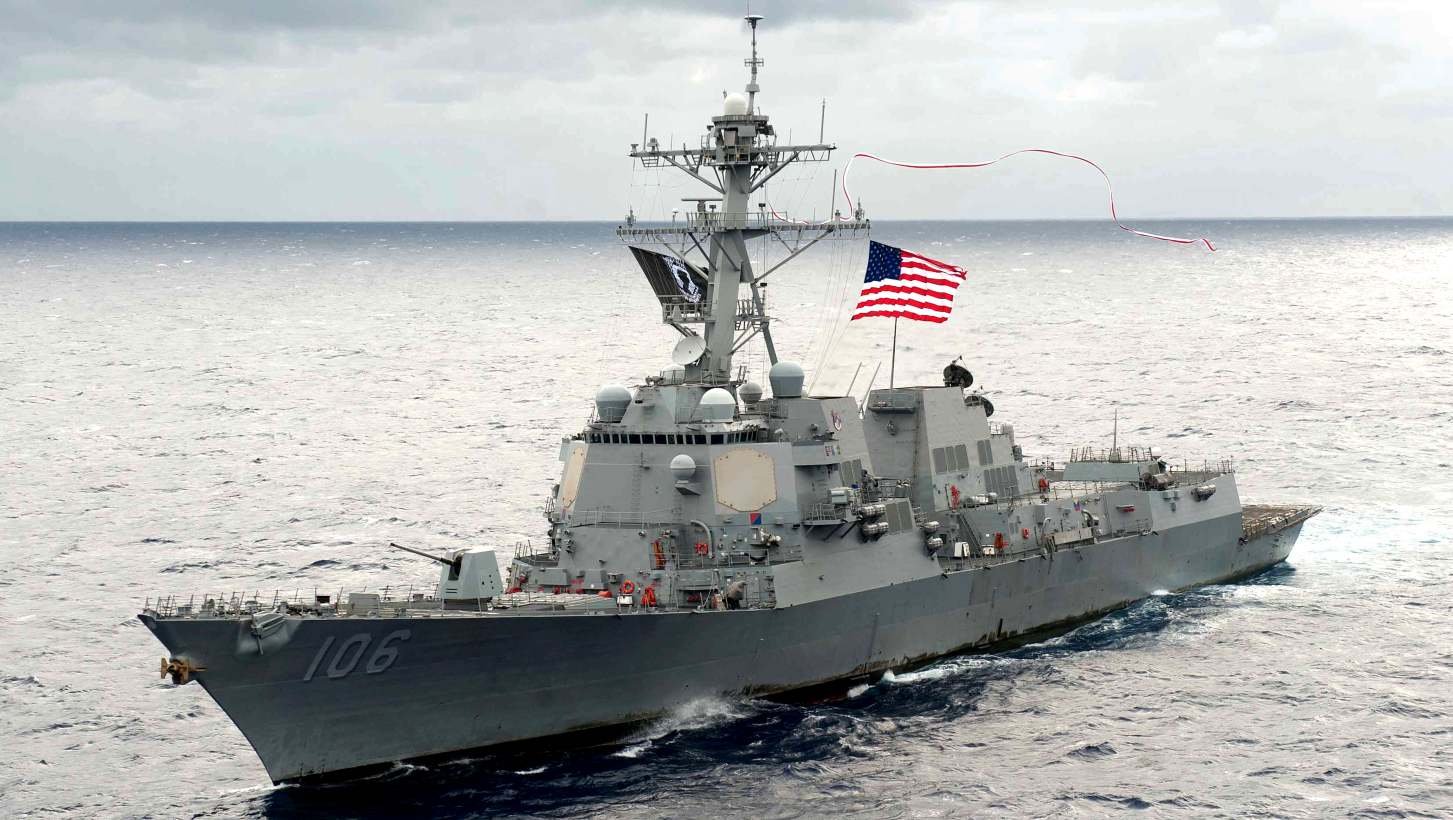
In a move highlighting intensifying maritime enforcement, the U.S. Navy destroyer USS Stockdale recently prevented the Russian-flagged tanker Seahorse from delivering a key fuel shipment to Venezuela. The interception underscores a growing U.S. strategy in the Caribbean, not only disrupting drug trafficking but also targeting Russia’s support for the government of Nicolás Maduro.
A Calculated Naval Maneuver Alters Tanker’s Course
On November 21, 2025, the USS Stockdale – an Arleigh Burke-class guided-missile destroyer – intercepted the Seahorse as it approached Venezuelan waters. The Russian vessel, which is under sanctions imposed by the United Kingdom, the European Union, and the U.S., was transporting naphtha: an essential fuel used to process Venezuela's heavy crude. After leaving Cuba on November 13, the Seahorse found its route blocked by the U.S. warship and, rather than risk an encounter, it turned away toward open waters. According to maritime tracking experts, the ship attempted to reach Venezuela twice more, each time unsuccessful, and now remains idling in the central Caribbean – an unusual and telling pattern that signals increased risks for Russian shipping in the region.
Expanding Operations Signal Focus Beyond Narcotics
While the official mission of U.S. naval assets in the area is counter-narcotics enforcement, recent actions represent a tactical shift. Since late September, the USS Stockdale and over a dozen U.S. warships have been operating under the U.S. Southern Command, targeting not only drug smuggling but also disrupting shipping lines that support Venezuela’s economy. This dual-purpose mission sends a clear warning to foreign governments providing lifelines to sanctioned regimes in Latin America.
Advanced U.S. surveillance and persistent naval presence have effectively closed off traditional supply lines. Though the U.S. has stopped short of declaring a formal blockade, these operations hamper the freedom of sanctioned tankers, challenging their ability to deliver essential supplies that keep Venezuela's oil sector running.
Strategic Implications: Weakening Maduro’s Oil Lifeline
The U.S. campaign strikes at the core of Venezuela’s economic survival. Petróleos de Venezuela, S.A. (PDVSA), the national oil company, is heavily reliant on imported naphtha to dilute and export its heavy crude. Interruption of these supplies threatens production and refining, posing a direct danger to one of the Maduro regime’s last remaining sources of foreign currency. By interdicting these critical imports via naval maneuvers, Washington leverages its maritime dominance to apply economic pressure without open military conflict.
Regional Impact and Future Outlook
Analysts emphasize that forcing the Seahorse – and potentially other vessels – into long holding patterns with empty holds is both a tactical and psychological blow to Russian logistics and Venezuela’s beleaguered fuel infrastructure. The sophisticated posture of the USS Stockdale demonstrates how layered naval operations can serve multiple objectives: reducing illicit flows, enforcing international sanctions, and placing global adversaries in a difficult position at sea.
This escalation in U.S. maritime enforcement not only tightens the vise on Venezuela but also signals to Russia and other international players that American resolve in safeguarding the Western Hemisphere remains strong. The evolving strategy indicates a future in which U.S. influence over pivotal trade routes is exercised with both subtlety and force, advancing broader foreign policy goals through naval power and persistent presence.
Recommended Comments