




-
TL;DR: The USS Gerald R. Ford is now actively supporting combat operations against Iran in Operation Epic Fury, expanding U.S. naval airpower in the region. Iranian claims that the USS Abraham Lincoln was hit have been denied by U.S. officials, who say all American carriers remain fully operational and engaged.
In an escalating phase of Operation Epic Fury, the USS Gerald R. Ford has entered active support of U.S. combat operations against Iran, marking a significant intensification of American naval involvement in the conflict.
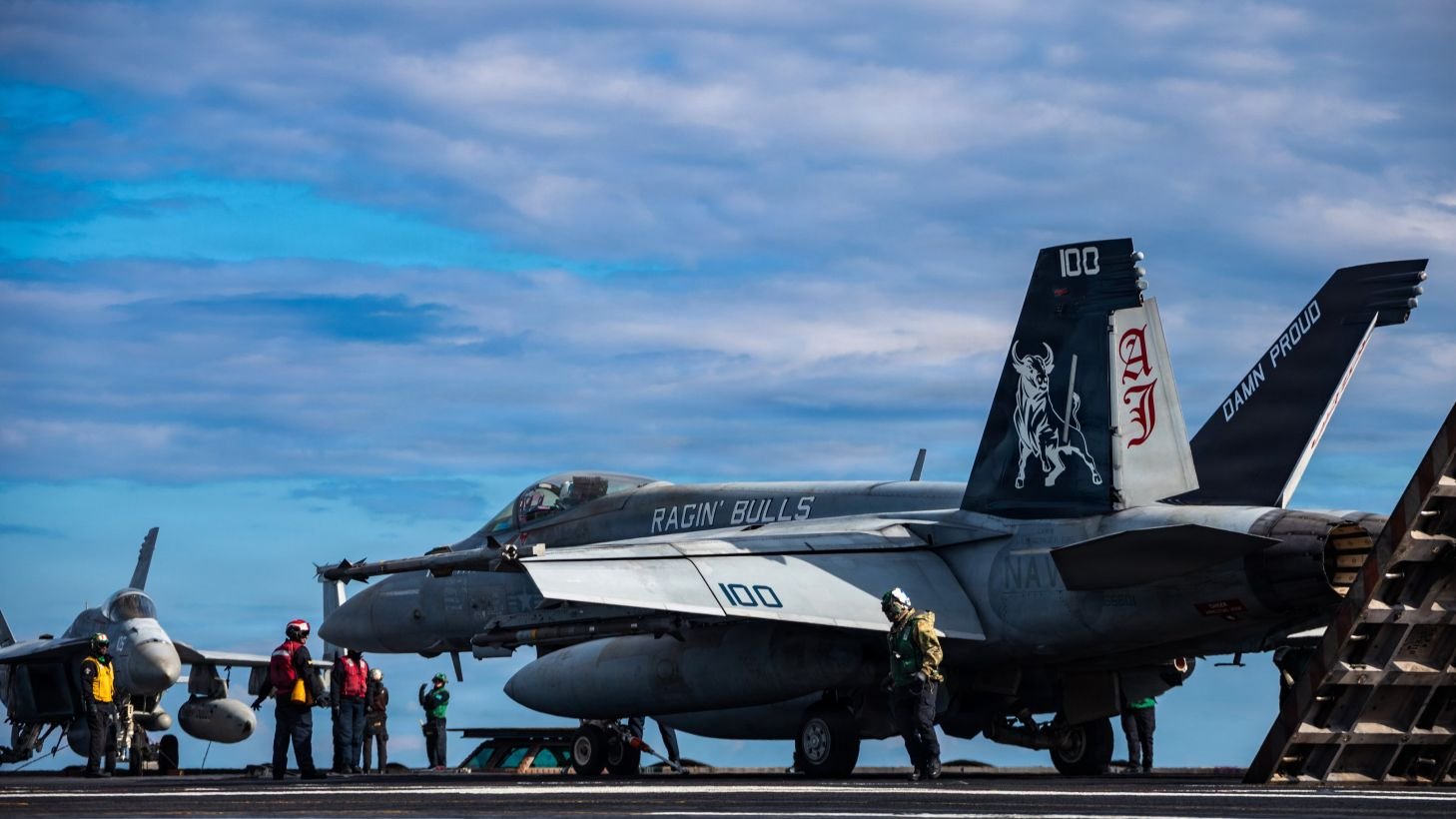
According to United States Central Command (CENTCOM), the nuclear-powered supercarrier is “in the fight” and has been conducting sorties from its flight deck in support of strikes against Iranian military infrastructure and strategic targets. The carrier’s aircraft, including fighters and support platforms, have flown missions as part of the broader joint operation with Israeli forces that began on February 28.
Ford Takes the Lead in Naval Air Operations
The Gerald R. Ford’s move into an active combat posture follows its deployment to the Middle East earlier in the crisis. The carrier, one of the most advanced warships in the U.S. fleet, has provided aircraft launch capability from the Eastern Mediterranean, enhancing U.S. reach and persistence in the operational theater.
Officials say that Ford’s air wing provides:
-
Air superiority and strike missions against Iranian targets
-
Intelligence, surveillance, and reconnaissance (ISR) capability
-
Electronic warfare support for integrated theatre operations
These capabilities help sustain the intensity and tempo of Epic Fury beyond shore-based assets alone.
False Claims About USS Abraham Lincoln Hit
Over the weekend, Iranian media and state announcements claimed that ballistic missiles had struck the USS Abraham Lincoln in the Gulf, in what Tehran described as a successful retaliatory strike against American naval assets.
U.S. military sources, however, categorically denied these reports. CENTCOM explicitly stated that the missiles “didn’t even come close” to the Lincoln, and that the carrier continued flight operations supporting the campaign.
This clarification aligns with Pentagon and Navy guidance that no U.S. carrier has been struck by Iranian missiles during the current conflict — a discrepancy that has prompted fact-checking by multiple defense sources.
Abraham Lincoln’s Role Continues
The Abraham Lincoln Carrier Strike Group was already positioned in the Middle East prior to the outbreak of Epic Fury, having sailed into the region before major hostilities began. It has remained active throughout, launching aircraft and contributing to carrier-based strike and support missions integral to ongoing U.S. military operations.
Despite Iranian assertions of missile impacts, there is no verified evidence of damage to the ship or any interruption of its operational readiness.
The Broader Naval Picture
The inclusion of the Gerald R. Ford alongside the Abraham Lincoln underscores the central role of U.S. naval air power in Operation Epic Fury, where:
-
Combined carrier air wings extend strike reach far beyond land bases
-
Naval assets support sustained engagement and maritime security
-
Surface warships provide missile defense and launch cruise missiles as part of coordinated attacks on Iranian military infrastructure
This deployment reflects one of the largest concentrations of American naval aviation in the Middle East in decades, as Epic Fury continues to unfold.
Implications of Carrier Involvement
The active use of carrier airpower signals Washington’s commitment to a prolonged and high-stress operational campaign. The Gerald R. Ford, in particular, brings advanced sortie generation and operational endurance to the theater — an asset likely to prove decisive should naval air operations deepen or expand.
For now, with both carriers operating and missile strike claims refuted by U.S. command authorities, the naval component of Operation Epic Fury remains a critical pillar in Washington’s ongoing military effort against Tehran’s forces.
Recommended Comments