




-
TL;DR: Ukrainian President Volodymyr Zelensky dismissed military chief Oleksandr Syrskyi amid protests over his command practices and appointed reform-minded Joint Forces Commander Mykhailo Drapatyi, who favors decentralized decision-making and greater accountability. The leadership change addresses one key protest demand, while calls to reinstate dismissed Defense Minister Mykhailo Fedorov continue.
Zelensky Appoints New Military Chief
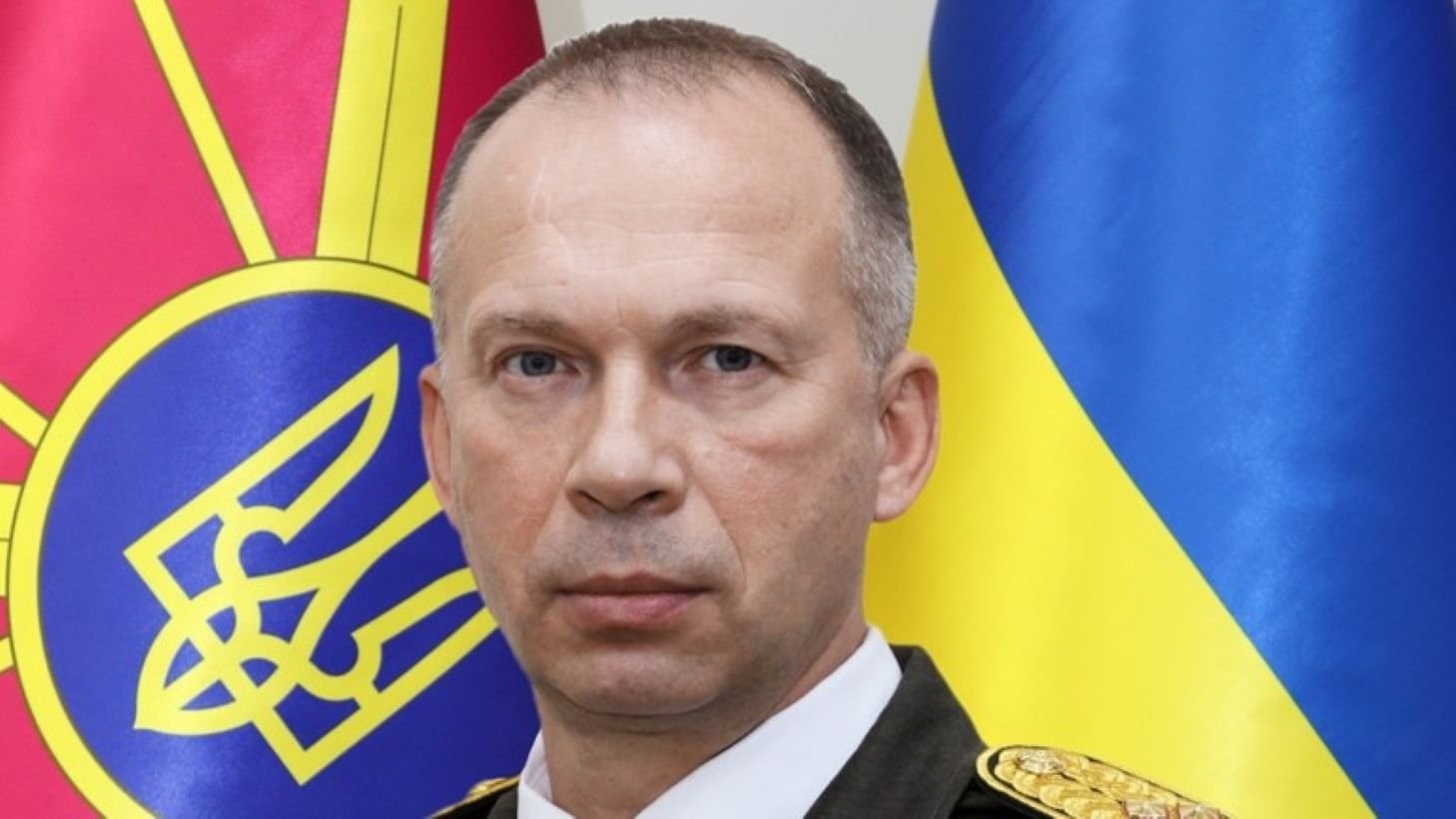
President Volodymyr Zelensky dismissed Armed Forces Commander-in-Chief Oleksandr Syrskyi on July 21 and appointed Joint Forces Commander Mykhailo Drapatyi as his replacement, per a Kyiv Independent Report.
Zelensky thanked Syrskyi for his service and credited him with contributing to the defense of Kyiv, the 2022 Kharkiv counteroffensive, and Ukraine’s operation in Russia’s Kursk region.
“A significant path has been traveled. The defense of Ukraine continues, and every warrior deserves dignified treatment,” Zelensky said.
The change followed continuing protests in Kyiv and other Ukrainian cities calling for Syrskyi’s removal and the reinstatement of recently dismissed Defense Minister Mykhailo Fedorov.
Protests and Defense Ministry Dispute
Demonstrations began July 16 after Zelensky removed Fedorov, a prominent advocate of Defense Ministry reforms. Fedorov said the following day that Syrskyi had issued an ultimatum to the president, though the details were not provided.
Veteran and protest organizer Dmytro Koziatynskyi said on July 20 that the movement had two principal demands: Fedorov’s return as defense minister and Syrskyi’s dismissal as commander-in-chief.
Tensions between Fedorov and Syrskyi had been expected because of their differing approaches to military organization. Syrskyi favored a centralized command structure, while critics among soldiers and analysts accused him of micromanagement and maintaining a Soviet-style command culture. Lawmakers, veterans and members of the public also argued that Fedorov’s removal could weaken reforms at the Defense Ministry.
Drapatyi’s Record and Priorities
Drapatyi, 43, was widely regarded by protesters, soldiers and veterans as a leading candidate to replace Syrskyi. He has advocated greater initiative for subordinate commanders, faster decisions and stronger accountability.
After Fedorov’s dismissal, Drapatyi publicly supported his reform agenda, saying that “the military needs change” and that commanders could not remain silent about problems when lives were at stake.
During Russia’s full-scale invasion, Drapatyi helped organize the defense of Kryvyi Rih, contributed to the liberation of Kherson and later directed Ukraine’s response to Russia’s 2024 offensive in Kharkiv Oblast.
“Serving Ukraine has always been an honor for me, and during the war for independence it means absolute responsibility,” Drapatyi said after his appointment. He pledged to work with focus and respect for Ukrainian service members while also thanking Syrskyi for helping shape his military career.
Fedorov welcomed the appointment, describing it as “new air and new hope” and “the voice of change that could not go unheard.”
Syrskyi’s Military Career
Born in Russia’s Vladimir Oblast in 1965, Syrskyi moved to Kharkiv as a teenager and graduated from the Moscow Higher Military Command School in 1986. He served in the Soviet military before taking an oath of allegiance to independent Ukraine after the Soviet Union dissolved.
Syrskyi held senior positions during the war in eastern Ukraine beginning in 2014 and was among the principal commanders during the 2015 Battle of Debaltseve. He became Ground Forces commander in 2020 and later played prominent roles in the defense of Kyiv, the Kharkiv counteroffensive and the Battle of Bakhmut.
He replaced Valerii Zaluzhnyi as commander-in-chief on Feb. 8, 2024. His tenure remained controversial because of complaints about rigid command practices, battlefield decisions and the distribution of personnel. Syrskyi also created separate Assault Forces that received substantial numbers of mobilized soldiers, while critics alleged that some associated units used harsh training and costly assault tactics.
Recommended Comments