




-
TL;DR: The UK has taken a more active defensive role in Operation Epic Fury after an Iranian drone struck RAF Akrotiri in Cyprus. While insisting it is not at war with Iran, Britain has allowed limited U.S. use of UK bases and confirmed RAF interceptions of Iranian drones to protect allied forces and regional security.
The United Kingdom’s involvement in the widening Operation Epic Fury conflict has taken a new turn after an Iranian-made drone strike hit RAF Akrotiri in Cyprus, prompting London to shift toward a more active defensive role while insisting it is not formally at war with Tehran.
Timeline of UK Developments
March 1 – UK Grants U.S. Use of British Bases for Defensive Strikes
Prime Minister Keir Starmer announced that the United Kingdom would allow United States Armed Forces to use British military facilities — including RAF bases — for specific and limited defensive strikes against Iranian missile depots and launchers. Starmer emphasized that the decision was made to protect British citizens and regional allies after Iranian missile and drone attacks targeting U.S. and allied facilities. The UK clarified it would not participate in offensive strikes on Iran’s civilian infrastructure or broader targets.
Starmer framed the action as collective self-defense under international law, asserting that permission was granted to prevent further Iranian missiles from being launched across the Middle East region.
Late March 1 / Overnight – Drone Strike Hits RAF Akrotiri in Cyprus
Within hours of Starmer’s announcement, a suspected Iranian-made drone struck the British RAF Akrotiri base in Cyprus — a key sovereign UK military facility that has been used for Middle East operations since the 1960s. Although no British casualties were reported, the drone caused minor damage to the runway and triggered heightened alerts and defensive measures. Two additional unmanned drones were intercepted near the base the next morning.
RAF Akrotiri’s strategic position near the Eastern Mediterranean and Suez route has long made it central to British projection of airpower in the region. This is the first drone strike on the base in decades and reflects the widening geographic footprint of the Iran conflict.
Defensive Engagements Against Iranian Drones
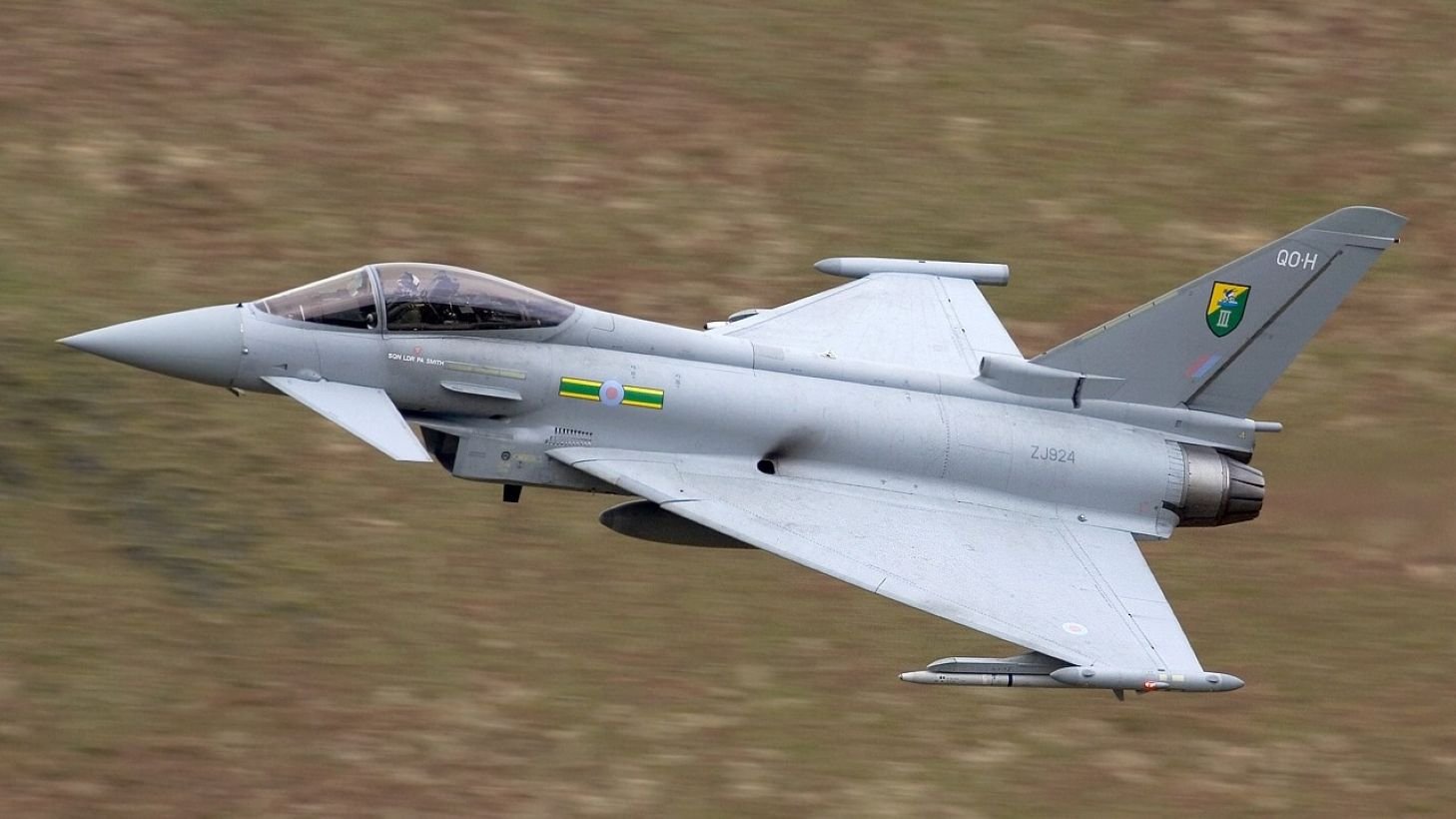
British defense officials have confirmed that UK forces are actively engaging Iranian drones and missiles in defensive operations across the region. RAF Typhoon jets and air defense systems based in the Gulf and Cyprus have intercepted multiple Iranian drones potentially targeting allied facilities, including in Qatar and Iraq. UK personnel stationed at Gulf bases — including a contingent just 200 metres from an Iranian strike in Bahrain — have been involved in defending coalition assets and personnel.
UK Government Position: Defensive, Not at War
Despite these developments, London has been at pains to clarify that the UK is not at war with Iran:
-
The United Kingdom Ministry of Defence and Foreign Secretary Yvette Cooper have reiterated that British involvement is limited and defensive, aimed at protecting citizens and regional partners while upholding international law.
-
Cooper dismissed comparisons to past British involvement in Iraq, stressing that the UK’s actions are proportionate, legal, and focused on defense and deterrence.
-
Authorities are also preparing evacuation plans for British nationals across the region due to the risk environment.
Domestic and Political Reactions
The government’s policy shift has sparked debate at home:
-
Former U.S. President Donald Trump has criticized Starmer for delaying the decision to grant U.S. forces access to British bases, calling the pause disappointing.
-
Opposition voices and defense analysts have expressed concern that the UK’s defensive support could nonetheless draw the country into deeper involvement if the conflict broadens.
Strategic and Regional Context
The decision to authorize U.S. use of British bases for defensive operations comes amid escalating conflict after U.S. and Israeli strikes on Iran earlier this week, which included hits on leadership and missile infrastructure. In response, Tehran has launched missiles and drones against U.S. and allied facilities across the Gulf and Eastern Mediterranean region, including attacks near Kuwait, Bahrain, and now Cyprus.
The UK’s shift reflects a broader trend of regional allies balancing defensive responses with diplomatic caution as the conflict spreads beyond Iranian territory.
Outlook
For now, the UK maintains it is not at war but is participating in regional defensive operations with allies. The RAF’s role in drone interception and the use of British bases for U.S. defensive targeting mark a new phase in London’s involvement as Operation Epic Fury continues to evolve.
Recommended Comments