

Uncrowned Guard
Empire Staff
-
Joined
-
Last visited
Everything posted by Uncrowned Guard
-
Oil Price Decline Shapes New Dynamics in Russia-Ukraine Peace Talks Recent developments in the global oil market are influencing the diplomatic landscape surrounding the ongoing war in Ukraine. On May 5, U.S. President Donald Trump claimed that a sharp decline in oil prices has increased Russia's willingness to seek a negotiated resolution to the conflict. Speaking from the Oval Office, President Trump commented, "Oil has gone down, we are in a good position to settle, they want to settle. Ukraine wants to settle." This perspective comes as Russia, whose government data (cited by Bloomberg) show that oil and gas revenues comprised nearly 30% of its budget in early 2025, grapples with a roughly $15-per-barrel price drop since the beginning of the year. The country's finances have been further strained by rising war expenses. Market movements have been compounded by the Organization of the Petroleum Exporting Countries (OPEC), which agreed on May 3 to a significant production increase, further pressuring oil prices. Despite sanctions and price caps imposed by Western nations to limit Moscow's energy income, revenues from oil exports remain central to funding Russia's war effort. Stalled Negotiations and Divergent Peace Proposals President Trump suggested that peace negotiations have advanced, implying a potential breakthrough may be near. Yet, concrete developments have been elusive. Ukraine has shown readiness to accept a U.S.-backed, 30-day full ceasefire since March, provided Russia agrees to reciprocal terms. However, Moscow has instead demanded additional concessions—most notably, the cessation of foreign military aid to Ukraine. Former President Trump's own policy approach has been marked by a mix of assertive rhetoric and restraint; he has threatened new sanctions and tariffs against Moscow but has not enacted substantial new measures since taking office. There have been instances of temporary suspensions of military aid and intelligence sharing with Ukraine, but without longer-term strategic initiatives. On April 26, Trump expressed frustration with Russian President Vladimir Putin's stance and suggested the Kremlin might be using stalling tactics. Domestic Criticism and Calls for Stronger U.S. Leadership The White House's posture has drawn criticism from prominent political figures, most vocally from former Vice President Mike Pence. In a CNN interview published May 5, Pence argued that the administration’s efforts have "only emboldened Russia," stating, "If the last three years teaches us anything, it’s that Vladimir Putin doesn’t want peace; he wants Ukraine." Pence contended that Russian reluctance to agree to the proposed ceasefire, while Kyiv remains prepared to halt hostilities, underscores Moscow's aspirations beyond temporary truces. He further criticized what he described as the administration's wavering support for Ukraine and called for a clear U.S. commitment to continued military backing for Kyiv. "It’s the reason why, in this moment, we need to make it clear that the United States is going to continue to lead the free world, to provide Ukraine with the military support they need to repel the Russian invasion and achieve a just and lasting peace," Pence added. Prospects for Ceasefire Amid Symbolic Gestures In late April, the Kremlin declared a temporary "humanitarian truce" set to coincide with Russia’s Victory Day celebrations. While President Trump characterized this limited ceasefire as a meaningful step forward, Ukrainian President Volodymyr Zelensky dismissed it as a hollow gesture, lacking genuine intent for peace. The ongoing divergence in perspectives within the U.S. administration, as well as between Kyiv and Moscow, indicates enduring complexity in moving toward a comprehensive settlement. Pence warned of potential long-term consequences if Ukraine is left unsupported, invoking the broader strategic implications for European and international security. Looking Forward As fiscal pressures mount on Russia and international energy markets evolve, their impact on diplomatic negotiations is expected to widen. Whether falling oil prices will be sufficient to prompt major shifts in Russia's negotiating posture remains uncertain. With key stakeholders voicing differing approaches, the next steps in the drive toward a durable peace in Ukraine will be closely watched by the international community. View full article
-
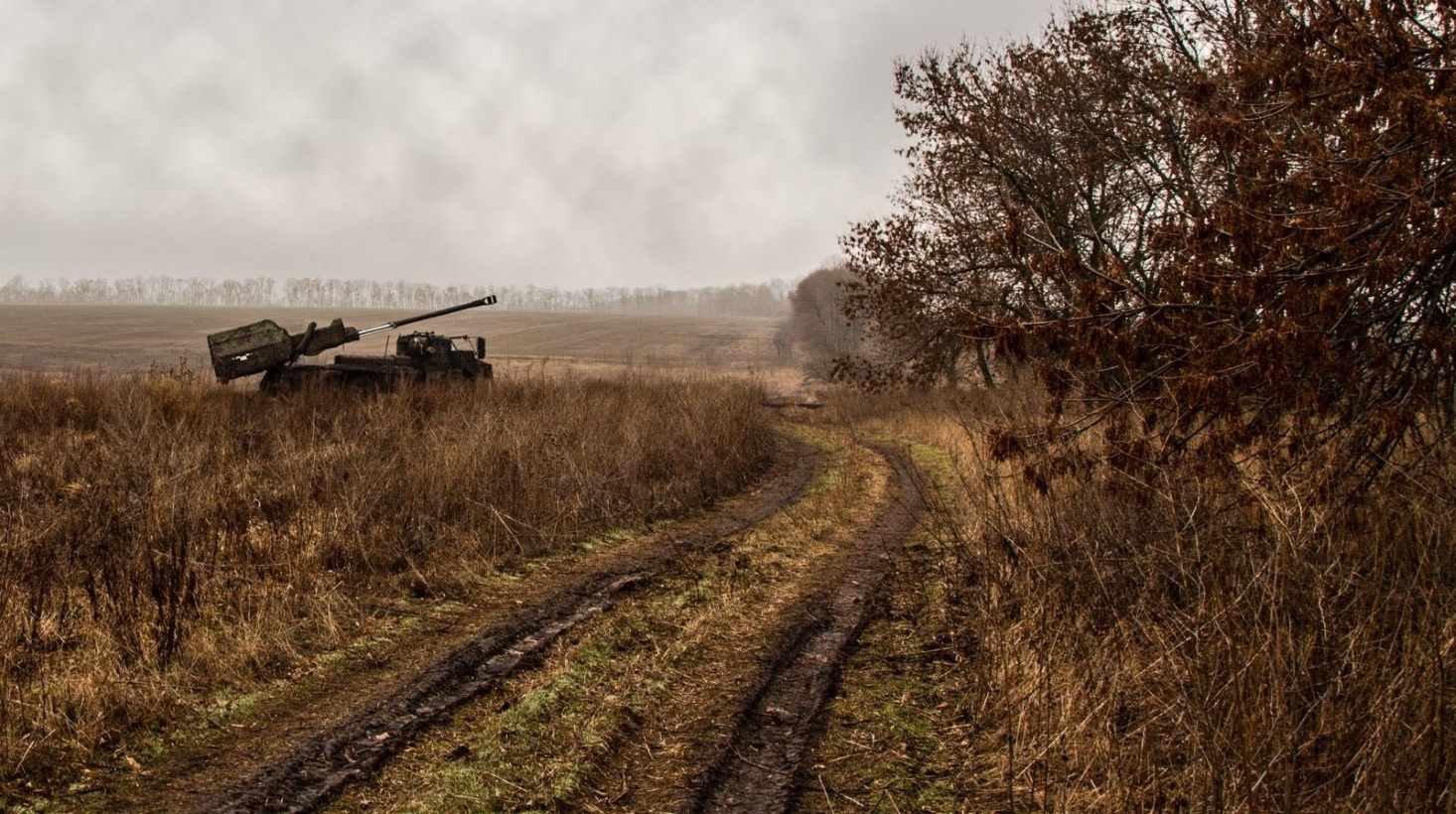 North Korea Officially Confirms Troop Deployment to Support Russia in Ukraine Conflict North Korea acknowledged on Monday that its military personnel are actively engaged in Russia's ongoing operations in Ukraine, marking the first state-sanctioned admission of direct involvement in the conflict by Pyongyang. The announcement, relayed through its Central Military Commission and broadcast via the Korean Central News Agency (KCNA), comes as international scrutiny rises over the growing military alliance between Pyongyang and Moscow. Mutual Defense Pact Leads to Deployment According to the KCNA statement, North Korean leader Kim Jong Un authorized the deployment of troops to Russia under the terms of a mutual defense agreement formalized in June. North Korean military leaders highlighted their forces' role in what they characterized as the recapture of Russia’s Kursk region from Ukrainian control, describing the operation as "victoriously concluded." Pyongyang emphasized the significance of its relationship with Russia, describing the partnership as a "sacred mission" crucial to fortifying longstanding bilateral ties. Kim Jong Un lauded the North Korean servicemembers involved, vowing to honor their sacrifices with commemorative monuments in Pyongyang and pledging "preferential treatment" for the families of those who participated. Russian President Vladimir Putin echoed this praise, commending the North Korean contingent's commitment, which he said showcased "solidarity, justice, and genuine camaraderie." Russian state media further celebrated the heroism and capabilities of the Korean People's Army units deployed to Kursk. Disputed Claims and Response from Kyiv and Seoul Despite the declarations of victory from Moscow and Pyongyang, Ukrainian authorities disputed Russian assertions, maintaining that hostilities are ongoing in parts of the Kursk Oblast. Official Ukrainian and South Korean sources have estimated that North Korea may have committed up to 12,000 troops to the region since the fall, though neither Russia nor North Korea has released specific figures regarding deployment strength or casualties. South Korean officials allege that approximately 4,700 North Korean soldiers have suffered casualties—about 600 of whom were killed—in just six months of fighting, figures presented by lawmaker Lee Seong-kweun based on intelligence reviews. The South Korean Ministry of National Defense has denounced Pyongyang’s deployment as a breach of international norms, urging North Korea to "immediately cease" what it described as illegal and inhumane military activity. Strategic Implications and International Concern The direct involvement in active combat marks North Korea’s first experience of modern warfare in over five decades, providing its soldiers with what analysts describe as valuable battlefield exposure and operational experience. Reports indicate North Korean units have adapted significantly, especially through the employment of new technologies, including drones. The mutual defense pact has reportedly brought strategic advantages for both nations. In exchange for its contributions, Pyongyang is believed to have received Russian technical assistance, particularly in satellite, drone, and missile technology, according to South Korean intelligence. International reactions have been sharply critical. The United States State Department characterized North Korea's role as exacerbating the bloodshed in Ukraine and reiterated that both Russian military assistance to North Korea and the training of its soldiers violate multiple United Nations Security Council resolutions. Broader Signs of Foreign Involvement The Korea-Russia cooperation is emerging amid broader claims of foreign fighters in the Ukrainian theater. Ukrainian President Volodymyr Zelensky recently reported the capture of two Chinese nationals fighting for Russia in Donetsk, suggesting that more combatants from Russia’s East Asian partners might be present in the region. Footage reported by Russian news agencies appears to confirm the presence of North Korean units training alongside Russian troops. However, the full extent, operational impact, and future trajectory of North Korea’s involvement remain closely monitored by Kyiv, Seoul, and Western governments alike. Conclusion North Korea’s open acknowledgment of its military deployment in Ukraine signals a notable shift in its international posture and deepens its alignment with Moscow. As scrutiny intensifies over the repercussions for global security and regional stability, the continuing presence of foreign troops in Ukraine adds a new dimension to the protracted conflict.
 -
North Korea Officially Confirms Troop Deployment to Support Russia in Ukraine Conflict North Korea acknowledged on Monday that its military personnel are actively engaged in Russia's ongoing operations in Ukraine, marking the first state-sanctioned admission of direct involvement in the conflict by Pyongyang. The announcement, relayed through its Central Military Commission and broadcast via the Korean Central News Agency (KCNA), comes as international scrutiny rises over the growing military alliance between Pyongyang and Moscow. Mutual Defense Pact Leads to Deployment According to the KCNA statement, North Korean leader Kim Jong Un authorized the deployment of troops to Russia under the terms of a mutual defense agreement formalized in June. North Korean military leaders highlighted their forces' role in what they characterized as the recapture of Russia’s Kursk region from Ukrainian control, describing the operation as "victoriously concluded." Pyongyang emphasized the significance of its relationship with Russia, describing the partnership as a "sacred mission" crucial to fortifying longstanding bilateral ties. Kim Jong Un lauded the North Korean servicemembers involved, vowing to honor their sacrifices with commemorative monuments in Pyongyang and pledging "preferential treatment" for the families of those who participated. Russian President Vladimir Putin echoed this praise, commending the North Korean contingent's commitment, which he said showcased "solidarity, justice, and genuine camaraderie." Russian state media further celebrated the heroism and capabilities of the Korean People's Army units deployed to Kursk. Disputed Claims and Response from Kyiv and Seoul Despite the declarations of victory from Moscow and Pyongyang, Ukrainian authorities disputed Russian assertions, maintaining that hostilities are ongoing in parts of the Kursk Oblast. Official Ukrainian and South Korean sources have estimated that North Korea may have committed up to 12,000 troops to the region since the fall, though neither Russia nor North Korea has released specific figures regarding deployment strength or casualties. South Korean officials allege that approximately 4,700 North Korean soldiers have suffered casualties—about 600 of whom were killed—in just six months of fighting, figures presented by lawmaker Lee Seong-kweun based on intelligence reviews. The South Korean Ministry of National Defense has denounced Pyongyang’s deployment as a breach of international norms, urging North Korea to "immediately cease" what it described as illegal and inhumane military activity. Strategic Implications and International Concern The direct involvement in active combat marks North Korea’s first experience of modern warfare in over five decades, providing its soldiers with what analysts describe as valuable battlefield exposure and operational experience. Reports indicate North Korean units have adapted significantly, especially through the employment of new technologies, including drones. The mutual defense pact has reportedly brought strategic advantages for both nations. In exchange for its contributions, Pyongyang is believed to have received Russian technical assistance, particularly in satellite, drone, and missile technology, according to South Korean intelligence. International reactions have been sharply critical. The United States State Department characterized North Korea's role as exacerbating the bloodshed in Ukraine and reiterated that both Russian military assistance to North Korea and the training of its soldiers violate multiple United Nations Security Council resolutions. Broader Signs of Foreign Involvement The Korea-Russia cooperation is emerging amid broader claims of foreign fighters in the Ukrainian theater. Ukrainian President Volodymyr Zelensky recently reported the capture of two Chinese nationals fighting for Russia in Donetsk, suggesting that more combatants from Russia’s East Asian partners might be present in the region. Footage reported by Russian news agencies appears to confirm the presence of North Korean units training alongside Russian troops. However, the full extent, operational impact, and future trajectory of North Korea’s involvement remain closely monitored by Kyiv, Seoul, and Western governments alike. Conclusion North Korea’s open acknowledgment of its military deployment in Ukraine signals a notable shift in its international posture and deepens its alignment with Moscow. As scrutiny intensifies over the repercussions for global security and regional stability, the continuing presence of foreign troops in Ukraine adds a new dimension to the protracted conflict. View full article
-
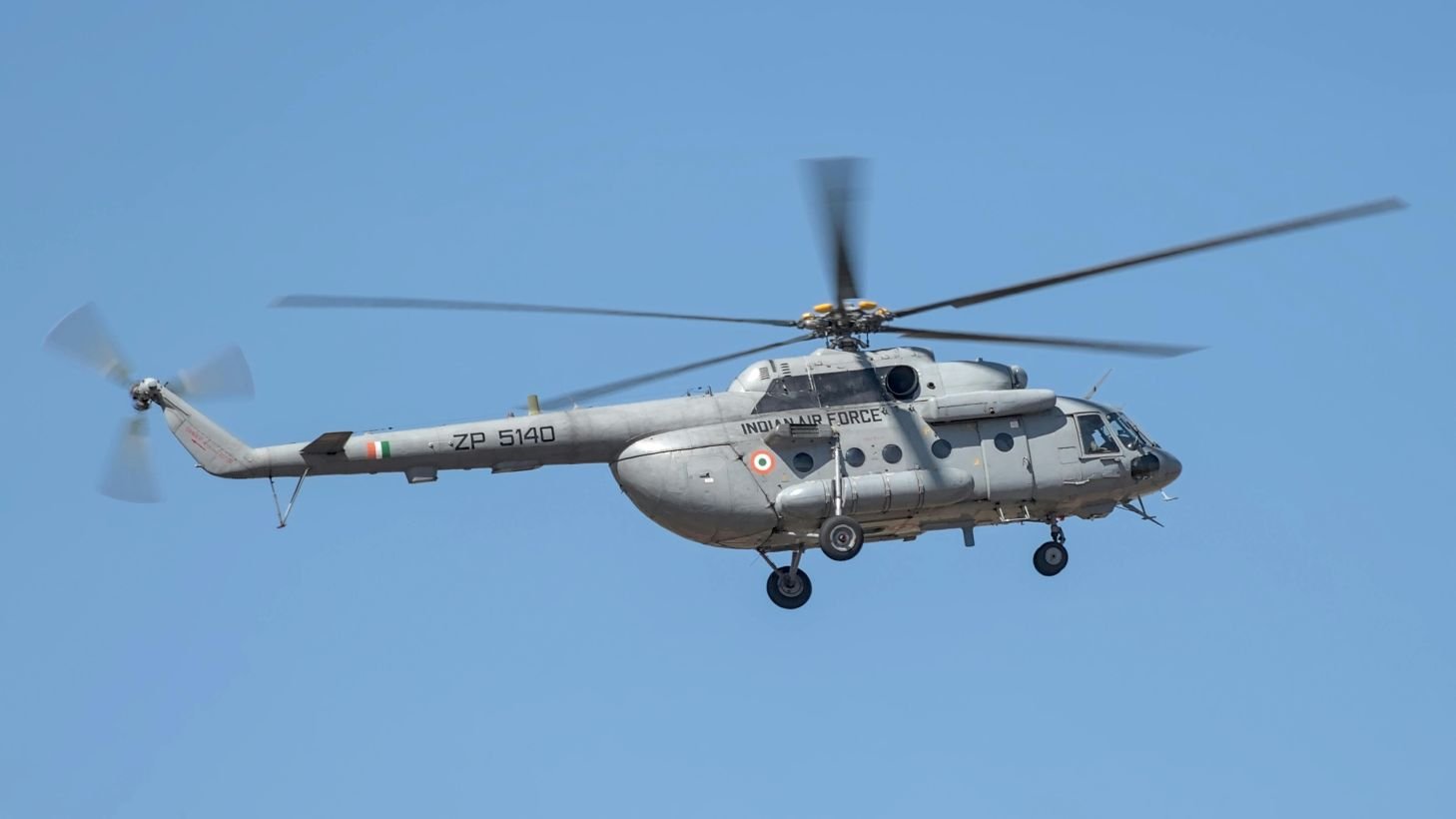 Heightened Tensions as Pakistan Warns of Potential Indian Military Action Rising tensions between India and Pakistan have drawn international concern after Pakistan announced it possesses "credible intelligence" indicating a potential imminent Indian military operation. The warning follows a deadly attack in Indian-administered Kashmir, intensifying friction between the nuclear-armed rivals. Deadly Kashmir Attack Sparks Diplomatic Strain On April 22, a violent assault in the Pahalgam region of Indian Kashmir left 26 people dead. Authorities in India reported that the attackers singled out Hindu tourists before opening fire. Indian officials have attributed the attack to militants, identifying two of the assailants as Pakistani nationals, and referred to them as "terrorists." Pakistan has firmly denied involvement, calling for an impartial international probe into the incident. The disputed Himalayan region of Kashmir—claimed in full by both nations, but governed in parts by each—remains a focal point of conflict. While New Delhi has long accused Islamabad of supporting separatist militancy, Pakistan asserts that it only offers moral and diplomatic backing for Kashmiri aspirations of self-determination. Diplomatic Fallout and Military Movements Following the attack, both neighbors undertook reciprocal measures. Pakistan temporarily closed its airspace to Indian airlines, while New Delhi responded by suspending the Indus Waters Treaty, a key agreement over shared river resources. In the latest move, India closed its airspace to Pakistani airlines. Pakistani officials stated they had received intelligence that India intends to conduct military action "in the next 24-36 hours" based on "baseless and concocted allegations" relating to the Pahalgam attack. Calls to India's foreign and defense ministries for comment went unanswered. Despite the crisis, routine weekly talks between Indian and Pakistani military leaders took place, according to sources from both countries. However, reports indicate exchanges of small-arms fire have occurred nightly along the Line of Control, though no casualties have been confirmed. The two sides reaffirmed a ceasefire in 2021 and maintain regular communication to manage border incidents. International Calls for Restraint and Accountability The situation has elicited concern from international actors. U.S. Secretary of State Marco Rubio urged both countries to de-escalate during discussions with officials from both sides. Pakistani Prime Minister Shehbaz Sharif appealed to Washington to encourage India to act "responsibly," while Rubio pressed Islamabad to fully cooperate in the investigation of the attack. Furthermore, U.N. Secretary-General Antonio Guterres underscored the necessity of averting a confrontation with potentially "tragic consequences." In Britain, authorities have called for calm within the Indian and Pakistani communities and advised against non-essential travel to Jammu and Kashmir. Domestic Responses and Strategic Deliberations India’s Prime Minister Narendra Modi has pledged to pursue those responsible for the Pahalgam attack, assuring the nation of decisive action. Modi's cabinet committee on security, composed of top ministers, has convened twice since the incident to evaluate the evolving situation. According to government sources, India’s military leadership has been granted autonomy in shaping an appropriate response. Meanwhile, the government in Islamabad has reiterated its condemnation of terrorism "in all forms" and expressed readiness to respond "assuredly and decisively" to any military provocation. As both nations navigate the fallout from the Kashmir attack, diplomatic channels remain active but strained. The next steps taken by New Delhi and Islamabad—and the influence of international actors—will be closely watched amid fears of further escalation in one of the world’s most volatile regions.
 -
Heightened Tensions as Pakistan Warns of Potential Indian Military Action Rising tensions between India and Pakistan have drawn international concern after Pakistan announced it possesses "credible intelligence" indicating a potential imminent Indian military operation. The warning follows a deadly attack in Indian-administered Kashmir, intensifying friction between the nuclear-armed rivals. Deadly Kashmir Attack Sparks Diplomatic Strain On April 22, a violent assault in the Pahalgam region of Indian Kashmir left 26 people dead. Authorities in India reported that the attackers singled out Hindu tourists before opening fire. Indian officials have attributed the attack to militants, identifying two of the assailants as Pakistani nationals, and referred to them as "terrorists." Pakistan has firmly denied involvement, calling for an impartial international probe into the incident. The disputed Himalayan region of Kashmir—claimed in full by both nations, but governed in parts by each—remains a focal point of conflict. While New Delhi has long accused Islamabad of supporting separatist militancy, Pakistan asserts that it only offers moral and diplomatic backing for Kashmiri aspirations of self-determination. Diplomatic Fallout and Military Movements Following the attack, both neighbors undertook reciprocal measures. Pakistan temporarily closed its airspace to Indian airlines, while New Delhi responded by suspending the Indus Waters Treaty, a key agreement over shared river resources. In the latest move, India closed its airspace to Pakistani airlines. Pakistani officials stated they had received intelligence that India intends to conduct military action "in the next 24-36 hours" based on "baseless and concocted allegations" relating to the Pahalgam attack. Calls to India's foreign and defense ministries for comment went unanswered. Despite the crisis, routine weekly talks between Indian and Pakistani military leaders took place, according to sources from both countries. However, reports indicate exchanges of small-arms fire have occurred nightly along the Line of Control, though no casualties have been confirmed. The two sides reaffirmed a ceasefire in 2021 and maintain regular communication to manage border incidents. International Calls for Restraint and Accountability The situation has elicited concern from international actors. U.S. Secretary of State Marco Rubio urged both countries to de-escalate during discussions with officials from both sides. Pakistani Prime Minister Shehbaz Sharif appealed to Washington to encourage India to act "responsibly," while Rubio pressed Islamabad to fully cooperate in the investigation of the attack. Furthermore, U.N. Secretary-General Antonio Guterres underscored the necessity of averting a confrontation with potentially "tragic consequences." In Britain, authorities have called for calm within the Indian and Pakistani communities and advised against non-essential travel to Jammu and Kashmir. Domestic Responses and Strategic Deliberations India’s Prime Minister Narendra Modi has pledged to pursue those responsible for the Pahalgam attack, assuring the nation of decisive action. Modi's cabinet committee on security, composed of top ministers, has convened twice since the incident to evaluate the evolving situation. According to government sources, India’s military leadership has been granted autonomy in shaping an appropriate response. Meanwhile, the government in Islamabad has reiterated its condemnation of terrorism "in all forms" and expressed readiness to respond "assuredly and decisively" to any military provocation. As both nations navigate the fallout from the Kashmir attack, diplomatic channels remain active but strained. The next steps taken by New Delhi and Islamabad—and the influence of international actors—will be closely watched amid fears of further escalation in one of the world’s most volatile regions. View full article
-
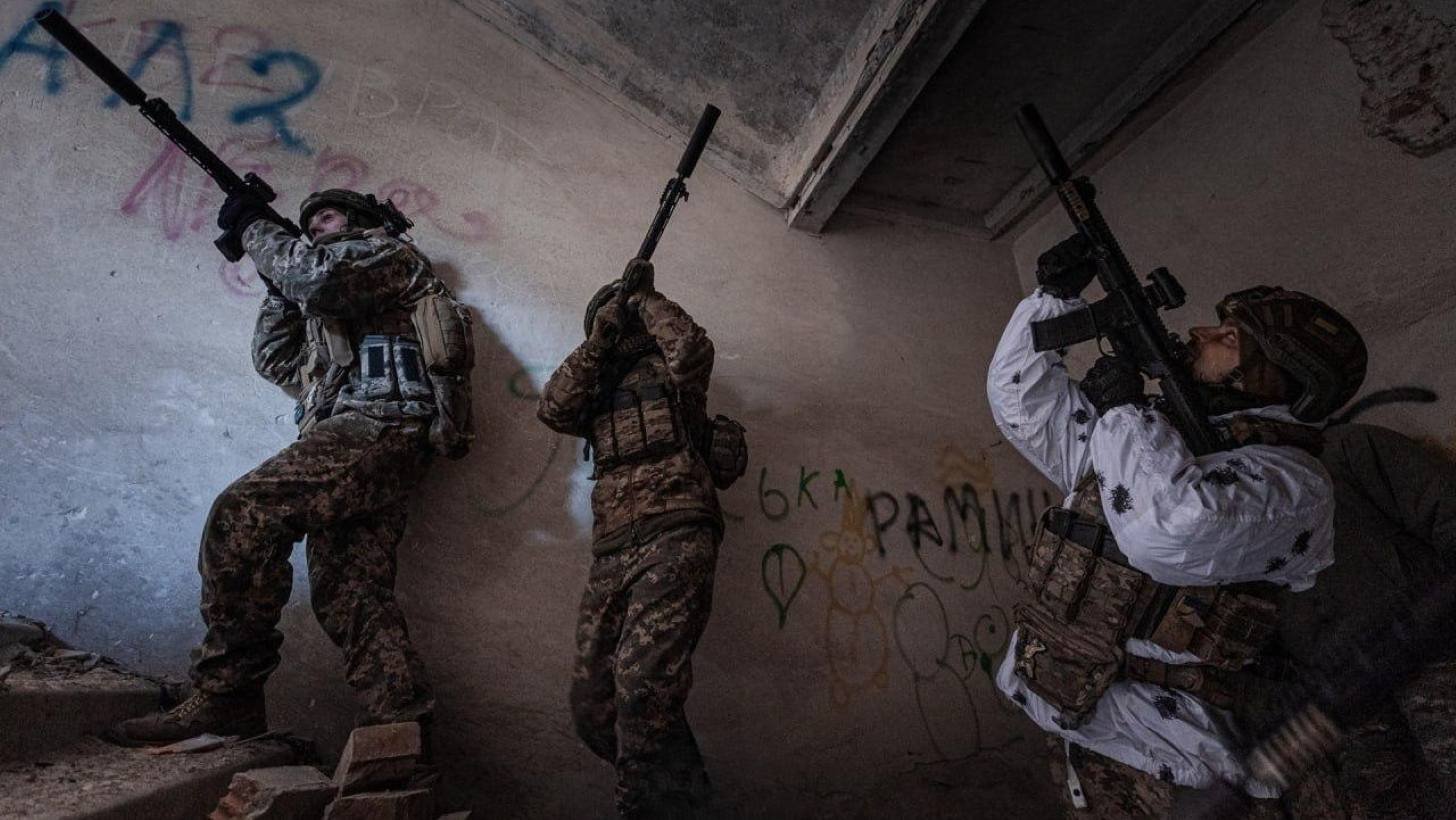 Russian Forces Escalate Offensive Across Multiple Fronts Russian military operations have intensified across several regions in southern and eastern Ukraine, according to statements made by Vladyslav Voloshyn, spokesperson for Ukraine's Southern Defense Forces, during a national broadcast on April 29. The escalation involves heightened activity in the Donetsk, Zaporizhzhia, and Kherson oblasts, with additional pressure reported near the border of Dnipropetrovsk Oblast. Renewed Push Toward Dnipropetrovsk Voloshyn confirmed that Russian troops have significantly increased their presence near Novopavlivka—a village in Dnipropetrovsk Oblast, adjacent to Donetsk. In the past day alone, Ukrainian forces engaged Russian troops in 23 combat encounters around Novopavlivka. The spokesperson described the fighting as “fierce,” emphasizing that Russian units are advancing toward the border area where Dnipropetrovsk, Zaporizhzhia, and Donetsk regions converge. Despite the sustained assaults, Russian forces have not yet crossed into Dnipropetrovsk Oblast, which remains under Ukrainian control. Strategic Pressure in the Zaporizhzhia Region Along the Orikhiv axis in Zaporizhzhia Oblast, the situation remains volatile. Russian forces are focused on breaching Ukrainian defensive lines near key settlements, including Mali Shcherbaky, Lobkove, and Stepove. Military analysts believe that if these positions were to fall, Russian artillery could threaten crucial logistical routes and even shell the city of Zaporizhzhia and its surrounding areas. Voloshyn highlighted the strategic significance of these advances, as holding a bridgehead in this sector could disrupt Ukrainian movement and supply in the region. Rising Tensions Along the Kherson Front The Kherson region has also experienced a spike in hostilities. According to the Southern Defense Forces, Russian troops have stepped up attempts to seize small islands in the Dnipro River. Ukrainian units reportedly succeeded in sinking most Russian landing craft, but some Russian soldiers managed to establish a foothold on the islands. “Those who make it across are supplied by air—drones deliver ammunition, water, and food; some remain stranded for days and, on occasion, surrender to Ukrainian forces,” Voloshyn reported. Truce Announcement Amid Intensified Activity This surge in military activity comes just days after Russian President Vladimir Putin announced a planned three-day ceasefire from May 8 to 11, marking the 80th anniversary of the end of World War II in Europe. The announcement has drawn skepticism amid ongoing ground offensives, as Ukrainian officials stress the apparent contradiction between the stated pause and actual conditions along the front lines. Outlook As Russia increases its operations across a broad swath of territory, Ukrainian defense officials continue to monitor and respond to shifting threats. The confluence of intensified combat and diplomatic gestures highlights the complex and unpredictable nature of the ongoing conflict. The coming days may prove pivotal as both militaries maneuver in anticipation of potential developments on multiple fronts.
 -
Russian Forces Escalate Offensive Across Multiple Fronts Russian military operations have intensified across several regions in southern and eastern Ukraine, according to statements made by Vladyslav Voloshyn, spokesperson for Ukraine's Southern Defense Forces, during a national broadcast on April 29. The escalation involves heightened activity in the Donetsk, Zaporizhzhia, and Kherson oblasts, with additional pressure reported near the border of Dnipropetrovsk Oblast. Renewed Push Toward Dnipropetrovsk Voloshyn confirmed that Russian troops have significantly increased their presence near Novopavlivka—a village in Dnipropetrovsk Oblast, adjacent to Donetsk. In the past day alone, Ukrainian forces engaged Russian troops in 23 combat encounters around Novopavlivka. The spokesperson described the fighting as “fierce,” emphasizing that Russian units are advancing toward the border area where Dnipropetrovsk, Zaporizhzhia, and Donetsk regions converge. Despite the sustained assaults, Russian forces have not yet crossed into Dnipropetrovsk Oblast, which remains under Ukrainian control. Strategic Pressure in the Zaporizhzhia Region Along the Orikhiv axis in Zaporizhzhia Oblast, the situation remains volatile. Russian forces are focused on breaching Ukrainian defensive lines near key settlements, including Mali Shcherbaky, Lobkove, and Stepove. Military analysts believe that if these positions were to fall, Russian artillery could threaten crucial logistical routes and even shell the city of Zaporizhzhia and its surrounding areas. Voloshyn highlighted the strategic significance of these advances, as holding a bridgehead in this sector could disrupt Ukrainian movement and supply in the region. Rising Tensions Along the Kherson Front The Kherson region has also experienced a spike in hostilities. According to the Southern Defense Forces, Russian troops have stepped up attempts to seize small islands in the Dnipro River. Ukrainian units reportedly succeeded in sinking most Russian landing craft, but some Russian soldiers managed to establish a foothold on the islands. “Those who make it across are supplied by air—drones deliver ammunition, water, and food; some remain stranded for days and, on occasion, surrender to Ukrainian forces,” Voloshyn reported. Truce Announcement Amid Intensified Activity This surge in military activity comes just days after Russian President Vladimir Putin announced a planned three-day ceasefire from May 8 to 11, marking the 80th anniversary of the end of World War II in Europe. The announcement has drawn skepticism amid ongoing ground offensives, as Ukrainian officials stress the apparent contradiction between the stated pause and actual conditions along the front lines. Outlook As Russia increases its operations across a broad swath of territory, Ukrainian defense officials continue to monitor and respond to shifting threats. The confluence of intensified combat and diplomatic gestures highlights the complex and unpredictable nature of the ongoing conflict. The coming days may prove pivotal as both militaries maneuver in anticipation of potential developments on multiple fronts. View full article
-
 Winchester Olin Expands with Acquisition of AMMO, Inc. Manufacturing Assets Renowned U.S. ammunition manufacturer, Olin Winchester, has announced the significant acquisition of AMMO, Inc.'s manufacturing assets. This includes a 185,000 square foot manufacturing and ballistic testing facility located in Manitowoc, Wisconsin, contributing to an expansion of Winchester's manufacturing prowess. This notable deal encompasses not only the physical assets of AMMO but also its employee base and ammunition manufacturing capabilities. AMMO Concentrates on Digital Platform Enhancement With the move, the parent company of GunBroker.com, AMMO has decided to shift its focus from manufacturing, turning towards the enhancement and scaling of its digital platform, GunBroker.com, hoping to provide an enriched user experience and subsequently generate increased value for shareholders. “The Company intends to focus resources on scaling its digital platform, improving user experience, and unlocking additional value for shareholders,” AMMO stated in a press release. “This sale will enable AMMO to accelerate growth as a pure-play e-commerce platform," expressed Christos Tsentas, chair of the AMMO board’s M&A Committee, showing confidence in the strategic move. Expected Benefits for Winchester Olin The newly acquired assets now contribute to the expansion of Olin's Winchester Ammunition business, including the addition of brass shellcase capabilities. The new world-class production facility in Manitowoc, Wisconsin, supplements Winchester's existing production capabilities, paving the way for broader specialization in a variety of high-margin specialty calibers. Olin Winchester anticipates substantial growth from this acquisition. The company forecasts that, following full integration, it can expect to yield an adjusted EBITDA (Earnings Before Interest, Taxes, Depreciation, and Amortization) of $40 million per annum. Ken Lane, Olin's President and CEO, stated: "This acquisition furthers our Winchester strategy to identify and secure small, bolt-on opportunities that are highly strategic and immediately accretive to Olin." He further projected that the investment in these world-class assets would pay off within three years. Moreover, Brett Flaugher, President of Winchester Ammunition, highlighted the expanded reach this move would afford, emphasizing how it would allow Winchester to tap into lucrative markets involving higher-value commercial, international military, and law enforcement calibers. This strategic move greatly benefits both parties. Winchester Olin augments its manufacturing capabilities, and AMMO, Inc. sharpens its focus on growing a leader in the online firearms marketplace, GunBroker.com, showcasing a unique balance of growth and focus in the ammunition and firearms sectors.
 -
Winchester Olin Expands with Acquisition of AMMO, Inc. Manufacturing Assets Renowned U.S. ammunition manufacturer, Olin Winchester, has announced the significant acquisition of AMMO, Inc.'s manufacturing assets. This includes a 185,000 square foot manufacturing and ballistic testing facility located in Manitowoc, Wisconsin, contributing to an expansion of Winchester's manufacturing prowess. This notable deal encompasses not only the physical assets of AMMO but also its employee base and ammunition manufacturing capabilities. AMMO Concentrates on Digital Platform Enhancement With the move, the parent company of GunBroker.com, AMMO has decided to shift its focus from manufacturing, turning towards the enhancement and scaling of its digital platform, GunBroker.com, hoping to provide an enriched user experience and subsequently generate increased value for shareholders. “The Company intends to focus resources on scaling its digital platform, improving user experience, and unlocking additional value for shareholders,” AMMO stated in a press release. “This sale will enable AMMO to accelerate growth as a pure-play e-commerce platform," expressed Christos Tsentas, chair of the AMMO board’s M&A Committee, showing confidence in the strategic move. Expected Benefits for Winchester Olin The newly acquired assets now contribute to the expansion of Olin's Winchester Ammunition business, including the addition of brass shellcase capabilities. The new world-class production facility in Manitowoc, Wisconsin, supplements Winchester's existing production capabilities, paving the way for broader specialization in a variety of high-margin specialty calibers. Olin Winchester anticipates substantial growth from this acquisition. The company forecasts that, following full integration, it can expect to yield an adjusted EBITDA (Earnings Before Interest, Taxes, Depreciation, and Amortization) of $40 million per annum. Ken Lane, Olin's President and CEO, stated: "This acquisition furthers our Winchester strategy to identify and secure small, bolt-on opportunities that are highly strategic and immediately accretive to Olin." He further projected that the investment in these world-class assets would pay off within three years. Moreover, Brett Flaugher, President of Winchester Ammunition, highlighted the expanded reach this move would afford, emphasizing how it would allow Winchester to tap into lucrative markets involving higher-value commercial, international military, and law enforcement calibers. This strategic move greatly benefits both parties. Winchester Olin augments its manufacturing capabilities, and AMMO, Inc. sharpens its focus on growing a leader in the online firearms marketplace, GunBroker.com, showcasing a unique balance of growth and focus in the ammunition and firearms sectors. View full article
-
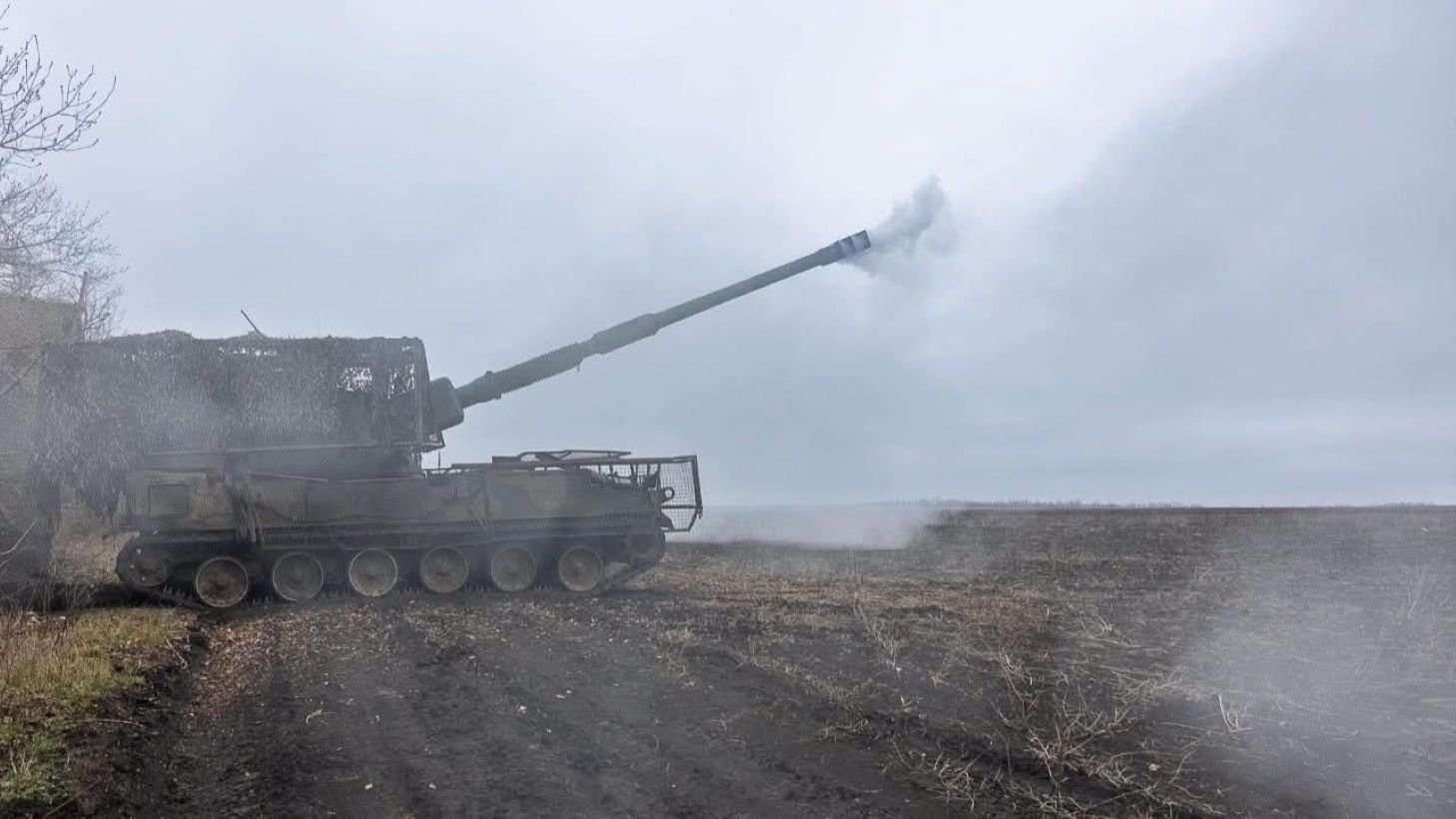 Norway Commits to Strengthening Ukrainian Brigade with Hefty Investment In a big move to bolster Ukraine's military strength, Norway has recently proclaimed a hefty pledge of approximately $937 million (equivalent to 10 billion Norwegian kroner). This funding will be directed towards the training and equipping of Ukraine's military brigade and is expected to take effect in 2025. Norwegian Defense Minister Tore O. Sandvik unveiled this plan during a Ukraine Defense Contact Group meeting on April 11 as per the official announcement made by the Norwegian government. A Nordic-Baltic Effort to Boost Ukraine’s Land Forces This substantial financial commitment is a part of a broader initiative to assist Ukraine's land forces, an initiative led by the Nordic-Baltic countries. In this endeavor, Norway has assumed the primary role for the training component and is articulating its strategies in tandem with Ukrainian authorities and allied nations. Emphasizing Norway's commitment, Sandvik stated, "Norway stands united with Europe for stronger support for Ukraine, politically, economically, and militarily." He stressed that this contribution demonstrates both a crucial boost in defense materials and acquisitions of ammunition and materiel from Ukrainian and international industries, along with the imperative of providing training. Enhancing Current Brigades Rather than Building New Ones Instead of risking the establishment of an entirely novel brigade, Norway's initiative is zeroing in on the development of modular units. These smaller components are designed to incorporate into and augment Ukraine's current brigades, which typically comprise 3,000 to 5,000 soldiers and boast a range of combat capabilities, thereby enabling them to operate autonomously. Sandvik emphasized the close cooperation between Norway and Ukrainian authorities to optimally fulfill Ukraine's military needs through this training and equipment. Previous initiatives from Ukraine's Western allies to train and equip new brigades have sparked controversy. Although France had committed to training and supplying military aid to the 155th Brigade, a Ukrainian project, critics highlighted management issues with the unit's development, allegedly leading to 1,700 soldiers going AWOL before seeing any combat. During the Brussels summit, Sandvik discussed these matters in a bilateral meeting with Ukrainian Defense Minister Rustem Umerov. Norway joins the U.K.'s Pledge for Joint Military Aid. In collaboration with the U.K., Norway has also pledged a joint $585 million military aid package to Ukraine. Bloomberg reports that the International Fund for Ukraine, led by the U.K., will be the channel through which the U.K. will contribute approximately $455 million, and Norway will chip in approximately $130 million. This package is designed to support the repair of previously provided equipment, radar systems, anti-tank mines, and hundreds of thousands of drones. In addition to these decisions, Oslo earlier this week committed $454 million towards the procurement of artillery shells for Ukraine, further demonstrating its dedication to enhancing the European nation's military capacities.
 -
Norway Commits to Strengthening Ukrainian Brigade with Hefty Investment In a big move to bolster Ukraine's military strength, Norway has recently proclaimed a hefty pledge of approximately $937 million (equivalent to 10 billion Norwegian kroner). This funding will be directed towards the training and equipping of Ukraine's military brigade and is expected to take effect in 2025. Norwegian Defense Minister Tore O. Sandvik unveiled this plan during a Ukraine Defense Contact Group meeting on April 11 as per the official announcement made by the Norwegian government. A Nordic-Baltic Effort to Boost Ukraine’s Land Forces This substantial financial commitment is a part of a broader initiative to assist Ukraine's land forces, an initiative led by the Nordic-Baltic countries. In this endeavor, Norway has assumed the primary role for the training component and is articulating its strategies in tandem with Ukrainian authorities and allied nations. Emphasizing Norway's commitment, Sandvik stated, "Norway stands united with Europe for stronger support for Ukraine, politically, economically, and militarily." He stressed that this contribution demonstrates both a crucial boost in defense materials and acquisitions of ammunition and materiel from Ukrainian and international industries, along with the imperative of providing training. Enhancing Current Brigades Rather than Building New Ones Instead of risking the establishment of an entirely novel brigade, Norway's initiative is zeroing in on the development of modular units. These smaller components are designed to incorporate into and augment Ukraine's current brigades, which typically comprise 3,000 to 5,000 soldiers and boast a range of combat capabilities, thereby enabling them to operate autonomously. Sandvik emphasized the close cooperation between Norway and Ukrainian authorities to optimally fulfill Ukraine's military needs through this training and equipment. Previous initiatives from Ukraine's Western allies to train and equip new brigades have sparked controversy. Although France had committed to training and supplying military aid to the 155th Brigade, a Ukrainian project, critics highlighted management issues with the unit's development, allegedly leading to 1,700 soldiers going AWOL before seeing any combat. During the Brussels summit, Sandvik discussed these matters in a bilateral meeting with Ukrainian Defense Minister Rustem Umerov. Norway joins the U.K.'s Pledge for Joint Military Aid. In collaboration with the U.K., Norway has also pledged a joint $585 million military aid package to Ukraine. Bloomberg reports that the International Fund for Ukraine, led by the U.K., will be the channel through which the U.K. will contribute approximately $455 million, and Norway will chip in approximately $130 million. This package is designed to support the repair of previously provided equipment, radar systems, anti-tank mines, and hundreds of thousands of drones. In addition to these decisions, Oslo earlier this week committed $454 million towards the procurement of artillery shells for Ukraine, further demonstrating its dedication to enhancing the European nation's military capacities. View full article
-
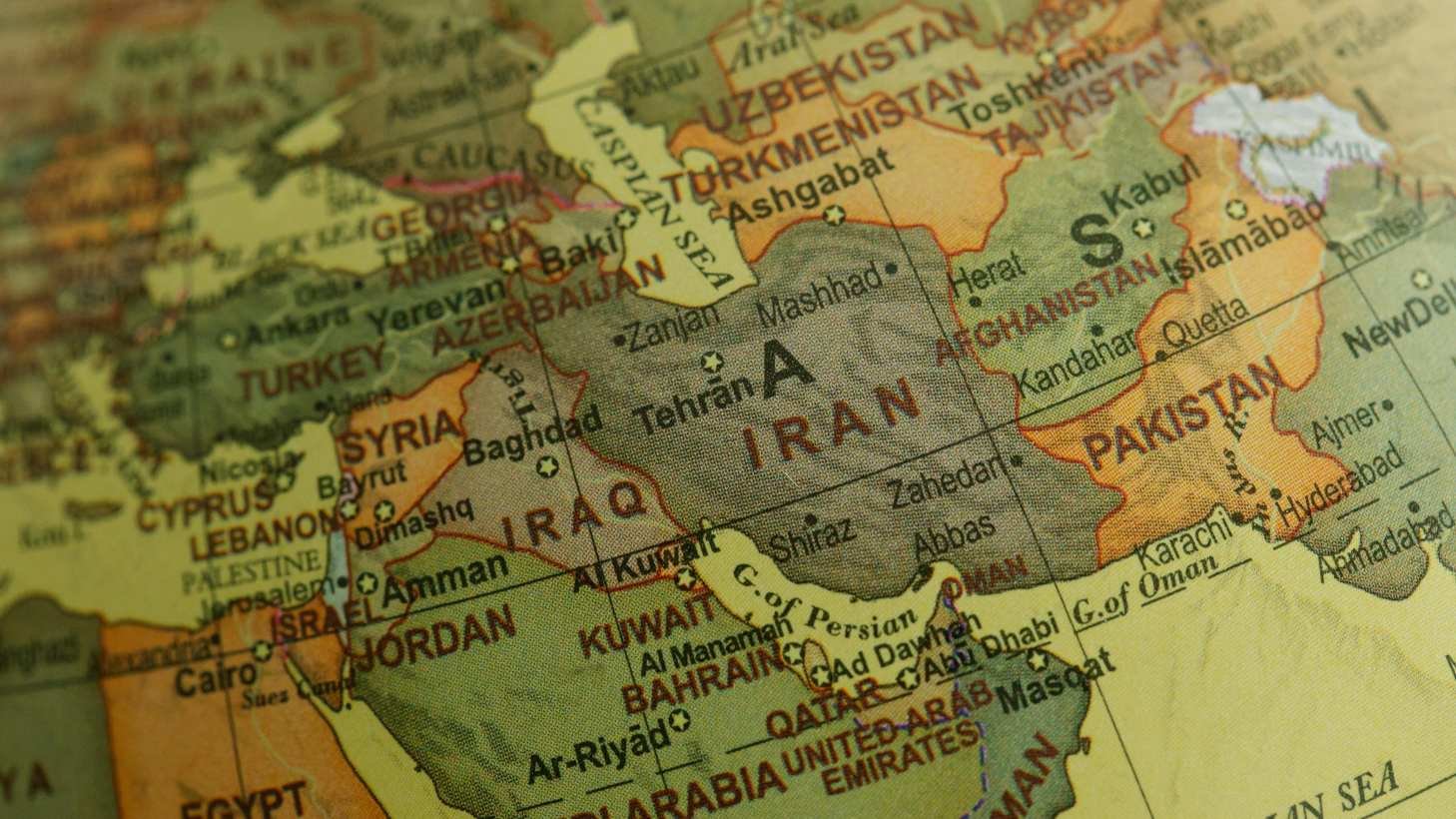 U.S. and Iran Engage in "Indirect" Nuclear Deal Negotiations The United States and Iran initiated 'indirect' dialogue in Oman regarding a new nuclear agreement on Saturday. High-level interactions between the two nations have been at a standstill since 2018, when President Donald Trump withdrew the U.S. from a previously established nuclear deal. These critical conversations, facilitated by the Trump administration's Middle East envoy Steve Witkoff and Iranian Foreign Minister Abbas Araghchi, are planned to reconvene after seven days. Oman: The Mediator in Ongoing Talks Omani Foreign Minister, Badr bin Hamad Al Busaidi, played a vital role as the intermediary of the dialogue. The negotiations followed a structure of indirect communication, with each side presenting their positions through four exchanges in separate rooms. However, Witkoff and Araghchi shared a short direct dialogue at the end of the meeting. A statement from the White House specified the productive nature of these talks and expressed gratitude towards the Sultanate of Oman for its support. Positive Atmosphere Amid Complicated Issues The White House further highlighted the complexity of the issues at hand in the negotiations and acknowledged that Witkoff's direct communication with Araghchi marked a step forward towards a mutually beneficial outcome. However, the Iranian foreign ministry indicated that the venue for the next dialogue may not necessarily be Oman. Araghchi noted that this initial interaction was conducted in a respectful scenario with both parties demonstrating commitment towards progressing the talks to reach a well-received agreement. The Iranian foreign minister aims to reach an 'initial understanding' with the U.S. and proceed to a negotiation process. Trump's Nuclear Ambitions and Iran's Regional Influence President Trump has given Iran a strict two-month deadline for a deal that significantly reduces or potentially eliminates its nuclear stockpile. He voiced his desire for Iran to be a prosperous nation, but without the possession of nuclear weapons. This stance was communicated earlier to Iran's supreme leader, Ayatollah Ali Khamenei, via a letter through the United Arab Emirates. The letter addressed Trump's desire for a peaceful resolution to prevent Iran from acquiring nuclear weapons and sidestep possible military strikes from the U.S. and its ally Israel. Iran's regional authority has been significantly weakened over the past few years due to Israeli strikes against Hezbollah in Lebanon, the overthrow of Syria's Bashar al-Assad, and unprecedented attacks within its borders. Despite these setbacks, Iran remains firm on its negotiations' red lines, which include threatening language, exploitative demands related to its nuclear and defense sector. Hope for a Stronger Agreement The Trump administration hopes for a more robust agreement than the 2015 nuclear deal, known as the Joint Comprehensive Plan of Action (JCPOA), led by the Obama administration. The JCPOA, which temporarily halted Iran's nuclear development, was signed by a coalition comprising China, Russia, France, Britain, Germany, the U.S., and the European Union. However, Trump deemed the JCPOA a failure and asserted that it financed a regime promoting terrorism. Therefore, a larger spectrum of issues concerning Iran must be addressed in the discussions, a senior administration official suggested. It currently remains unclear whether Iran will be willing to negotiate beyond returning to the JCPOA framework. The Long Road to Reaching an Agreement Assertion from various officials makes it evident that the primary objective is to ensure that Iran never acquires a nuclear weapon. However, reaching this goal requires sincere intentions and a genuine will to find common ground from both parties. Trump has warned it would be a "very bad day for Iran" if they were unsuccessful in this endeavor. As negotiations continue amidst this high-stakes diplomatic play, the world keenly watches the unfolding of events in hope for increased peace and stability in the Middle East.
 -
U.S. and Iran Engage in "Indirect" Nuclear Deal Negotiations The United States and Iran initiated 'indirect' dialogue in Oman regarding a new nuclear agreement on Saturday. High-level interactions between the two nations have been at a standstill since 2018, when President Donald Trump withdrew the U.S. from a previously established nuclear deal. These critical conversations, facilitated by the Trump administration's Middle East envoy Steve Witkoff and Iranian Foreign Minister Abbas Araghchi, are planned to reconvene after seven days. Oman: The Mediator in Ongoing Talks Omani Foreign Minister, Badr bin Hamad Al Busaidi, played a vital role as the intermediary of the dialogue. The negotiations followed a structure of indirect communication, with each side presenting their positions through four exchanges in separate rooms. However, Witkoff and Araghchi shared a short direct dialogue at the end of the meeting. A statement from the White House specified the productive nature of these talks and expressed gratitude towards the Sultanate of Oman for its support. Positive Atmosphere Amid Complicated Issues The White House further highlighted the complexity of the issues at hand in the negotiations and acknowledged that Witkoff's direct communication with Araghchi marked a step forward towards a mutually beneficial outcome. However, the Iranian foreign ministry indicated that the venue for the next dialogue may not necessarily be Oman. Araghchi noted that this initial interaction was conducted in a respectful scenario with both parties demonstrating commitment towards progressing the talks to reach a well-received agreement. The Iranian foreign minister aims to reach an 'initial understanding' with the U.S. and proceed to a negotiation process. Trump's Nuclear Ambitions and Iran's Regional Influence President Trump has given Iran a strict two-month deadline for a deal that significantly reduces or potentially eliminates its nuclear stockpile. He voiced his desire for Iran to be a prosperous nation, but without the possession of nuclear weapons. This stance was communicated earlier to Iran's supreme leader, Ayatollah Ali Khamenei, via a letter through the United Arab Emirates. The letter addressed Trump's desire for a peaceful resolution to prevent Iran from acquiring nuclear weapons and sidestep possible military strikes from the U.S. and its ally Israel. Iran's regional authority has been significantly weakened over the past few years due to Israeli strikes against Hezbollah in Lebanon, the overthrow of Syria's Bashar al-Assad, and unprecedented attacks within its borders. Despite these setbacks, Iran remains firm on its negotiations' red lines, which include threatening language, exploitative demands related to its nuclear and defense sector. Hope for a Stronger Agreement The Trump administration hopes for a more robust agreement than the 2015 nuclear deal, known as the Joint Comprehensive Plan of Action (JCPOA), led by the Obama administration. The JCPOA, which temporarily halted Iran's nuclear development, was signed by a coalition comprising China, Russia, France, Britain, Germany, the U.S., and the European Union. However, Trump deemed the JCPOA a failure and asserted that it financed a regime promoting terrorism. Therefore, a larger spectrum of issues concerning Iran must be addressed in the discussions, a senior administration official suggested. It currently remains unclear whether Iran will be willing to negotiate beyond returning to the JCPOA framework. The Long Road to Reaching an Agreement Assertion from various officials makes it evident that the primary objective is to ensure that Iran never acquires a nuclear weapon. However, reaching this goal requires sincere intentions and a genuine will to find common ground from both parties. Trump has warned it would be a "very bad day for Iran" if they were unsuccessful in this endeavor. As negotiations continue amidst this high-stakes diplomatic play, the world keenly watches the unfolding of events in hope for increased peace and stability in the Middle East. View full article
-
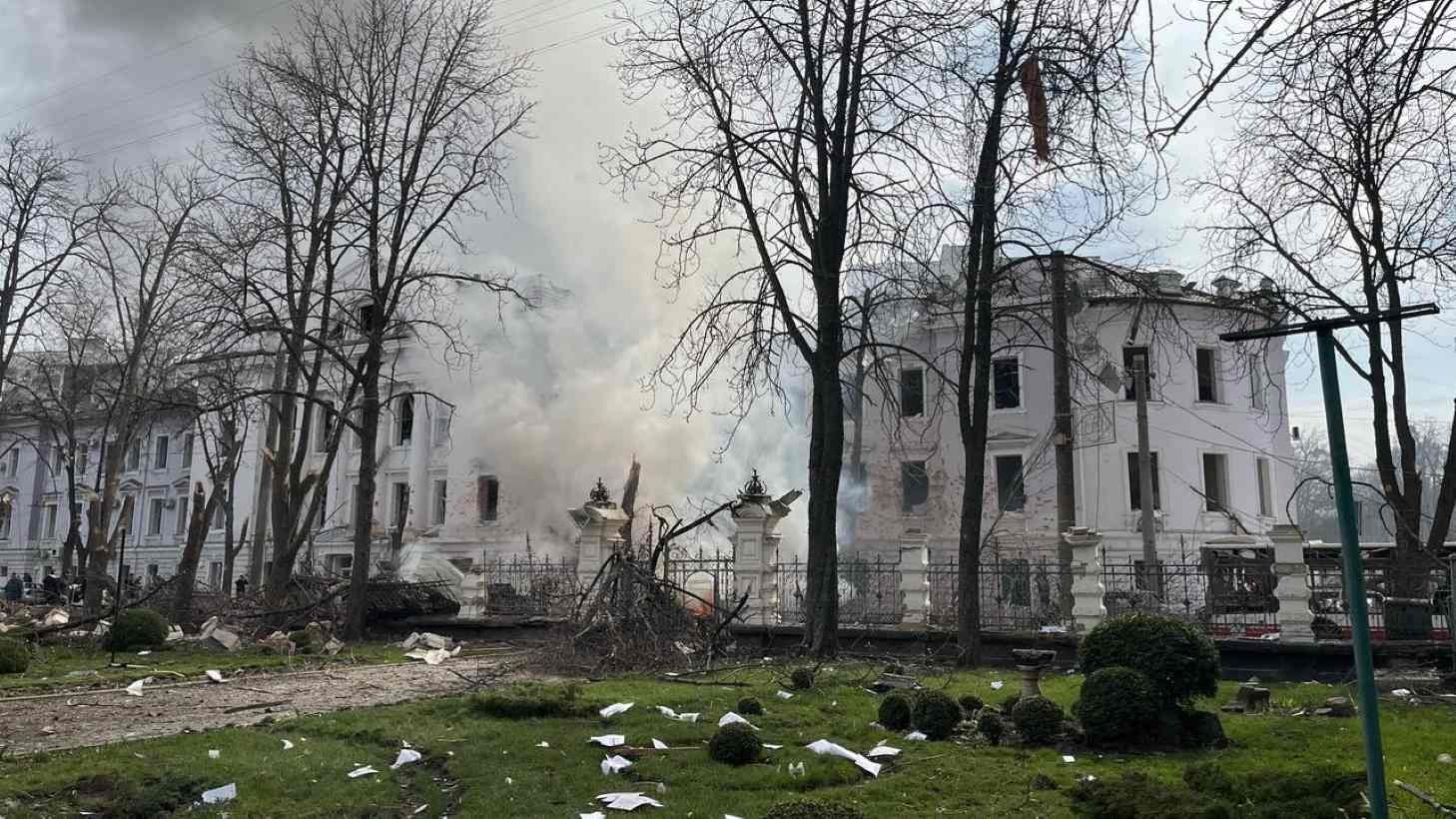 Global Outcry Over Deadly Missile Strike on Sumy In an unprecedented assault, a Russian missile hit the Ukrainian city of Sumy, leading to the demise of at least 32 civilians, amongst which were two children. This incident stands as one of the most lethal attacks on urban regions to date. Strong Words of Condemnation from Western Leaders The Western authorities instantly demanded culpability in the wake of the early morning devastation on April 13, Palm Sunday. This includes notable figures from the United States and France. Keith Kellogg, specially designated by U.S. President Donald Trump as the envoy to Ukraine, expressed his horror. He said, “Today's Palm Sunday attack by Russian forces on civilian targets in Sumy goes beyond any shred of human decency. The civilian death and injury toll is steep. As a former military leader, I'm cognizant of target selectivity, which is reprehensible. Hence, President Trump is striving urgently to bring peace.” France's President Emmanuel Macron unequivocally expressed his denunciation of the attack. He stated, “Earlier today, two Russian missiles penetrated the core of Sumy, Ukraine, resulting in several civilian victims, including children, yet again. The culpability lies with Russia for initiating this war. Today, Russia's conscious choice to perpetuate the war blatantly disregards human lives, international law, and President Trump's peace-making efforts.” President Macron further urged for swift international steps to pressurize Moscow into accepting a ceasefire and stated that “France, in conjunction with its partners, is ceaselessly striving for this objective.” Details of the Attack and Aftermath Per Ukrainian officials, two Iskander-M ballistic missiles were deployed from within Russia by the 112th and 448th Missile Brigades. These missiles, equipped with 9M723 fragmentation high-explosive warheads, impacted a crowded street in Sumy's center. Officials confirmed that the launch sites were Liski, Voronezh Oblast, and Lezhenki, Kursk Oblast. The attack resulted in mass destruction with ruins scattered across the streets. Emergency personnel, alongside volunteers, are painstakingly sifting through the wreckage in hope of finding survivors. Ukrainian authorities emphasized that the attack was intentional, pointing out that there were no military installations in the vicinity. The Ministry of Defense labeled the strike as a “calculated act of terror” and solicited increased Western military and humanitarian support. Despite intensive international mediation efforts, Russian missile and drone attacks have not ceased. These assaults continually target civilian infrastructure, leading to a high number of civilian casualties.
 -
Global Outcry Over Deadly Missile Strike on Sumy In an unprecedented assault, a Russian missile hit the Ukrainian city of Sumy, leading to the demise of at least 32 civilians, amongst which were two children. This incident stands as one of the most lethal attacks on urban regions to date. Strong Words of Condemnation from Western Leaders The Western authorities instantly demanded culpability in the wake of the early morning devastation on April 13, Palm Sunday. This includes notable figures from the United States and France. Keith Kellogg, specially designated by U.S. President Donald Trump as the envoy to Ukraine, expressed his horror. He said, “Today's Palm Sunday attack by Russian forces on civilian targets in Sumy goes beyond any shred of human decency. The civilian death and injury toll is steep. As a former military leader, I'm cognizant of target selectivity, which is reprehensible. Hence, President Trump is striving urgently to bring peace.” France's President Emmanuel Macron unequivocally expressed his denunciation of the attack. He stated, “Earlier today, two Russian missiles penetrated the core of Sumy, Ukraine, resulting in several civilian victims, including children, yet again. The culpability lies with Russia for initiating this war. Today, Russia's conscious choice to perpetuate the war blatantly disregards human lives, international law, and President Trump's peace-making efforts.” President Macron further urged for swift international steps to pressurize Moscow into accepting a ceasefire and stated that “France, in conjunction with its partners, is ceaselessly striving for this objective.” Details of the Attack and Aftermath Per Ukrainian officials, two Iskander-M ballistic missiles were deployed from within Russia by the 112th and 448th Missile Brigades. These missiles, equipped with 9M723 fragmentation high-explosive warheads, impacted a crowded street in Sumy's center. Officials confirmed that the launch sites were Liski, Voronezh Oblast, and Lezhenki, Kursk Oblast. The attack resulted in mass destruction with ruins scattered across the streets. Emergency personnel, alongside volunteers, are painstakingly sifting through the wreckage in hope of finding survivors. Ukrainian authorities emphasized that the attack was intentional, pointing out that there were no military installations in the vicinity. The Ministry of Defense labeled the strike as a “calculated act of terror” and solicited increased Western military and humanitarian support. Despite intensive international mediation efforts, Russian missile and drone attacks have not ceased. These assaults continually target civilian infrastructure, leading to a high number of civilian casualties. View full article
-
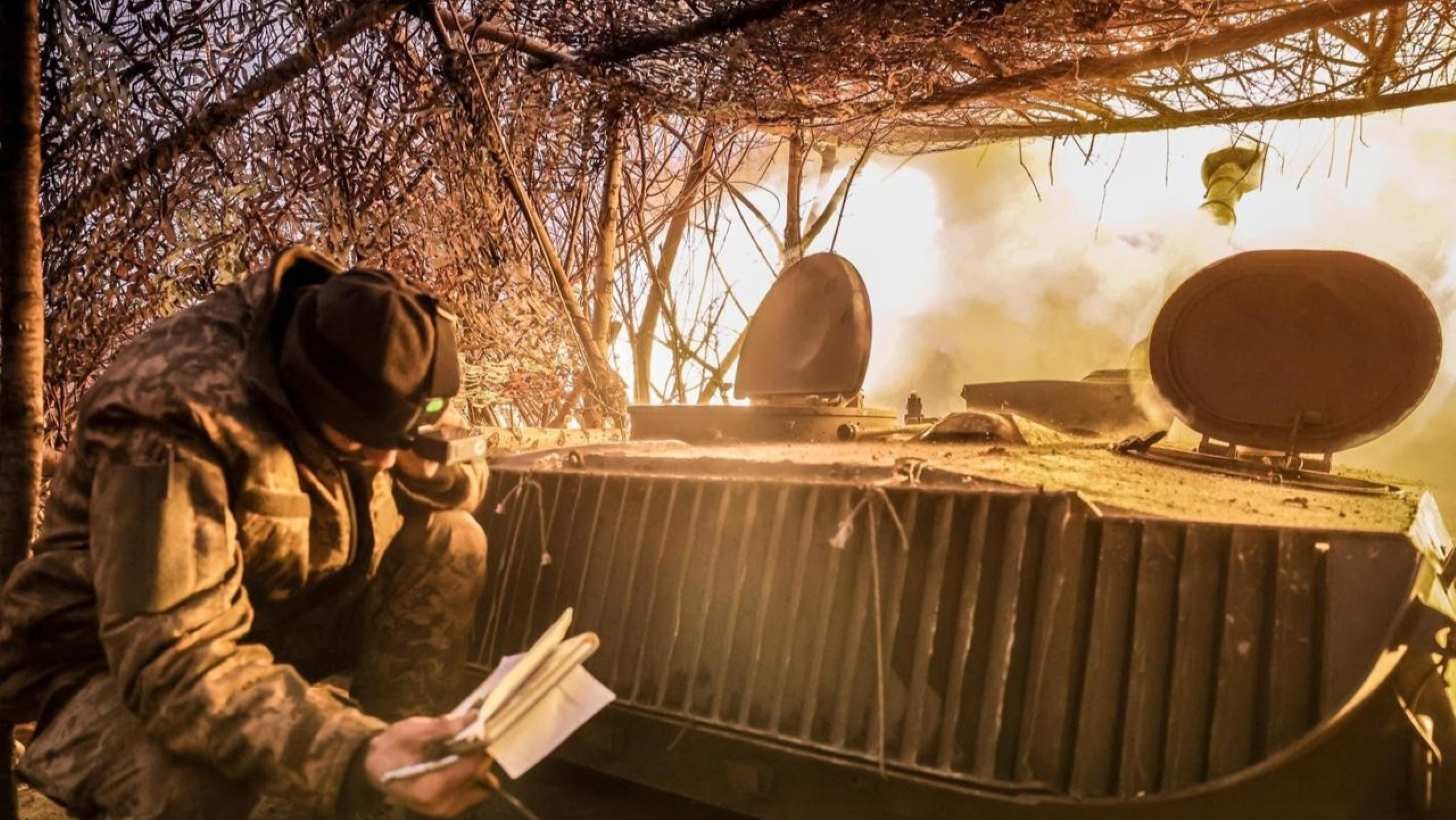 Russia's New Spring Offensive Engages in Northeastern Ukraine President Volodymyr Zelensky informed the press on April 9 about Russia's new spring offensive, focusing its forces in Northeastern Ukraine. According to Commander-in-Chief Oleksandr Syrskyi, indications show that Russia's campaign has already kicked off. This doesn't come as a surprise, as Zelensky previously hinted at Russia's preparedness for an imminent spring offensive against the Kharkiv and Sumy regions. Remarkable Presence of Russian Troops in Kursk The President further disclosed that over 67,000 Russian soldiers are presently stationed in Kursk, clearing the way for an imminent assault in Sumy. In what appears to be a strategic move, the Ukrainian Armed Forces have successfully thwarted any potential Russian advances toward Kharkiv and Sumy provinces from Russia's Belgorod Oblast. Zelensky outlined that Russia's relentless efforts have resulted in significant losses on their part, with the expectation of more attempts in the Kharkiv and Sumy regions. These assertions confirm the relentless determination of Russia to capture vast regions of Ukrainian territory. Russia’s Unchanged Agenda: Reflecting on the Initial Conflict Zelensky provided insights into Russia's unchanging strategies, expressing that their goals, which initially targeted Sumy, Kharkiv, and Zaporizhia directions, have seemingly remained intact. He elaborated, "They are persistent about the East. They aim to expand access to the borders of Donetsk and Luhansk provinces. This was their plan from the start of the war.” November 2024 marked a significant period for Russia, as it experienced substantial tactical gains. However, this progress quickly plateaued, and what followed was a sharp increase in losses and a noticeable reduction in advances. Zelensky’s Eye-Opening Remarks about Putin's New Offensive In a publicly released interview on March 26, Zelensky highlighted the escalating circumstances, asserting that Russia's President Vladimir Putin was preparing for a fresh offensive, primarily concentrating on Sumy and Kharkiv oblasts. Zelensky confirmed, "Putin is buying time and strategizing for a spring offensive. We have observed preparations for this impending operation." His remarks symbolize the escalating geopolitical tension and call for the world's attention to Russia's relentless pursuit of territorial acquisition.
 -
Russia's New Spring Offensive Engages in Northeastern Ukraine President Volodymyr Zelensky informed the press on April 9 about Russia's new spring offensive, focusing its forces in Northeastern Ukraine. According to Commander-in-Chief Oleksandr Syrskyi, indications show that Russia's campaign has already kicked off. This doesn't come as a surprise, as Zelensky previously hinted at Russia's preparedness for an imminent spring offensive against the Kharkiv and Sumy regions. Remarkable Presence of Russian Troops in Kursk The President further disclosed that over 67,000 Russian soldiers are presently stationed in Kursk, clearing the way for an imminent assault in Sumy. In what appears to be a strategic move, the Ukrainian Armed Forces have successfully thwarted any potential Russian advances toward Kharkiv and Sumy provinces from Russia's Belgorod Oblast. Zelensky outlined that Russia's relentless efforts have resulted in significant losses on their part, with the expectation of more attempts in the Kharkiv and Sumy regions. These assertions confirm the relentless determination of Russia to capture vast regions of Ukrainian territory. Russia’s Unchanged Agenda: Reflecting on the Initial Conflict Zelensky provided insights into Russia's unchanging strategies, expressing that their goals, which initially targeted Sumy, Kharkiv, and Zaporizhia directions, have seemingly remained intact. He elaborated, "They are persistent about the East. They aim to expand access to the borders of Donetsk and Luhansk provinces. This was their plan from the start of the war.” November 2024 marked a significant period for Russia, as it experienced substantial tactical gains. However, this progress quickly plateaued, and what followed was a sharp increase in losses and a noticeable reduction in advances. Zelensky’s Eye-Opening Remarks about Putin's New Offensive In a publicly released interview on March 26, Zelensky highlighted the escalating circumstances, asserting that Russia's President Vladimir Putin was preparing for a fresh offensive, primarily concentrating on Sumy and Kharkiv oblasts. Zelensky confirmed, "Putin is buying time and strategizing for a spring offensive. We have observed preparations for this impending operation." His remarks symbolize the escalating geopolitical tension and call for the world's attention to Russia's relentless pursuit of territorial acquisition. View full article
-
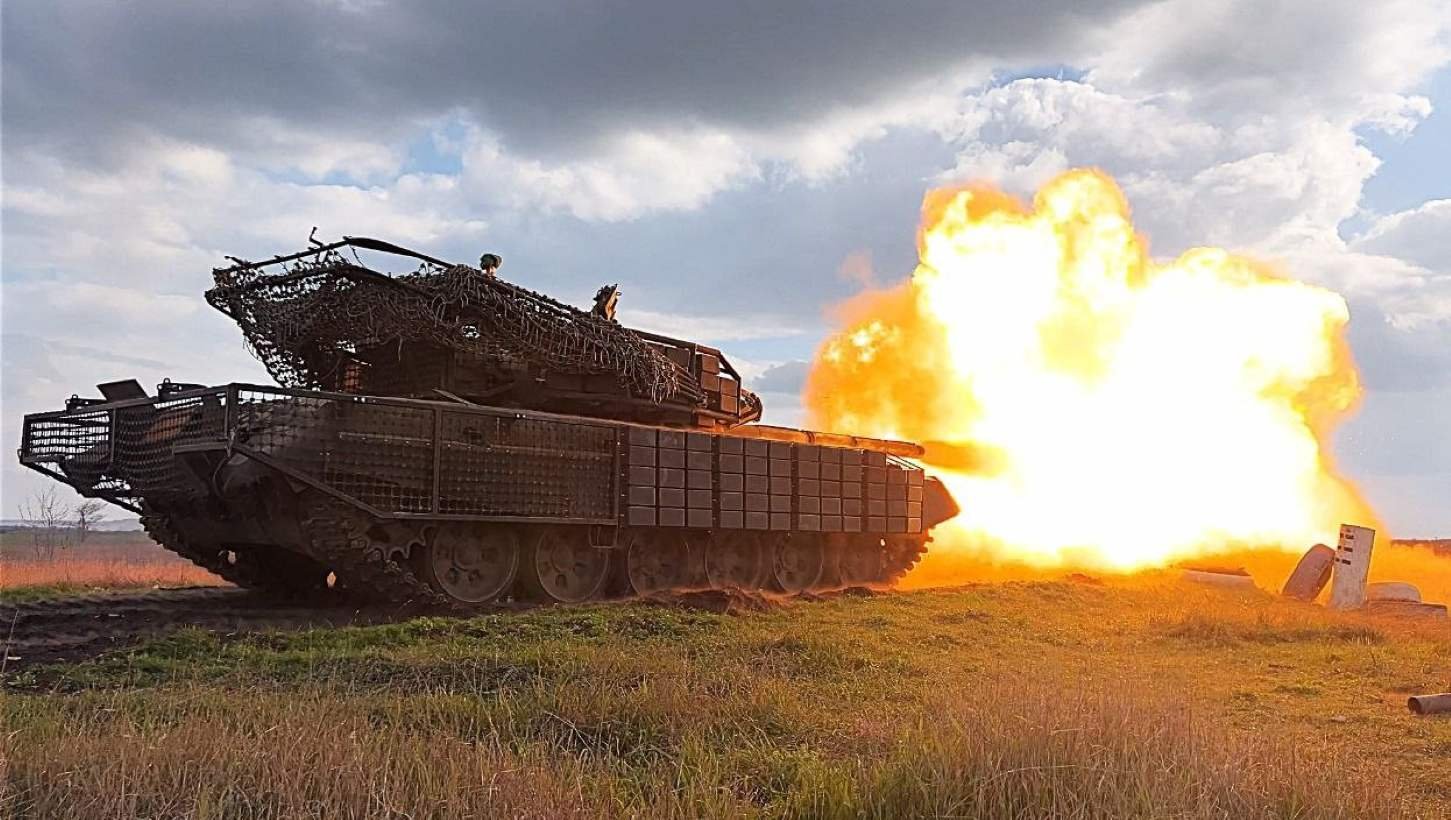 Chinese Nationals Combat Ukraine, According to Ukrainian Intelligence Over 160 Chinese citizens are actively involved in the war against Ukraine, serving under Russia's Armed Forces, as revealed by Ukrainian intelligence documents. This data, obtained by the Kyiv Independent, elucidates that 155 Chinese citizens are routing against Ukrainians on Ukrainian ground. The Ukrainian president, Mr. Volodymyr Zelensky, substantiated these claims and expressed concerns about this increasing foreign involvement. Ukrainian intelligence has successfully identified two Chinese soldiers, Wang Guangjun and Zhang Renbo. Interestingly, one of these captives stated that he paid a substantial sum to a middleman in his homeland to join the Russian military with the allure of Russian citizenship. Zelensky mentioned that propaganda fueling Chinese recruitment for the Russian military is rampant on Chinese social media. In response to these revelations, Beijing expressed that it is "verifying" the assertion, while reinforcing that involvement in foreign armed conflicts is illegal for Chinese citizens. Meanwhile, the U.S. State Department labeled the incident as "disturbing," promising to keep a close eye on these developments. Russia Rolls Out Spring Offensive, claims Ukrainian Commander-in-Chief. Russia's spring offensive against northeastern Ukraine has already taken shape, according to Commander-in-Chief Oleksandr Syrskyi. Syrskyi's remarks echo President Zelensky's warning about Moscow mobilizing forces for a new offensive against the Kharkiv and Sumy oblasts this season. Syrskyi confirmed, "this offensive has effectively already begun," pointing out a surge in Russian operations in principal sectors over the past week. Zelensky Shows Readiness to Invest in U.S. Military Aid In an effort to bolster Ukraine's defense, President Zelensky expressed Ukraine's readiness to invest up to $50 billion for potential military aid from the U.S. Despite funds from the Biden administration not yet being fully exhausted, Kyiv seeks additional aid from the U.S., viewing it as a potential security guarantee. Zelensky implied flexibility in the form in which they receive this aid, be it from a reconstruction investment fund or direct payments to the U.S., emphasizing their firm resolve to marshal both $30 billion and $50 billion for suitable aid. However, the provision of U.S. military assistance to Ukraine appears to be dwindling, as European nations have begun shouldering the majority of the aid, as per Commander-in-Chief Syrskyi.
 -
Chinese Nationals Combat Ukraine, According to Ukrainian Intelligence Over 160 Chinese citizens are actively involved in the war against Ukraine, serving under Russia's Armed Forces, as revealed by Ukrainian intelligence documents. This data, obtained by the Kyiv Independent, elucidates that 155 Chinese citizens are routing against Ukrainians on Ukrainian ground. The Ukrainian president, Mr. Volodymyr Zelensky, substantiated these claims and expressed concerns about this increasing foreign involvement. Ukrainian intelligence has successfully identified two Chinese soldiers, Wang Guangjun and Zhang Renbo. Interestingly, one of these captives stated that he paid a substantial sum to a middleman in his homeland to join the Russian military with the allure of Russian citizenship. Zelensky mentioned that propaganda fueling Chinese recruitment for the Russian military is rampant on Chinese social media. In response to these revelations, Beijing expressed that it is "verifying" the assertion, while reinforcing that involvement in foreign armed conflicts is illegal for Chinese citizens. Meanwhile, the U.S. State Department labeled the incident as "disturbing," promising to keep a close eye on these developments. Russia Rolls Out Spring Offensive, claims Ukrainian Commander-in-Chief. Russia's spring offensive against northeastern Ukraine has already taken shape, according to Commander-in-Chief Oleksandr Syrskyi. Syrskyi's remarks echo President Zelensky's warning about Moscow mobilizing forces for a new offensive against the Kharkiv and Sumy oblasts this season. Syrskyi confirmed, "this offensive has effectively already begun," pointing out a surge in Russian operations in principal sectors over the past week. Zelensky Shows Readiness to Invest in U.S. Military Aid In an effort to bolster Ukraine's defense, President Zelensky expressed Ukraine's readiness to invest up to $50 billion for potential military aid from the U.S. Despite funds from the Biden administration not yet being fully exhausted, Kyiv seeks additional aid from the U.S., viewing it as a potential security guarantee. Zelensky implied flexibility in the form in which they receive this aid, be it from a reconstruction investment fund or direct payments to the U.S., emphasizing their firm resolve to marshal both $30 billion and $50 billion for suitable aid. However, the provision of U.S. military assistance to Ukraine appears to be dwindling, as European nations have begun shouldering the majority of the aid, as per Commander-in-Chief Syrskyi. View full article
-
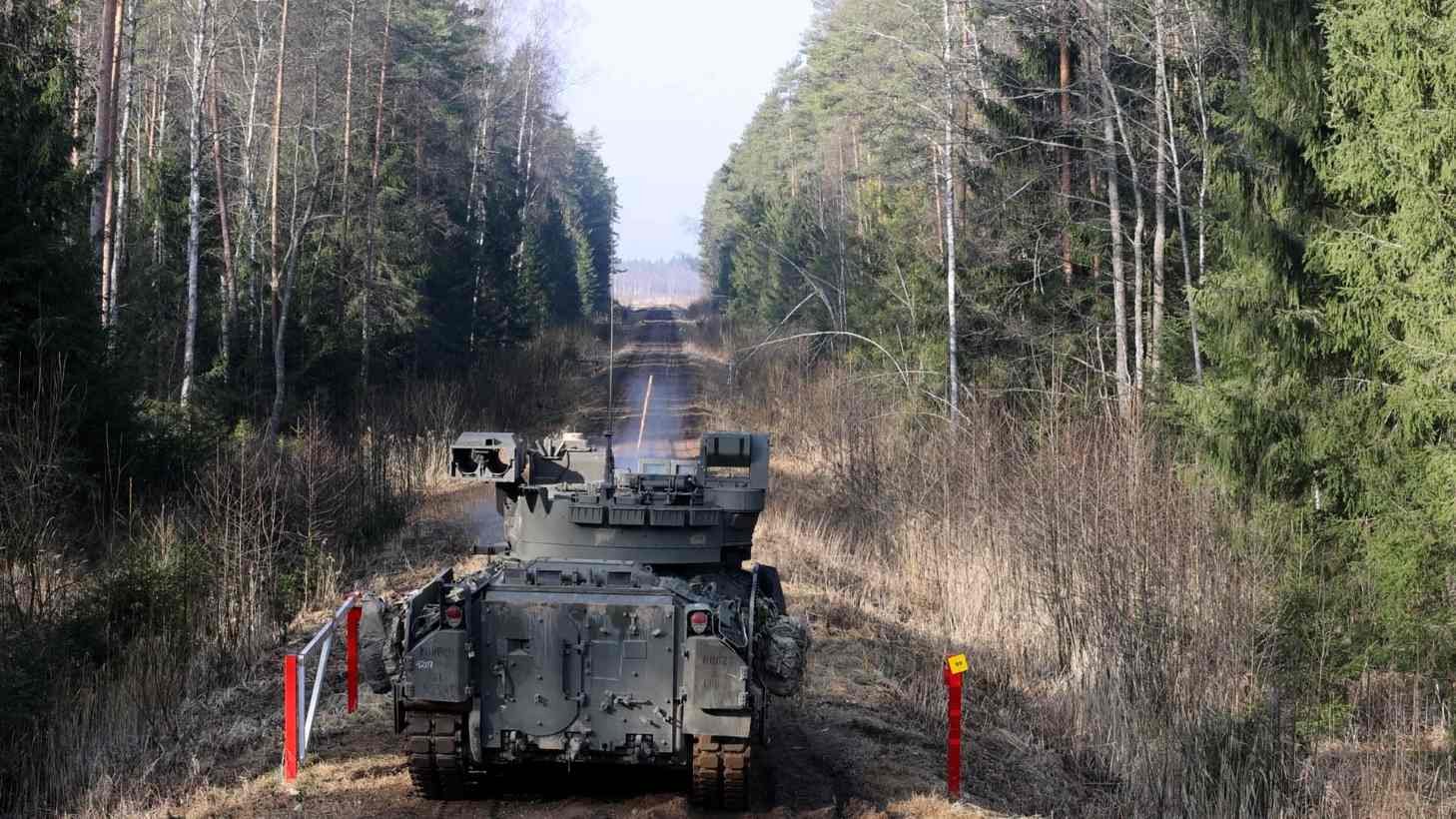 U.S. Pentagon Mulls Withdrawal of 10,000 Troops from Eastern Europe Top U.S. Defense Department officials are deliberating the possibility of pulling out up to 10,000 troops from Eastern Europe, as disclosed by six U.S. and European officials informed about these confidential discussions, reports NBC News. The proposal under consideration has sparked concerns across Europe and America, with apprehensions centering around empowering Russian President Vladimir Putin. Units Linked to Ukrainian Defense Considered for Withdrawal The units factored for potential withdrawal constitute half of the 20,000 troops, deployed by President Biden's administration in 2022. These forces aimed at bolstering the defenses of nations neighboring Ukraine following the Russian invasion. Discussions are ongoing over these prospective troop reductions in Poland and Romania, coinciding with President Trump's efforts to broker a ceasefire with Putin. If adopted by the Pentagon, this measure could amplify anxieties about the U.S. retreating from its enduring allies in Europe, who perceive Russia as an increasingly ominous threat, warned European officials. "Suspicion will arise within Russians that a downsizing of U.S. forces signifies the weakening of deterrence, thereby increasing their propensity to interfere in varied European matters," stated Seth Jones, a senior vice president at the Center for Strategic and International Studies. The Shift of U.S. Military Resources: From Europe to Asia The Trump administration has been candid about its expectations for European allies to shoulder more responsibility for their defense. This shift would then allow the U.S. to channel its military resources more towards other priorities, such as China. Pete Hegseth, during his initial overseas trip as Defense Secretary, in Brussels reiterated these sentiments, articulating the impracticality of the U.S. remaining the primary focus of Europe's security. The future policy roadmap includes a more significant focus on border security and countering China. The proposed top policy adviser and 3rd official to the Pentagon, Elbridge Colby, who is expected to be confirmed, has endorsed a more concentrated focus on the Chinese threat. This focus suggests a reprioritizing of resources that might lead to troop reductions in Europe. However, the proposition has not been devoid of criticism. Sen. Roger Wicker, chairman of the Armed Services Committee, at a hearing shared his disapproval of drastically reducing the U.S. military footprint in Europe, terming the views as "misguided and dangerous." Impact of U.S. Troop Withdrawal Approximately 80,000 American troops are presently stationed in Europe. Following Russia's war initiation, bipartisan lawmakers endorsed a robust U.S. military presence on NATO's eastern flank as a significant deterrent to Putin. However, President Trump is pushing for a ceasefire in alignment with his campaign promise of quick war termination. His stance significantly differs from Biden's who committed to aid Kyiv until ultimate victory. Ben Hodges, a retired Army general, expressed concerns regarding the proposed troop withdrawal, questioning the analysis and future implications on the region's deterrent capacity. On the other hand, the reduction of the U.S. military footprint in Europe would conserve resources with potential reallocation to the Indo-Pacific region, in line with identified strategic priorities by the administration. Amid growing concerns, Russia continues its military modernization, including the ramping up of weapons production. A Danish intelligence report indicated the potential for a large-scale war waged by Russia in Eastern Europe if NATO fails to reinforce its defenses within the next five years.
 -
U.S. Pentagon Mulls Withdrawal of 10,000 Troops from Eastern Europe Top U.S. Defense Department officials are deliberating the possibility of pulling out up to 10,000 troops from Eastern Europe, as disclosed by six U.S. and European officials informed about these confidential discussions, reports NBC News. The proposal under consideration has sparked concerns across Europe and America, with apprehensions centering around empowering Russian President Vladimir Putin. Units Linked to Ukrainian Defense Considered for Withdrawal The units factored for potential withdrawal constitute half of the 20,000 troops, deployed by President Biden's administration in 2022. These forces aimed at bolstering the defenses of nations neighboring Ukraine following the Russian invasion. Discussions are ongoing over these prospective troop reductions in Poland and Romania, coinciding with President Trump's efforts to broker a ceasefire with Putin. If adopted by the Pentagon, this measure could amplify anxieties about the U.S. retreating from its enduring allies in Europe, who perceive Russia as an increasingly ominous threat, warned European officials. "Suspicion will arise within Russians that a downsizing of U.S. forces signifies the weakening of deterrence, thereby increasing their propensity to interfere in varied European matters," stated Seth Jones, a senior vice president at the Center for Strategic and International Studies. The Shift of U.S. Military Resources: From Europe to Asia The Trump administration has been candid about its expectations for European allies to shoulder more responsibility for their defense. This shift would then allow the U.S. to channel its military resources more towards other priorities, such as China. Pete Hegseth, during his initial overseas trip as Defense Secretary, in Brussels reiterated these sentiments, articulating the impracticality of the U.S. remaining the primary focus of Europe's security. The future policy roadmap includes a more significant focus on border security and countering China. The proposed top policy adviser and 3rd official to the Pentagon, Elbridge Colby, who is expected to be confirmed, has endorsed a more concentrated focus on the Chinese threat. This focus suggests a reprioritizing of resources that might lead to troop reductions in Europe. However, the proposition has not been devoid of criticism. Sen. Roger Wicker, chairman of the Armed Services Committee, at a hearing shared his disapproval of drastically reducing the U.S. military footprint in Europe, terming the views as "misguided and dangerous." Impact of U.S. Troop Withdrawal Approximately 80,000 American troops are presently stationed in Europe. Following Russia's war initiation, bipartisan lawmakers endorsed a robust U.S. military presence on NATO's eastern flank as a significant deterrent to Putin. However, President Trump is pushing for a ceasefire in alignment with his campaign promise of quick war termination. His stance significantly differs from Biden's who committed to aid Kyiv until ultimate victory. Ben Hodges, a retired Army general, expressed concerns regarding the proposed troop withdrawal, questioning the analysis and future implications on the region's deterrent capacity. On the other hand, the reduction of the U.S. military footprint in Europe would conserve resources with potential reallocation to the Indo-Pacific region, in line with identified strategic priorities by the administration. Amid growing concerns, Russia continues its military modernization, including the ramping up of weapons production. A Danish intelligence report indicated the potential for a large-scale war waged by Russia in Eastern Europe if NATO fails to reinforce its defenses within the next five years. View full article
-
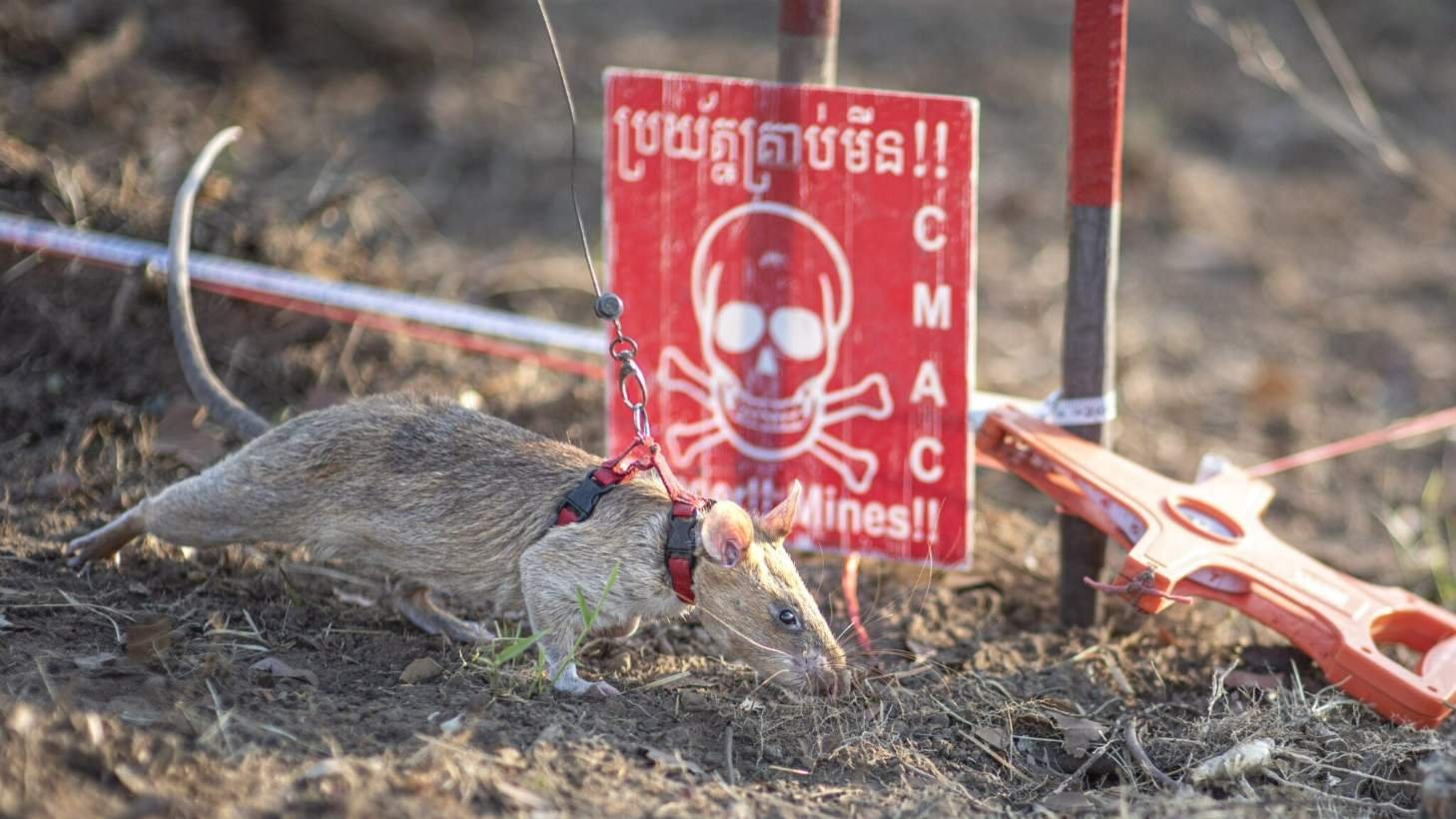 Record-breaking Hero Rat: Ronin's Contribution to Landmine Detection In the battlefields across the globe, landmines continue to present a perilous threat, not only to soldiers involved in active conflict but also to civilians long after the wars have ended. The silent danger of millions of concealed anti-personnel mines has led to innovative safety measures involving a rather unexpected ally: rats. One rat in particular, Ronin, has made history by detecting more landmines than any other rat has managed to, earning a place in the Guinness Book of World Records. Meet Ronin: The Guinness World Record Setting Rat Ronin, based out of Cambodia, has distinguished itself by detecting 109 landmines and 15 items of unexploded ordnance since 2021, as confirmed by APOPO, the charity responsible for training the African giant pouched rat. Ronin's impactful work is recognized in Preah Vihear Province, one of the country's most devastated by landmines, by both the locals and the Guinness Book of World Records. According to the latter, his crucial contribution has made a significant difference in the lives of countless individuals living under the everyday threat of unanticipated landmine explosions. World Rat Day: Recognizing Ronin’s Achievements in Landmine Detection On April 4, a date shared by International Day for Mine Awareness and Assistance in Mine Action and World Rat Day, the Guinness Book of World Records announced Ronin's illustrious achievement. Serving as one of several specially trained animals, Ronin partakes in global efforts to deactivate and remove landmines, working with a handler in the field between August 2021 and February 2025. How Ronin and his Fellow Rats Help Save Lives Trained to detect chemicals found in explosives, rats such as Ronin can cover terrain more quickly than a human using a metal detector. Their accurate olfactory abilities center on identifying chemical compositions, ensuring they do not get diverted by extraneous metal objects. Further complemented by systematic grid training, their petite size allows them to locate and approach landmines without triggering them. Ronin and his peers only require 30 minutes of work each day to make a significant impact. The Lingering Challenge of Landmines in Cambodia With an alarming estimated 4 to 6 million buried landmines originating from conflicts dating back to the 1960s, Cambodia remains one of the most heavily mined nations in the world. Despite extensive demining efforts, these concealed threats persist, culminating in injuries and fatalities. Ronin's record surpasses that of the previous record holder, Magawa, by 38 mines. The late Magawa, memorialized with a gold medal from a veterinary charity for his work, had detected 71 landmines and 38 unexploded ordnance. Landmines: A Persisting Global Issue Despite international diplomatic efforts, such as the 1997 Ottawa Treaty to curb the proliferation of landmines and ensure their removal, these hidden threats continue to lurk in various countries around the globe. People remain at risk, even in countries where conflicts have ceased, underlining the invaluable contributions of rats like Ronin in the struggle against this deadly, hidden enemy.
 -
Record-breaking Hero Rat: Ronin's Contribution to Landmine Detection In the battlefields across the globe, landmines continue to present a perilous threat, not only to soldiers involved in active conflict but also to civilians long after the wars have ended. The silent danger of millions of concealed anti-personnel mines has led to innovative safety measures involving a rather unexpected ally: rats. One rat in particular, Ronin, has made history by detecting more landmines than any other rat has managed to, earning a place in the Guinness Book of World Records. Meet Ronin: The Guinness World Record Setting Rat Ronin, based out of Cambodia, has distinguished itself by detecting 109 landmines and 15 items of unexploded ordnance since 2021, as confirmed by APOPO, the charity responsible for training the African giant pouched rat. Ronin's impactful work is recognized in Preah Vihear Province, one of the country's most devastated by landmines, by both the locals and the Guinness Book of World Records. According to the latter, his crucial contribution has made a significant difference in the lives of countless individuals living under the everyday threat of unanticipated landmine explosions. World Rat Day: Recognizing Ronin’s Achievements in Landmine Detection On April 4, a date shared by International Day for Mine Awareness and Assistance in Mine Action and World Rat Day, the Guinness Book of World Records announced Ronin's illustrious achievement. Serving as one of several specially trained animals, Ronin partakes in global efforts to deactivate and remove landmines, working with a handler in the field between August 2021 and February 2025. How Ronin and his Fellow Rats Help Save Lives Trained to detect chemicals found in explosives, rats such as Ronin can cover terrain more quickly than a human using a metal detector. Their accurate olfactory abilities center on identifying chemical compositions, ensuring they do not get diverted by extraneous metal objects. Further complemented by systematic grid training, their petite size allows them to locate and approach landmines without triggering them. Ronin and his peers only require 30 minutes of work each day to make a significant impact. The Lingering Challenge of Landmines in Cambodia With an alarming estimated 4 to 6 million buried landmines originating from conflicts dating back to the 1960s, Cambodia remains one of the most heavily mined nations in the world. Despite extensive demining efforts, these concealed threats persist, culminating in injuries and fatalities. Ronin's record surpasses that of the previous record holder, Magawa, by 38 mines. The late Magawa, memorialized with a gold medal from a veterinary charity for his work, had detected 71 landmines and 38 unexploded ordnance. Landmines: A Persisting Global Issue Despite international diplomatic efforts, such as the 1997 Ottawa Treaty to curb the proliferation of landmines and ensure their removal, these hidden threats continue to lurk in various countries around the globe. People remain at risk, even in countries where conflicts have ceased, underlining the invaluable contributions of rats like Ronin in the struggle against this deadly, hidden enemy. View full article
-
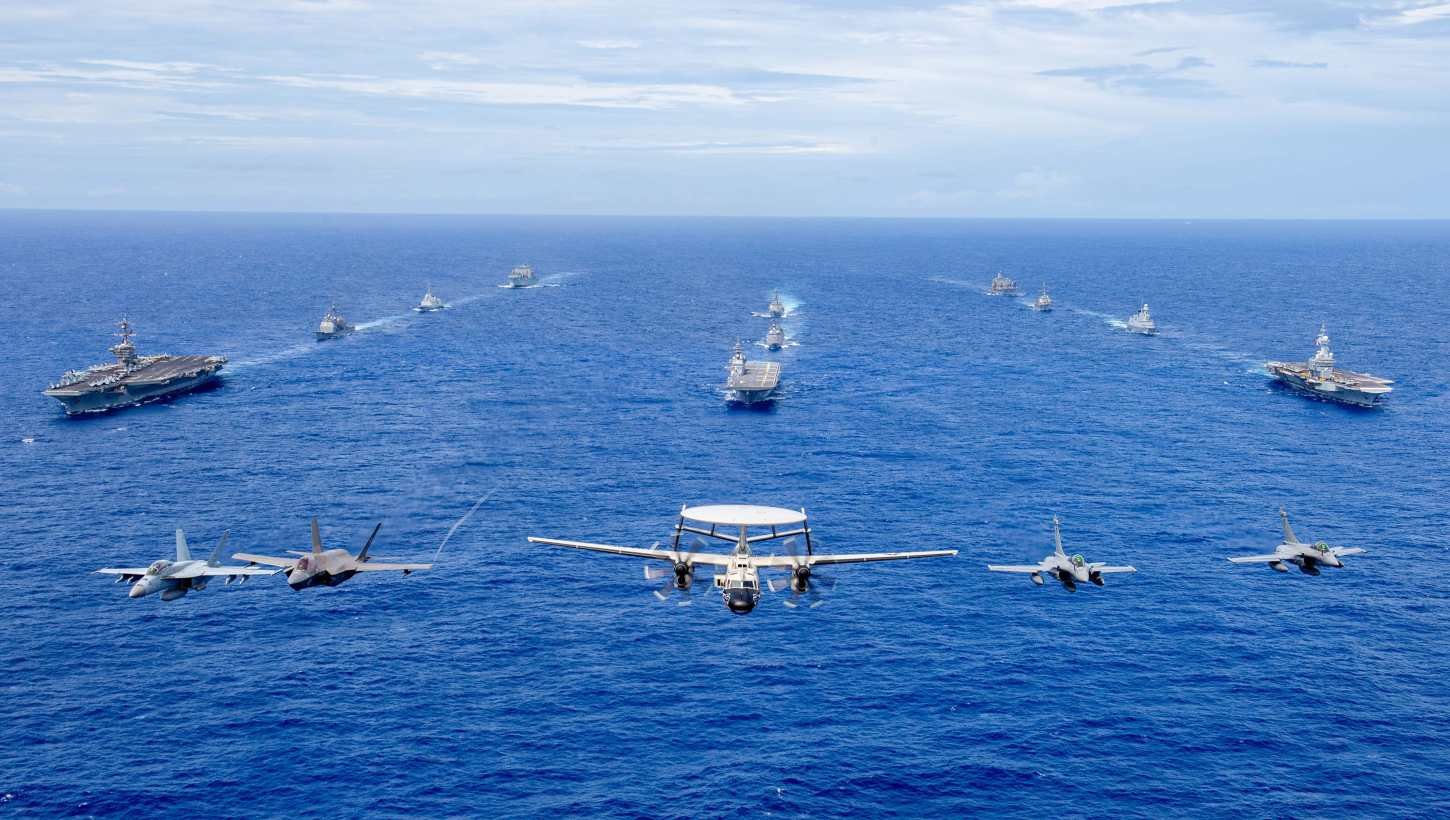 Trump Proposes Record-Setting $1 Trillion Defense Budget President Donald Trump has recently suggested plans to pass a defense budget that could reach figures around $1 trillion, marking it as the most significant in the history of the United States. The proposed budget speaks to the necessity of reinforcing the military's strength in the face of escalating global threats. While addressing a meeting at the White House with Israeli Prime Minister Benjamin Netanyahu on Monday, the President stated, "We have to be careful about the costs involved, but there's an urgent need to strengthen our military infrastructure due to the presence of numerous dangerous forces worldwide." Trillion Dollar Budget Underway for 2026 Fiscal Year Although an official budget proposal for the 2026 fiscal year is yet to be put forth, indications from the President's statements confirm that the White House is actively considering a considerable hike in defense appropriation, despite the ongoing temporary funding regulations. Full details of the budget plan are anticipated to be revealed by spring. Seconding President Trump's pronouncement, Defense Secretary Pete Hegseth shared on X, "The first TRILLION dollar @DeptofDefense budget is underway. President @realDonaldTrump is on a mission to revamp our military, and that too, rapidly. We are committed to using every cent of taxpayers' money wisely, prioritizing lethality and readiness." Implications and Repercussions of the Proposed Budget Observers believe that the budget might be released in parts, possibly inaugurating with a "bare bones" budget containing only preliminary round figures. The proposition comes while the Department of Defense is undergoing an internal audit aimed at cutting down around $50 billion yearly spending throughout fiscal year 2026 and beyond. Reports suggest that the review might lead to a resource reallocation from long-standing programs to emerging ones, such as space, cyber operations, and force readiness. Concomitantly, the Pentagon is considering reducing its civilian staff by approximately 5% to 8%, suggesting a larger transition in defense strategies under the current administration. However, neither the White House nor the Pentagon has given further comments or additional information regarding the proposed budget increase.
 -
Trump Proposes Record-Setting $1 Trillion Defense Budget President Donald Trump has recently suggested plans to pass a defense budget that could reach figures around $1 trillion, marking it as the most significant in the history of the United States. The proposed budget speaks to the necessity of reinforcing the military's strength in the face of escalating global threats. While addressing a meeting at the White House with Israeli Prime Minister Benjamin Netanyahu on Monday, the President stated, "We have to be careful about the costs involved, but there's an urgent need to strengthen our military infrastructure due to the presence of numerous dangerous forces worldwide." Trillion Dollar Budget Underway for 2026 Fiscal Year Although an official budget proposal for the 2026 fiscal year is yet to be put forth, indications from the President's statements confirm that the White House is actively considering a considerable hike in defense appropriation, despite the ongoing temporary funding regulations. Full details of the budget plan are anticipated to be revealed by spring. Seconding President Trump's pronouncement, Defense Secretary Pete Hegseth shared on X, "The first TRILLION dollar @DeptofDefense budget is underway. President @realDonaldTrump is on a mission to revamp our military, and that too, rapidly. We are committed to using every cent of taxpayers' money wisely, prioritizing lethality and readiness." Implications and Repercussions of the Proposed Budget Observers believe that the budget might be released in parts, possibly inaugurating with a "bare bones" budget containing only preliminary round figures. The proposition comes while the Department of Defense is undergoing an internal audit aimed at cutting down around $50 billion yearly spending throughout fiscal year 2026 and beyond. Reports suggest that the review might lead to a resource reallocation from long-standing programs to emerging ones, such as space, cyber operations, and force readiness. Concomitantly, the Pentagon is considering reducing its civilian staff by approximately 5% to 8%, suggesting a larger transition in defense strategies under the current administration. However, neither the White House nor the Pentagon has given further comments or additional information regarding the proposed budget increase. View full article