Skip to content

Advertisement

Advertisement

Uncrowned Armory News

Long-Awaited Deal Secured
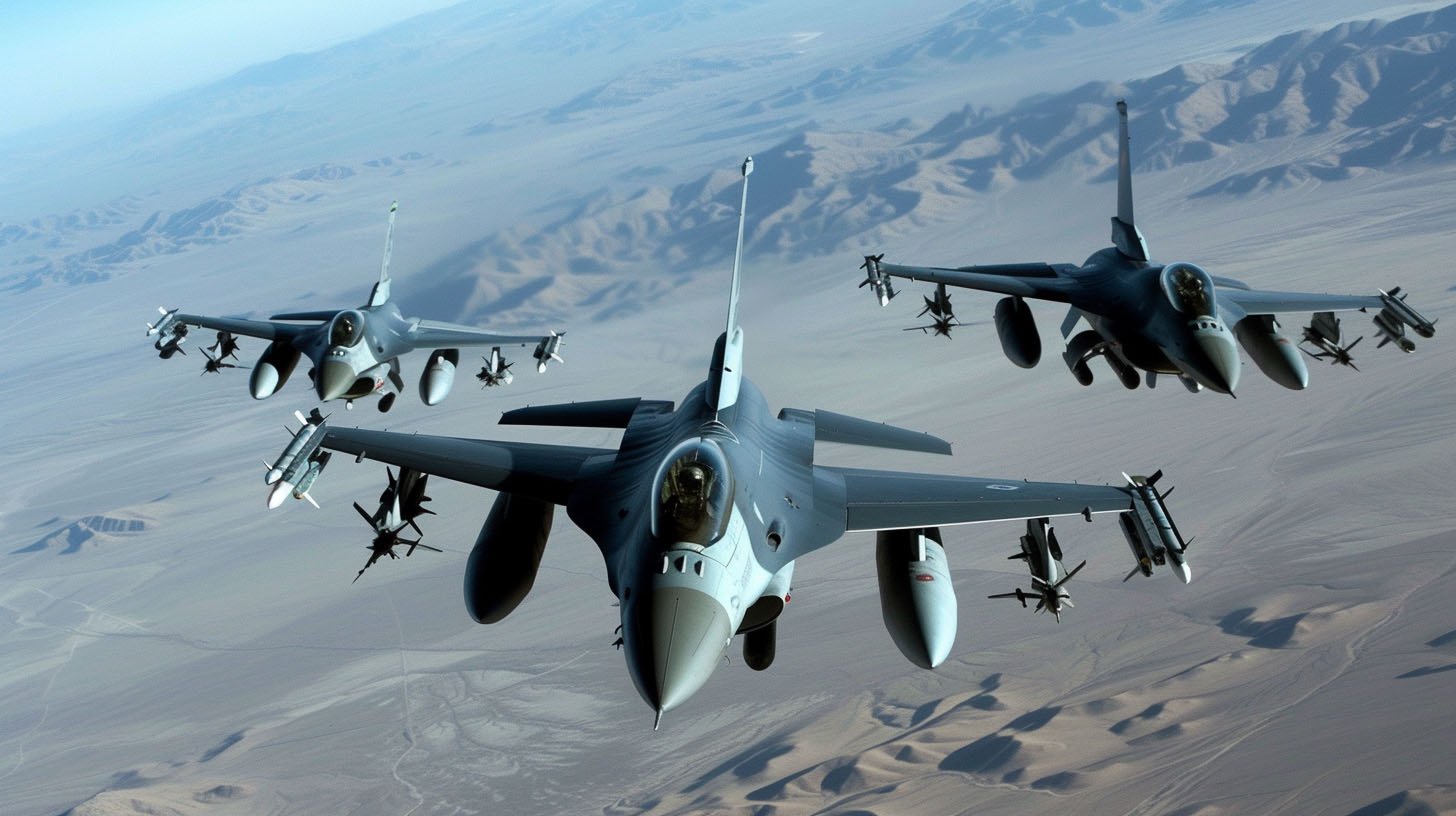
In a significant development in the realm of international arms sales, the US government has given the green light for the sale of 40 new F-16 fighter jets to Turkey, a transaction worth $23 billion. This move comes after a prolonged delay, with the agreement hinging on Turkey's ratification of Sweden's accession to NATO.
Expanding Military Capabilities
The comprehensive deal encompasses not only the purchase of the F-16 fighter jets but also includes modernization kits for 79 existing Turkish F-16s, bolstering Turkey's military capabilities in the region.
Implications for NATO and Regional Stability
This approval coincides with the US State Department's consent for the sale of 40 F-35 fighters to Greece, valued at $8.6 billion. These developments underscore the shifting dynamics within NATO and the broader geopolitical landscape. Turkey's initial reluctance to ratify Sweden's NATO bid, driven by concerns over alleged Swedish support for Kurdish separatists, had strained relations within the alliance. However, with the recent ratification, Turkey's role as a vital NATO member in the Black Sea region has been reinforced, particularly in the wake of Russia's full-scale invasion of Ukraine in February 2022.
While the approval of the F-16 sale to Turkey is seen as a strategic move, some US lawmakers have raised concerns about Turkey's human rights record and its role in holding Russia accountable for its actions in Ukraine. The decision to proceed with the sale was not made lightly, indicating a complex balancing act within the US government.
With only Hungary remaining as the sole NATO member yet to ratify Sweden's NATO accession, the alliance's unity remains a focal point, as geostrategic considerations continue to shape international arms deals and diplomatic relations. This development follows last year's approval for the transfer of American-made F-16 fighter jets to Ukraine from Denmark and the Netherlands, further illustrating the evolving dynamics of military cooperation in a changing world.
  • Text Only
Historical Context and Recent Shifts
The geopolitical dynamics of the Middle East are increasingly complex, raising questions about the United States' stance and effectiveness in the region. A key factor in understanding these changes lies in analyzing the policies of former U.S. President Donald Trump, particularly towards Iran. Trump's strategies, seen as unorthodox and potentially neglectful of the region's real issues, might have inadvertently strengthened Tehran's position and exacerbated the U.S.'s isolation. This historical perspective provides insight into the current challenges the United States faces in the Middle East.
Contemporary Challenges and Global Impact
In the present day, the United States confronts a multitude of global challenges while being constrained by its internal democratic mechanisms and the public's desire for stability. Many Americans may not fully grasp how global geopolitical events, such as conflicts in distant regions, can directly affect their daily lives, including fuel prices and credit access. There's a growing perception that the world is teetering on the brink of major conflict, similar to the ongoing war in Ukraine. In this light, the situation in the Middle East could be a strategic distraction for the U.S., akin to diversionary tactics used in warfare, aiming to spread American resources thin and reduce its global influence.
Strategic Maneuvers and Future Implications
The U.S. has thus far avoided direct military confrontation with Iran, engaging instead in targeted operations against Iranian-backed groups in the Middle East. These actions are responses to attacks on American personnel and interests in the region. Meanwhile, Iran has also carried out strikes, claiming to target anti-Iranian forces. This tit-for-tat approach has yet to escalate into open warfare but remains a significant concern. Additionally, North Korea's recent provocations add another layer of complexity to the U.S.'s strategic considerations. There's a growing belief that these regional conflicts, including Russia's actions in Ukraine and potential threats to the Baltic states, could be part of a larger, coordinated strategy involving major global players. This suggests that the U.S. must prepare for more significant challenges ahead, requiring careful consideration of troop deployment and long-term strategic planning.
  • Text Only
A Modern Twist on Classic Design
In an exciting announcement at the SHOT Show 2024, Smith & Wesson unveiled their inaugural foray into modern lever-action firearms with the release of the Model 1854. This innovative weapon, chambered in the potent 44 Magnum, melds historical design with contemporary functionality. The standard Model 1854 distinguishes itself with a robust synthetic stock and a large lever loop, catering to both practical use and aesthetic appeal. Adding to its versatility, it features a flat-faced single-action trigger, known for its precision and responsiveness.
Enhanced Functionality and Accessories
Smith & Wesson's Model 1854 is not just about looks; it's designed for practicality and adaptability. A notable addition is the extended hammer spur, enhancing ease of use. For those looking to customize their firearm, the Model 1854 comes equipped with a 4-inch section of Picatinny rail, allowing for the attachment of various accessories such as optics or lights. This thoughtful integration of modern elements positions the Model 1854 as a versatile choice for enthusiasts and professionals alike.

Period-Correct Variant for Traditionalists
Understanding the appeal of classic firearms, Smith & Wesson also offers a variant of the Model 1854 that pays homage to its historical roots. This version boasts a glossy DLC blued finish, evoking the timeless elegance of traditional lever-action rifles. Complementing this is a hybrid wood stock, which not only adds to the firearm's visual appeal but also provides a nod to its historical lineage. This period-correct model is sure to attract those who appreciate the blend of historical aesthetics with modern manufacturing quality.
Smith & Wesson's Resurgence in Lever Action
The launch of the Model 1854 marks a significant milestone for Smith & Wesson, signaling their renewed interest and commitment to the lever-action market. This modern take on a classic design offers a glimpse into what enthusiasts can expect from the company's future productions in this category. With the Model 1854, Smith & Wesson merges the nostalgia of the past with the advancements of the present, promising an exciting future for lever-action firearms.
  • Text Only
Germany Pledges Sea King Helicopters to Ukraine
Germany has taken a significant step in bolstering Ukraine's defense capabilities by committing to send six Sea King helicopters to the nation. This move marks a first for Germany in terms of providing such military support directly to Ukraine.
Historic Military Support
German Defense Minister Boris Pistorius announced this landmark decision during the Ukraine Defence Contact Group meeting, which saw participation from over 50 states and organizations. This group is pivotal in coordinating support for Ukraine’s defense against ongoing conflicts. The announcement underlines Germany's active role in international defense collaboration, particularly in the current geopolitical climate.
Capabilities and Delivery of Sea Kings
The Sea King helicopters, known for their robustness and versatility, are expected to significantly enhance Ukraine's surveillance and troop transportation capabilities, especially in maritime contexts like the Black Sea. While the specific timeline for the delivery of these helicopters remains undisclosed, their impending arrival signifies a substantial enhancement of Ukraine's military resources. Germany is currently transitioning its naval fleet from the Sea King Mk 41 helicopters to the more advanced NHIndustries NH90 Sea Lion model.
Continuing International Support
This gesture of support from Germany follows a similar initiative by Britain, which previously shipped Sea King helicopters to Ukraine in 2022. These developments reflect an increasing trend of international military support for Ukraine, showcasing a unified stance by several nations in response to the ongoing regional conflict.
  • Text Only
Deadliest Incident Since War's Commencement
In what is being reported as the gravest incident since the beginning of the ongoing conflict, the Israeli military faced a substantial loss of life. A recent attack near the Gaza border resulted in the deaths of 21 Israeli soldiers. The day's events were further compounded by three more fatalities in separate skirmishes in the south, bringing the total death toll for the day to 24.
Tragic Turn of Events at Gaza Border
The incident took place during a military operation involving Israeli reservists near the Gaza border. Army spokesman Admiral Daniel Hagari disclosed that the deaths were a consequence of a Hamas missile attack. The missile strike inadvertently triggered the premature detonation of explosives that the soldiers were setting up. These explosives were part of a strategy to demolish buildings to aid in the reconstruction of border defenses. Unfortunately, the missile's impact caused two buildings to collapse, tragically burying the soldiers.
Investigation and Resolute Response
Following this devastating incident, the Israeli army has initiated a thorough investigation to understand the sequence of events and potential oversights. Admiral Hagari emphasized the importance of learning from this incident to safeguard the lives of soldiers in future operations. He reaffirmed the military's commitment to continuing their efforts until achieving what he referred to as "absolute victory," honoring the sacrifice of the fallen soldiers. This incident marks a significant moment in the ongoing conflict, likely impacting military strategies and operations in the region.
  • Text Only
Inclusive Expansion of SIG Professional Program
SIG SAUER, a renowned firearms manufacturer, has announced a significant expansion of its SIG Professional Program (SPP), now including all honorably discharged military veterans. This marks a notable shift from the company's previous policy, which limited the program to actively serving military personnel, law enforcement officers, first responders, and those with specific "retired" military credentials. The expansion to include all veterans is a gesture of appreciation and recognition for their service and broadens the accessibility of special pricing on SIG SAUER products.
Enhanced Access and Product Range
To celebrate the 40th Anniversary of the P226, a pistol with a rich history in military and law enforcement use, SIG SAUER is extending this program throughout 2024. The expansion not only encompasses a wider range of individuals but also includes a significant addition of products available under the program. Available through an expanded network of commercial retailers, including SIG Master and Elite Dealers, the program now offers discounted pricing on over three dozen firearm models, such as various P320 variants, some P365s, P226s, and MCXs. This extended accessibility aims to acknowledge and honor those who have played a role in shaping the legacy of SIG SAUER firearms.
Eligibility and Access Details
The SIG Professional Program is designed to offer discounted rates on select firearms to those who serve or have served in various capacities. With the recent expansion, the program is now open to a wider range of eligible participants. This includes active-duty military members, retired military personnel with appropriate credentials, honorably discharged veterans (requiring a DD214 or a Veteran designation on a state-issued ID), active reservists, active national guard members, corrections officers, sworn law enforcement officers, retired law enforcement officers with "retired" credentials, active or retired law enforcement with official agency credentials, court officers, state/county/city coroners, and full-time first responders including EMTs, firefighters, volunteer firefighters, and paramedics. The program is accessible through select retailers and a dealer locator available on SIG SAUER's website, ensuring easy access for qualifying individuals.
  • Text Only
Successful High-Power Laser Firing Against Aerial Targets
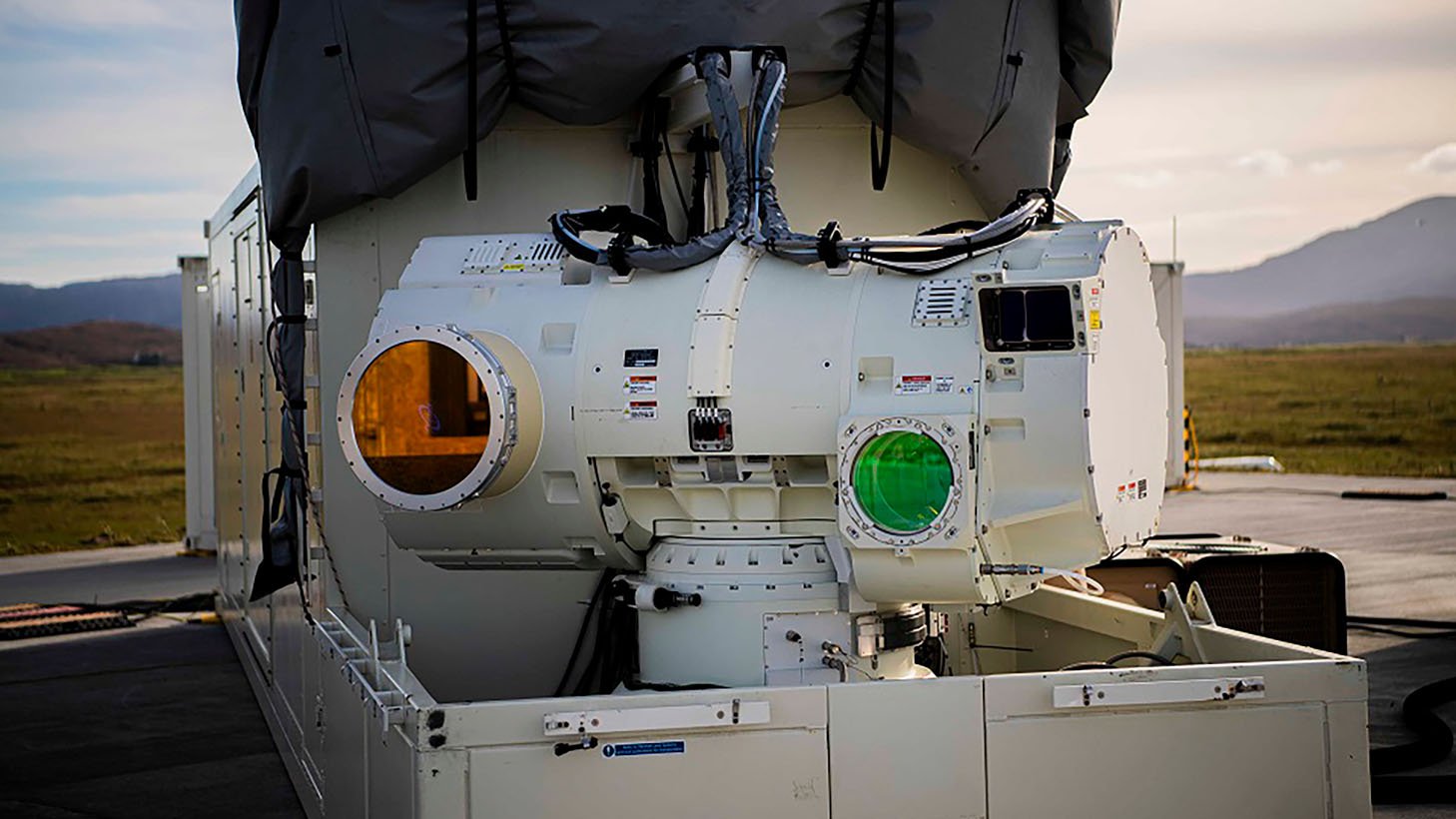
The UK Ministry of Defense (MOD) has recently achieved a significant milestone in military technology by conducting the country’s first high-power firing of a laser weapon against aerial targets. This groundbreaking test was carried out at the MOD’s Hebrides Range, where the DragonFire laser-directed energy weapon (LDEW) system demonstrated its effectiveness and precision. This development marks a significant leap in the field of laser-directed energy weaponry, showcasing the UK's advancements in modern military capabilities.
DragonFire: A New Era in Military Technology
The DragonFire LDEW system, a product of a £100 million joint investment by the MOD and industry partners, displayed remarkable accuracy and cost-effectiveness during the trial. Capable of engaging any visible target within its range, DragonFire is designed as a line-of-sight weapon, exemplifying its potential as a revolutionary tool in military operations. The system's precision is such that it can hit a target as small as a £1 coin from a kilometer away. DragonFire operates by emitting an intense beam of light to cut through targets, offering a low-cost alternative for tasks currently performed by missiles. The operational cost per shot is remarkably low, making it an economically viable option for the military.
Integrating DragonFire into Future Defense Strategies
Led by the Defense Science and Technology Laboratory (Dstl) in collaboration with industry giants such as MBDA, Leonardo, and QinetiQ, DragonFire's successful trial paves the way for its integration into the future air defense systems of the British Army and Royal Navy. The Defense Secretary, Grant Shapps, emphasized the revolutionary impact of this technology in transforming the battlespace, reducing dependency on expensive ammunition, and minimizing collateral damage. This latest achievement builds on previous successful trials of DragonFire, including its ability to accurately track and target moving objects both in the air and at sea. Furthermore, the development of the DragonFire weapon system is a boon for the UK's economy, supporting highly skilled jobs in advanced technologies and enhancing the country's capabilities in LDEW systems. Dr. Paul Hollinshead of Dstl highlighted the importance of these trials in preparing the armed forces for future challenges and threats.
  • Text Only
Cross-Border Strikes Escalate Conflict
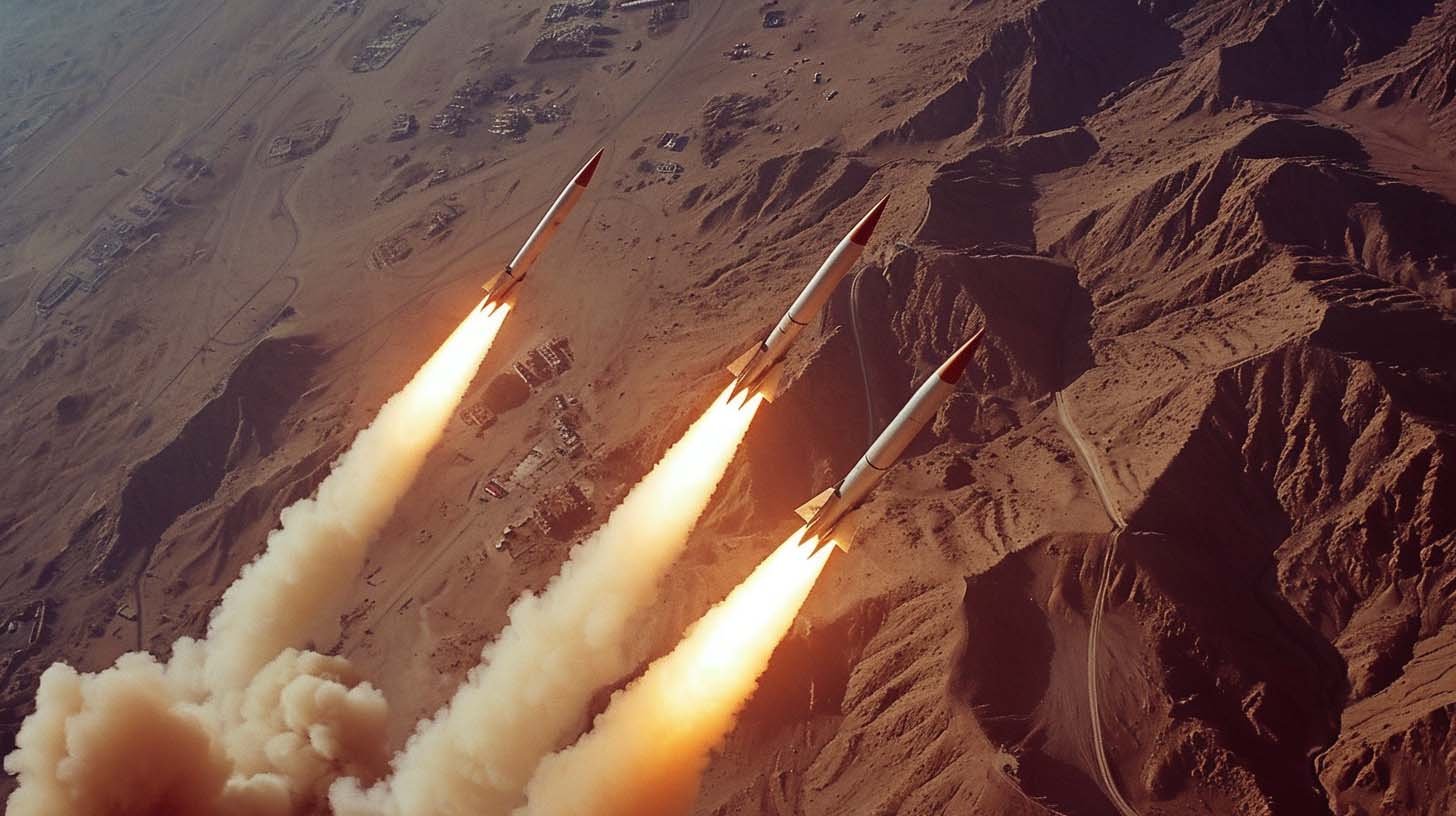
Recent developments have seen a sharp escalation in tensions between Iran and Pakistan, with each nation launching strikes across their shared border. The conflict intensified when Pakistan conducted missile strikes into Iran's south-eastern Sistan-Baluchestan province, reportedly targeting "terrorist hideouts." This action was in retaliation to an earlier strike by Iran inside Pakistani territory, which Pakistan claimed resulted in civilian casualties.
Impact and International Response
The Pakistani strike in Iran led to the reported deaths of nine individuals, including women and children, though Iran stated that the victims were not Iranian nationals. The reciprocal nature of these attacks highlights the heightened tensions in the Middle East, where multiple crises are overlapping. This region is currently witnessing Israel's conflict with Hamas in Gaza and Hezbollah in Lebanon, as well as Iran-backed groups targeting US forces in Iraq and Syria. The recent attacks mark the first time since the 1980s that Iran has been targeted by external land assaults. The international community, including China, Turkey, and the Taliban government in Afghanistan, has called for restraint and dialogue in light of these events.
Strained Yet Cordial Relations and Potential for De-Escalation
Despite the recent hostilities, Iran and Pakistan generally maintain cordial relations, with their ministers meeting at Davos and conducting joint naval exercises. The shared concerns over lawless border areas, rampant with drug smuggling and militant groups, continue to bind the two countries. Following the air strikes, both sides seem keen to emphasize that these actions do not represent attacks on a friendly neighbor. Experts suggest that while the risk of escalation exists, there is also an opportunity for both countries to step back from further conflict. The current dynamic offers Pakistan a chance to reopen dialogue with Iran, potentially easing tensions and restoring regional stability.
  • Text Only
Zelenskyy Acknowledges Patriot Missile System's Impact
Ukrainian President Volodymyr Zelenskyy recently highlighted the critical role of the Patriot missile system in Ukraine's defense strategy. During a World Economic Forum interview in Davos, Zelenskyy praised the system for its unparalleled capabilities in intercepting a range of missile attacks, including conventional and ballistic strikes. The Patriot, a ground-based, mobile missile defense interceptor, has been instrumental in Ukraine's efforts to counter advanced Russian weaponry. Provided by the United States, these systems have become a cornerstone of Ukraine's defensive measures since the Russian invasion in February 2021.
Patriot's Success in Ukrainian Defense
The Patriot missile system has been a game-changer for Ukraine, successfully intercepting Russian Kinzhal missiles, which had been described by Russian President Vladimir Putin as unbeatable. This feat was particularly notable during a significant air assault earlier in the month when Ukrainian forces used the system to down 10 Kinzhals. Additionally, in November, Ukrainian officials reported that the Patriot helped eliminate five Russian aircraft in just five minutes, demonstrating the system's efficiency and effectiveness in combat situations. These successes have not only been a shock to Russian forces but have also impressed international partners with the system's robust performance.
Challenges and Future of Ukraine's Missile Defense
While the Patriot missile system has proven its mettle on the battlefield, concerns have emerged regarding the sustainability of supplies. Each interceptor's production cost ranges between $2 million and $4 million, leading to apprehensions about the continuous availability of these crucial defense components. This issue is compounded by potential funding uncertainties, as some members of the US Congress have expressed hesitations about ongoing financial support for Ukraine. Despite these challenges, NATO and other member countries, such as Germany, the Netherlands, Romania, and Spain, are exploring avenues to supplement Ukraine’s missile defense resources, ensuring the country remains equipped to defend itself against continued Russian aggression.
  • Text Only
Thwarted Russian Advance in Eastern Donetsk
In a recent military clash near Avdiyivka, Ukrainian forces successfully repelled an attempt by the Russian army to penetrate their defenses. The engagement, as reported by the DeepState UA milblogger, took place in the northern sector of the Avdiyivka bulge near the area of Stepove. The Russian offensive, composed of a column of ten combat vehicles including main battle tanks, was part of Moscow's largest offensive in the region in recent months. This operation reportedly involved former fighters from the private military company “Wagner,” with an objective to break through Ukrainian lines and advance towards Avdiyivka.
Effective Use of Advanced Military Equipment by Ukraine
The Ukrainian military's response was characterized by professionalism and strategic coordination. They utilized advanced Bradley infantry fighting vehicles, which were supplied by the United States, along with FPV drones, to halt the Russian advance. This response not only successfully stopped the Russian offensive but also highlighted the effectiveness of the Ukrainian military's tactical strategies and the importance of advanced military equipment in modern warfare.
Demonstration of Ukrainian Military Prowess
This latest incident is a testament to the Ukrainian military's growing capability to counteract Russian military actions. The successful defense against the Russian assault was largely attributed to the sophisticated use of equipment and the skillful deployment of resources by the Ukrainian forces. Their ability to effectively employ these tactics and technologies in the field demonstrates a significant enhancement in their defense capabilities, reinforcing their position in the ongoing conflict in the eastern Donetsk region.
  • Text Only
Nighttime Mission Leads to Unexpected Turn
During a nighttime boarding mission in the Gulf of Aden, near Somalia, a harrowing incident occurred involving two US Navy SEALs. As they were climbing aboard a vessel, high waves caused one of the SEALs to fall into the sea. Adhering to Navy SEAL protocol, the second SEAL immediately jumped in to assist his comrade, leading to both individuals vanishing. This event occurred on Thursday, and since then, a rigorous search-and-rescue operation has been underway. The US Central Command has acknowledged the missing sailors but has not specified their roles as SEALs.
Details of the Mission and Ongoing Search Efforts
The mission that led to this unfortunate incident involved intercepting suspected Iranian weaponry destined for the Houthis in Yemen, according to reports from US officials. The specific details of the mission and the target vessel remain undisclosed. However, it is known that the waters off the coast of Somalia are notorious for piracy and illegal activities, with US forces frequently engaging in counter-piracy operations. The search-and-rescue mission, conducted by the US 5th Fleet, continues with no new updates available from the Pentagon or the US Fleet Forces Command as of early Monday.
Regional Context and Mission Objectives
The Gulf of Aden, a strategic location for Navy operations, has been particularly active in recent weeks. While officials have clarified that the incident did not relate to responses to Houthi-led attacks in the Red Sea or Iran's seizure of an oil tanker, it highlights the ongoing efforts to disrupt weapon supplies to Yemen. The mission, described as a "normal interdiction" operation, was part of a broader strategy to maintain security and combat illicit activities in the region. The National Security Council spokesperson, John Kirby, confirmed that the operation was focused on curbing the flow of arms to Yemen and was not connected to recent strikes against the Houthis.
  • Text Only
Strategic Defense Success in Ukraine
Ukraine has demonstrated significant success in deploying Patriot air-defense systems, notably shooting down 25 Russian Kinzhal missiles since last May. This achievement not only bolsters Ukraine's defense capabilities but also offers an invaluable opportunity to refine and enhance the Patriot system's accuracy and algorithms. These developments come in the backdrop of Ukraine's ongoing efforts to fend off Russian missile, aircraft, and drone attacks, including advanced weaponry that has often been overhyped.
Intelligence Windfall for the West
While Ukraine's interceptions bolster its defense, they also serve as a rich source of data for other Patriot system users. This "intelligence bonanza," as termed by one missile-defense expert, is helping to make the system smarter and more effective against various threats. The success in intercepting Kinzhal missiles, previously touted as unstoppable by Russia, is particularly significant. This not only disproves the invincibility of the Kinzhal but also provides critical insights into countering such advanced weaponry, benefiting the US, NATO allies, and other Patriot system users globally.
Broader Implications for Air and Missile Defense
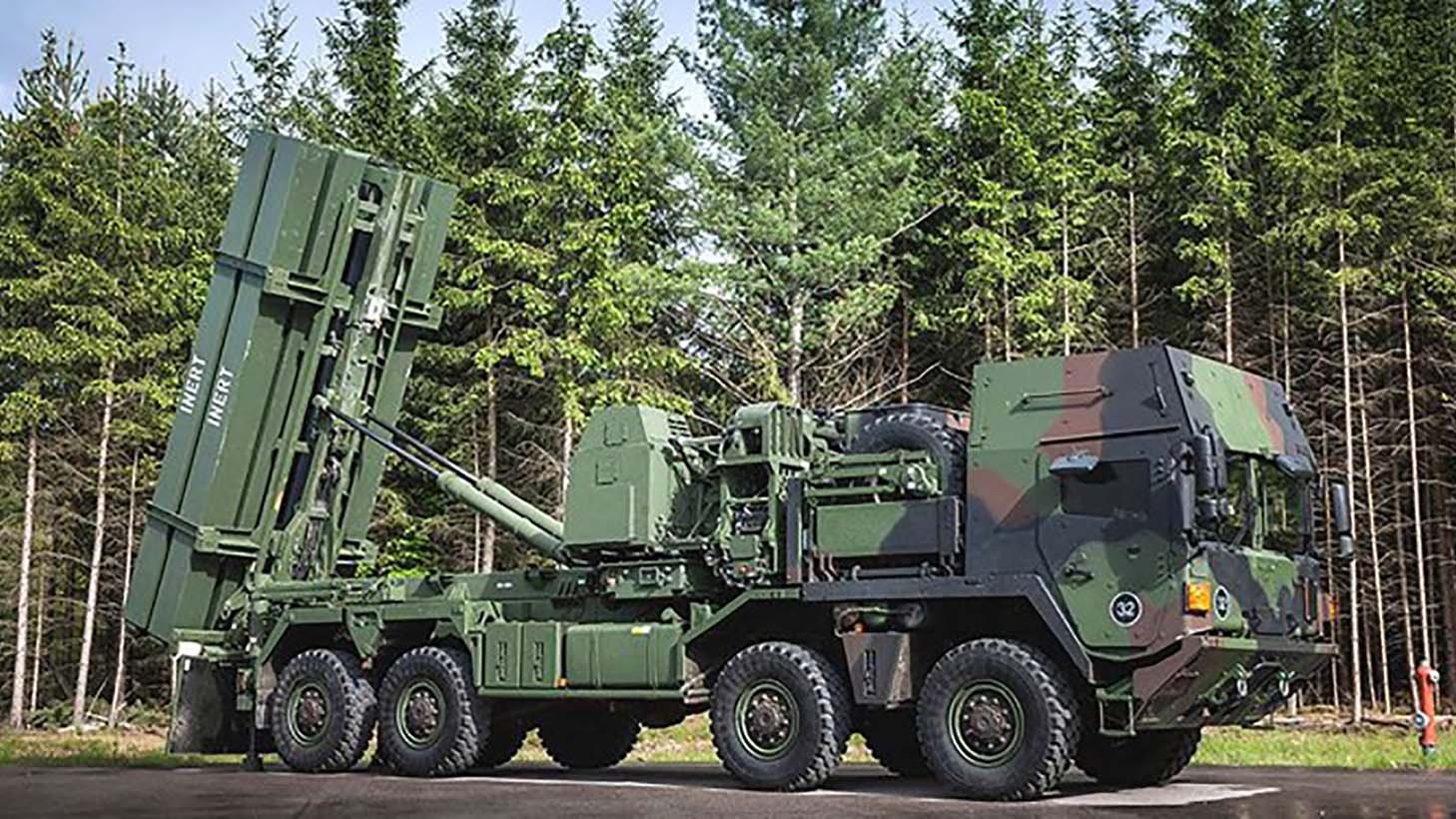
Ukraine’s effective use of Western-provided air defenses like Patriots, IRIS-T, and NASAMS, which have been instrumental in saving lives, also underscores the growing need for robust air and missile defenses worldwide. The successful engagement of high-end missile threats from Russia reinforces the importance of such systems. This is evident in the recent decisions of NATO nations to acquire more Patriot missiles and Japan's historic move to export missiles to the US. The conflict has not only emphasized the importance of air and missile defenses for immediate defense needs but also highlighted their strategic value in understanding and preparing for potential future conflicts. 
Ukraine's successes in employing these systems underline the critical role of air and missile defenses, not just as peripheral equipment, but as central to modern military strategy and national defense.
  • Text Only
Secretive Departure into Space
SpaceX's formidable Falcon Heavy rocket has recently embarked on a clandestine journey, carrying the U.S. Space Force’s X-37B spaceplane into orbit. This secretive launch, executed from NASA's Kennedy Space Center, adds another layer to the enigmatic narrative of the X-37B, a reusable vehicle known for its classified space experiments. The specifics surrounding this mission, such as the intended orbit, mission duration, and the nature of the payloads, are closely guarded, maintaining the characteristic secrecy of the X-37B program.
Falcon Heavy's New Role in Space Missions
This latest mission represents a new chapter in the X-37B's history, being the first to utilize the more powerful Falcon Heavy rocket. Previous missions employed SpaceX’s Falcon 9 and the United Launch Alliance's Atlas V rocket. The choice of Falcon Heavy, with its enhanced capabilities, suggests potential for more complex objectives or distant orbital targets. The Boeing-manufactured X-37B, which bears a resemblance to a mini space shuttle, is engineered for runway landings on Earth, much like traditional aircraft.
 
SpaceX's Expanding Legacy in Space Exploration
Underneath the mission's veil of secrecy, some details have been revealed. Known as USSF-52, the mission aims to venture into unexplored orbital realms and conduct experiments in space domain awareness and the effects of space radiation on various materials. Among the experiments is NASA’s Seeds-2, which investigates the influence of space radiation on plant life. This launch is a milestone for Falcon Heavy, marking its fifth mission of the year and ninth since its debut in 2018. Despite initial delays due to weather and other undisclosed factors, SpaceX continues to build its impressive launch history, with this mission being its 97th of the year, closely followed by the 98th launch involving a batch of Starlink satellites.
  • Text Only
2024 Launch of Joint Satellite Mission
The Pentagon's Missile Defense Agency (MDA) and the Space Development Agency (SDA) are set to launch a critical national security space mission in the second quarter of 2024 per a report by SpaceNews. This initiative, initially planned for a December 2023 launch, faced delays due to technical difficulties with one of the spacecraft involved. The mission, titled USSF-124, aims to deploy six satellites equipped with advanced technology to detect and track hypersonic missiles.
Innovative Satellite Technologies for Defense
USSF-124 will feature a combination of cutting-edge technologies. Four of the six satellites, developed by L3Harris, are designed for the SDA's Tracking Layer constellation. These satellites are tailored to detect ballistic and hypersonic threats, particularly from nations like Russia and China. The remaining two satellites, one from L3Harris and another from Northrop Grumman, are integral to the MDA's Hypersonic and Ballistic Tracking Space Sensor (HBTSS) program. This program focuses on maintaining precise tracking of threats and facilitating data transfer to interceptor missiles.
The Tracking Layer and HBTSS are crucial components of a planned multi-layered missile-defense architecture. The HBTSS specifically aims to demonstrate fire control technology essential for intercepting hypersonic weapons. To optimize efficiency, the SDA and MDA decided to merge their payloads, although this collaboration has faced delays due to production issues.
Congressional Oversight and Agency Collaboration
The collaboration between the MDA and SDA has garnered attention from congressional defense committees. These bodies are urging the Pentagon to clearly define the roles and responsibilities of each agency in missile tracking. Representative Doug Lamborn expressed the importance of swiftly implementing the HBTSS for national security. Some lawmakers suggest that the SDA, known for its agility in developing space capabilities, should take the lead on this mission. Others advocate for the MDA's continued involvement, citing its extensive experience in tracking ballistic missiles.
 
An important aspect to monitor is how the MDA and SDA, each reporting to different superiors, will cooperate. The MDA falls under the office of the undersecretary of defense for research and engineering, while the SDA reports to the U.S. Space Force chief of space operations and the Assistant Secretary of the Air Force for Acquisition and Integration.
The mission's launch, scheduled to take place on a SpaceX Falcon 9 rocket from Cape Canaveral Space Force Base in Florida, marks a significant step in enhancing the United States' defense capabilities against emerging hypersonic threats.
  • Text Only
Ramping Up Defense Production
In a report from the Defence Blog, Sergey Chemezov, CEO of Rostec Corporation, recently briefed President Vladimir Putin on the status of Russia's defense production, specifically addressing the state's defense orders, aviation, and automotive sectors, and strides in import substitution. In his overview, Chemezov underscored a significant increase in various aspects of defense manufacturing. This includes a notable surge in tank production, with figures showing an almost sevenfold rise compared to the previous year.
Expansion Across Military Equipment Sectors
The report from Rostec also highlighted substantial growth in other military manufacturing sectors. Production of artillery shells saw an increase of around fifty times in certain categories. Additionally, the output of infantry fighting vehicles, including airborne versions, along with various armored vehicles, escalated by more than five times. Specific areas of ammunition production and light armored vehicles also saw dramatic increases, aligning with the overall trend of accelerated defense manufacturing in Russia.
Context of Increased Military Efforts
Chemezov's presentation comes against the backdrop of the ongoing conflict in Ukraine, where the Russian armed forces have experienced significant losses in both personnel and equipment. The accelerated pace of defense manufacturing and efforts in import substitution suggest an intensification of Russia's military capabilities and strategies. However, it is crucial to note the context of the ongoing war with Ukraine, where Russian public statements often serve purposes of disinformation and intimidation. This backdrop adds a layer of complexity to interpreting and understanding the full implications of the reported surge in defense production.
  • Text Only
A Significant Endorsement for Aimpoint
Aimpoint, renowned for its red dot sighting technology, has recently garnered a significant endorsement from the Federal Bureau of Investigation (FBI). The FBI has selected two models of Aimpoint's red dot sights for its Red Dot Sights and Mounts Program. This decision comes after rigorous testing of various competitive optics, highlighting Aimpoint's quality and performance in the field.
Contract Details and Sight Specifications
Aimpoint has been awarded two separate contracts by the FBI, reflecting the high regard for their products. The compact Duty RDS™ sight has secured a five-year contract worth up to $7 million, while the larger CompM4s sight has been awarded a $4 million contract. These contracts underscore Aimpoint's excellence in providing reliable and efficient sighting solutions.
The Duty RDS is designed for the demanding requirements of law enforcement officers. It features a robust pressure-forged aluminum alloy housing, intuitive adjustments for windage and elevation, and digital intensity controls for optimal operation in various conditions, including while wearing gloves. The sight offers a 30,000-hour battery life on a single CR2032 battery, a 2 MOA red dot, and compatibility with all night vision device generations. Its waterproof design and one-piece torsion nut mount compatible with MIL-STD-1913 picatinny rails make it a versatile choice for field operations.
The CompM4s, trusted by top-tier professionals and classified as the M68CCO (Close Combat Optic) by the U.S. Army and Air Force, offers extended battery life of over 80,000 hours on a single AA battery. This model is also known for its reliability in night vision settings, offering more than 500,000 hours of operation.
Aimpoint's Legacy and Global Trust
Aimpoint's selection by the FBI adds to the company's long-standing reputation as a leader in reflex sight technology. With over 45 years of experience, Aimpoint has established itself as a preferred choice for military and law enforcement agencies worldwide, known for its high-quality products and exceptional technical support. This recent endorsement by the FBI not only reaffirms Aimpoint's status in the optics industry but also sets a high standard for future developments in sighting technology.
  • Text Only
Strategic Mobilization Proposal
In response to the ongoing conflict with Russia, Ukraine is taking significant steps to reinforce its military capabilities. According to Defence Blog, the Cabinet of Ministers has introduced a bill titled “On Amendments to Certain Legislative Acts of Ukraine Regarding Improvement of Certain Issues of Mobilization, Military Registration, and Military Service” to the Verkhovna Rada. This legislation aims to streamline and enhance Ukraine’s mobilization processes, reflecting the country's proactive approach to national defense amidst escalating regional tensions.
Enhancing Defense Readiness
The bill's introduction aligns with Ukraine's efforts to bolster its armed forces against the backdrop of persisting challenges to its territorial integrity. The proposed increase in military personnel – potentially adding between 450,000 to 500,000 conscripts – marks a significant escalation in Ukraine's defensive preparations. This follows earlier statements by David Arakhamia, leader of the ruling “Servant of the People” faction, who revealed a military request for 500,000 additional troops.
Military Leadership's Perspective
Valerii Zaluzhnyi, Chief Commander of the Armed Forces of Ukraine, clarified the military's position regarding troop mobilization. While the military routinely assesses its needs for ammunition, weaponry, and personnel, Zaluzhnyi stated that no specific number for mobilization had been officially requested. He highlighted the importance of maintaining military secrecy regarding detailed figures and emphasized that the General Staff does not possess legislative authority to initiate such actions. Zaluzhnyi reassured that the Armed Forces are in close collaboration with the Ministry of Defense and the legislative authority to ensure a coordinated defense strategy.
The Ukrainian government's move to mobilize a significant number of additional troops underscores the gravity of the situation and its commitment to safeguarding national security. As the conflict continues, these measures indicate Ukraine's determination to strengthen its defensive posture and address the ongoing challenges it faces.
  • Text Only
Groundbreaking Delivery of Enduring Shield
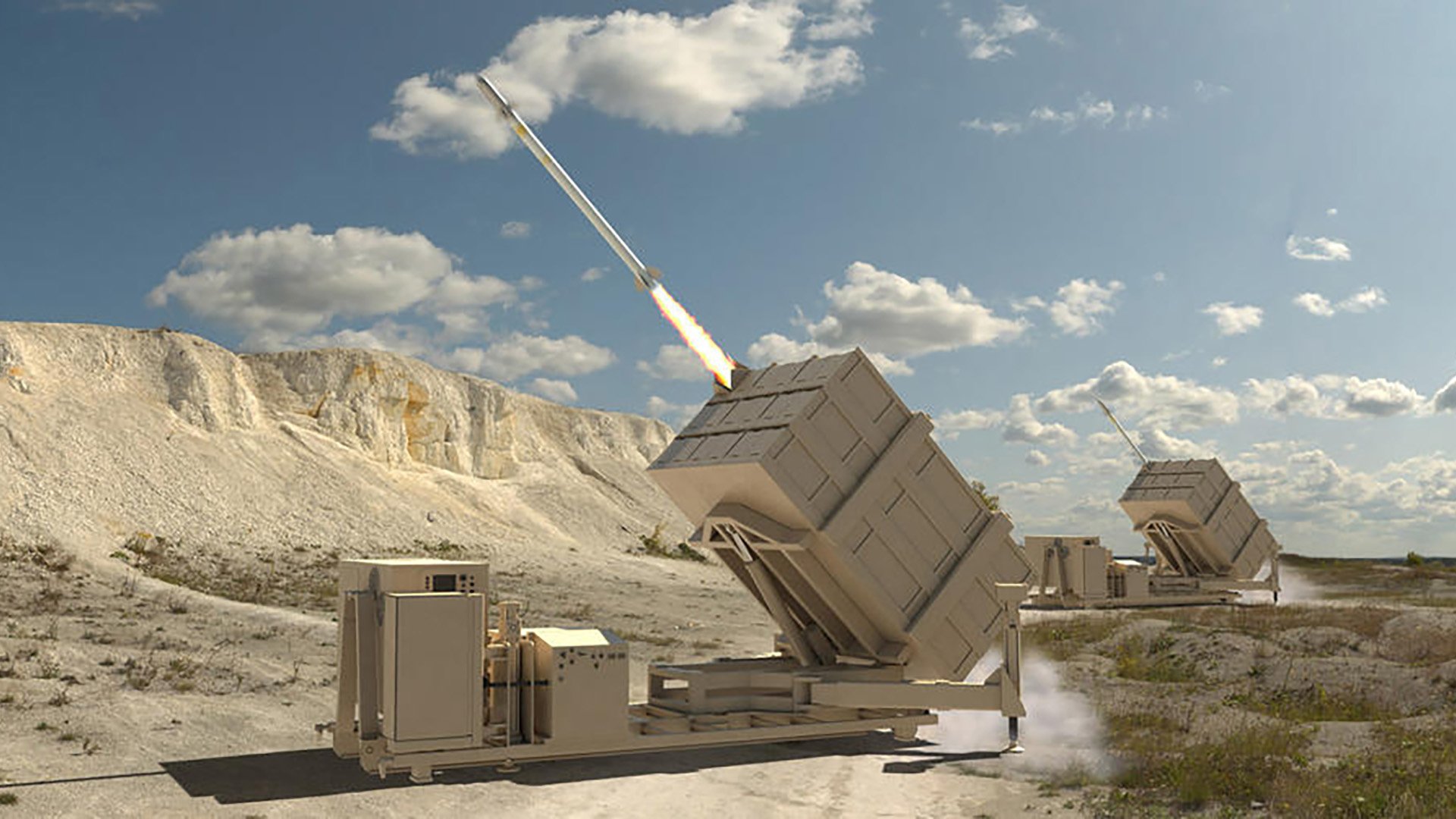
Leidos, in a report by Army Recognition, has achieved a significant breakthrough in national defense by delivering the first Enduring Shield air defense systems to the U.S. Army. This delivery marks a pivotal step in the Indirect Fire Protection Capability Increment 2 (IFPC Inc 2) program, an integral part of the Department of Defense's layered defense approach.
Advanced Capabilities of Enduring Shield
The Enduring Shield system is a cutting-edge, mobile ground-based air defense system. It is engineered to defend against cruise missiles and unmanned aircraft systems, thus ensuring the safety of critical civilian and military infrastructure. Unique for its 360-degree engagement capacity, Enduring Shield can engage multiple threats simultaneously. This system is not only compatible with various missile types but also boasts potential for future technological enhancements. It integrates flawlessly with the Army's Integrated Air and Missile Defense Battle Command System, as demonstrated in tests conducted in the summer of 2023. 
Path to Development and Future Prospects
Leidos' Dynetics team, appointed as the primary contractor for the Enduring Shield project in September 2021, faced challenges like supply chain issues and technical hurdles. These challenges initially delayed the system's delivery, originally planned for March 2023. Despite these obstacles, Leidos and the U.S. Army collaborated effectively to reach this milestone. The upcoming phase involves the Army's developmental testing of these prototype launchers, scheduled for 2024, as part of the broader defense strategy. Anticipating future orders, Leidos is gearing up for the next production phase, expected in 2025, at its Chase facility. 
Leidos' successful delivery of the Enduring Shield systems signifies a major advancement in air defense capabilities for the U.S. Army, reinforcing the nation's commitment to a robust, multi-layered defense infrastructure.
  • Text Only
Major Acquisition in Small Arms Sector
Colt CZ Group SE, a prominent player in the small arms industry, has taken a significant step by acquiring Sellier & Bellot, a Czech ammunition manufacturer. The acquisition, valued at over $350 million, sees Colt CZ Group obtaining full ownership of Sellier & Bellot. In return, CBC Europe S.à rl, the parent company of Sellier & Bellot and part of the CBC Global Ammunition group, will receive a substantial 27-28% stake in Colt CZ Group.
Strategic Move and Long-term Vision
This acquisition aligns with Colt CZ Group's strategy to broaden its scope beyond the core small arms segment to encompass related industries, including ammunition. Jan Drahota, President and Chairman of Colt CZ Group, expressed enthusiasm about integrating Sellier & Bellot into the group. He highlighted the potential for new opportunities and growth this merger would bring. Colt CZ Group plans to finance the acquisition through a mix of existing cash resources and debt financing, with regulatory approvals expected in the first half of 2024.
Sellier & Bellot: A Rich Legacy
Sellier & Bellot has a storied history dating back to 1825, making it one of the oldest ammunition manufacturers globally. The company's extensive product range covers various ammunition types for hunting, sports, military, and law enforcement uses. Based in Vlašim, Czech Republic, Sellier & Bellot employs around 1600 people and has a strong reputation in the ammunition industry. Radek Musil, CEO of Sellier & Bellot, expressed confidence in the company's future under the new ownership, emphasizing a continued focus on brand growth and product development.
Colt CZ Group: A Diverse Portfolio
Colt CZ Group SE, now the new owner of Sellier & Bellot, boasts a diverse portfolio of renowned brands such as Colt, Česká Zbrojovka, Colt Canada, and 4M Systems. The group is recognized globally for manufacturing firearms for various purposes, including hunting, sport shooting, personal defense, military, and law enforcement. This acquisition marks a significant union of two historic brands in the industry, promising future growth and innovation.
This move by Colt CZ Group is not just a business transaction but a strategic alignment of two legacy brands, poised to create a significant impact in the small arms and ammunition sector.
  • Text Only

Editorial Information

Advertisement

Advertisement

Important Information

We have placed cookies on your device to help make this website better. You can adjust your cookie settings, otherwise we'll assume you're okay to continue.

Account

Navigation

Search

Search

Configure browser push notifications

Chrome (Android)
  1. Tap the lock icon next to the address bar.
  2. Tap Permissions → Notifications.
  3. Adjust your preference.
Chrome (Desktop)
  1. Click the padlock icon in the address bar.
  2. Select Site settings.
  3. Find Notifications and adjust your preference.